The Millennia of Central Plains Civilization and Natural Wonders — Mount Song
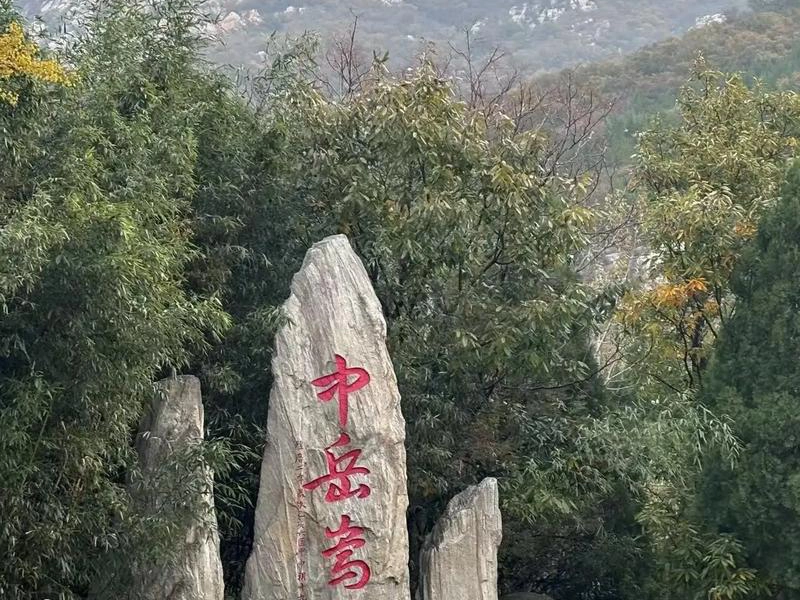
What kind of mountain can deserve the praise of being “soaring to the sky” while also carrying the extraordinary ambition of Empress Wu Zetian’s Fengshan (sacrificial ceremony) at Mount Yue? Mount Song does not rely on dazzling appearances, but instead commands respect through its irreplaceable central position, becoming the axis in the ancient conception of the center of heaven and earth. It is like a fixed star of history, calmly presiding over the Central Plains through dynastic changes and turbulent times, defining what is sublime and what is foundational. Songshan travel provides a unique opportunity to experience both the natural beauty and cultural heritage of this famous mountain in China.
The Soul of Mount Yue — The Center of the World
Mount Song is revered as the Central of the Five Great Mountains not only because it stretches across the Central Plains, but also because it embodies the ancient concept of being at the center of heaven and earth. To the ancestors, each direction in the cosmos had its place, and the center represented the origin of order and harmony. Mount Song stands between the Yellow River and Luo River, southward to Bozhong, northward overlooking Taihang Mountains — geographically nearly the heart of the world. Thus, it was regarded as the central axis of the Nine Provinces and held critical importance in ancient astronomy, feng shui, and state governance. Mount Song is more than a geographic landmark; it is a cultural and spiritual lodestar. Exploring Songshan scenic spots allows travelers to fully appreciate its historical and spiritual significance.
Classic Rituals of Imperial Fengshan
During the Han Dynasty, Emperor Wu personally visited Mount Yue to perform grand sacrifices to Heaven. In front of the temple lay a paved stone square, offerings of oxen, sheep, and pigs arranged meticulously, ritual instruments gleaming in gold and jade. Musicians beat drums and played flutes, ritual music filled the air, and officials from all directions stood in solemn formation, as if the order of heaven and earth were frozen at this moment. Emperor Wu prayed for national peace and prosperity, his figure merging with the towering Mount Song, embodying the principle of unity of heaven and man.
Over a thousand years later, Empress Wu Zetian ascended Mount Yue to perform the Fengshan ceremony as a sovereign empress. On Taishi Mountain, she oversaw the construction of grand sacrificial halls and stone tablet forests. The layout followed a north-south axial symmetry, with halls, steles, and vermilion walls stacked layer upon layer, symbolizing her heavenly mandate and control over the order of the Central Plains. Standing atop, one could imagine the solemn scene: under the celestial canopy, ritual music resounding, ceremonies conducted with strict protocol, the empress in dialogue with heaven, reflecting Mount Yue’s political and religious significance. Mount Song historical sites offer today’s visitors a glimpse into this imperial grandeur.
Geographic and Cultural Significance
The center of Mount Song is not merely geographic; it is a cultural symbol. It represents balance, order, and inclusiveness — a stable force in a turbulent world. Generations of scholars and rulers viewed Mount Song as the core of Central Plains spirit, using it to measure the order and morality of the realm. The name Mount Yue embodies the spiritual anchor of Chinese civilization, setting the cultural tone for the story of the mountain. Standing before Zhongyue Temple, gazing up at the towering peaks and solemn halls, one can feel as if traveling through a thousand years, standing alongside Emperor Wu and Empress Wu Zetian, immersed in the weight and grandeur of Central Plains civilization. Songshan cultural heritage is preserved in every temple, academy, and scenic area.
The Majestic Peaks — Taishi and Shaoshi Mountains
If the title Central Yue grants Mount Song its cosmic symbolism, its true form is defined by the Taishi and Shaoshi Mountains. Taishi Mountain is majestic and stable, like an elder seated with dignity, symbolizing reverence and solemnity; Shaoshi Mountain is steep and elegant, shrouded in clouds, adding a sense of spirit and vitality. Together, they shape Mount Song’s imposing yet refined framework.
Taishi Mountain: Imperial Aura and Historical Depth
Taishi Mountain is the heart of Mount Song, with its main peak soaring into the clouds, praised as soaring to the sky. Its massiveness resembles the backbone of the earth resting across the Central Plains. Since ancient times, emperors and scholars have favored it for visits, infusing it with historical presence. Songshan travel guide resources highlight Taishi Mountain as a must-visit destination for anyone exploring Mount Song.
Zhongyue Temple
Located at the foot of Taishi Mountain, Zhongyue Temple is called the Little Northern Forbidden City, serving as the official site for imperial sacrifices. The temple layout follows strict north-south axial symmetry, halls layered progressively, broad stone steps before the halls, and winding stairways ascending. Columns are carved with dragons and phoenixes, vermilion walls shine in the sun, and inscriptions record sacrificial rites and imperial mandates. Every detail conveys royal authority and religious sanctity. Walking through, visitors not only appreciate architectural beauty but also understand the ancient intention to manifest heavenly mandate, order, and political legitimacy through Zhongyue Temple. Mount Song tourist attractions include this temple as one of the central highlights.
Songyang Academy
Songyang Academy, one of the Four Great Academies of China, represents another facet of Taishi Mountain’s cultural heritage. In the Northern Song Dynasty, Cheng Hao and Cheng Yi lectured here, initiating the Luoxue school of thought. The academy’s layout is precise: lecture halls, study rooms, and library each serve their function, courtyards shaded by ancient cypresses, serene and refined. During lessons, students sit in a circle, voices echoing through the courtyards; outside, disciples discuss classics, write poetry, and debate ethics. The academy houses numerous classical texts, including the Four Books, Five Classics, and historical commentaries, preserving scholarship across centuries. It is both a sanctuary of learning and a hub of cultural exchange, making Songyang Academy a beacon of academia for Central Plains scholars.
Taishi Mountain thus embodies Mount Song’s spirit: carrying imperial weight while nurturing scholarly tradition. Its grandeur harmonizes with the solemnity of Zhongyue Temple and the elegance of Songyang Academy, together forming Mount Song’s unique aura of grandeur and civilization.
Shaoshi Mountain: Zen, Martial Arts, and Scenic Splendor
Shaoshi Mountain rises sharply, peaks piercing clouds, veiled in mist, embodying both peril and grace. If Taishi Mountain conveys weight and stability, Shaoshi Mountain showcases the mountain’s vitality and spiritual depth, hosting Buddhism and martial legends. Mount Song hiking trails lead to Shaoshi Mountain, making it a top destination for travelers seeking both adventure and cultural immersion.
Shaolin Temple — The Sacred Land of Zen and Martial Arts
Shaolin Temple, at the northern foot of Shaoshi Mountain, merges Zen Buddhism with martial heritage. During the Southern and Northern Dynasties, Bodhidharma arrived from India, “crossed the river on a single reed,” meditating in front of a wall for nine years. His gaze was focused and profound, embodying the Zen principle of directly pointing to the mind, seeing nature and becoming Buddha. Enduring seasons and weather, Bodhidharma maintained a mind like still water, founding the Zen practice of mind-to-mind transmission. Today, visitors standing before the wall can still sense this centuries-old serenity and enlightenment. Shaolin Temple tours offer deep insight into Songshan Buddhist culture.
Shaolin Martial Arts — The Essence of Eighteen Skills
Shaolin Temple is not only a spiritual sanctuary but also a cradle of martial arts, preserving eighteen classical skills: Shaolin fists, staff, sword, spear, and more. Every move balances strength and mindfulness. Performances showcase skill with spiritual depth — training the mind through martial arts, cultivating strength through Zen. Watching, one experiences both physical prowess and the philosophy behind it. Songshan Shaolin Temple visit is a highlight for those exploring Mount Song cultural heritage.
Influence on Modern Media
Shaolin’s Zen-martial legacy heavily influenced modern cinema and global culture. In 1982, Jet Li’s film Shaolin Temple combined martial arts with narrative storytelling; Shaolin Soccer humorously blended traditional kung fu with modern sports; the 2009 film New Shaolin Temple brought Shaolin martial spirit to international audiences. Stage performances like Shaolin Legend and Zen Shaolin Music & Martial Arts Grand Ceremony merge martial arts, music, and theater, vividly showcasing Mount Song’s cultural essence.
International Exchange
Shaolin Temple attracts global visitors to learn and disseminate culture. French martial artist Jean-Pierre trained extensively in Shaolin, bringing Zen martial philosophy back to Europe; American scholar Mark Stone studied Zen philosophy and martial culture, publishing Shaolin: The Soul of Kung Fu; Japanese directors filmed documentaries and action films here. These exchanges make Shaolin a symbol of Chinese culture and a bridge for international cultural dialogue.
Pagoda Forest — A Testament to History and Faith
The Pagoda Forest, deep within the temple, features hundreds of stone pagodas, each commemorating a master or inscribed with imperial edicts. The intricate carvings endure centuries of weathering, retaining solemnity. Walking among the pagodas, visitors feel a dialogue with monks from a thousand years ago, experiencing the depth of Zen-martial culture.
Sanhuangzhai — Cliffside Paths and Geological Wonders
Along Shaoshi Mountain, the Sanhuangzhai cliff paths cling to steep cliffs like silk threads. Ancient craftsmen used vine ropes and timber beams to construct them along natural rock faces. Below, clouds swirl, peaks resemble knives, geological folds and rocks form a natural sculpture. Sanhuangzhai is both a climbing route and a symbol of Shaoshi Mountain’s rugged beauty.
Millennia-Old Architectural Complex
Mount Song is not only a natural and religious hub, but also an open-air museum spanning a thousand years. Every building and stone records Chinese civilization’s depth and breadth. Songyue Pagoda, one of the oldest brick pagodas in China, is near Zhongyue Temple. Tall, layered, its lines are both flowing and stable. The design reflects ancient mastery of proportion, balance, and stability. The base is broad, the body tapers, each level adorned with brick carvings depicting Buddhist stories and auspicious symbols. Spiral stairs allow visitors to ascend and view Mount Song and the Central Plains. The pagoda is both an architectural marvel and religious symbol: housing statues for monks’ worship, its carvings symbolize wisdom and blessings. Though weathered over centuries, it remains upright, witnessing history and the permanence of faith. Visit Songshan Henan to experience this remarkable historical site.
Observatories — Astronomical Wisdom
Atop Mount Song lies the observatory used by Yuan astronomer Guo Shoujing for Shoushi Calendar. Using rudimentary yet precise instruments like the armillary sphere and water-driven astronomical devices, he tracked stars, corrected calendar errors, and determined solar terms and leap months, supporting agriculture, ritual, and governance. Standing here, one can almost see Guo Shoujing’s focused gaze on the cosmos, reflecting profound insight into the laws of heaven and earth.
Han Dynasty Stone Gates — A Sculptural Epic
The Han Stone Gates, on Mount Song’s southern slopes, are among the oldest above-ground structures, composed of three grand gates carved from blue-gray stone. Each gate features heavy eaves, slightly upturned corners, and exquisite carvings of divine beasts, dragons, phoenixes, and clouds. Inscriptions record imperial rituals, carrying cultural memory, order, and reverence. Walking among them, visitors appreciate both artistic genius and the ceremonial order of ancient China.
Mount Song’s Gifts — Culture, Spirit, and Daily Life
Mount Song’s charm lies not only in majestic peaks and history, but in its cultural depth and integration with local life. It is the convergence of three teachings, with every mountain and structure carrying Chinese civilization’s essence. Its geological wonders and regional flavors create a multi-layered experience.
Three Teachings in Harmony — The Cultural Symphony of Zen, Confucianism, and Taoism
- Shaolin Temple (Zen): Quiet, simple architecture; halls, meditation rooms, training grounds, and the Pagoda Forest harmonize. Monks meditate, chant, and train daily, creating a “train mind through martial arts, cultivate strength through Zen” atmosphere. Bodhidharma’s story reflects Zen philosophy — “directly point to the mind, see nature and become Buddha.” The temple integrates practice, culture, and spiritual inspiration.
- Songyang Academy (Confucianism): Symmetrical layout; lecture halls, study rooms, and library amid ancient cypresses. In the Northern Song, Cheng Hao and Cheng Yi lectured here, establishing the Luoxue school. Students study classics, write poetry, and debate ethics, transmitting Confucian spirit. The academy houses Four Books, Five Classics, and ancient commentaries. It is both a center of learning and cultural exchange.
- Zhongyue Temple (Taoism): Magnificent halls, steles, and vermilion walls. Stone steps lead to the altar, with rituals venerating the Celestial Emperor. Taoist architecture integrates cosmic order, politics, and faith, reflecting solemnity and mysticism. Imperial Fengshan ceremonies were conducted here to pray for national peace.
Here, the three teachings coexist and complement: Zen’s tranquility, Confucian rationality, Taoist mystery — together forming a multi-dimensional Chinese cultural spirit. Shaolin’s meditation and martial arts, Songyang’s scholarship, and Zhongyue’s rituals collectively showcase Mount Song as the Central Plains cultural core. Songshan cultural tour itineraries often include all three sites for a holistic experience.
Geological Wonders — A Natural History of “Five Eras in One”
Mount Song’s geology forms a natural museum. Taishi, Shaoshi, and branches span over three billion years, creating “Five Eras in One” landscapes. Limestone cliffs, sandstone fissures, basalt blocks, and canyons form spectacular scenery, ideal for photography and geological study.
Culinary Delights of Dengfeng
- Stewed Noodles: Handmade from local wheat, served with rich broth, meat, tofu, and scallions; smooth and flavorful, reflecting Mount Song’s depth and liveliness.
- Baked Buns: Crispy exterior, rich fillings, sesame, scallions, or sweet flavors, continuing Central Plains baking traditions.
- Oil Tea, Spicy Soup: Popular at temples and festivals, representing local warmth and daily life.
Visitors following a Songshan travel guide can explore both culinary delights and cultural experiences.
Local Life, Customs, and Folk Wisdom
- Festivals and Rituals: Residents hold celebrations at Zhongyue Temple, Shaolin, and Songyang Academy during Mid-Autumn, Qingming, and major holidays. Dragon and lion dances, opera, and Taoist chants create lively scenes.
- Traditional Crafts and Cultural Experiences: Bamboo weaving, stone carving, incense pouch making, etc., allow visitors to engage directly with folk wisdom.
- Modern Cultural Exchange: Schools and communities host cultural activities, Shaolin martial arts, academy culture, and geology education, attracting domestic and international visitors.
Walking Mount Song, tasting culture and cuisine, experiencing local life, visitors immerse in Zen, Confucian, and Taoist spirit while feeling the warmth of Central Plains. Mount Song nourishes the soul, enriches culture, and warms daily life, making it a living treasure of history and spirit.
Sunset Over Mount Song
The sun casts golden light across the peaks, shadows of the Pagoda Forest stretch long, like silent historical poems. Ancient cypresses whisper in the breeze, recalling the voices of Cheng Hao and Cheng Yi; wind chimes of Songyue Pagoda resonate, a call across a thousand years.
Standing here, Mount Song is more than a mountain, temple, or academy — it is a three-dimensional history book, profound and far-reaching. Every stone, every path speaks, conveying the wisdom and inclusiveness of Central Plains civilization.
As you leave, the sunset paints the mountains gold, yet the grandeur and serenity remain in your heart. Mount Song reminds us: a true journey is not merely climbing or sightseeing, but walking with millennia of history and resonating with cultural spirit. Here, one can touch the weight of time, feel the pulse of civilization, and find personal tranquility and inspiration among the breeze, birdsong, and ancient architecture. Visit Songshan mountain China to experience the full depth of this Central Plains wonder.
Related Vocabulary
| Chinese | Pinyin | English |
|---|---|---|
| 嵩山 | Sōngshān | Mount Song / Songshan |
| 太室山 | Tàishì Shān | Taishi Mountain |
| 少室山 | Shàoshì Shān | Shaoshi Mountain |
| 中岳庙 | Zhōngyuè Miào | Zhongyue Temple |
| 少林寺 | Shàolín Sì | Shaolin Temple |
| 嵩阳书院 | Sōngyáng Shūyuàn | Songyang Academy |
| 嵩岳寺塔 | Sōngyuè Sì Tǎ | Songyue Pagoda |
| 塔林 | Tǎ Lín | Pagoda Forest |
| 封禅 | Fēngshàn | Imperial Fengshan ceremony |
| 禅宗 | Chánzōng | Zen Buddhism |
| 道教 | Dàojiào | Taoism |
| 儒学 | Rúxué | Confucianism |
| 风景区 | Fēngjǐng Qū | Scenic area |
| 自然风光 | Zìrán Fēngguāng | Natural scenery |
| 朝圣地 | Cháoshèng Dì | Pilgrimage site |
FAQ – Songshan (嵩山) Travel & Culture
- Where is Songshan Mountain located?
Songshan Mountain is in Dengfeng, Henan Province, at the heart of China’s Central Plains, and is known as the Central Peak (Zhongyue) of the Five Great Mountains. It is a key destination for travelers exploring Chinese historical and cultural sites. - What are the main attractions at Songshan Mountain?
Highlights include Shaolin Temple (Zen and Kung Fu), Songyang Academy (Confucian learning), Zhongyue Temple (Taoist rituals), Pagoda Forest, Mount Taishi & Mount Shaoshi, Songyue Pagoda, and Han Three Que. These attractions showcase the rich history and traditional Chinese architecture. - Can visitors learn martial arts at Shaolin Temple?
Yes. Shaolin Temple offers Kung Fu training, Zen practice, and cultural experiences for both domestic and international visitors, making it one of the most famous martial arts and cultural tourism spots in China. - What is the best time to visit Songshan Mountain?
Spring and autumn are ideal for mild weather, vibrant scenery, and local festivals, temple rituals, and cultural activities. These seasons are popular for hiking, sightseeing, and photography tours. - How long should I plan to explore Songshan Mountain?
A typical visit including major temples, pagodas, and hiking takes 2–3 days, allowing time to enjoy both nature and cultural sites. Multi-day tours provide a more immersive experience of Chinese heritage and traditions. - What local food should I try near Songshan Mountain?
Try Huimian (braised noodles), Shaobing (crispy flatbread), Youcha, and Hulatang, reflecting the rich flavors of Dengfeng cuisine. Local food experiences are an essential part of cultural tourism in Henan. - Why is Songshan called the “Center of Heaven and Earth”?
Its central location and historical role in imperial Fengshan ceremonies symbolize balance, harmony, and order, making it both a geographical and cultural-spiritual core of the Central Plains. Songshan has been a key site in Chinese history for rituals, cultural exchange, and pilgrimage.