The Land of Abundance — Sichuan
Approaching Sichuan: A Journey into China’s Land of Abundance
Stepping into Sichuan, China, a land embraced by mountains, one immediately senses a unique tension—both the richness and fertility of the “Land of Abundance” and the perilous challenges of the Shu Roads. Strolling along the old streets of Chengdu, the casual chatter in teahouses mingles with the rising tendrils of tea smoke, as if time itself stretches and life can be savored slowly. For travelers exploring Sichuan attractions and historic streets, every corner offers a glimpse of Sichuan cultural heritage and local traditions.
Yet, when natural disasters strike, the power of rivers and mountains serves as a reminder of Sichuan nature’s formidable strength and resilience. From roaring rivers to towering peaks, Sichuan natural beauty is both awe-inspiring and humbling. Whether you are following Sichuan hiking trails or visiting serene countryside villages, the landscape itself narrates the story of a land shaped by geography and human endurance.
Sichuan cuisine, famed for its bold flavors and spicy dishes, invites travelers to explore the region’s culinary culture. From street food stalls to refined restaurants, sampling Sichuan local cuisine is an essential part of any Sichuan travel itinerary. For those seeking a blend of relaxation and adventure, Sichuan adventure travel offers opportunities to hike mountains, explore panda reserves, and discover hidden scenic spots.
The spirit of Sichuan is born in the interplay between gentleness and strength, shaping and passing down a unique cultural legacy. Every journey through Sichuan scenic areas or Sichuan tourist attractions reveals a land where leisure, fortitude, and Sichuan festivals and traditions coexist. For anyone planning a trip, this Sichuan travel guide highlights the best places to visit in Sichuan, from historical sites to natural wonders, making it one of the most captivating destinations for Sichuan sightseeing.
The Land of Abundance — Sichuan
Sichuan, China, often called the “Land of Abundance,” earns this title not merely because of its geographical gifts, but also due to millennia of accumulation in natural resources, agriculture, economy, and culture. Ancient texts describe the fertile lands, abundant produce, and plentiful water sources of the Sichuan Basin, emphasizing its role as a critical granary and economic backbone for Sichuan civilization. For travelers seeking Sichuan sightseeing and Sichuan scenic spots, the region’s historical richness and cultural depth are immediately evident.
Dujiangyan and Bashu Agriculture: The Water Wisdom of SichuanWhen discussing Sichuan travel or exploring its natural beauty, the cornerstone of the region’s abundance is the Dujiangyan irrigation system. Constructed over 2,000 years ago by Li Bing and his son, it channels the Min River’s floods into life-giving irrigation without dams or gates—a feat still functional today. Every channel and stone embankment reflects ancient ingenuity and profound respect for Sichuan nature.
The system’s brilliance lies in its precise water control: the Fish Mouth Division dike splits the river to prevent floods while ensuring fields receive adequate irrigation; the Flying Sand Weir removes silt during flood season, protecting farmland and villages downstream; and the Bottle Neck inlet regulates water flow, directing every drop where it is needed most. Beyond controlling floods and drought, this system embodies the philosophy of “following the way of nature”—a harmonious dance between humans and the environment, perfectly aligned with the ethos of Sichuan cultural heritage.
Thanks to Dujiangyan, the Sichuan Basin remains fertile, supporting lush growth of rice, rapeseed, tea, fruits, and vegetables. This stable water system has sustained Sichuan agriculture and the local economy for centuries. Beyond material wealth, it shapes the local philosophy of life: abundant land fosters secure, prosperous lives and a cultural mindset of harmony with nature. Water in Sichuan is more than a resource—it is a symbol of ritual, philosophy, and spiritual reverence.
Signature Produce and Culinary Culture: Abundance and SpiritSichuan’s richness extends into daily life, cultural practices, and aesthetic sensibilities. Famous teas like Mengding and Zhuyeqing reflect Sichuan tea culture, carrying the elegance and refinement of Bashu culture. Traditional handicrafts—silk, bamboo, woodwork, and medicinal herbs—demonstrate local artisans’ ingenuity. Staple crops, fruits, and vegetables position the region as a hub of Sichuan food production, while signature spices like chili, Sichuan pepper, and doubanjiang define the bold, numbing flavors of Sichuan cuisine. These tastes mirror the character of the region: passionate yet resilient, delicate yet embracing.
Sichuan’s natural landscapes are equally cultural markers. Bamboo forests sheltering giant pandas reflect ecological awareness and Sichuan nature tours, while Mount Emei and Qingcheng Mountain integrate Buddhist and Daoist philosophies into Sichuan sightseeing experiences. Jiuzhaigou and Huanglong, with their colorful pools and travertine formations, combine aesthetics with ecological consciousness, highlighting the natural beauty of Sichuan.
Human landscapes further enrich Sichuan cultural experiences. Leisurely teahouses, the dramatic flair of Sichuan opera’s face-changing, and local festivals demonstrate the region’s love for life. Rural markets and folk traditions add vibrancy, making culture tangible in everyday activities. The “Land of Abundance” is thus not only a symbol of material wealth but also a representation of spiritual life and intellectual culture. Here, agricultural productivity, ecological consciousness, refined living, and philosophical thought intertwine to create a uniquely Bashu cultural fabric.
In conclusion, Sichuan tourism highlights more than fertile soil, rivers, and produce—it celebrates a resilient way of life, ecological wisdom, and cultural sophistication. Visitors exploring Sichuan travel itineraries, Sichuan scenic areas, or Sichuan tourist attractions will discover a land where natural gifts and human creativity converge, revealing the true meaning of the “Land of Abundance.”
Portraits of Sichuan: The Many Faces of the Land of Abundance
Entering Sichuan, China, one discovers that each city has its own distinctive temperament, like a thousand-faced Land of Abundance, performing a spectrum of characteristics where history, culture, and modernity intertwine. Every city carries layers of geography, historical significance, and contemporary civilization, forming a living encyclopedia of Bashu culture. For travelers planning a Sichuan travel itinerary, this diversity makes Sichuan sightseeing an unforgettable experience.
Chengdu: The Symphony of Slow and Fast
As the heart of Sichuan travel, Chengdu exemplifies the coexistence of “slow” and “fast.” Tea houses with curling smoke, the rhythmic clatter of mahjong tiles—these reflect the Sichuan local lifestyle and a philosophy of urban harmony: unhurried, leisurely, and warm. Simultaneously, the rapid growth of high-tech zones, financial districts, and startups signals the pulse of Western China’s technological and economic vitality. The juxtaposition of Taikoo Li’s modern commercial streets with thousand-year-old temples encapsulates a spatial fusion of Sichuan cultural experiences: ancient charm meets modernity, leisure coexists with efficiency. Travelers exploring Sichuan tourist attractions in Chengdu can experience both tradition and innovation in one city.
Leshan: The Serenity and Zen of Mountains and Waters
Traveling south, Leshan is renowned for its tranquil mountainous landscapes and spiritual depth. The Leshan Giant Buddha gazes serenely across the river, exuding centuries of solemnity and calm. Mount Emei, shrouded in mist and echoing with Buddhist chants, blends Sichuan scenic beauty with spiritual culture, creating a rare sense of peace and introspection. For Sichuan sightseeing guide enthusiasts, Leshan exemplifies the seamless integration of Sichuan natural beauty and cultural heritage.
Mianyang and Deyang: The Backbone of Technology and Industry
Mianyang and Deyang showcase Sichuan’s modern strength. Known as China’s “Science City,” Mianyang hosts research institutes and innovation clusters, concentrating technological expertise. Deyang, the “City of Heavy Equipment,” is famed for machinery manufacturing and industrial capacity, representing the industrial backbone of Sichuan China. These cities illustrate the evolution from agricultural prosperity to Sichuan adventure travel in the realm of industry and technology.
Yibin and Luzhou: The Richness of the Yangtze and Wine Culture
Following the Yangtze River downstream, Yibin and Luzhou exude richness and refinement. Iconic spirits like Wuliangye and Luzhou Laojiao merge with the river’s life-giving waters, creating a unique urban atmosphere. The river nurtures not only the land but also culture and lifestyle: over centuries, wine has become more than a sensory delight—it is a medium of social interaction, festive rituals, and regional spirit, reflecting Sichuan cultural heritage. Travel Sichuan China enthusiasts will find Yibin and Luzhou perfect for experiencing the depth of Sichuan attractions.
Xichang: The Sunlit City of Flowers and Stars
At the southernmost edge lies Xichang, the Sunlit City of Flowers, also known as the “Moon City,” and a hub of China’s aerospace industry. Bright days and silvery nights connect the city to both earth and cosmos. Here, modern space technology intersects with natural beauty, creating a unique modern temperament: warm, humanistic, yet aspiring to explore the unknown.
From Chengdu’s slow and fast rhythms to Leshan’s serenity, Mianyang and Deyang’s industrial prowess, Yibin and Luzhou’s richness, and Xichang’s radiant clarity, Sichuan sightseeing unfolds like a series of three-dimensional paintings. Each city embodies a spiritual identity and serves as a living footnote of Sichuan cultural experiences—where ancient and modern, natural and human, daily life and industry intertwine to form a rich and distinctive urban character.
Echoes of Civilization: Layers and Confluences of History in Sichuan
Sichuan, China is celebrated not only for its geographic wonders and diverse urban temperament but also for its layered civilization. The ancient Shu legacy whispers among its mountains and rivers, drawing travelers following Sichuan sightseeing guides and exploring Sichuan cultural heritage. At Sanxingdui and Jinsha, the dazzling Bronze Age culture showcases the extraordinary creativity of the ancient Shu people in technical skill and spiritual imagination. Towering bronze masks, exquisitely crafted ritual artifacts, and uniquely shaped sacred trees recount, in hushed tones, the religious rites, social organization, and cosmology of the Shu civilization three thousand years ago. These golden masks and delicate jade pieces are not merely feats of craftsmanship; they reflect the Shu people’s profound contemplation of mystical forces, natural laws, and human destiny, making them key attractions for Sichuan tourist attractions enthusiasts.
As history unfolded into the Three Kingdoms period, the Wuhou Shrine in Chengdu enshrines the wisdom of Zhuge Liang and the loyalty of Liu Bei. This site is more than a memorial; it has become part of Sichuan cultural experiences, preserving a collective memory of loyalty, intellect, and strategic thinking. Visitors exploring Sichuan scenic spots will notice that every stone step and hall emanates fidelity, while curling incense smoke allows history itself to resonate in the present. Stories of Zhuge Liang’s strategies, wooden oxen and flowing horses, and the Longzhong Plan live in the spiritual bloodstream of Sichuan travel, inspiring reflection on faith and virtue amid life’s uncertainties.
During the Tang and Song dynasties, Sichuan became a haven for scholars and poets. Li Bai’s romanticism, Du Fu’s patriotic concern, and Xue Tao’s delicate talent left enduring cultural imprints across rivers and cities. The waters of the Yangtze, the mountains of Emei, and bamboo shadows of the Chengdu Plain served as both muse and medium, enriching Sichuan cultural heritage. Natural beauty intertwined with literary and spiritual pursuits: teahouses flourished, the hum of silk looms resonated, and poetry became embedded in daily life, creating a unique literati temperament—leisurely yet dignified, gentle yet unyielding.
The massive migration known as “Huguang fills Sichuan” further shaped the region’s social fabric, fostering inclusiveness and cultural diversity. During the Ming and Qing dynasties, migrants from Central China brought new agricultural techniques, culinary customs, dialects, and crafts, enriching Sichuan local cuisine and preserving the distinct identity of the ancient Shu spirit. Today, Sichuan tourist attractions, temple fairs, folk traditions, opera, and architectural styles still bear the deep imprint of this migration, showcasing a society both adaptive and harmonious. This cultural pluralism nurtured a resilient, optimistic, and open regional character, which travelers can witness while exploring Sichuan sightseeing locations.
Sichuan tourism unfolds like layered ink wash paintings along the river of history: the mystery of ancient Shu, the loyalty of the Three Kingdoms, the literary elegance of Tang and Song, and the pluralism brought by mass migration. Every hill, street, and historic site quietly tells its story. The green mountains, ancient paths, temples, and teahouses seem to converse with visitors, offering both reflection and the everyday pleasure of cultural resonance. Over millennia, Sichuan cultural experiences have remained profound and vivid, revealing the Shu people’s deep understanding of life, nature, and wisdom.
Life Aesthetics: Leisure and Vitality in Sichuan
In Sichuan, China, life itself is an art. Its people know how to seek leisure and everyday warmth amid majestic landscapes and centuries of history. The Sichuan teahouse culture serves as the core stage of life: a place for socializing, a hub of information exchange, and a pressure valve for the city’s spirit. In the early morning, elders gather around tables, sipping tea, playing chess or mahjong, and chatting leisurely; by afternoon, young people order milk tea or hand-brewed coffee, browse newspapers, or work on laptops, savoring the philosophy of slow living. This culture reflects the Sichuanese lifestyle—richness in calm, amusement in leisure, nurturing both human connection and the rhythm of daily life, making Sichuan tourist attractions more than just scenic spots.
Sichuan Opera and Folk Arts
Sichuan Opera is a vivid and distinctive expression of local culture. On stage, high-pitched singing, flowing sleeves, and the mysterious art of “face-changing” condense the spectrum of human emotions—joy, sorrow, separation, and reunion—into mesmerizing minutes. Face-changing is more than a performance technique; it is a metaphor for life: unpredictable yet full of resilience, wisdom, and quick thinking. Each mask change embodies the opera’s insight into life, while the mingling of drums, jinghu melodies, and local dialects conveys both entertainment and philosophy. Travelers exploring Sichuan cultural experiences will find that life and performance are inseparable here.
Beyond opera, Sichuan folk arts and festivals enrich daily life. Paper-cutting, bamboo weaving, and Shu brocade craft demonstrate meticulous skill; temple fairs, lantern festivals, and water-splashing celebrations integrate faith, custom, and community life. Folk music, storytelling, and percussion accompany agricultural rhythms, expressing the depth and cadence of life. Together, these practices reflect the warmth, inclusiveness, and ingenuity of Sichuan culture, offering travelers a multi-sensory cultural journey.
Sichuan on the Palate
The most tangible expression of Sichuanese life aesthetics is found in Sichuan cuisine. Every dish embodies philosophy: the interplay of numbing, spicy, fresh, and fragrant flavors reflects a deep understanding of taste and life. Street foods—such as dan dan noodles, Zhong dumplings, feichang noodles, and long chaoshou—carry warmth and hospitality in every bite. The vendors’ shouts, sizzling woks, and neighbors’ laughter blend vitality and daily life, letting visitors feel both the city’s pulse and the comfort of home.
The Sichuan hotpot scene is a microcosm of regional character. Red oil simmers—spicy but not harsh, numbing but not overwhelming—as people gather, sharing ingredients and laughter. Local specialties like mala tang, rabbit head, tofu pudding, and maocai turn communal dining into a social ritual, reflecting the region’s warmth, inclusiveness, and collective spirit. Sichuan local cuisine is not merely a sensory experience but a way of life: gathering around a pot, talking, laughing, and sharing.
Regional diversity abounds: yak meat from the western plateau, cured sausages from southern Sichuan, doubanjiang from the north, and river delicacies from the east—all shaped by geography and climate. The eight major culinary styles—Sichuan cuisine, Chongqing hotpot, Yibin ranmian, Leshan sweet-skinned duck—offer rich flavors while reflecting regional differences and historical depth. Whether in urban teahouses or rural farmhouses, every meal embodies cultural heritage and a dialogue between people, land, and season.
In sum, Sichuan travel is not just sightseeing—it is tasting, experiencing, and absorbing life. The leisure of teahouses, the playful audacity of Sichuan Opera, the vibrancy of street snacks, and the exuberance of hotpot convey a unique rhythm and philosophy: savor the moment while experiencing life’s heat and vitality. Sichuanese life aesthetics—leisure and resilience, ordinary vitality and poetic sensibility—form the most compelling cultural landscape of this Land of Abundance, teaching people to find balance between hustle and serenity, tradition and modernity, and to taste poetry and warmth in everyday life.
Modern Vibes: Contemporary Vitality in Ancient Shu
Spanning millennia, the land of Shu now showcases a unique vitality where antiquity and modernity intertwine. From the treacherous terrain of the legendary “Shu Roads” to today’s convenient transportation hubs, Sichuan, China is experiencing a historical leap from isolation to connectivity. Highways crisscross the province, with major expressways such as the Sichuan-Tibet, Chengdu-Chongqing, and Chengdu-Zigong-Luzhou routes linking Sichuan to the rest of China. The high-speed rail network connects cities like Chengdu, Mianyang, Deyang, and Yibin to major urban centers in just a few hours. Chengdu Shuangliu International Airport and Tianfu International Airport bring this ancient land into direct contact with the world. What was once a geographically secluded basin has become a frontier for Sichuan tourism, economic, technological, and cultural exchange, injecting robust momentum into the region’s development.
Nature, Ecology, and Urban Harmony
In terms of nature and ecology, Sichuan demonstrates modern wisdom and responsibility. As the homeland of the giant panda, it serves as a sanctuary for these national treasures and a model for ecological preservation. Nature reserves such as Wolong, Ya’an, and Dujiangyan protect biodiversity, exemplifying harmonious coexistence between humans and nature. In urban development, the concept of “park cities” is taking root in Chengdu: the Jinjiang River, Huanhua Creek, Wangjiang Park, and connected greenways weave waterways and wetlands throughout the city. Residents enjoy the convenience of a modern metropolis alongside natural beauty, making ecological civilization an integral part of Sichuan sightseeing and city life—a new hallmark of the “City of Abundance.”
Cultural and Innovative Energy
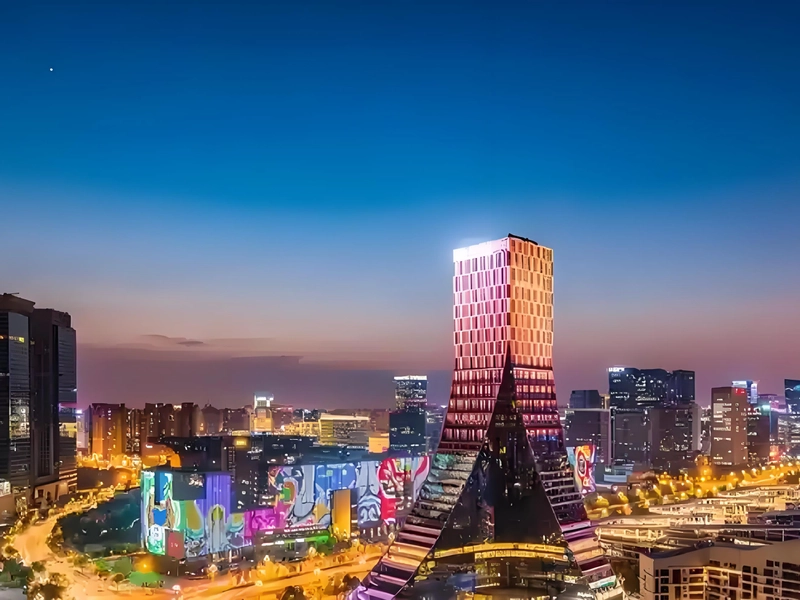
Chengdu stands out for its openness, creativity, and cultural confidence, attracting young talent and global innovators. Creative coffee shops, cultural markets, independent bookstores, and graffiti streets provide platforms for expression and idea exchange. Art performances, international festivals, and digital cultural industrial parks continuously emerge, shaping multi-dimensional urban vitality. High-tech zones, financial districts, and electronic information industry parks allow Sichuan to assert strong competitiveness in artificial intelligence, big data, aerospace, and other advanced fields. Travelers following a Sichuan travel guide will find that the modern city blends culture, innovation, and leisure in dynamic ways.
Lifestyle, Leisure, and Urban Rhythm
Modern lifestyles add further richness to Sichuan travel experiences. On weekends, young people cycle along the Jinjiang greenway, explore Tai Koo Li and Kuanzhai Alley, enjoy creative crafts, and savor specialty dining. At night, bar streets reminiscent of Lan Kwai Fong, bustling night markets with spicy street food, and riverside cafes with literary ambience create vibrant city life. Whether embracing the unhurried pace of leisure or the fast rhythm of entrepreneurship and innovation, Sichuan attractions offer ample space and freedom for all visitors.
The Modern Face of Ancient Shu
Modern Sichuan tourism reflects a dialogue between history and the present—a resonance between ancient Shu civilization and contemporary technological and cultural currents. Walking through streets and neighborhoods, one experiences the leisure of teahouses alongside the vitality of innovation parks; admires historical architecture while engaging with contemporary art trends. Every street, community, and park bears witness to the intertwining of Sichuan cultural experiences and the modern spirit of Tianfu.
Modern Sichuan exudes a distinctive temperament: leisurely yet persistent, strong yet flexible, tradition and modernity coexisting. It is a city full of wisdom, inclusiveness, and vitality—a living canvas narrating how the land of ancient Shu continues to innovate and thrive in the new era.
Seeing Is Believing: Experiencing the Flavors of Sichuan
The flavors of Sichuan, China extend far beyond the tongue—they are deeply engraved in culture, emotion, and the spirit of the land. The numbing of Sichuan peppercorns and the heat of chili peppers intertwine into a complex rhythm of taste, making every bite feel like an encounter with life’s passion and resilience. On a spiritual level, the poetry of Du Fu resonates with the flowing waters of Dujiangyan, allowing visitors following a Sichuan travel guide to sense both historical weight and the dynamic flow of nature and human ingenuity. Slow and steadfast, leisurely yet resilient—these seemingly contradictory forces are artfully harmonized in Sichuan cuisine and culture, forming a unique cadence: the wisdom to face life calmly, even after enduring storms. As locals often say, “Ba shi de ban”—not just a pleasure of taste, but an attitude of ease, confidence, and love for life, a symphony where ancient history meets modern vitality.
A Three-Dimensional Cultural Experience
Sichuan is more than a land—it is a multi-sensory cultural journey. The local philosophy of life emerges in the unhurried tea-sipping of elders in Sichuan teahouses, in the lively exchanges at creative markets, and in the communal joy around a Sichuan hotpot table. It is reflected in the mist-shrouded serenity of Mount Emei and Qingcheng Mountain, key Sichuan attractions for travelers exploring Sichuan tourism. Every street, temple, and landscape whispers the wisdom of Sichuan cultural experiences: respect for nature, cherishing the present, embracing diversity while remaining steadfast and resilient.
Multi-Sensory Flavors of Life
The taste of Sichuan extends to the visual, auditory, and sensory realms. The turquoise lakes of Jiuzhaigou, mirrored by verdant forests, the shimmering pools of Huanglong, the soaring high-pitched arias and instantaneous face-changing of Sichuan Opera, and the rising steam from bubbling hotpots converge into a richly layered tableau of life. This multi-sensory experience allows Sichuan sightseeing to be not just seen or tasted, but felt, experienced, and remembered.
A Fusion of Leisure, Nature, and Creativity
Step into Sichuan travel, and you will find its flavors are a fusion of slow life and fast pace, natural endowment and human creativity, relaxed leisure and vibrant energy. Every mountain, river, and city tells a story unique to Sichuan, China—of diligence and wisdom, resilience and tenderness, history and modernity intertwined. It is a profound philosophy of life and a uniquely Chinese form of wisdom.
We invite travelers to journey into Shu, to experience this land where leisure meets dynamism, resilience meets tenderness. Touch the warmth of everyday life, hear the echoes of history, feel the depth of culture, and savor the intensity and calm of existence. The flavors of Sichuan cuisine, its teahouses, opera, landscapes, and festivals extend beyond taste—they are an echo of the heart, a harmonious symphony where ancient Shu civilization and contemporary vitality come together to celebrate the joy of Tianfu.
Related Vocabulary
| Chinese | Pinyin | English |
|---|---|---|
| 四川 | Sìchuān | Sichuan |
| 天府之国 | Tiānfǔ zhī guó | Land of Abundance |
| 成都 | Chéngdū | Chengdu |
| 乐山 | Lèshān | Leshan |
| 峨眉山 | Éméi Shān | Mount Emei |
| 九寨沟 | Jiǔzhàigōu | Jiuzhaigou |
| 黄龙 | Huánglóng | Huanglong |
| 都江堰 | Dūjiāngyàn | Dujiangyan (Irrigation System) |
| 巴蜀文化 | Bāshǔ wénhuà | Bashu culture |
| 茶馆 | chá guǎn | teahouse |
| 四川火锅 | Sìchuān huǒguō | Sichuan hotpot |
| 麻辣 | málà | numbing and spicy |
| 川剧变脸 | Chuānjù biàn liǎn | Sichuan opera face-changing |
| 大熊猫 | dà xióngmāo | giant panda |
| 竹编 | zhú biān | bamboo weaving |
| 慢生活 | màn shēnghuó | slow life / leisurely life |
FAQ: Exploring Sichuan — Land of Abundance
Q1: Why is Sichuan called the “Land of Abundance”?
Sichuan earned this name due to its fertile lands, abundant water sources, rich culture, and thriving agriculture. From lush rice fields to bamboo forests, the region blends natural gifts with centuries of human ingenuity, making it a hub of cultural and culinary wealth.
Q2: What are the must-try foods in Sichuan?
Sichuan cuisine is famous for bold flavors—numbing Sichuan peppercorns, fiery chilies, and savory doubanjiang. Popular dishes include hotpot, dan dan noodles, maocai, rabbit head, and feichang noodles. Street food and teahouse snacks are perfect for tasting local life.
Q3: Can I experience Sichuan tea culture?
Yes! Chengdu teahouses are iconic spaces where locals gather to sip tea, play mahjong, and chat leisurely. Famous teas like Mengding and Zhuyeqing offer a taste of traditional Bashu elegance and the philosophy of slow living.
Q4: What are the top scenic spots in Sichuan?
Key attractions include Mount Emei, Qingcheng Mountain, Jiuzhaigou, Huanglong, the Leshan Giant Buddha, and the Dujiangyan irrigation system. Each site combines natural beauty with cultural and spiritual significance.
Q5: Can I hike and explore nature in Sichuan?
Absolutely! Sichuan offers diverse outdoor adventures—from mountain trails and panda reserves to riverside walks. Visitors can enjoy both serene landscapes and challenging hikes while experiencing ecological consciousness.
Q6: Where can I experience Sichuan culture beyond food?
Sichuan opera, with its face-changing art, folk festivals, paper-cutting, bamboo weaving, and temple fairs, offers a multi-sensory cultural journey. Street markets and local celebrations provide an authentic glimpse into everyday life.
Q7: Is Sichuan suitable for modern city exploration too?
Yes! Chengdu, Mianyang, and Deyang showcase modern vitality—high-tech zones, creative coffee shops, cultural markets, and night life blend seamlessly with historical temples and traditional streets.
Q8: Can visitors experience the history of Sichuan civilization?
Definitely! Sites like Sanxingdui, Jinsha, Wuhou Shrine, and ancient Shu ruins reveal Bronze Age artistry, Three Kingdoms history, and Tang-Song literary heritage. Every step tells a story of resilience, culture, and innovation.