Shanxi — An Epic of Three Jin's Elegance
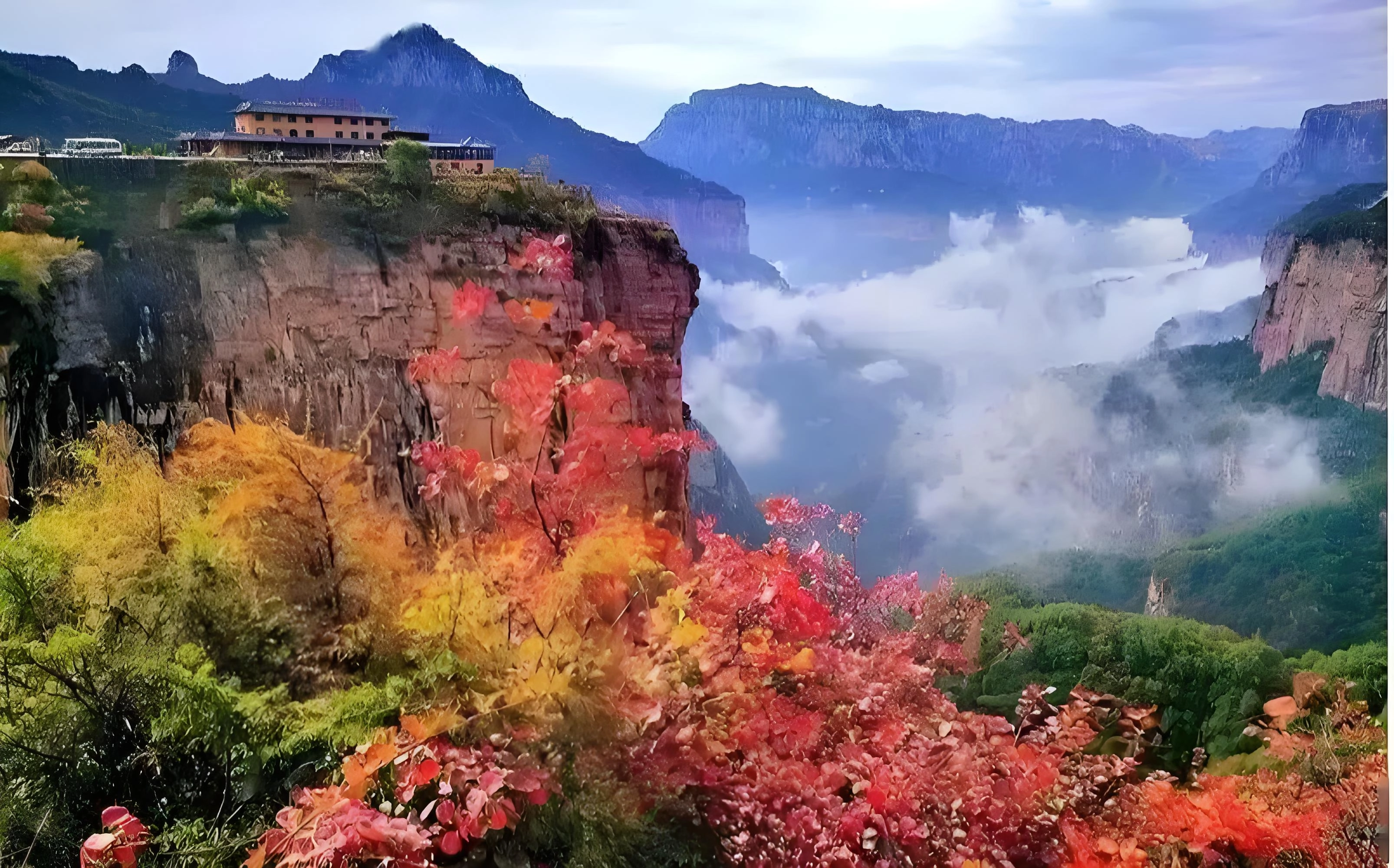
On the vast canvas of Chinese civilization, Shanxi has never been merely a tourist destination. It is, rather, a wordless history book that demands quiet contemplation and heartfelt reading. Its eleven cities, stretching from north to south, are eleven magnificent yet interconnected volumes in this grand tome. From the Buddhist pagodas and shadows of the northern frontier to the ancestral temples of southern Shanxi; from the deep courtyards of the Jin merchants to the majestic Taihang Mountains' grand canyons—each city is a silent poet, composing millennia-old epics with earth, wood, brick, and stone. To set foot on this land is to cease being an ordinary passerby and become a reverent pilgrim, embarking on a dialogue with an ancient civilization across time and space.
The Character of Shanxi: Mountains and Rivers as Its Backbone, Climate as Its Soul
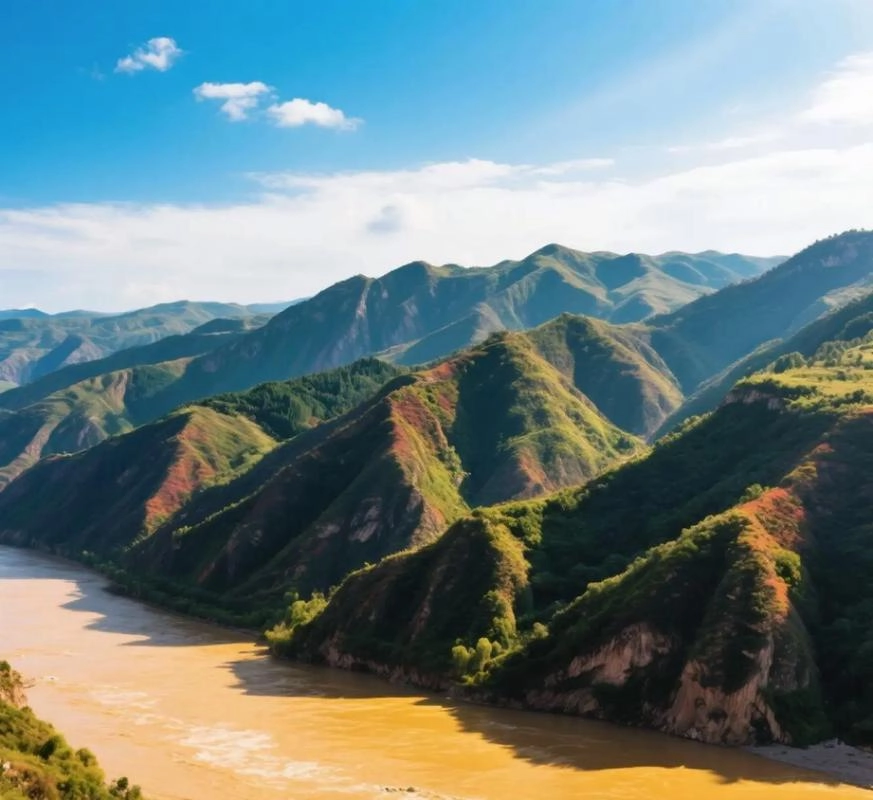
To understand the elegance of Shanxi's eleven cities, one must first understand the stage that nurtured this elegance—its unique topography and climate. Shanxi, as its ancient name "Shanyou" (Right of the Mountains) implies, is a colossal natural fortress meticulously sculpted by mountains and rivers, a three-dimensional painting that narrates the story of the Loess Plateau through the turning seasons.
Topography: The Grand Pattern of "Mountains and Rivers Within and Without"Shanxi's terrain is a majestic epic composed by the Taihang Mountains, Lüliang Mountains, Yellow River, and the Loess Plateau.
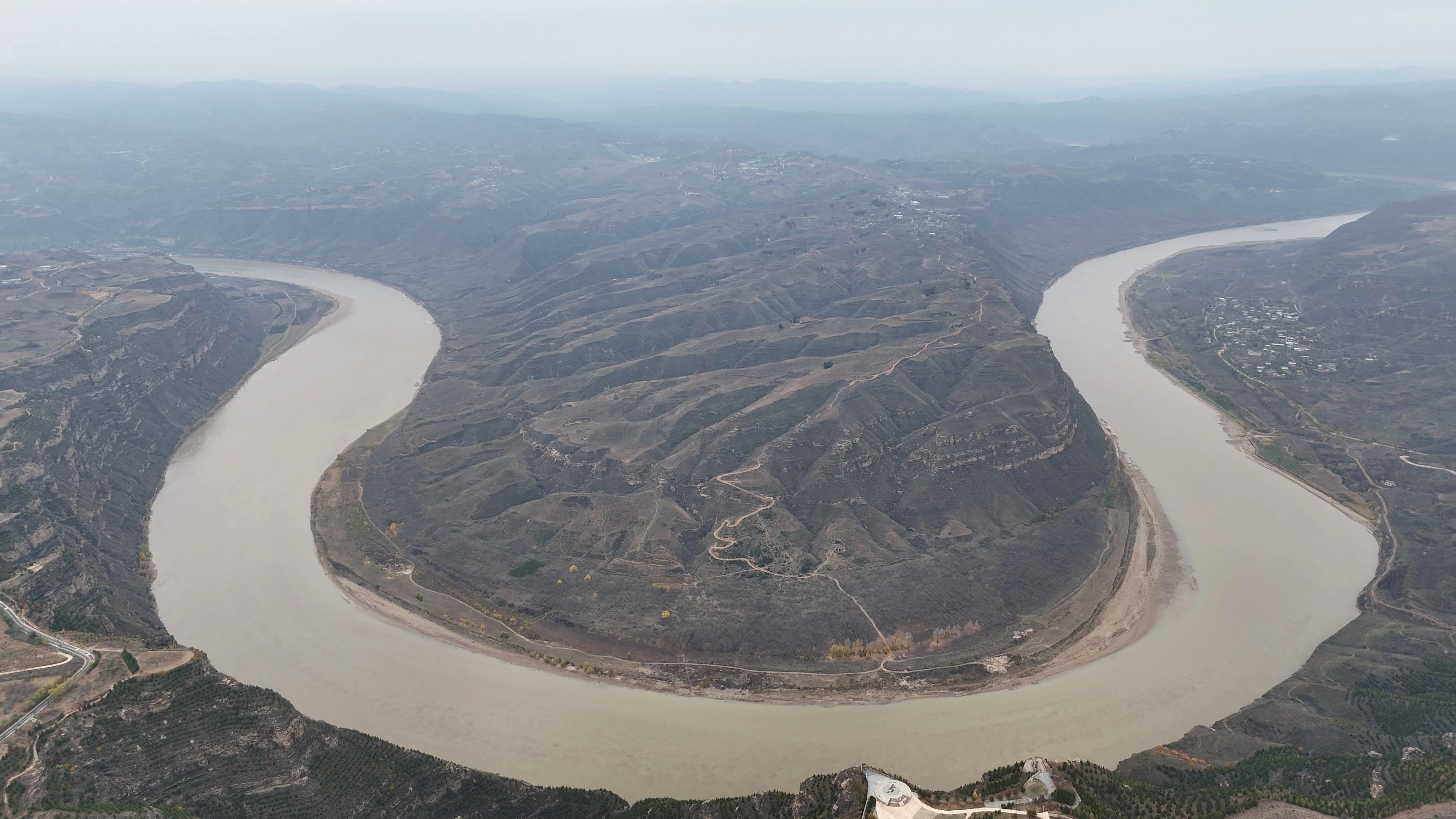
Climate: The Northern Ballad of Four Distinct Seasons
Shanxi experiences a typical temperate continental monsoon climate with four distinct seasons, each possessing its own unique character and charm.
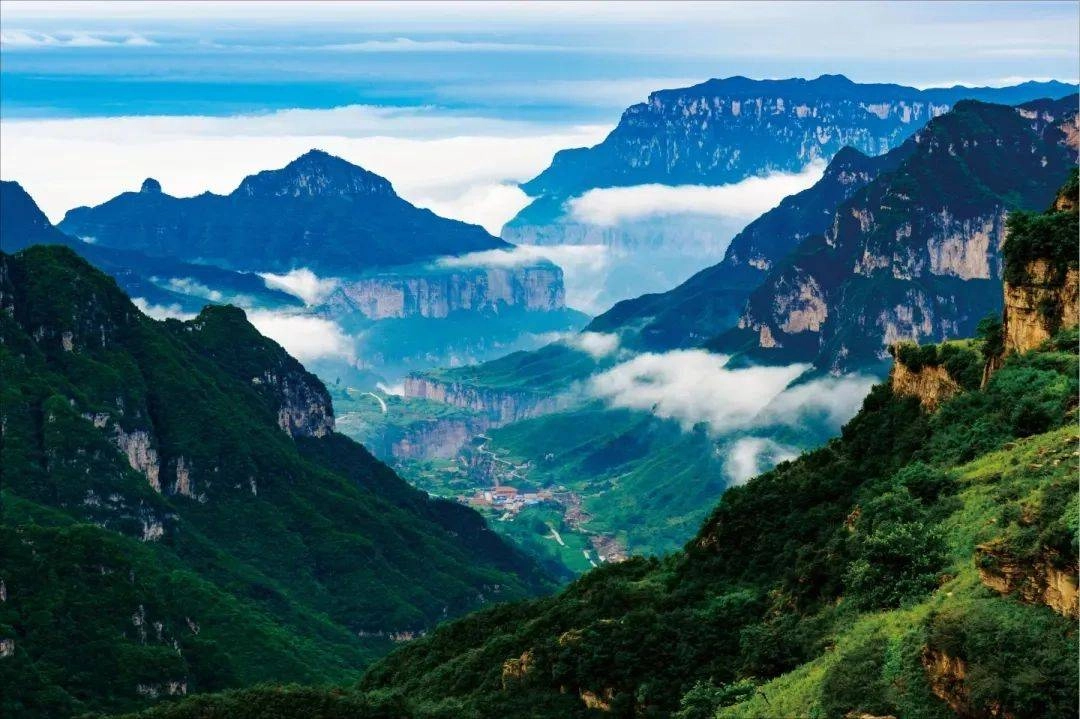
Spring (March-May): A season of renewal, but also often windy and dusty. Especially in the north, the "caress of the spring breeze" may carry the scent of loess. Mountain flowers bloom in succession, filling the season with vitality.
Summer (June-August): Hot and rainy, but not as humid and muggy as the south. Mountainous areas (like Wutai Mountain and the Taihang Mountains) are excellent summer resorts, cool and pleasant. Note that summer rainstorms can cause flash floods in valleys.
Autumn (September-November): This is the golden season of the year. The skies are high and clear, the air is crisp, and visibility is excellent. Golden poplars and fiery red smoke trees adorn the mountains with brilliant colors. It is the perfect time for hiking and enjoying panoramic views or exploring ancient architecture.
Winter (December-February): Cold and dry, with biting north winds. Northern Shanxi has a long snowy season; places like Wutai Mountain and Hengshan Mountain are draped in silver snow, possessing a uniquely serene and holy atmosphere. This is also the best time to experience the New Year's atmosphere of the Jin merchants' grand courtyards, when "the red lanterns hang high."
The "mountains and rivers within and without" of Shanxi have not only defined its geographical contours but have also profoundly shaped its cultural character—blending the resilience and steadiness of the Taihang Mountains with the openness and inclusiveness of the Fen River valleys. Its four distinct seasons, in turn, endow this profound land with a flowing poetry. Understanding all this, the Shanxi you perceive will no longer be mere coordinates on a map, but a living entity with character, warmth, and five thousand years of breath.
The Elegance of Shanxi's Cities
Shanxi, this weighty history book, has each of its chapters written by its eleven constituent cities. From the northern frontier fortresses to the fertile lands of southern Shanxi, each city is a brilliant pearl, strung together to form a necklace of five thousand years of Chinese civilization. Let us temporarily set aside the grand concept of "Shanxi" and step into these vibrant cities to listen to their individual stories. If some places are for leisure and vacation, then Shanxi is for "reading" and "pilgrimage." It is a heavy historical tome, where every brick and tile is inscribed with stories. To enter Shanxi is to embark on a journey through a thousand years of time and space.
Taiyuan: The Imposing Aura of an Opening Chapter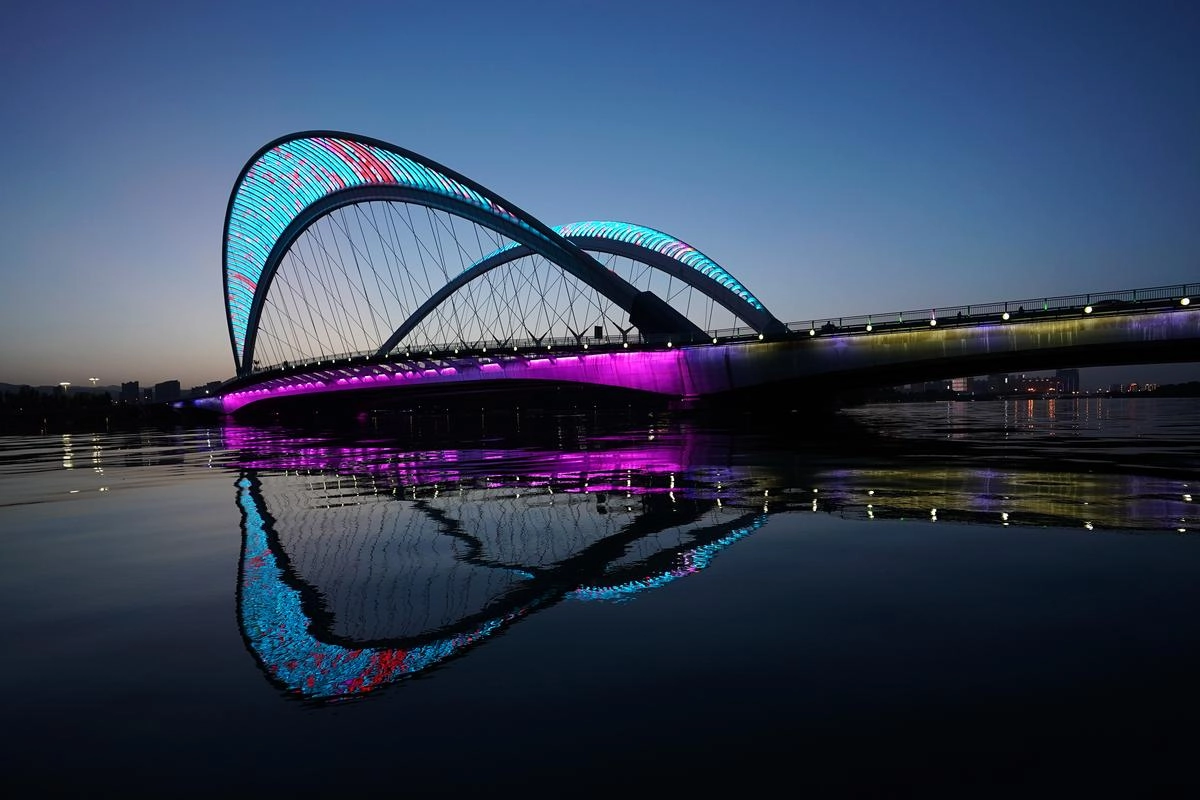
As the provincial capital, Taiyuan is the prologue of this history book. It is not a gentle introduction but arrives with the imposing aura of "controlling the mountains and rivers, occupying the strategic back of the empire." Here, the "Jin Temple," the sacred source of Shanxi's civilization, flows with the waters of the Nanlao Spring and is guarded by the Maiden Servant Statues, witnessing the legacy of Tang Shuyu's territorial expansion. The walls of the "Ancient Taiyuan County Town" silently record the founding of the Li-Tang Dynasty. To read Taiyuan is to read about ambition and foundation, the steady heartbeat of a cradle of civilization.
Datong: The Smiling Buddha-Land of the Northern Wei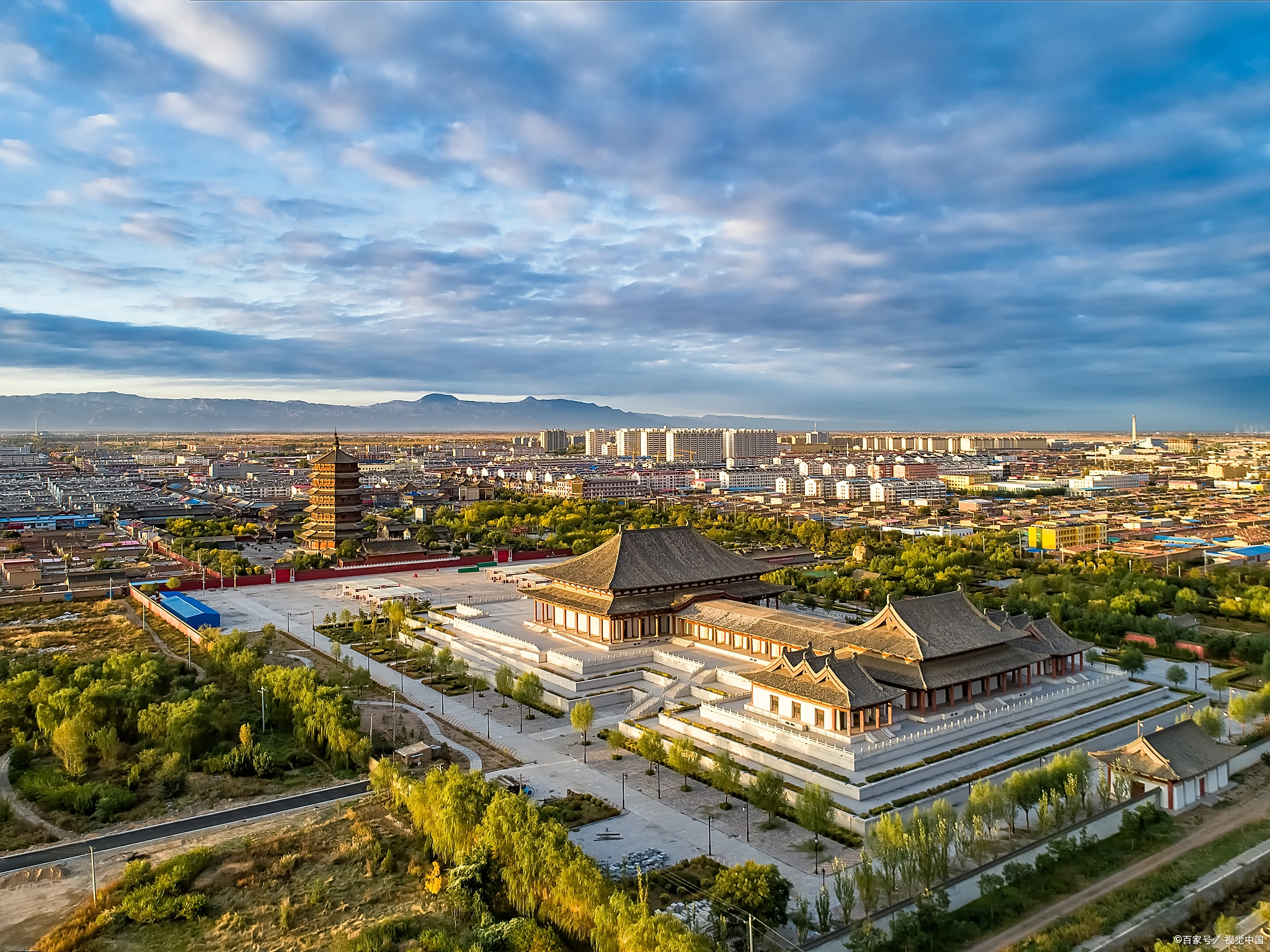
Turning the page northward, we find Datong. Here, the rugged winds of the northern frontier harmonize with the exquisitely carved chants of a Buddha-land. The Yungang Grottoes are the most glorious relief sculptures in this history book. Each Buddha statue embodies the ambition and piety of the Northern Wei Dynasty; their smiles, traversing fifteen hundred years, are enough to melt the anxieties of any era. Meanwhile, the Hanging Temple is the ultimate fantasy where ancient people combined imagination and mechanics—a tangible incarnation of the verse "a perilous tower a hundred feet high, where hands can pluck the stars." To read Datong is to read ethnic integration, artistic pinnacles, and humanity's questioning of the heavens in faith.
Pingyao: The Financial Code of the Jin Merchants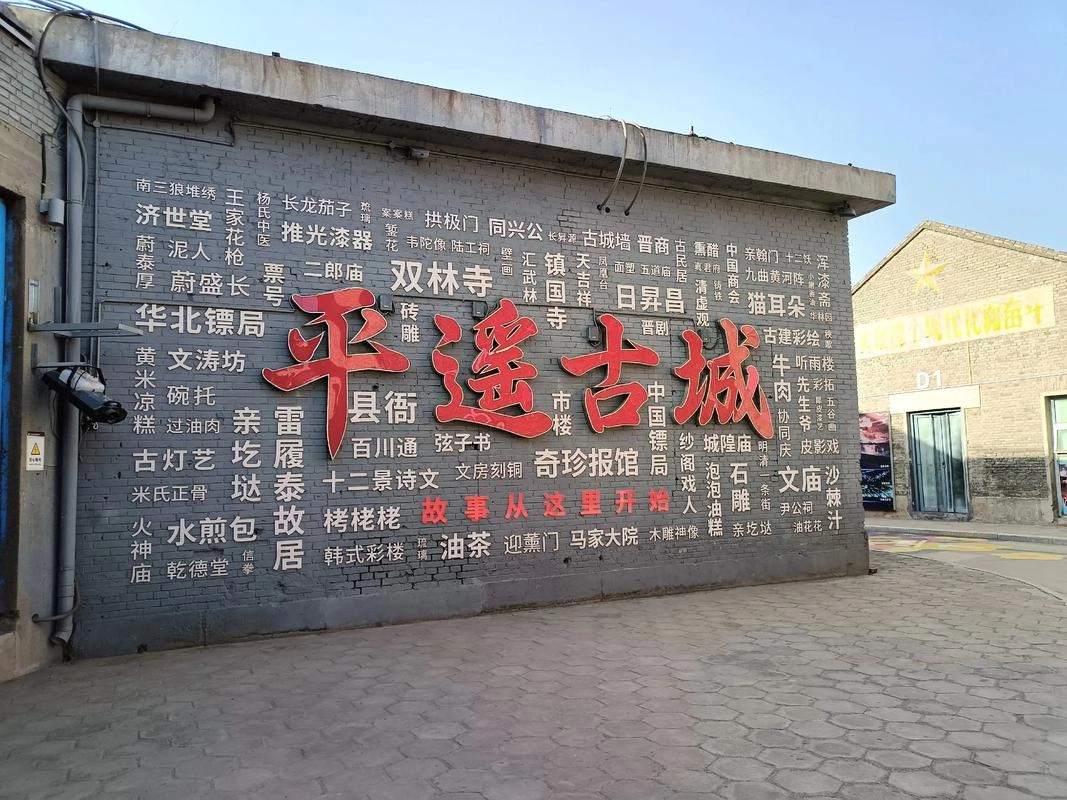
Continuing south, we enter Pingyao. This chapter is written in codes and silver. This "living ancient city" seems to freeze time in the Ming and Qing dynasties. Before the counter of the Rishengchang Draft Bank, one can almost still hear the clatter of the abacus; this place once managed the economic lifeblood of the Qing Empire. Walking along its intact walls and streets, you touch not cold bricks and stones but the ambition and integrity of "remittance connecting the world." To read Pingyao is to read the wisdom of wealth, the legend of commerce, a tale of a "Wall Street" that never truly left.
Yuncheng: The Ancient Roots of Civilization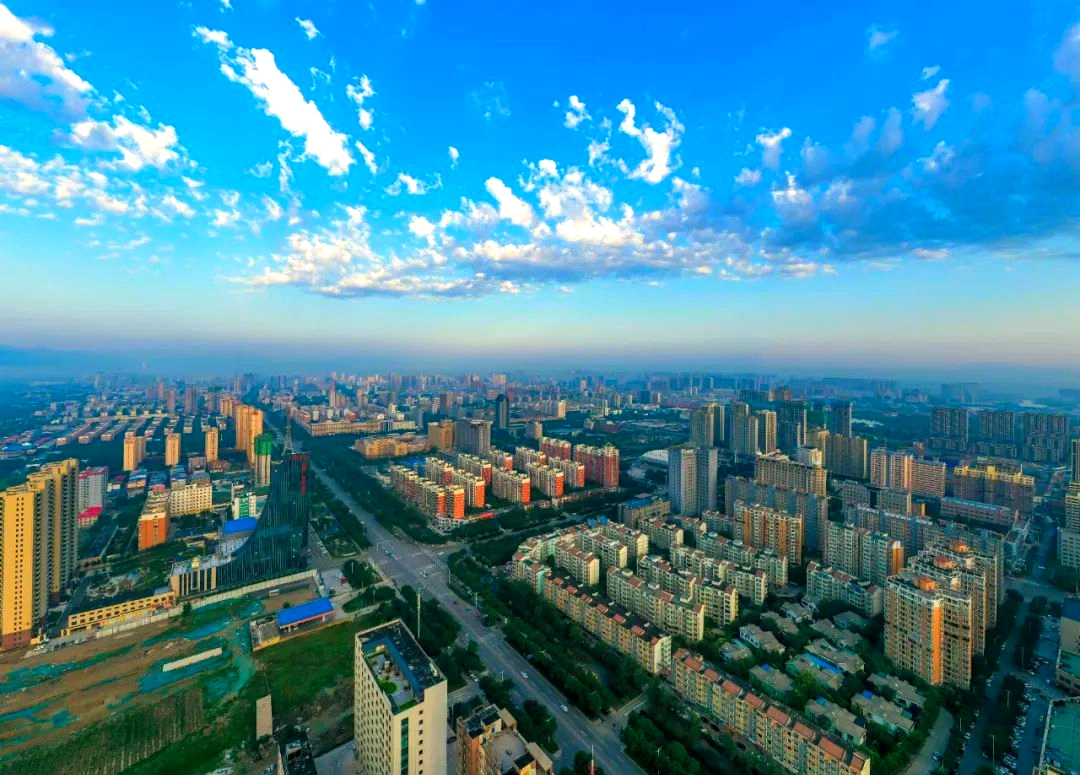
Arriving in Yuncheng in southern Shanxi, we turn to the oldest frontispiece of the history book. This is the very taproot of Chinese civilization. Emperors Yao, Shun, and Yu established their capitals here; Leizu sericulture here; Houji taught the people farming here. The salt of the Yuncheng Salt Lake nurtured the earliest ancestors; the loyalty and righteousness of Guan Yu shaped a spiritual totem for millennia. In Yuncheng, every inch of ground beneath your feet may conceal an epic. To read Yuncheng is to encounter the earliest contours and heartbeat of what would become "China."
Other Cities: Scattered Sparks of Civilization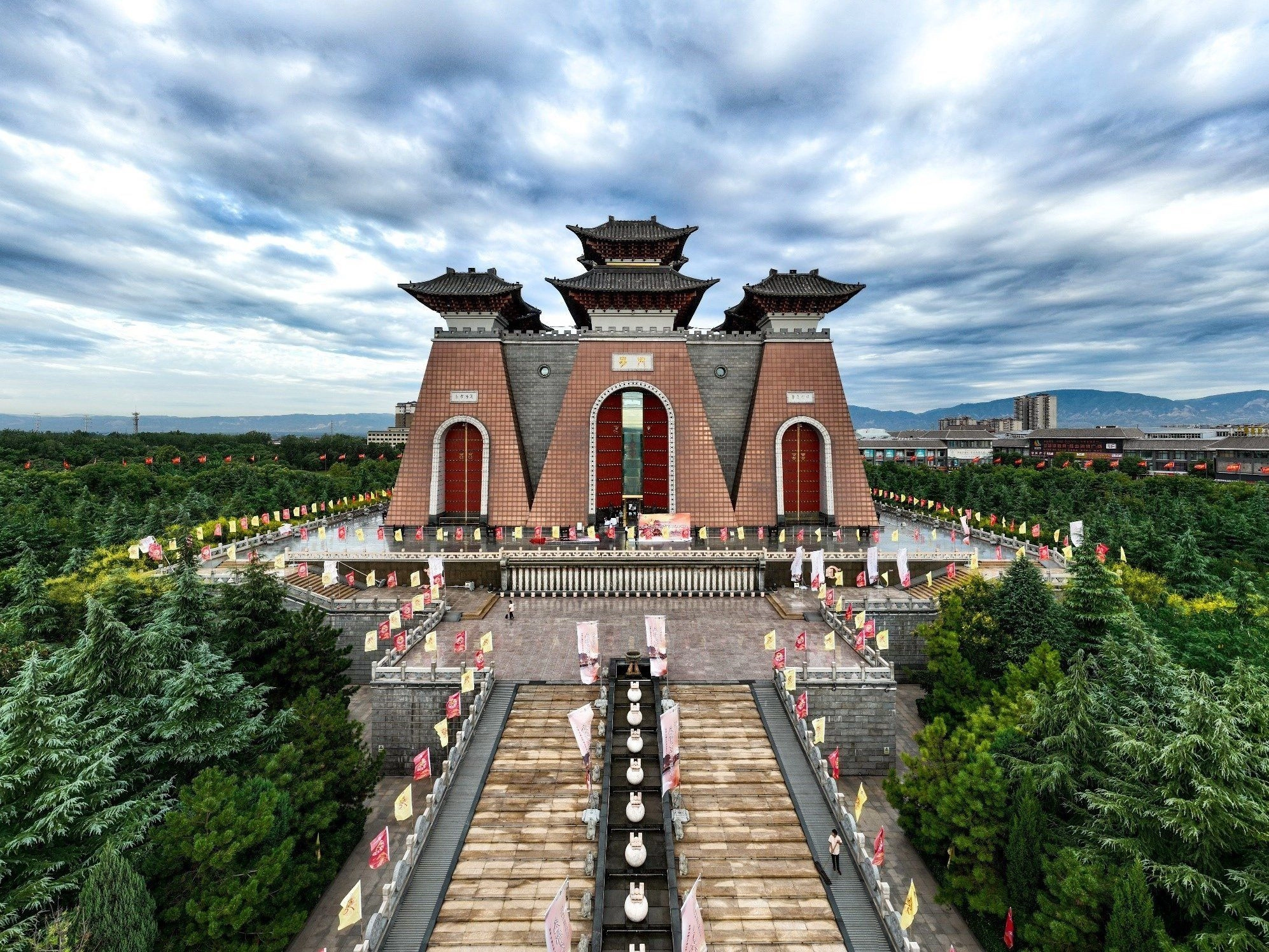
Yet this history book extends far beyond these four famous cities. Under the shelter of the Taihang Mountains, Changzhi and Jincheng hide the essence of wooden architecture from the Five Dynasties, Song, Jin, and Yuan periods—the most secluded treasures of the "above-ground museum." Jinzhong holds not only Pingyao but also the deep courtyards of numerous Jin merchant mansions, whispering secrets of family rise and fall. Linfen's monumental "China Gate" proclaims the ambition of the "First Gate Under Heaven," while the Hongtong Great Pagoda Tree carries the nostalgia of half of China. In Xinzhou, the Buddhist light and the tolling bells of Wutai Mountain soothe the souls of countless pilgrims. Lüliang writes of the Loess Plateau's resilience and bold spirit with the surging Yellow River and the majestic Northern Wudang Mountain. Finally, Yangquan's Niangzi Pass and Shuozhou's Shakou Pass jointly guarded the northern gate of the Central Plains, their echoes of clashing arms and armored horses still lingering.
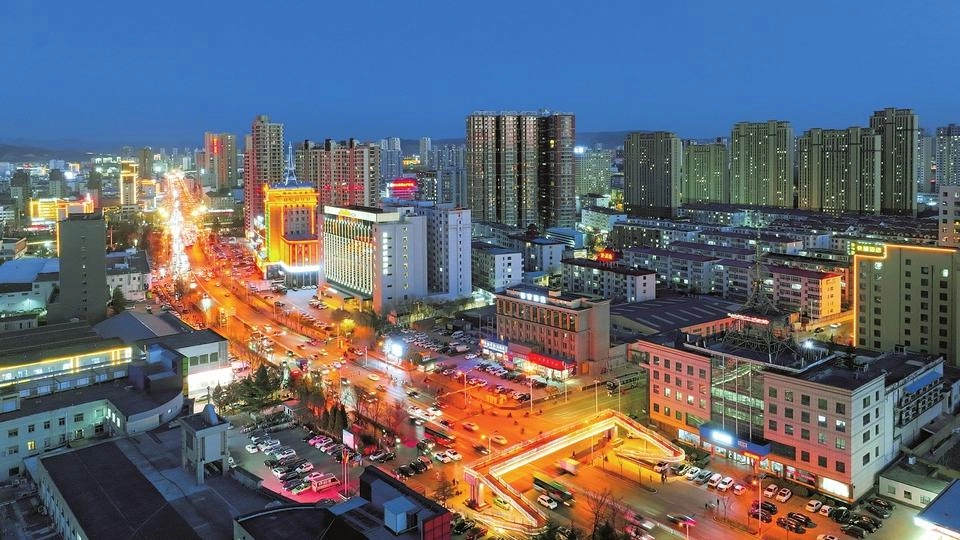
The eleven cities of Shanxi are eleven brilliant yet interconnected chapters. Together, they form a profound, rich, and three-dimensional "cultural universe." Here, you are not an ordinary tourist but a reverent reader, measuring history with your steps, engaging in dialogue with millennia through your gaze.
Shanxi's Scenic Wonders and Historic Sites
An Epic in Wood and Earth: Millennia in a Single GlanceIn Shanxi, even the most common structures of wood and earth can be timeless national treasures.
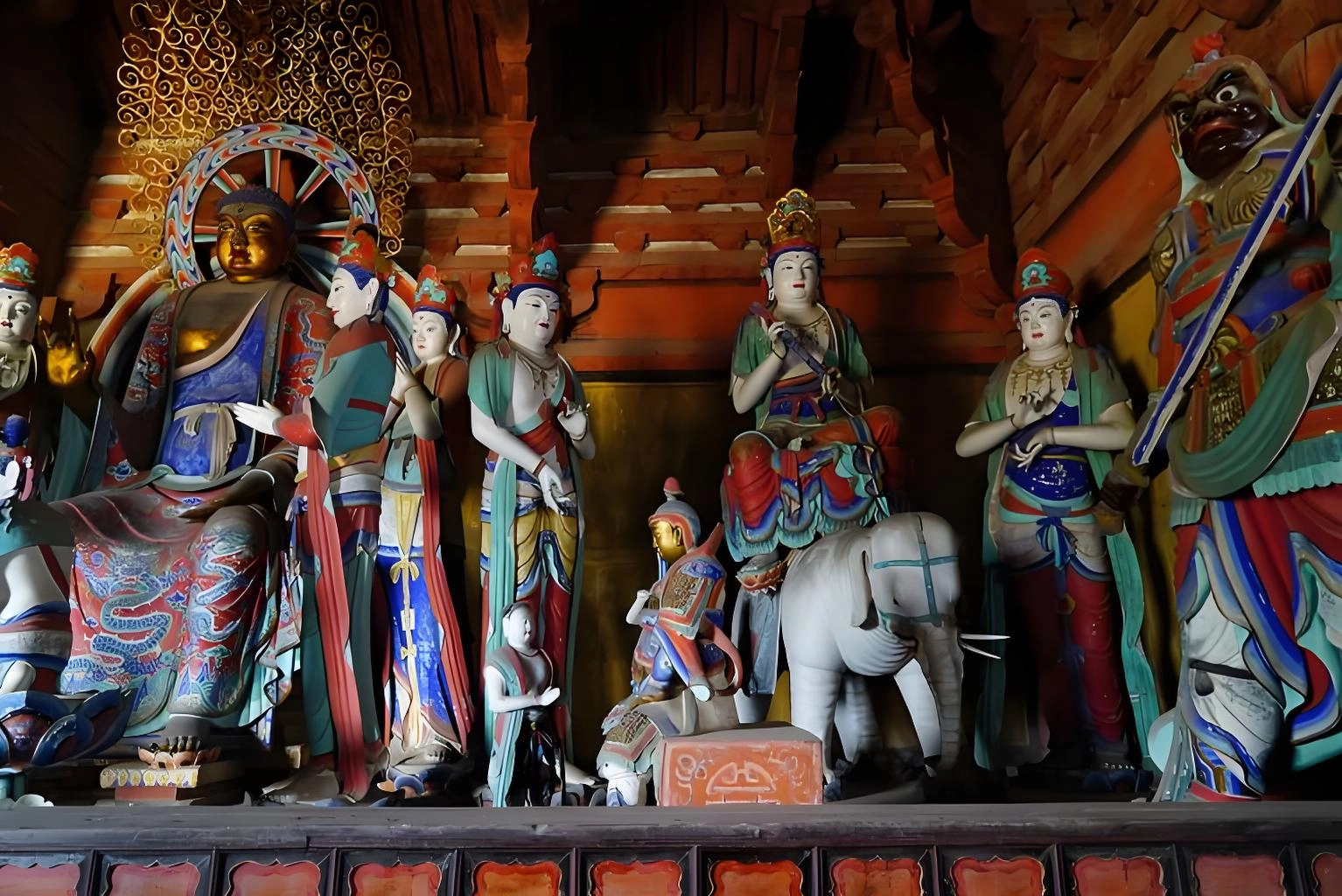
East Hall of Foguang Temple: Hailed as "China's National Treasure No. 1," it stands silently outside the core area of Wutai Mountain. Deceptively plain in appearance, it is the Tang Dynasty wooden structure discovered by Liang Sicheng and Lin Huiyin. Pushing open its door is to encounter the High Tang era from 1,200 years ago.
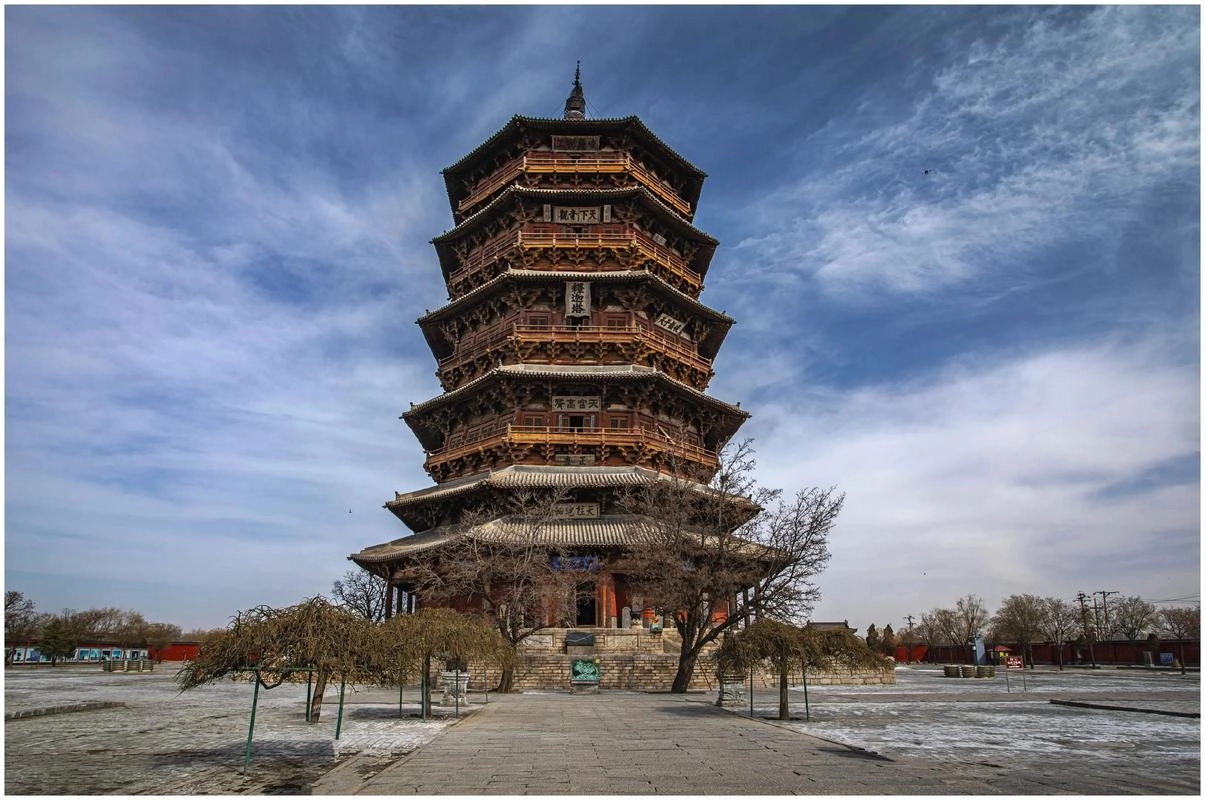
Yingxian Wooden Pagoda: A veritable "miracle of wooden architecture." Built entirely of wood without a single nail or rivet, it has weathered centuries of storms, wars, and earthquakes, standing tall to this day.
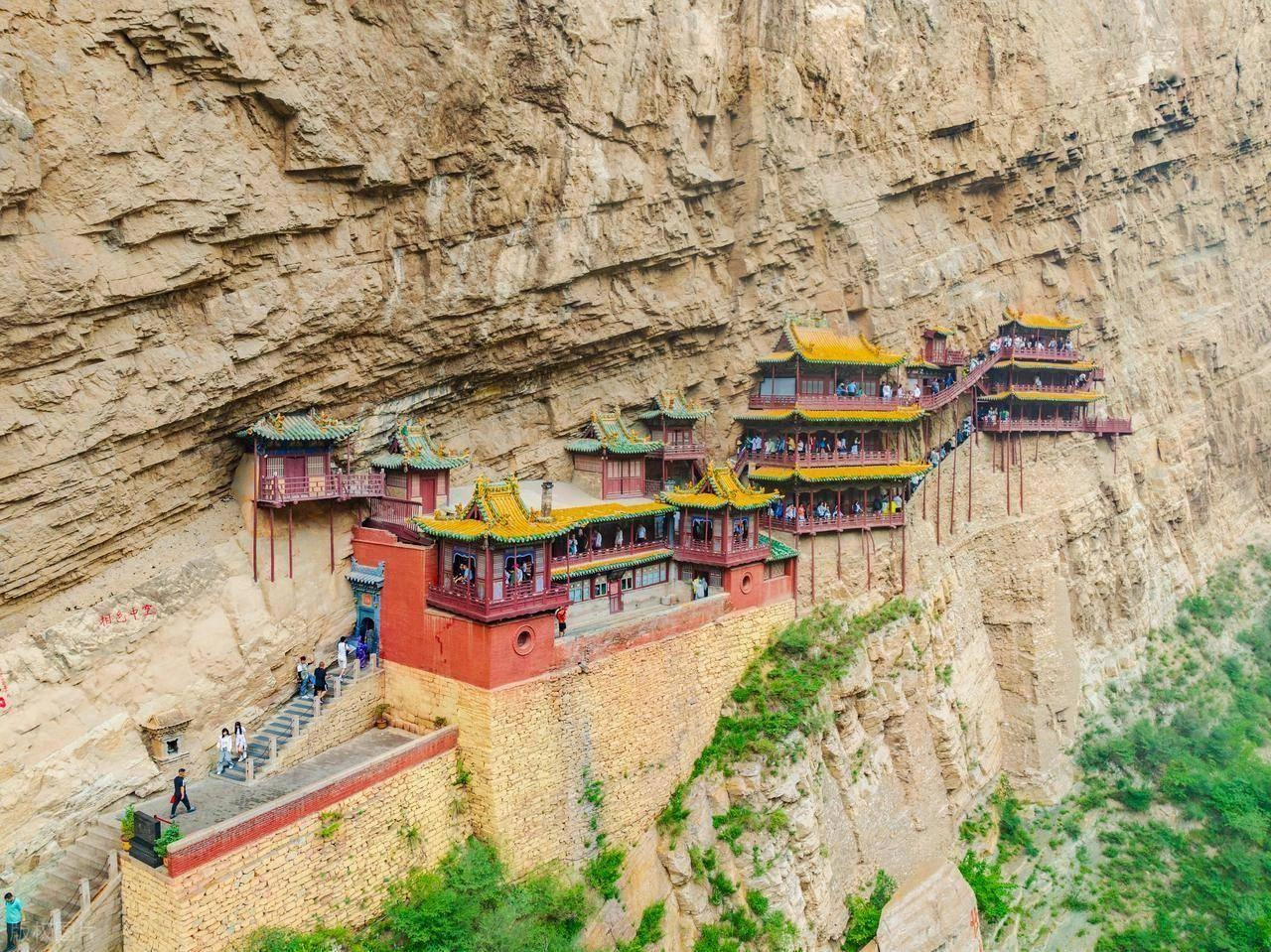
Hanging Temple (Xuankong Si): A "temple in the sky." Nestled into a cliff face on Mount Heng, its halls appear to float in mid-air, supported only by a few seemingly slender wooden pillars.
The Soul of the Jin Merchants: Remittance Connecting the WorldBegin in Pingyao to trace the legend of the Jin merchants, who "dominated trade for five centuries, amassing wealth known both domestically and abroad."
Shanxi is the cradle of the Sinicization of Buddhist art.
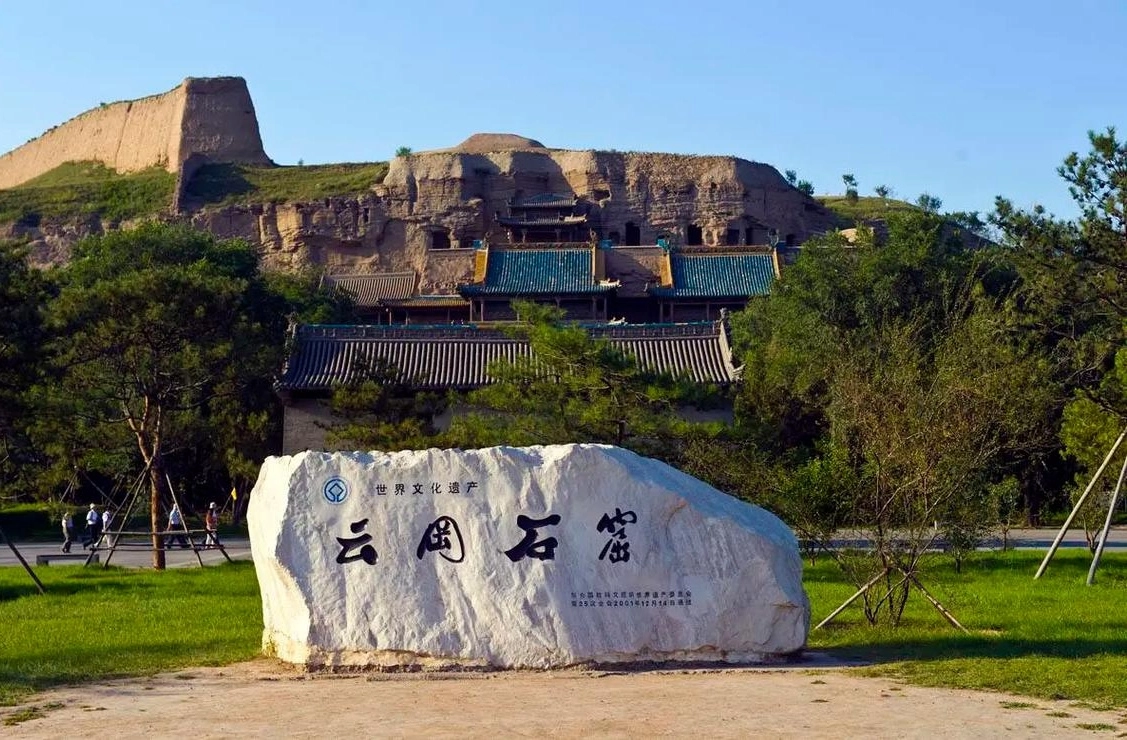
Yungang Grottoes: Along with Dunhuang's Mogao Caves and Luoyang's Longmen Grottoes, they form China's three great treasure troves of grotto art. They represent the imperial style of the Northern Wei Dynasty.
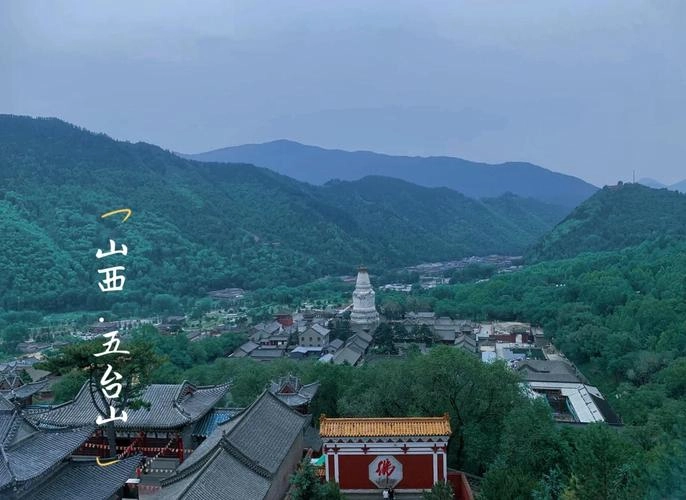
Wutai Mountain: A UNESCO World Heritage Site and China's only sacred Buddhist mountain where Han Chinese and Tibetan Buddhism traditions coexist. Bustle gives way to profound tranquility.
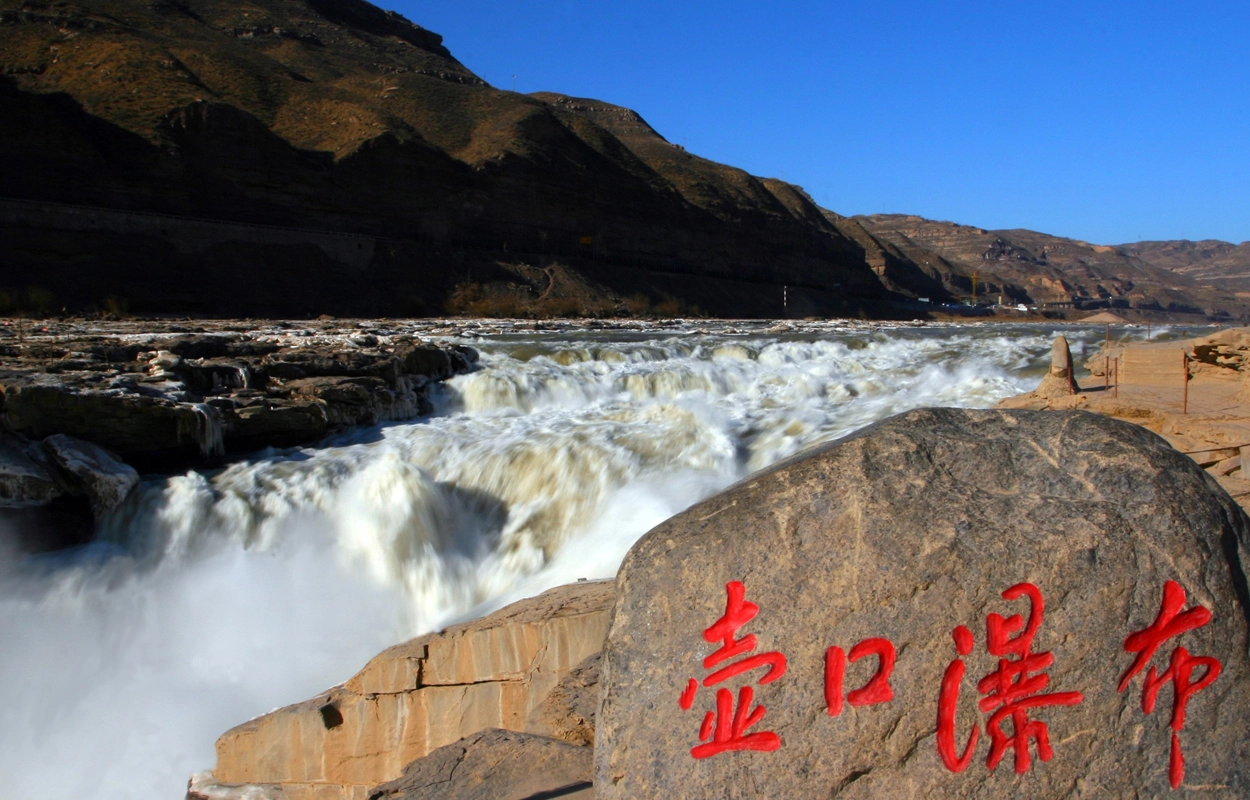
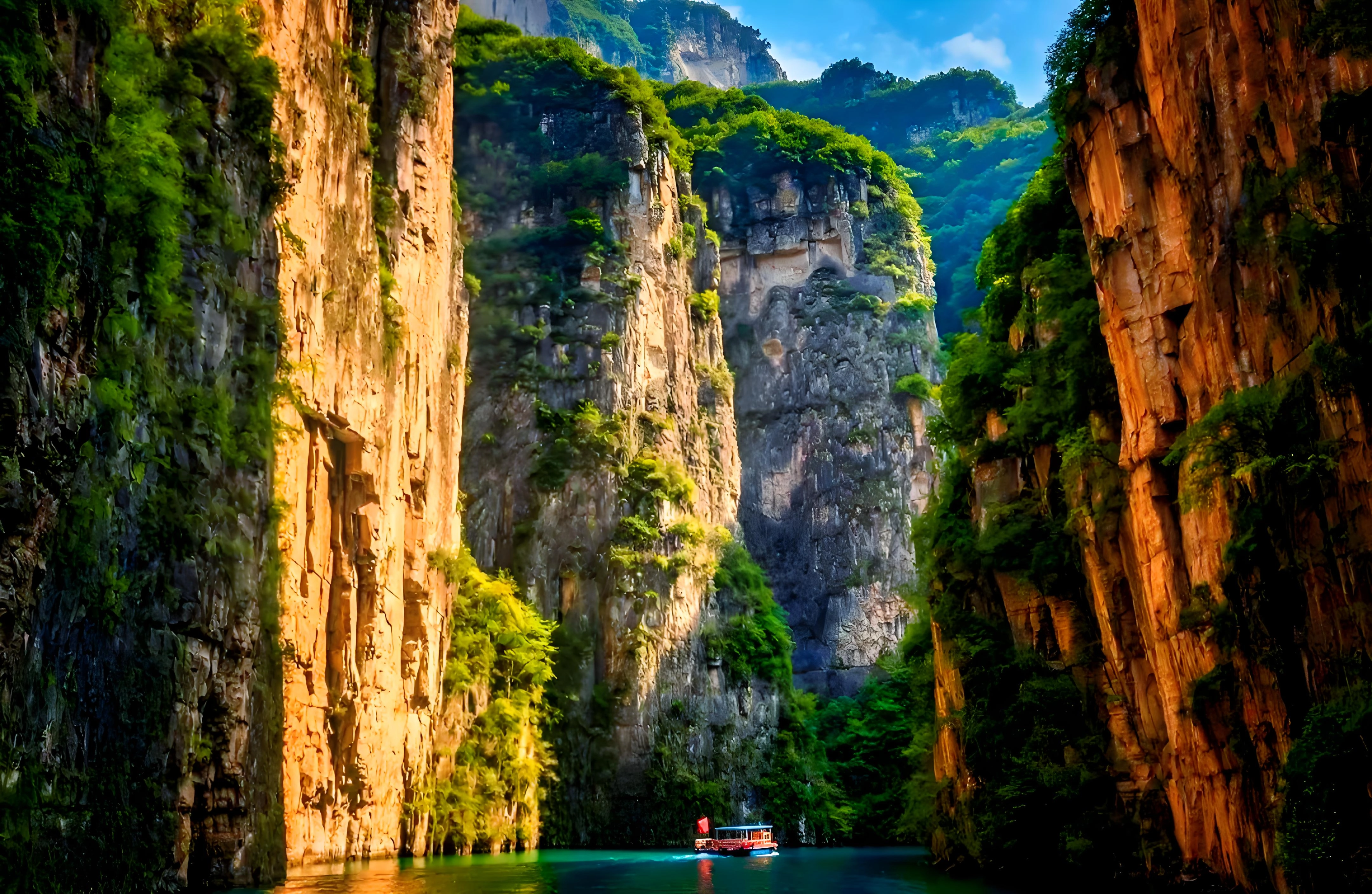
Majestic Landscapes and the Flavor of the LoessThe very terrain of Shanxi is a magnificent scroll painting.
Shanxi's Cuisine and Specialties
A Culinary Epic on the Tip of the TongueThe flavors of Shanxi defy simple summary as a "carb feast." It is an unwritten history book penned with grains, a culinary philosophy born from the loess soil and the ingenuity of its people.
The Kingdom of Noodles: A Hundred Forms, One EssenceIn Shanxi, noodles are the undisputed sovereign. With over a thousand variations, each shape carries a unique code of local character.
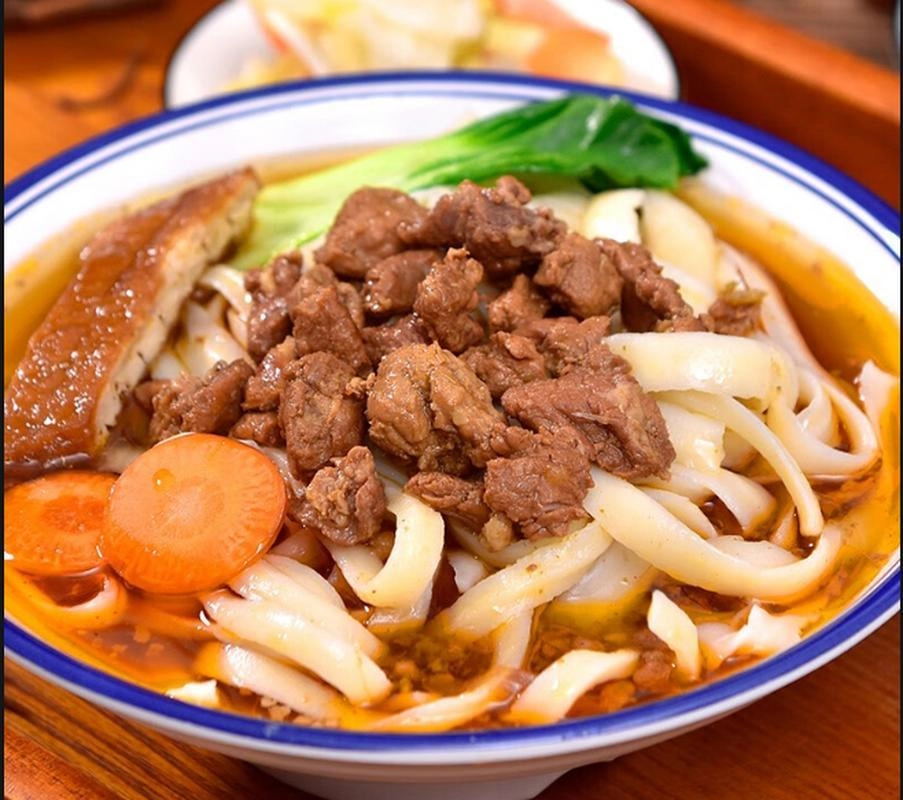
Daoxiaomian (Sliced Noodles): Hailed as the "King of Noodles." The chef deftly handles a block of dough, swiftly slicing leaf-shaped strands directly into the boiling pot with a special knife.
Youmian Kaolaolao (Steamed Oat Rolls): This wholesome coarse grain dish embodies the hardy, simple character of the Yanbei region. Paper-thin oat dough sheets are rolled into small tubes and arranged neatly like honeycomb.
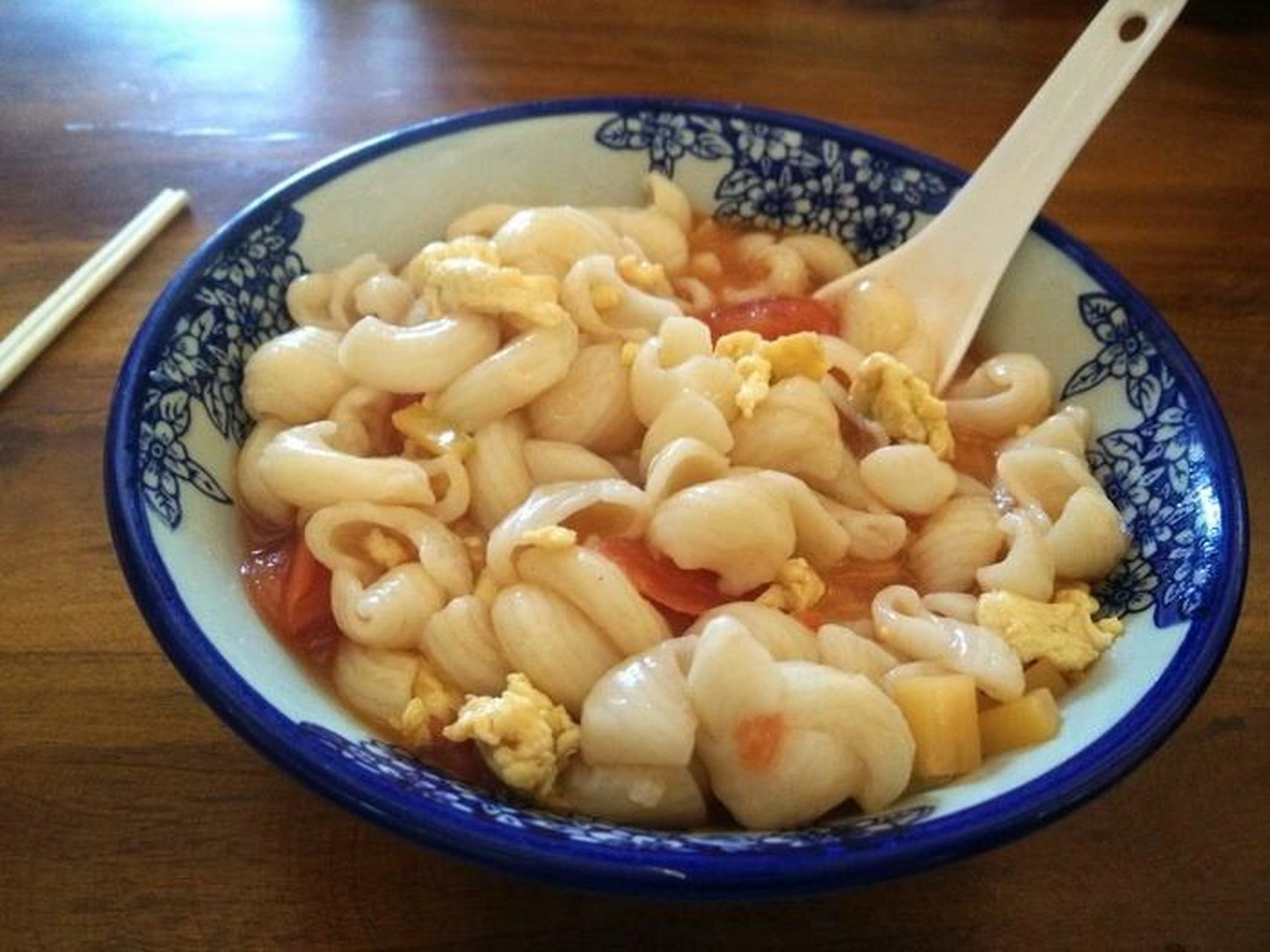
Tijian, Cajian, and Mao Erduo: The skilled hands of Shanxi homemakers can transform dough into endless forms. Paired with different toppings and sauces, they create a vibrant and diverse noodle universe.
The Character of Jin Cuisine: Vinegar as the Finishing TouchThe essence of Jin cuisine lies in its simplicity, robustness, and the wisdom embedded in its tangy, aromatic flavors.
The true soul of Shanxi's food scene lies in the vibrant energy of its common streets and lanes.
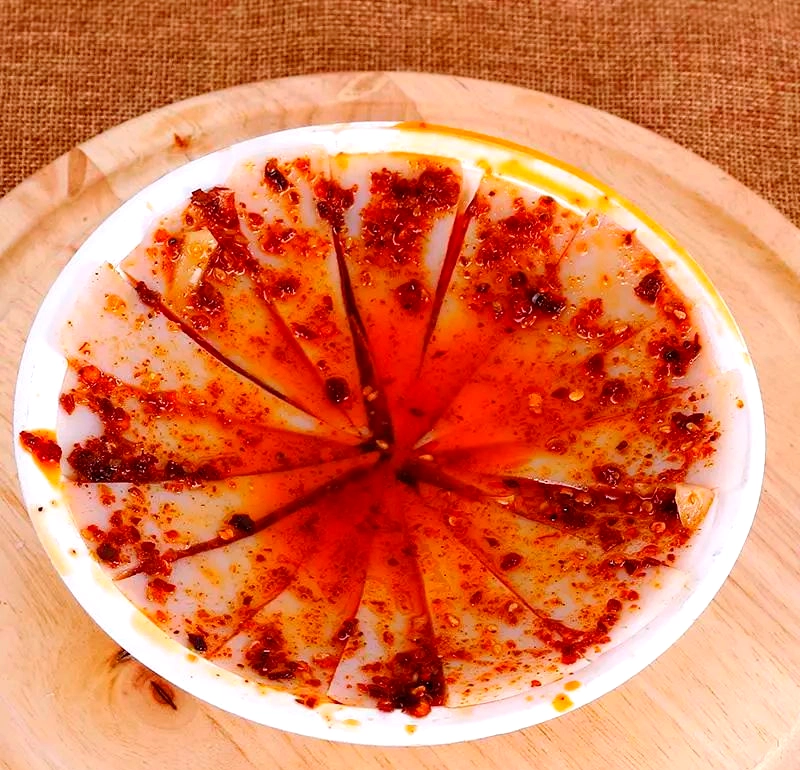
Wantuo (Bowl Buckwheat Jelly): Can be served cold or stir-fried. Buckwheat batter is steamed into a firm, jelly-like cake with a smooth, chewy texture.
Tounao (Head Broth): A unique breakfast in Taiyuan. This "medicinal cuisine" was created by the renowned scholar Fu Shan in the late Ming/early Qing dynasty to nourish his ailing mother.
Fried Glutinous Millet Cakes: The Shanxi love for gao (cakes) stems from the auspicious meaning of "rising higher with each step." Soft, sticky glutinous millet dough is filled with sweet red bean or jujube paste, then deep-fried until golden.
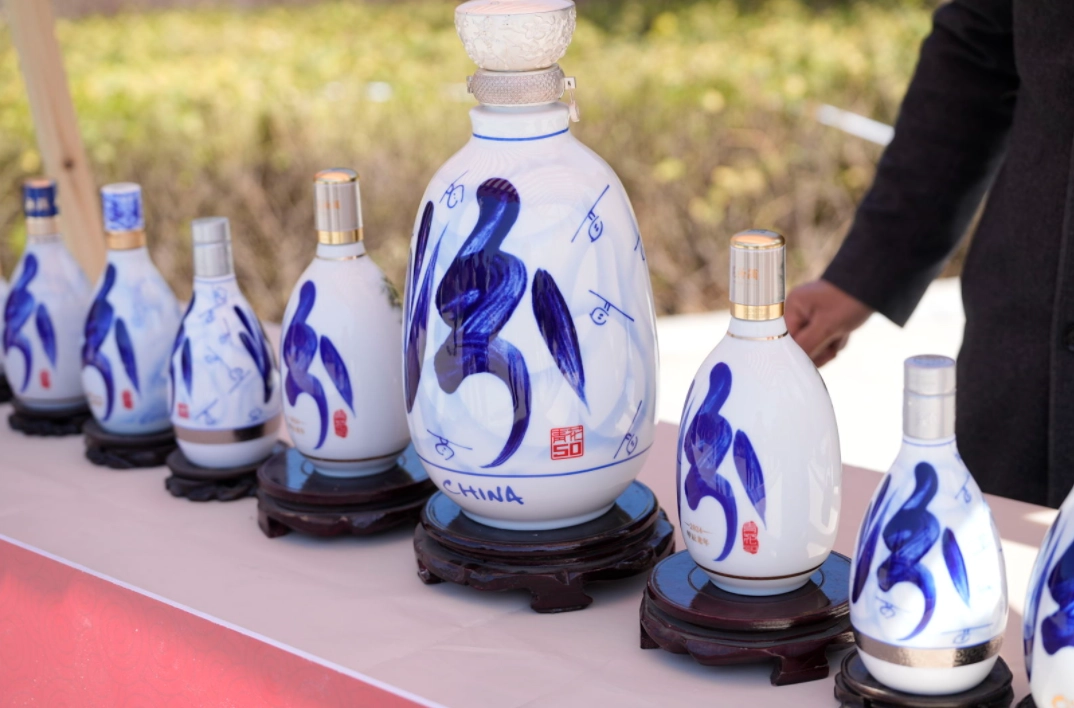
Edible Souvenirs: Gifts to Bring Home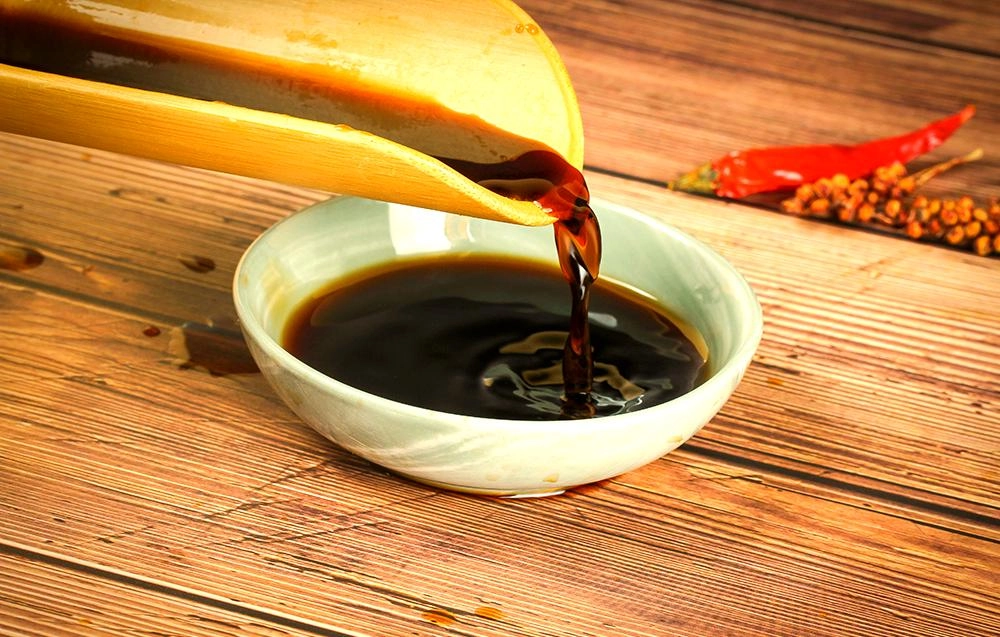
A Temporary Full Stop
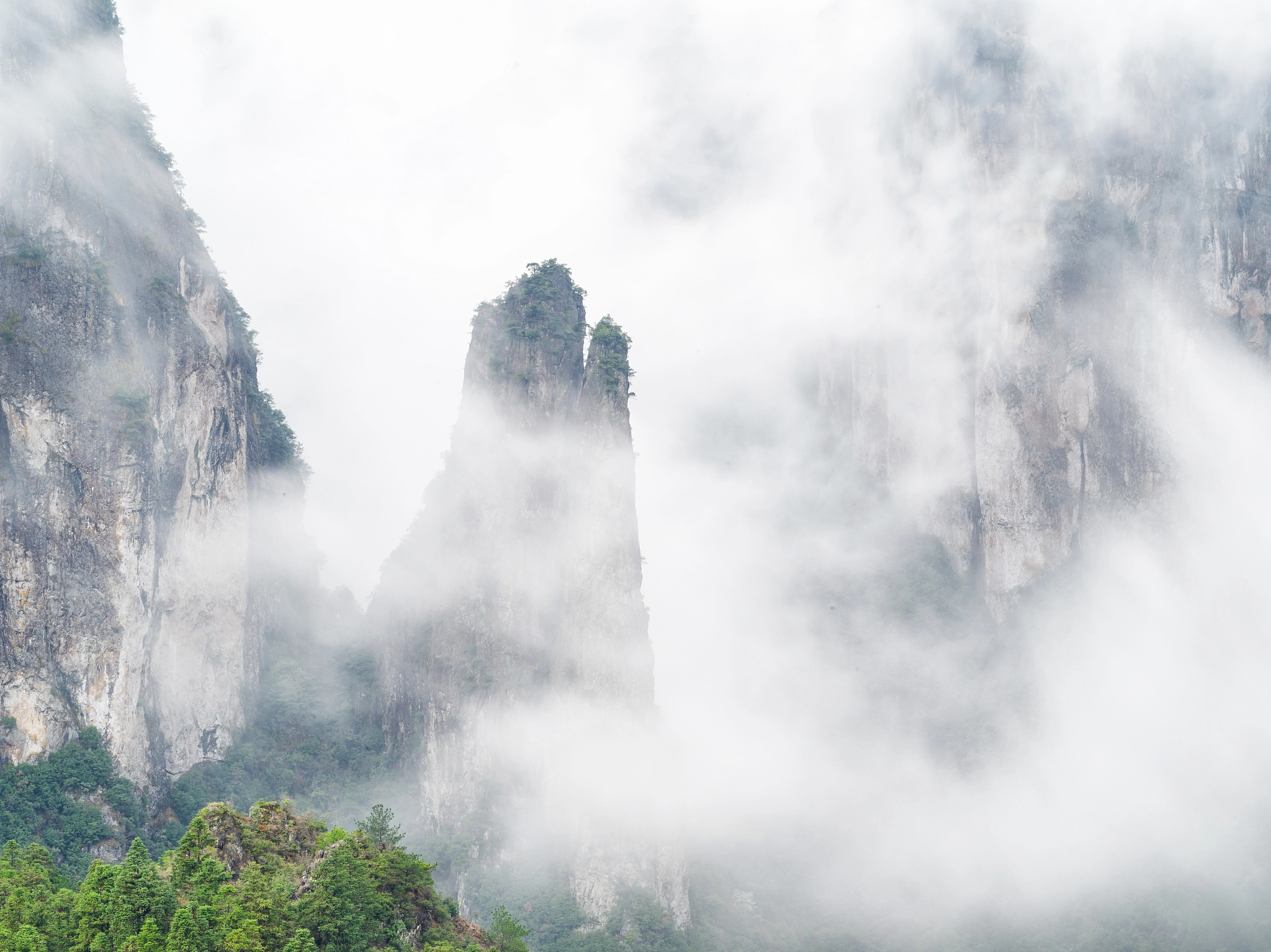
When the dust of your journey settles, what Shanxi leaves you with is far more than a few photographs and memories. It is more akin to a spiritual homecoming and baptism. The lingering legacy of the Tang Dynasty within the bracket sets of Foguang Temple, the wisdom of a prosperous age etched into the brick carvings of the Jin merchant courtyards, the very soul of a nation roaring within the thunder of Hukou Falls—all these quietly settle into the landscape of your inner world.
Shanxi, this land that composes epics with its mountains and rivers and congeals time within its wood and earth, never speaks, yet it has answered everything. It waits in silence for you to come and read its pages. And then, imbued with the profound weight of this Chinese civilization, you may walk more steadfastly into the world that lies ahead.
Related Vocabulary
| Chinese | Pinyin | English | Description |
|---|---|---|---|
| 山西 | Shānxī | Shanxi | A province in northern China, renowned for its profound history and culture. |
| 太行山 | Tàiháng Shān | Taihang Mountains | A major mountain range forming the eastern barrier of Shanxi, famed for its majestic scenery. |
| 汾河 | Fén Hé | Fen River | The "Mother River" of Shanxi, flowing through its central basins. |
| 壶口瀑布 | Hǔkǒu Pùbù | Hukou Waterfall | The largest waterfall on the Yellow River, known for its powerful and majestic surge. |
| 太原 | Tàiyuán | Taiyuan | The provincial capital of Shanxi, a political, economic, and cultural hub. |
| 大同 | Dàtóng | Datong | A northern city famous for the Yungang Grottoes and Hanging Temple. |
| 平遥 | Píngyáo | Pingyao | A well-preserved ancient city from the Ming and Qing dynasties, birthplace of Jin merchants. |
| 云冈石窟 | Yúngāng Shíkū | Yungang Grottoes | Ancient Buddhist cave temples from the Northern Wei Dynasty, a UNESCO World Heritage site. |
| 五台山 | Wǔtái Shān | Wutai Mountain | A sacred Buddhist mountain and UNESCO site, with both Chinese and Tibetan traditions. |
| 佛光寺 | Fóguāng Sì | Foguang Temple | A Tang Dynasty wooden temple, hailed as "China's National Treasure No. 1." |
| 应县木塔 | Yīngxiàn Mù Tǎ | Yingxian Wooden Pagoda | The world's oldest and tallest existing multi-story wooden pagoda. |
| 悬空寺 | Xuánkōng Sì | Hanging Temple | A temple precariously built into a cliff face, integrating three Chinese religions. |
| 刀削面 | Dāoxiāomiàn | Sliced Noodles | Shanxi's signature noodle dish, skillfully shaved directly into the boiling pot. |
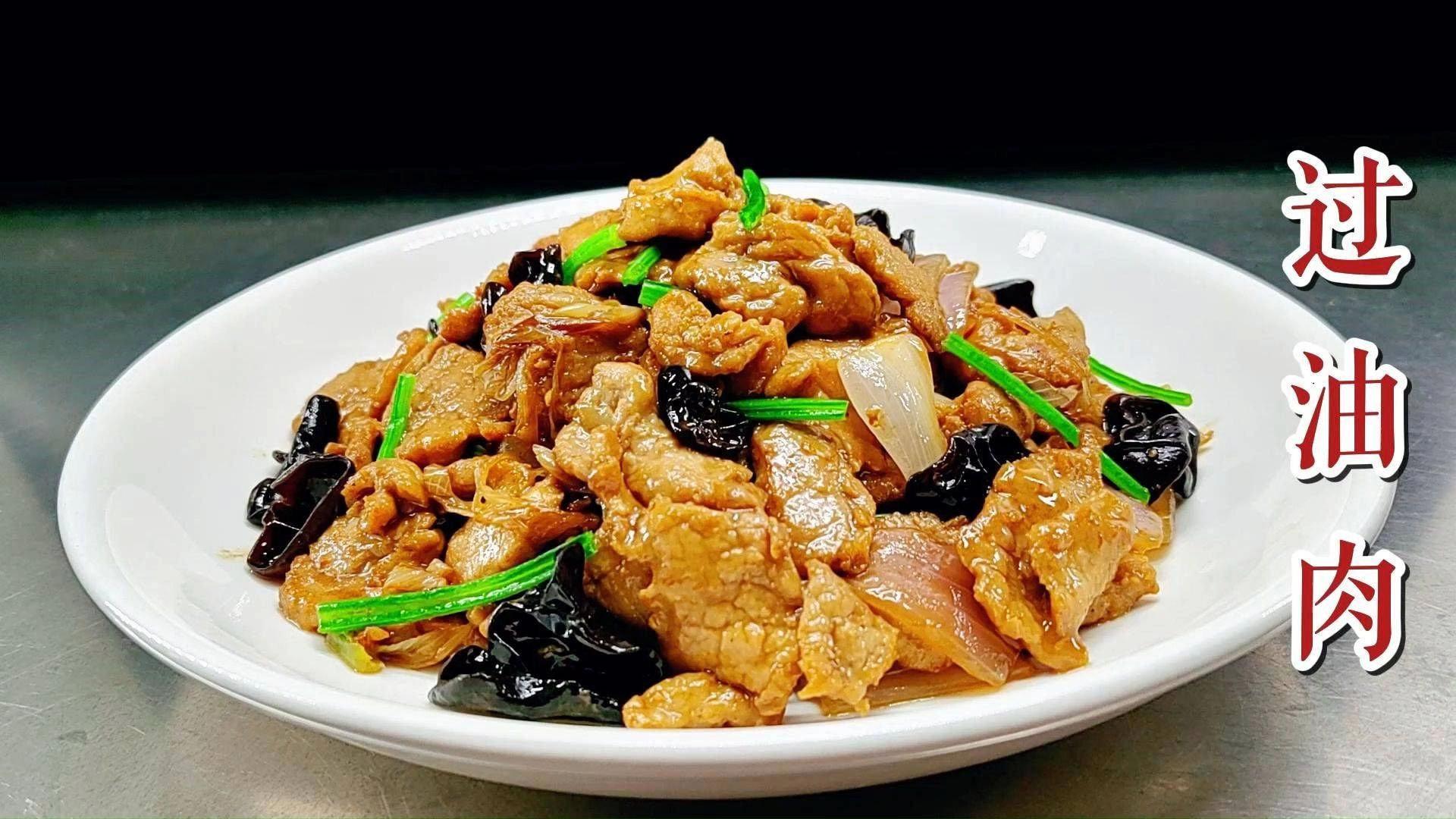
| 过油肉 | Guòyóuròu | Twice-Cooked Pork Slices | A classic Shanxi dish where vinegar is used to create a rich and fragrant flavor. |
| 山西老陈醋 | Shānxī Lǎochéncù | Shanxi Mature Vinegar | Famous aged vinegar, known for its complex aroma and mellow sourness. |
| 汾酒 | Fēnjiǔ | Fenjiu | A renowned Chinese clear spirit (baijiu) with a long history and pure fragrance. |
| 晋商 | Jìnshāng | Jin Merchants | Influential Shanxi merchants who dominated Chinese commerce for centuries. |
FAQ About Shanxi
Q1: What are the must-visit tourist attractions in Shanxi?
A: Shanxi, known as the "Museum Above Ground," is brimming with unmissable sites:
- Buddhist Sanctums: Wutai Mountain (UNESCO World Heritage Site), Yungang Grottoes (UNESCO World Heritage Site)
- Architectural Marvels: Hanging Temple (Xuankong Si), Yingxian Wooden Pagoda, Jin Ci Temple
- Ancient Merchant Culture: Pingyao Ancient City (UNESCO World Heritage Site), Qiao Family Compound, Wang Family Compound
- Natural Wonders: Hukou Waterfall (Shanxi side), Taihang Mountains Grand Canyon
Q2: When is the best time to visit Shanxi?
A: The ideal seasons to visit Shanxi are spring (April-May) and autumn (September-October). During these months, the weather is mild and pleasant, perfect for exploring ancient architecture and enjoying outdoor activities. Summers can be hot, but Wutai Mountain offers a cool retreat. Winters are cold and dry, but with fewer crowds, you can experience a unique, serene atmosphere.
Q3: What is there to do in Pingyao Ancient City?
A: Pingyao Ancient City offers a captivating experience:
- Explore Sites: Walk the ancient city walls for panoramic views, visit Rishengchang Draft Bank (the first in China), and explore the ancient government office
- Watch a Show: See the immersive theatrical performance "See Pingyao Again" to experience Jin merchant culture firsthand
- Taste Local Food: Sample local specialties like Pingyao Beef and Shanxi碗托 (Wantuo)
- Stay in a Courtyard: Spend a night in a traditional Chinese guesthouse for an authentic experience
Q4: What is the famous food in Shanxi?
A: Shanxi is the "Land of Noodles," and its culinary scene is a highlight:
- Noodles: Daoxiao Mian (Sliced Noodles), Youmian Kao Laolao (Oat Noodles), Tijian Noodles, Cat's Ear Noodles
- Snacks: Pingyao Beef, Wantuo, Taigu Cake, Wenxi Cakes
- Vinegar: Shanxi Aged Vinegar is a must-try; you can even visit a vinegar workshop to see its production
Q5: What are the "Eight Great Bowls" (Ba Da Wan) in Shanxi?
A: The Eight Great Bowls is a traditional Shanxi banquet featuring eight steamed dishes served in large bowls. It typically includes dishes like Braised Pork Belly (Jiang Mei Rou), Crispy Meat (Xiao Su Rou), Steamed Pork (Kou Rou), and more, symbolizing prosperity and reflecting the hospitable nature of Shanxi people.
Q6: Why do people say "Look to Shanxi for 5,000 years of Chinese civilization"?
A: This saying highlights Shanxi's profound historical significance. It is a cradle of Chinese civilization, where the legendary emperors Yao, Shun, and Yu established their capitals. Throughout history, Shanxi was a central political, economic, and cultural hub, most notably during the Ming and Qing dynasties when Jin merchants dominated Chinese commerce for 500 years, leaving a rich cultural legacy.
Q7: Why is Shanxi called "Jin"?
A: Shanxi's abbreviated name, "Jin," originates from the State of Jin, a powerful and influential vassal state during the Spring and Autumn period. Its territory was primarily located in what is now modern-day Shanxi Province.
Q8: What is Shanxi's role in China's economy?
A: Shanxi is a major energy and heavy industrial base in China, famously known as the "Coal Capital." It has played a crucial role in powering the nation's economic growth. In recent years, Shanxi has been actively promoting economic transformation, focusing on developing cultural tourism, equipment manufacturing, and new energy industries.
Q9: How many days are enough for a trip to Shanxi?
A: The duration depends on your travel depth:
- Short Trip (3-4 days): Focus on one area, like the "Taiyuan - Pingyao - Qiao Family Compound" loop or the "Datong - Yungang Grottoes - Hanging Temple - Wooden Pagoda" route
- Classic Trip (5-7 days): Combine the Northern Shanxi Buddhist circuit with the Central Shanxi merchant culture circuit for an in-depth tour
Q10: Is it easy to get around Shanxi?
A: Yes, transportation in Shanxi is very convenient with a well-developed network:
- By Air: Major cities like Taiyuan, Datong, Yuncheng, and Changzhi have airports with domestic flights
- By High-Speed Rail (HSR): Lines like the Datong-Xi'an HSR connect major cities within and outside the province efficiently
- By Road: An extensive expressway network makes self-driving a viable and scenic option