Shandong — Chronicle of Qi and Lu Splendor
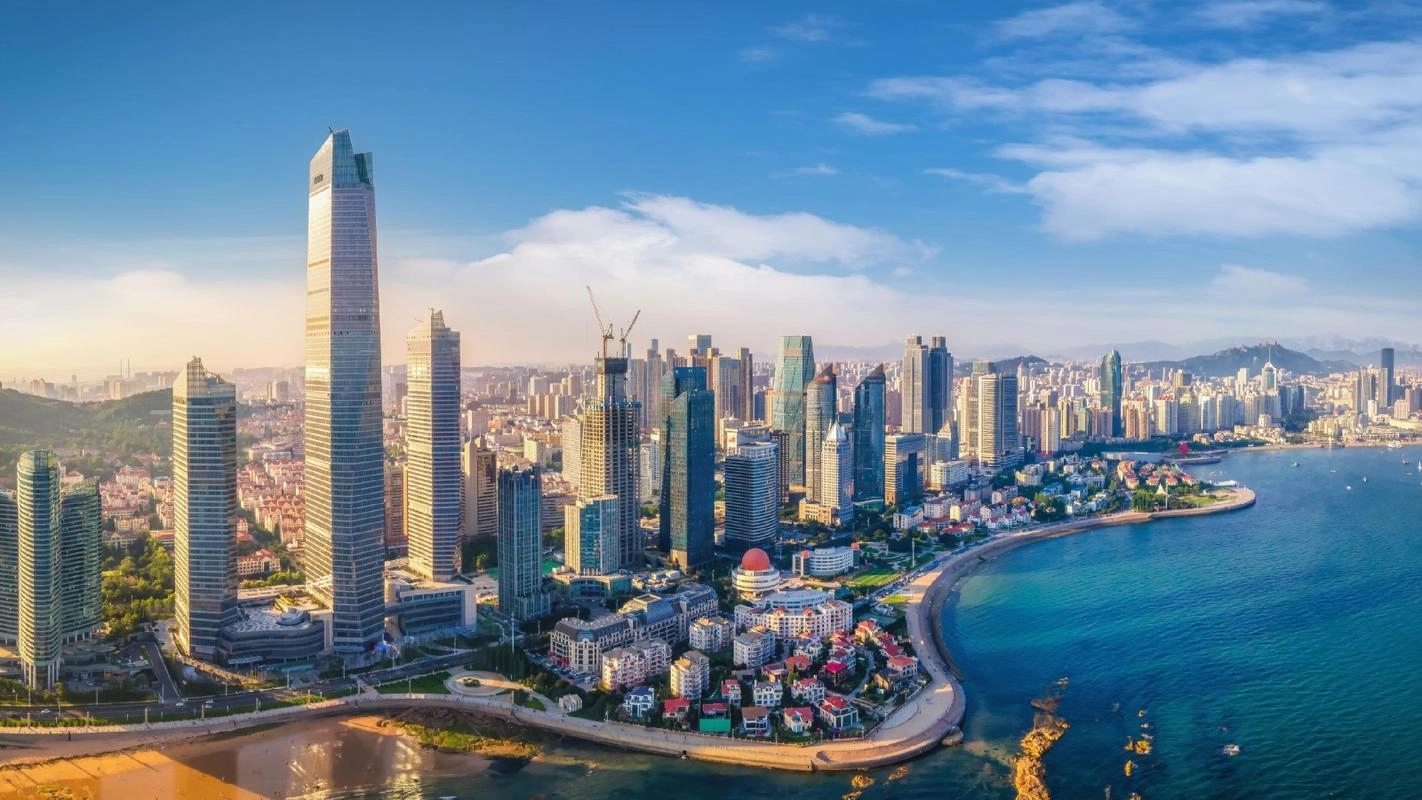
From the dawn of Eastern civilization, Shandong has etched an indelible mark on the map of Chinese culture.It is not only the birthplace of Confucianism but also a civilization epic spanning millennia. From the peaks of Mount Tai and Mount Yi to the shores of the Yellow Sea, from the spring-fed waters of Jinan to the land of peonies in Heze, every landscape tells the story of this land’s depth and brilliance.
The Spirit of Shandong: Mountains and Seas in Harmony, Infinite Grandeur
To truly understand Shandong’s profound essence, one must first appreciate its geographic harmony of mountains and seas, as well as the rhythmic beauty of its distinct seasons. Shandong, much like the name “Qi and Lu” implies, embodies diversity and inclusiveness—a magnificent canvas painted with the majesty of Mount Tai and the vastness of the ocean.
Shandong’s character blends the robustness of the North with the grace and elegance of the South. It is a convergence of nature’s finest elements and a cradle where civilization’s light endures.
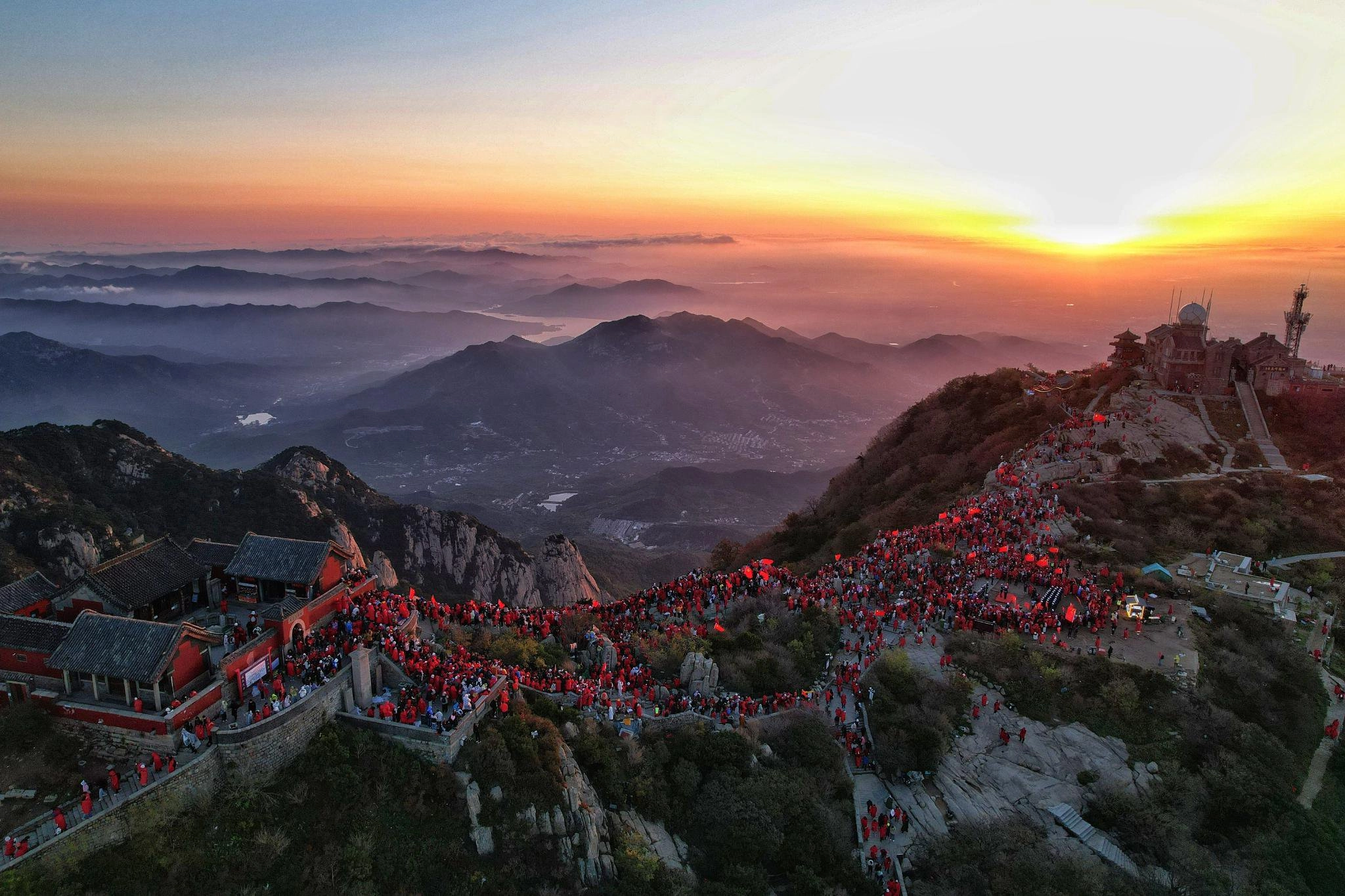
Geography: A Symphony of Mountains, Seas, Rivers, and Springs Mount Tai and Mount Yi — Majestic PeaksMount Tai, a towering symbol across ages, is both the grand landmark described in the phrase “Climbing Mount Tai makes all other mountains seem small” and a spiritual emblem of national peace and prosperity. From Qin Shi Huang’s sacrifices to Emperor Wu of Han’s rituals, countless emperors entrusted their visions of governance here. From Du Fu’s line, “One must ascend to the topmost peak,” to modern-day climbers gazing into the distance, Mount Tai has become the spiritual pinnacle of the Chinese nation. Every surge of clouds and sunrise is a dialogue with heaven and a purification of the soul.
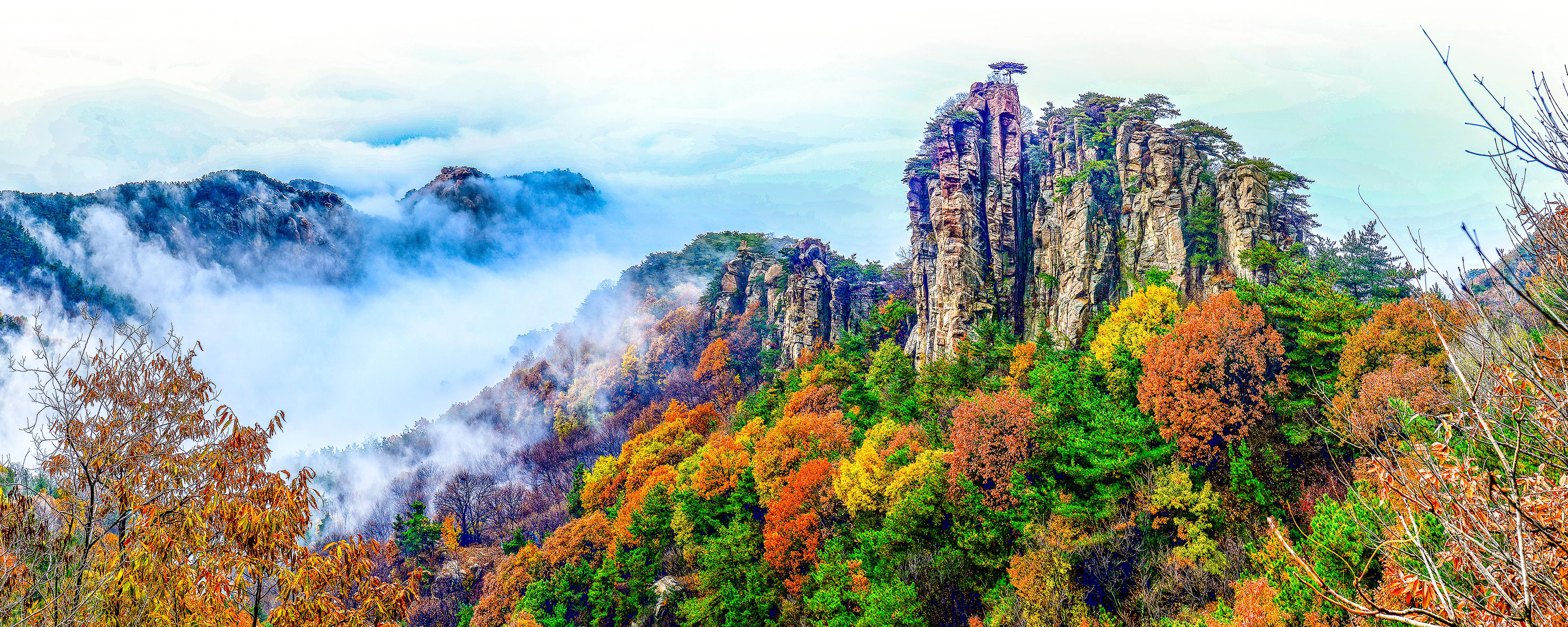
Mount Yi, in contrast, is renowned for its steadiness and resilience. Its continuous ridges and deep valleys once formed the red revolutionary heartland. The people of Yimeng uplifted their faith with simplicity—turning the last grain into military provisions, the last cloth into uniforms—shaping another form of grandeur across the land of Qi and Lu. The unique Daigu landforms, with their layered peaks, conceal a geological epic of time itself.
 The Embrace of the Sea — Where Yellow and Blue Converge
The Shandong Peninsula stretches toward the sea like the forward-reaching arm of China, embracing endless waves. Here, the Yellow Sea and the Bohai Sea converge, and the tides weave endless romance. In Qingdao, jagged reefs and red rooftops framed by green trees meet blue skies and sea; in Weihai, refreshing sea breezes accompany seagulls and fishing boats in tranquil bays; in Rizhao, golden morning light glimmers across waves, creating scenes as poetic as song.
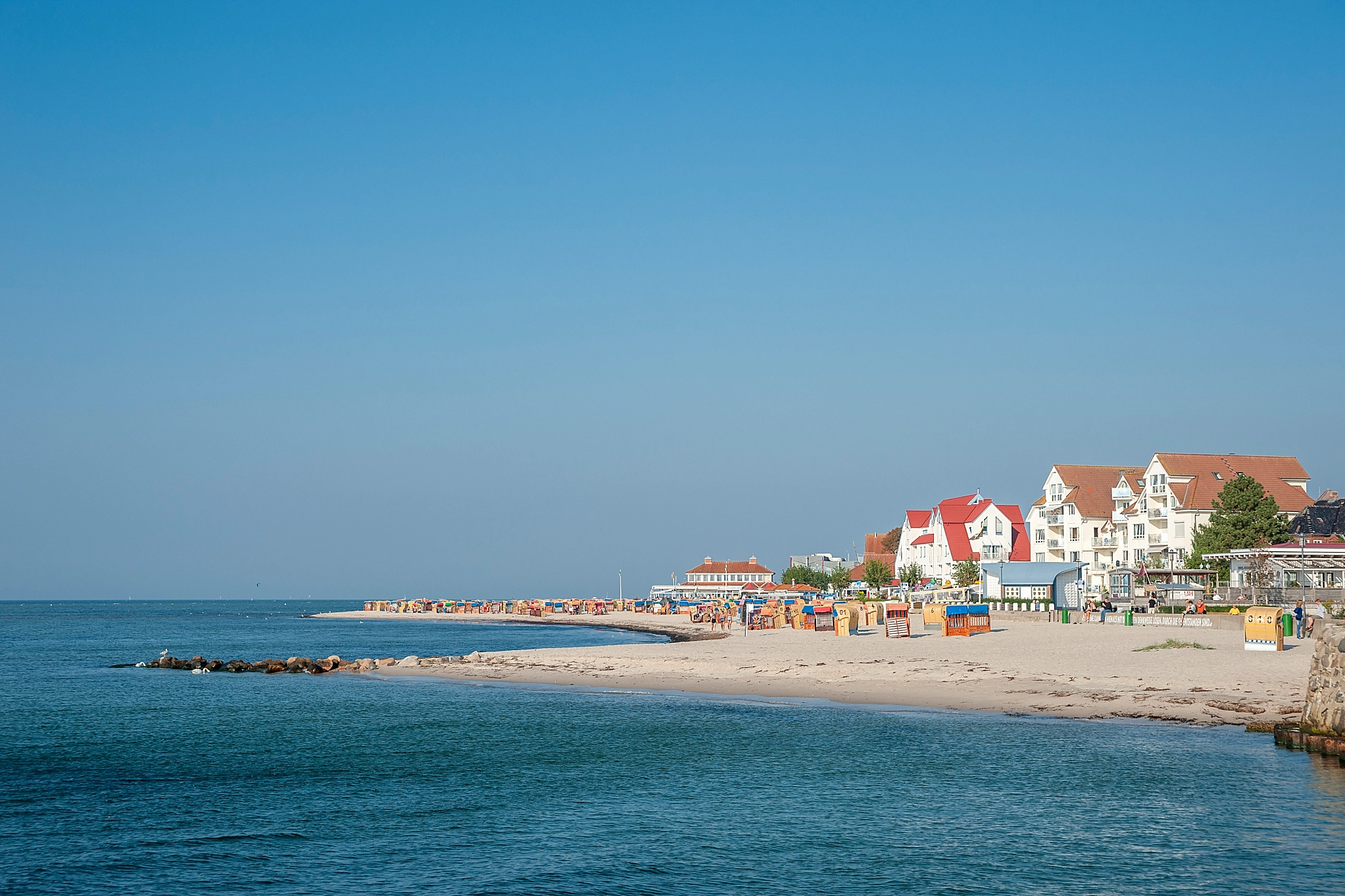
Along the Bohai coastline, the Yellow River rushes eastward, carrying millennia of silt into the sea. At Dongying, it forms the young Yellow River Delta—mirror-like wetlands and reed marshes—becoming a critical stopover for migratory birds. Here, the vastness of the sea and the rushing river converge into a symphony of life, reflecting Shandong people’s openness, resilience, and ambition.
The Spirit of Springs and Lakes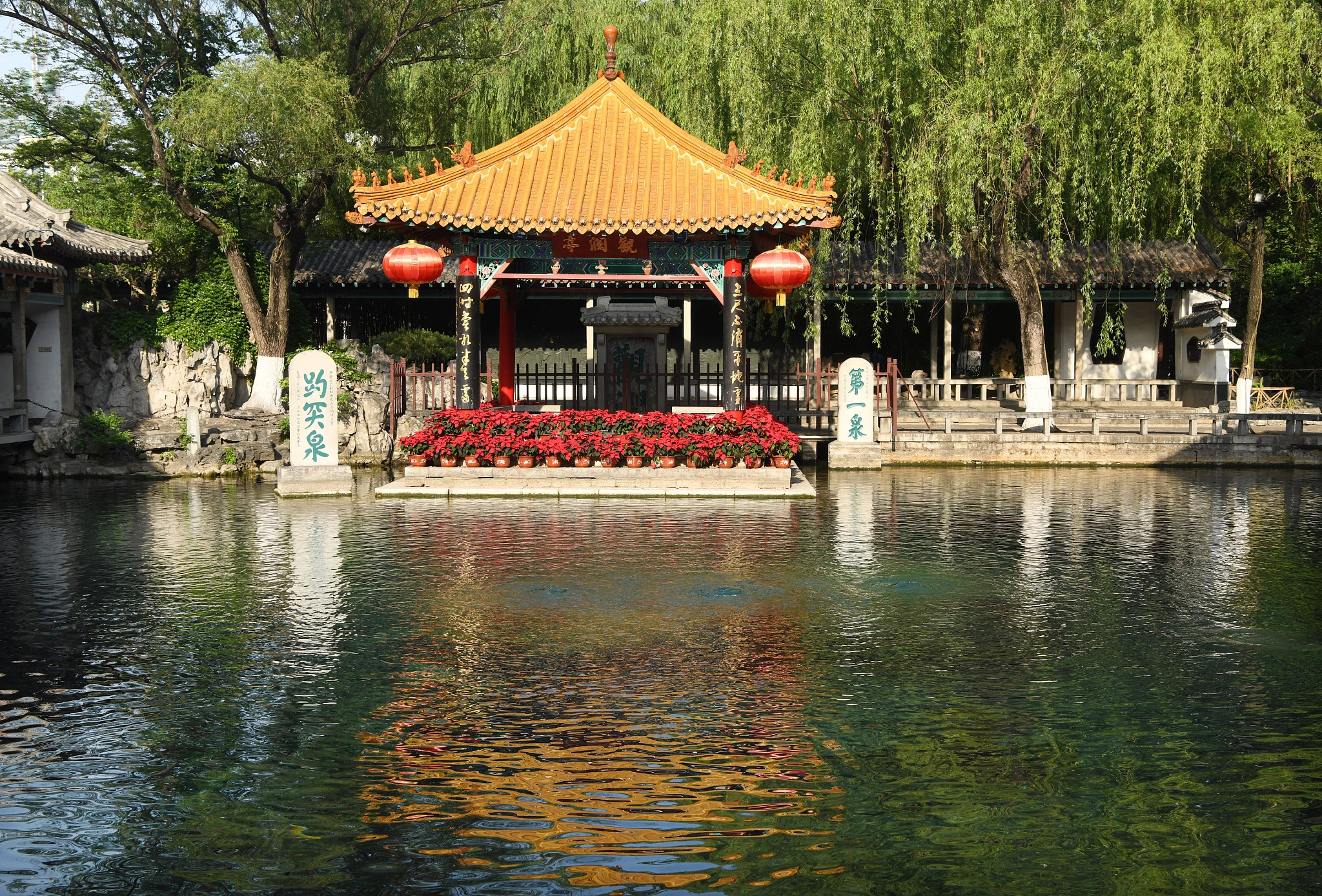
If mountains and seas are Shandong’s bones, then its springs are its soul. The springs of Jinan breathe with life: Baotu Spring gushes like dragons in motion, Pearl Spring murmurs softly, and Black Tiger Spring roars with majestic power. Scattered across the city are seventy-two named springs, creating a wonder where “the city exists within the springs, and the springs exist within the city.”
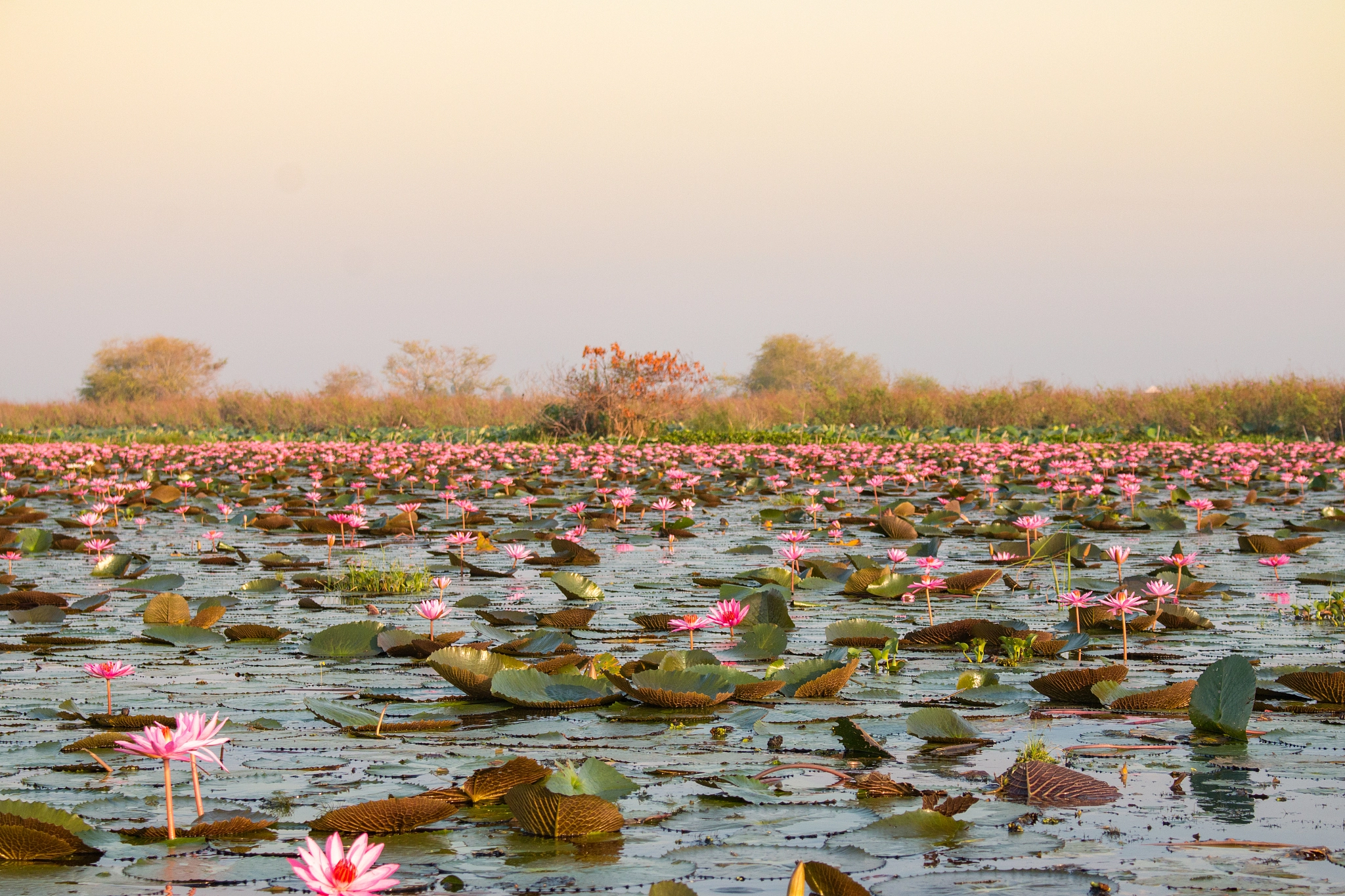
In the south, Weishan Lake stretches in misty expanses with lotus fragrance across thousands of acres; in summer, lotus blooms of red and green weave picturesque patterns. Dongping Lake shimmers under sunlight, echoing the remnants of the historic Liangshan Marsh. Shandong’s waters nourish not only the land but also its poetry and civilization.
Climate and Seasons: A Flowing Natural PoemShandong lies in the warm temperate monsoon zone, with four distinct seasons and ever-changing weather. The interplay of mountains and seas, winds and clouds, renders the cycle of seasons like a flowing natural epic, each chapter marked by its own rhythm and color.
Spring: Blossoms Across Qi and Lu, Nature in Harmony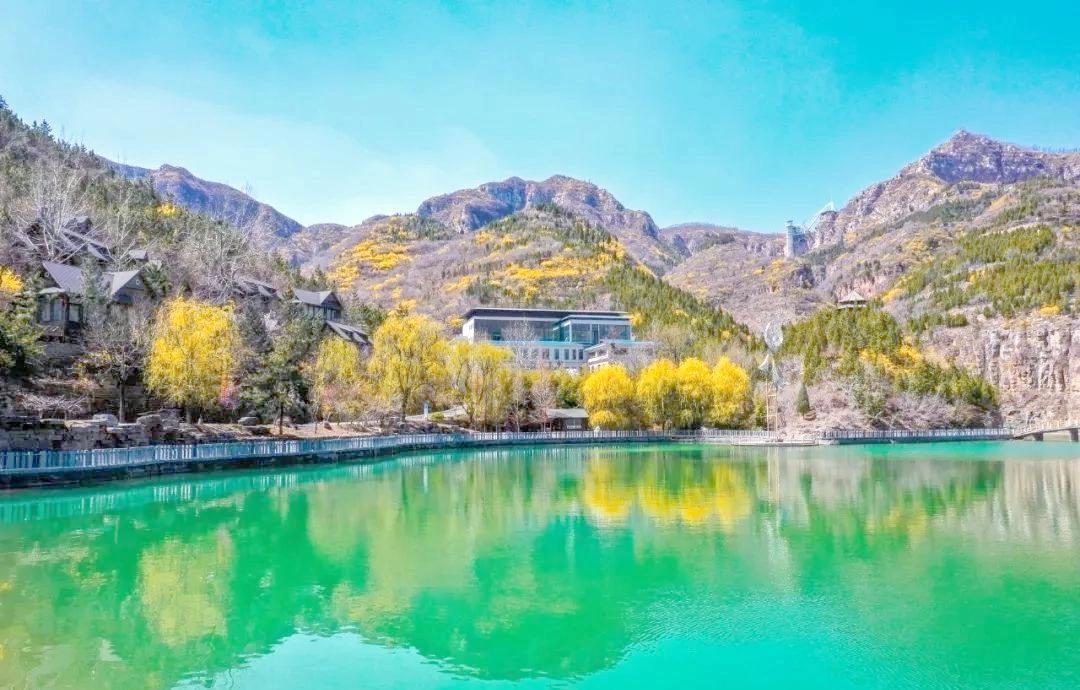
When the spring breeze sweeps in from the Bohai Sea, life awakens across the land. Golden forsythia bloom on Mount Tai, cherry blossoms cloud the skies of Qingdao, and Heze’s peonies exude grandeur and fragrance that drifts for miles. Farmers sow seeds of hope, students embark on new journeys—the land is filled with gentle energy and vitality. Willows sway by Jinan’s springs, apricot blossoms drench Confucius Temple in light rain, and spring in Shandong becomes both a poetic beginning and a cultural awakening.
Summer: Sea Breezes and Festivities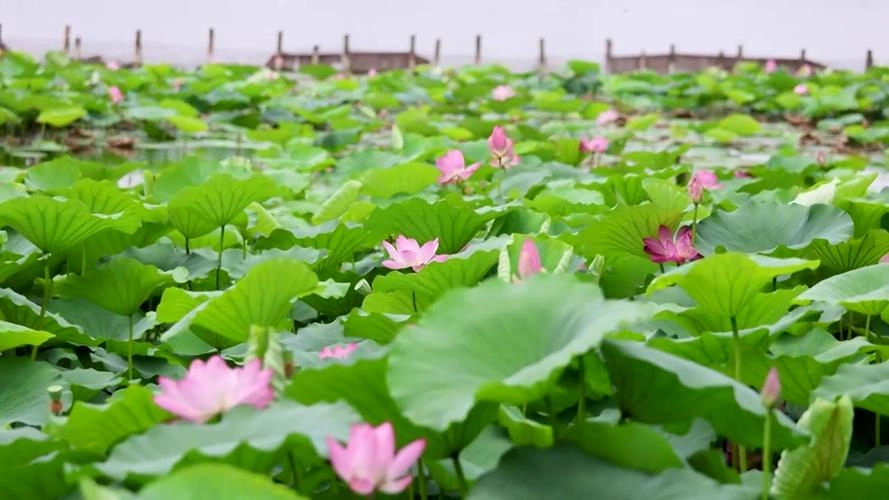
Summer in Shandong is a season of vigor and cool relief. At Qingdao’s International Beer Festival, revelers toast under the night sky as bubbles and lights create waves of celebration. Along the coastlines of Weihai and Yantai, people stroll promenades, laughter mingling with the rhythm of the tides. Inland, Tai’an and Qufu exude tranquil beauty—ancient temple bells echo, Confucian temple steps bathe in moonlight, and the spirit of Confucianism harmonizes with summer cicadas.
Autumn: Golden Winds and Bountiful Harvests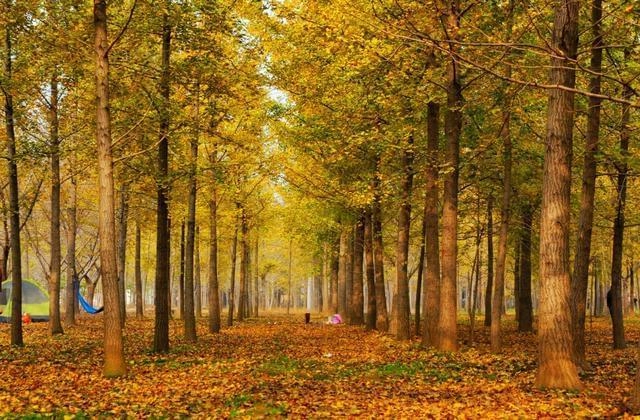
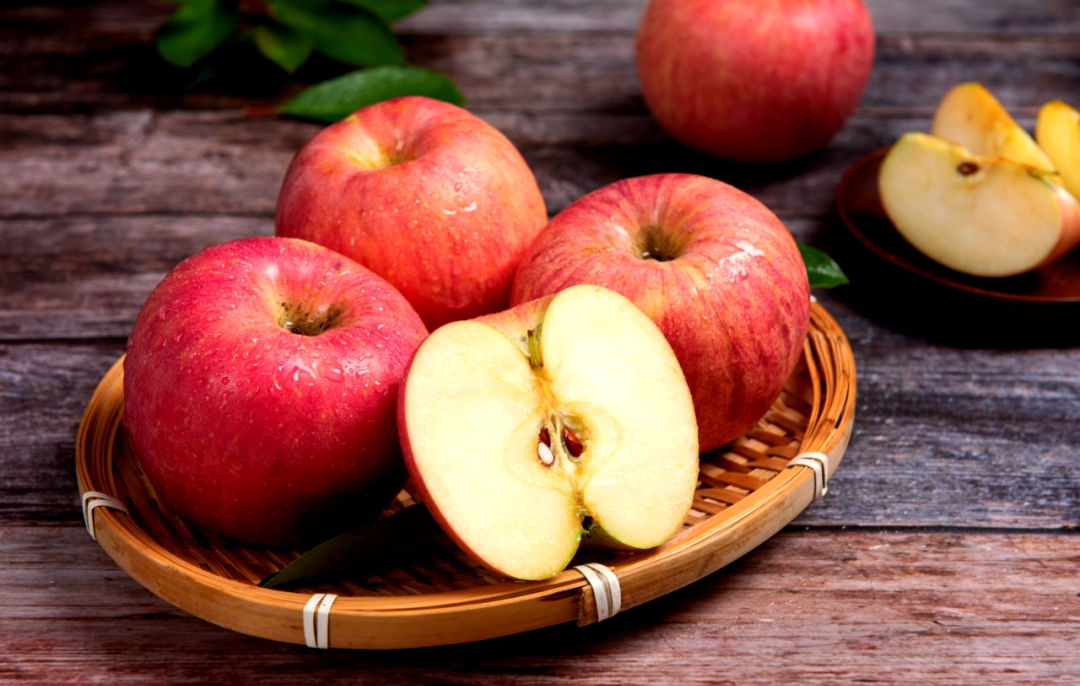
Autumn is Shandong’s most mellow season. Fields turn gold, orchards exude fragrance—Laiyang pears are as sweet as honey, Yantai apples gleam like jade, and Mount Yi’s red fruits hang heavy on branches. At the Yellow River Delta, golden reeds sway and cranes dance across the sky, reflecting the abundance and serenity of nature. Climbing Mount Tai at sunrise, clouds surge like molten gold, while mountains and rice fields stretch below—a poetic panorama of the land.
Winter: Snow-Clad Peaks and Dreamlike Springs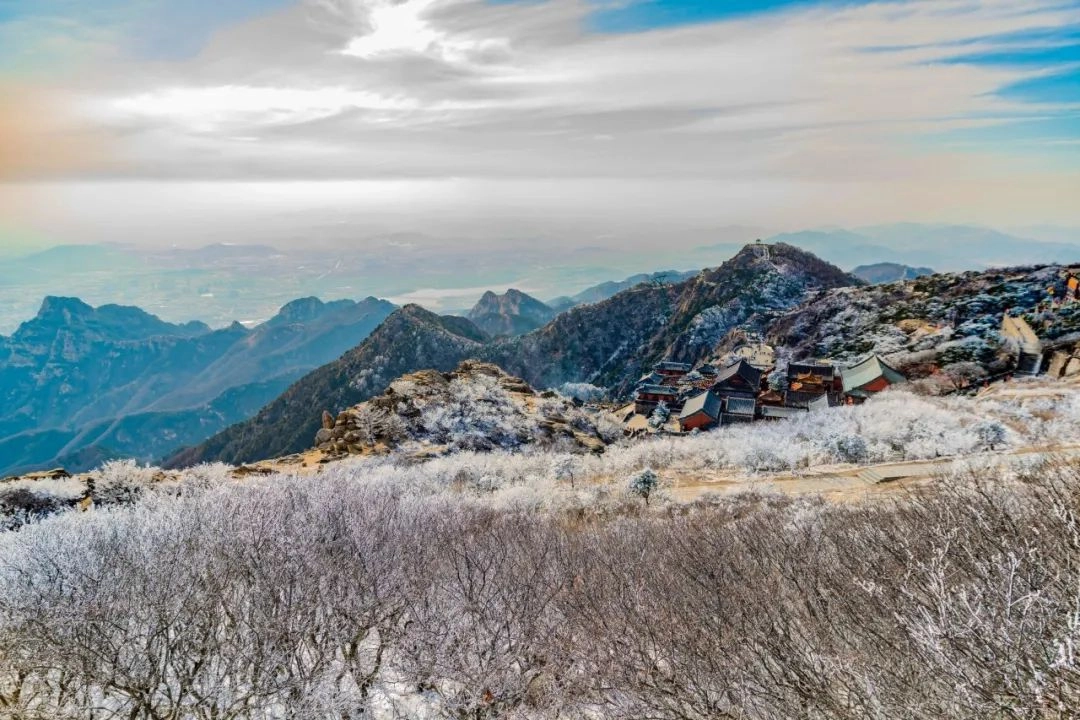
Winter in Shandong is quiet yet deeply expressive. Mount Tai is draped in snow, pine trees stand proud; Jinan’s springs remain unfrozen, mist rising like a celestial realm. Old streets and stone bridges are dusted with snow, spring waters gurgle melodically; the ancient temple bells in Qufu reverberate, illuminating the enduring light of Confucianism. Weihai’s coastal ice glistens with a cold brilliance under the morning sun. Winter in Shandong is not silence—it is a serene, profound power.
The Soul of Shandong: Land of Saints and Sages
In Shandong, every ancestral hall may honor a sage, and every stone stele may record a piece of wisdom. Here, history exists not only as strategies for ruling a nation in the halls of power but also as guiding principles for daily life in bustling streets.
Sages and Masters: Timeless Pillars of Civilization
The foundation of Shandong’s civilization was laid by these extraordinary figures.
Confucius: The Illuminating Sage of Millennia
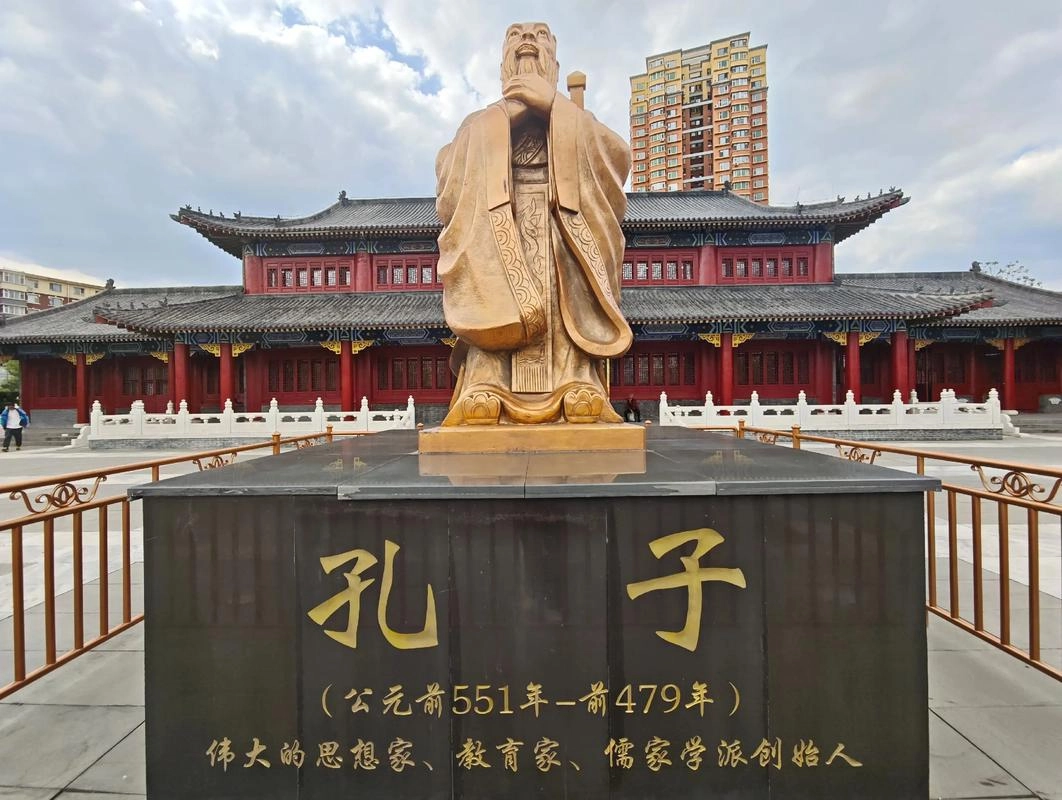
Before the Dacheng Hall of the Confucius Temple in Qufu, one feels not only reverence for a philosopher but a pilgrimage to an entire civilizational system. Confucius, the founder of private schooling and the advocate of “education for all,” instilled principles of “benevolent governance” and “the Doctrine of the Mean” that flow like a quiet stream through every corner of Chinese culture. His travels across the kingdoms and his perseverance in “knowing the impossible yet striving for it” shaped the spiritual essence of Chinese intellectuals.
Sun Tzu: The Supreme Strategist of Warfare
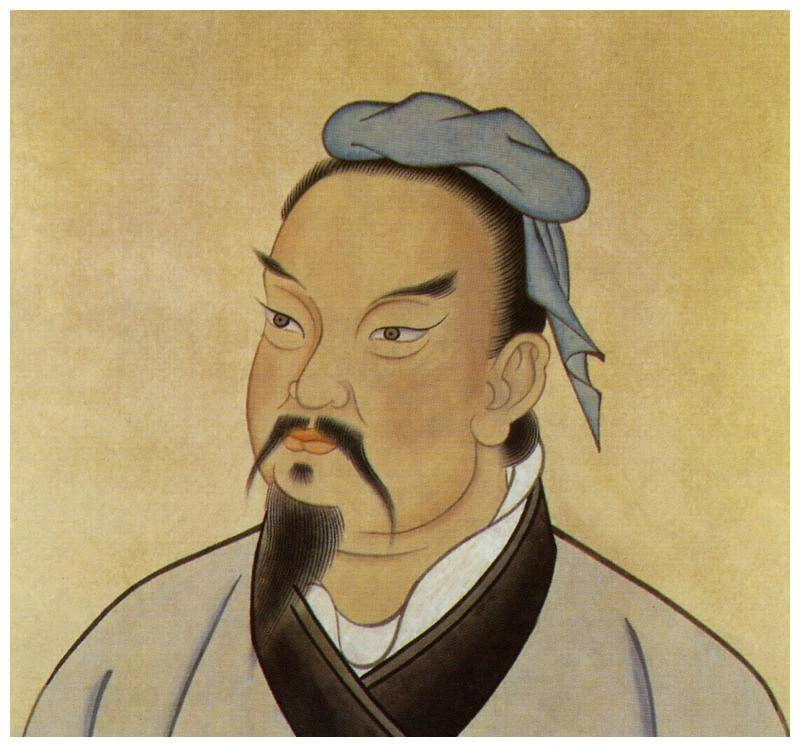
Before the bamboo slips of The Art of War, unearthed from the Yinqueshan Han tombs in Linyi, one reads more than a military treatise; one encounters a philosophy of competition deeply rooted in Eastern wisdom. Sun Tzu, the military genius of Qi, elevated war to the heights of art and philosophy. His strategic concept of “subduing the enemy without fighting” and the dialectical thinking of “knowing oneself and the enemy” continue to illuminate military and business strategy worldwide.
Literati and Cultural Icons: Keepers of Elegance
Shandong’s refined literary and artistic spirit has been carried forward by these luminaries.
Li Qingzhao: The Proud Heart of Delicate Lyricism
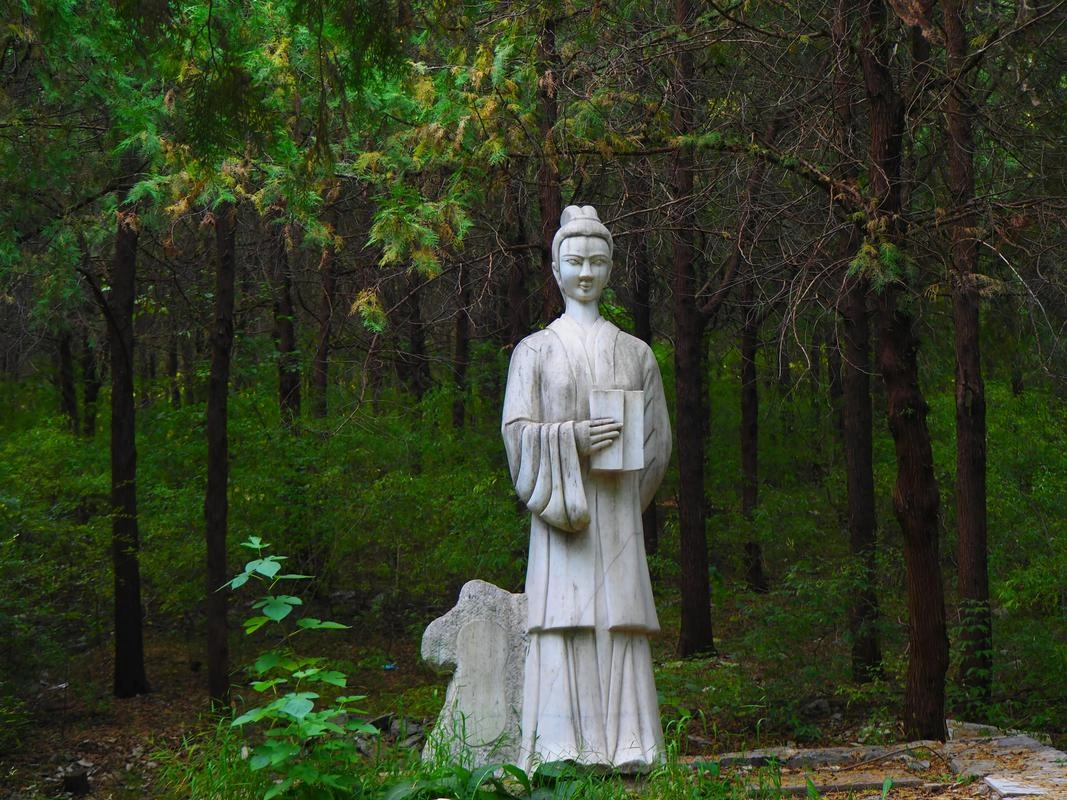
Beside Jinan’s Baotu Spring, one might imagine the young girl who “stopped playing on the swing, rose with a leisurely touch of slender hands.” Yet Li Qingzhao’s poetic soul extends far beyond delicate grace. The turmoil of the Jingkang Incident inspired her to write lines of resolute defiance, declaring that “in life one should be a hero among men, in death a hero among ghosts.” Her life represents the elevation from personal longing to patriotic sorrow, becoming the brightest star in the literary firmament of ancient Chinese women.
Pu Songling: The Literary Master Who Bridged the Mortal and the Supernatural
In the Liaozhai study at Pu Songling’s former residence in Zibo, one can almost envision the impoverished scholar conversing with fox spirits under the lamplight. His Strange Tales from a Chinese Studio may appear to recount ghosts and foxes, yet beneath the surface lies profound insight into human nature and sharp social critique. Through fantastical storytelling, he constructed a literary universe reflecting and refracting the real world.
The Splendor of Shandong’s Cities
Shandong, this profound epic of civilization, is written collectively by its sixteen cities. Since ancient times, each has carried the unique style of Qi and Lu; from the azure seas and skies of the Jiaodong Peninsula to the fertile plains of western Shandong, every city shines as a gem bridging history and modernity, together composing the kaleidoscopic landscape of Qi and Lu.
Jinan: The Provincial Capital of Springs, Past and Present
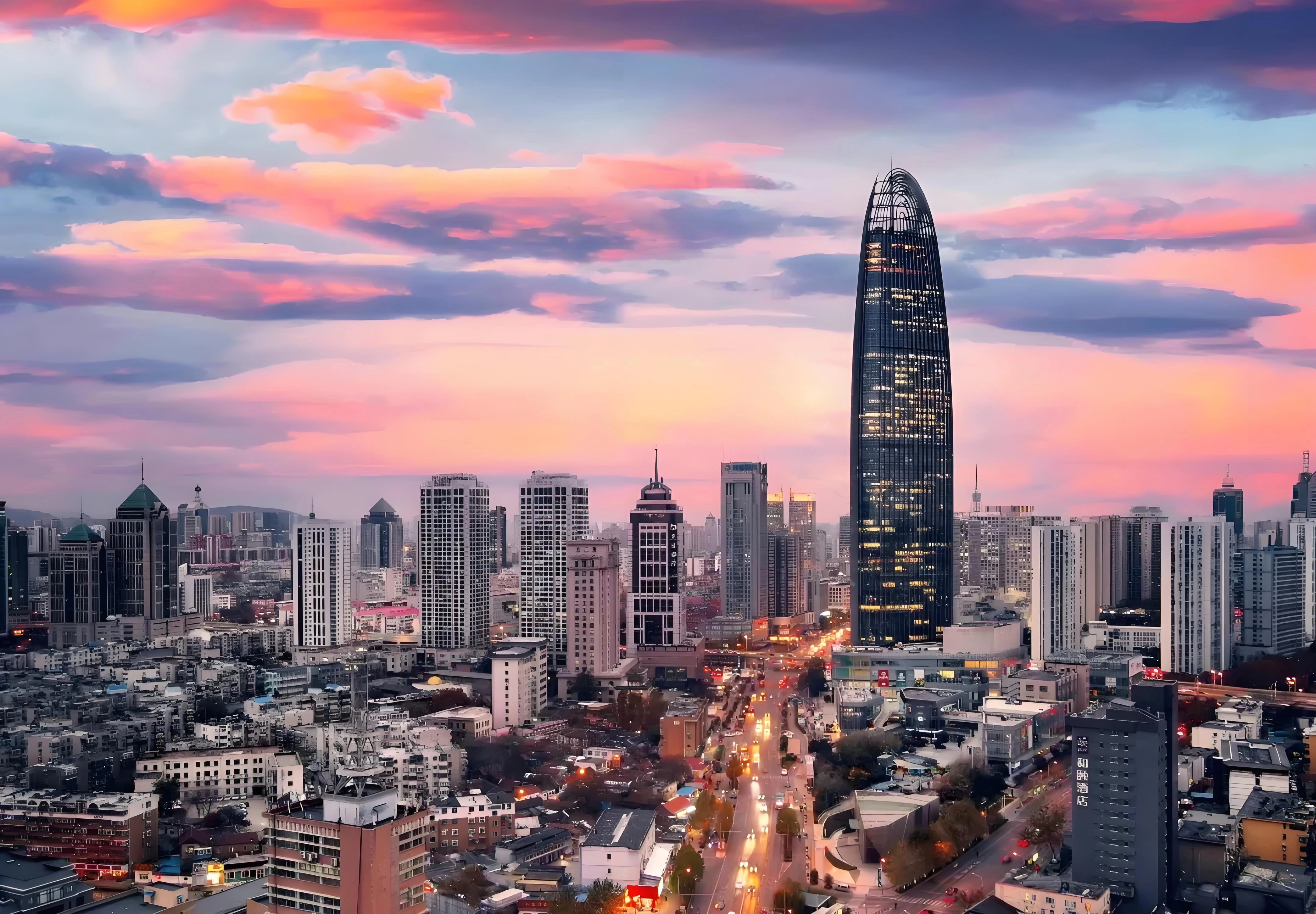
"Lotus on four sides, willows on three; half the city is hills, half is lake"—this is the most poetic description of Jinan. Springs are the soul of the city: the soaring Baotu Spring, the gentle Pearl Spring, and the roaring Black Tiger Spring form a millennia-old flowing symphony. Along Daming Lake, the legacy of the poet Jia Xuan lingers; atop Qianfo Mountain, the morning bell and evening drum resound.
On Furong Street and Qushuiting Street, the bustle of city life mingles with the murmur of springs. At Quancheng Square and the Olympic Sports Center, modernity and ancient charm coexist harmoniously. Jinan carries its profound culture with grace, revealing elegance and composure amidst the waves of the new era.
Qingdao: The Maritime Pearl of Red Tiles and Green Trees
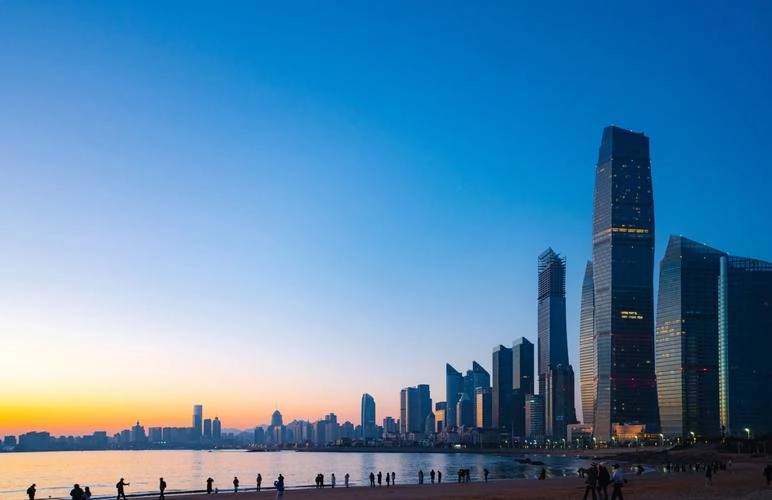
Qingdao is a poem to the sea. The eclectic architecture of Badaguan tells tales of a century of history; the waves crashing against the Zhanqiao Pier witness the city’s vibrant pulse. Mount Laoshan, the “First Immortal Mountain on the Sea,” shrouded in mist, merges Daoist seclusion with natural splendor.
Here, one finds the lively exuberance of the Beer Festival and the free spirit of a sailing capital; the exotic charm of German-style streets and the modern light and shadow of May Fourth Square. With openness and vitality, Qingdao bridges East and West, its red tiles, green trees, and blue seas forming a timeless poetic backdrop.
Qufu: The Eastern Holy City of Confucian Culture
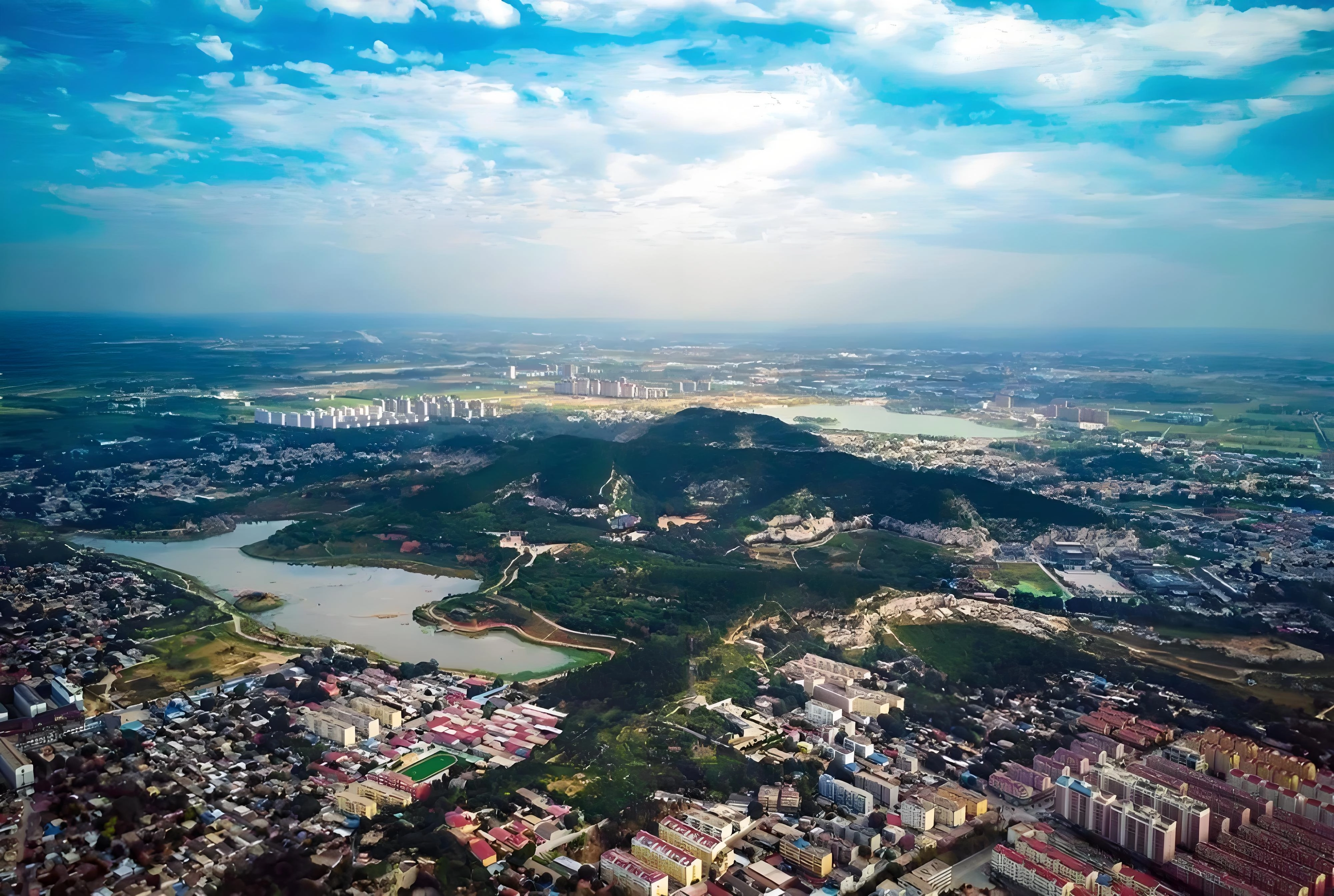
“Is it not a pleasure to have friends come from afar?” Qufu, an ancient city, is the spiritual origin of Chinese civilization. The birthplace of Confucius, the home of Mencius, it is where ritual and music education began. The Confucius Temple is solemn, the Confucius Mansion magnificent and elegant, and the Confucius Cemetery preserves centuries-old pines and cypresses.
Every stele and hall embodies the luminous wisdom of “benevolence, righteousness, propriety, wisdom, and faith.” Walking through the “Three Confucian Sites” is like traversing millennia, witnessing the enduring pulse of the ritualistic kingdom. Qufu belongs not only to Shandong but to the cultural heritage of the entire East.
Yantai: Romance of Sea Breezes and Wine
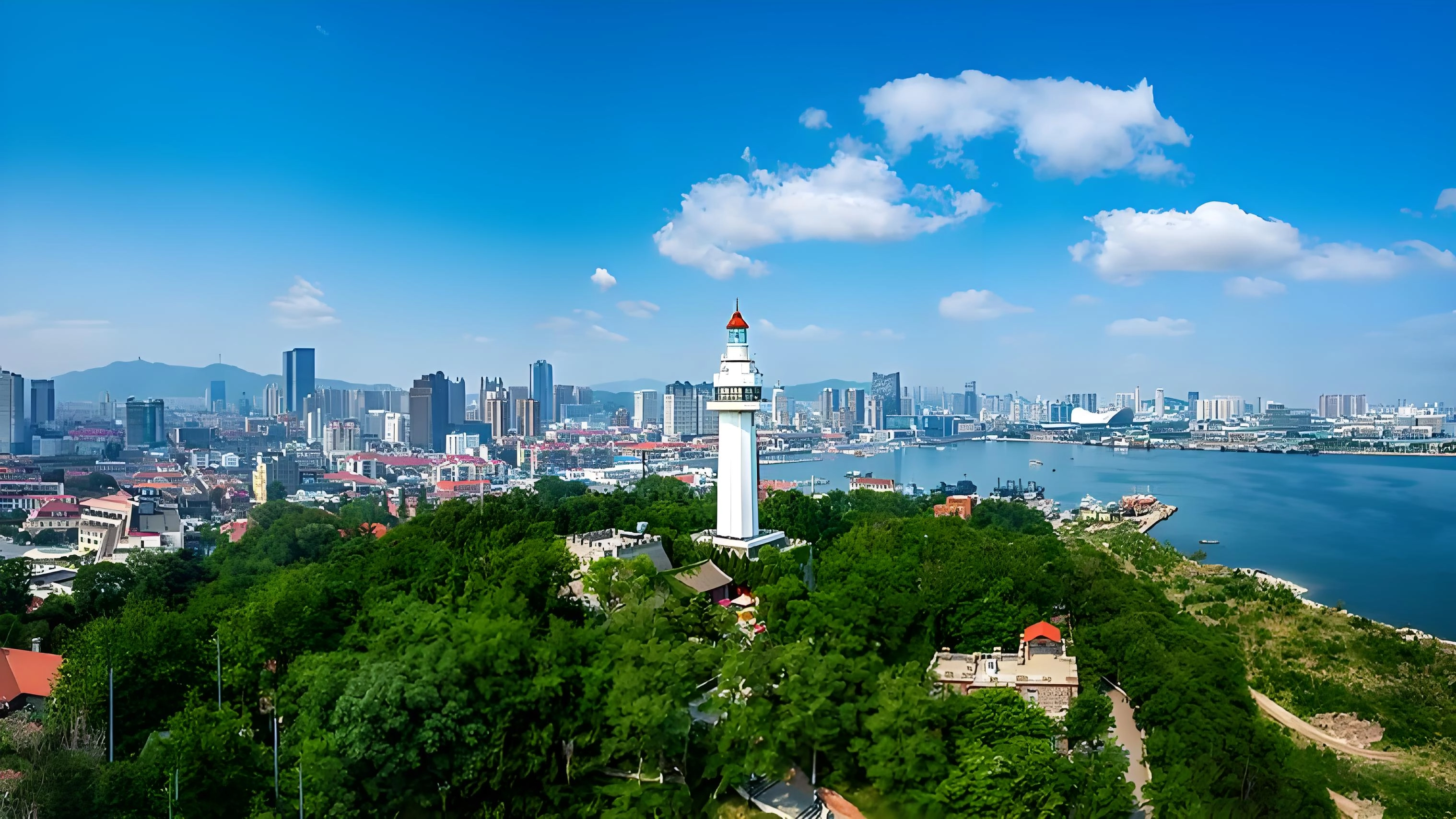
Nestled between mountains and sea, Yantai is refreshingly pleasant. Here lie the myths of Penglai Pavilion and the fragrance of wine. Legends of the Eight Immortals crossing the sea live on; today, Yantai presents modern wineries and international harbors, blending romance with reality.
In Qixia, the scent of apples drifts for miles; on Changdao, azure waves and fishing lights weave the softest dreams. Yantai’s sea is quiet, flowing with deep warmth between sunrise and sunset.
Weihai: A Peaceful Harbor Where Sea Meets Sky
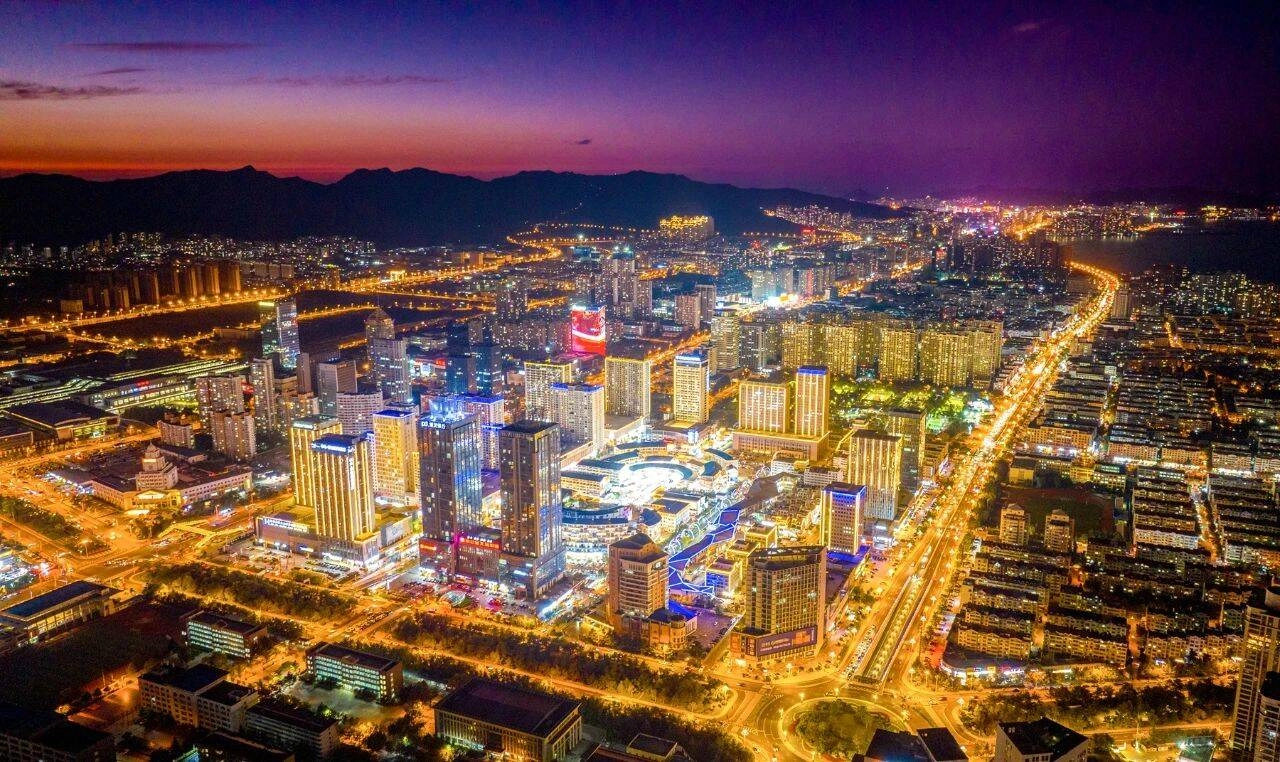
Weihai, a witness to China’s modern coastal defense, is also one of the country’s happiest seaside cities. The events of the Jiawu War on Liugong Island echo in history, but today Weihai transforms conflict into serenity, redefining a “sea of peace” with blue skies and sunlight.
The sunrise at Chengshantou, hailed as a “view to the world’s end,” and the bell tolls of Huancuilou blending with the sea breeze, lend the city a sense of tranquility and purity. Every breath of air here carries the taste of salt and calm, as if time itself pauses.
Tai’an: The City of Faith at the Foot of Mount Tai
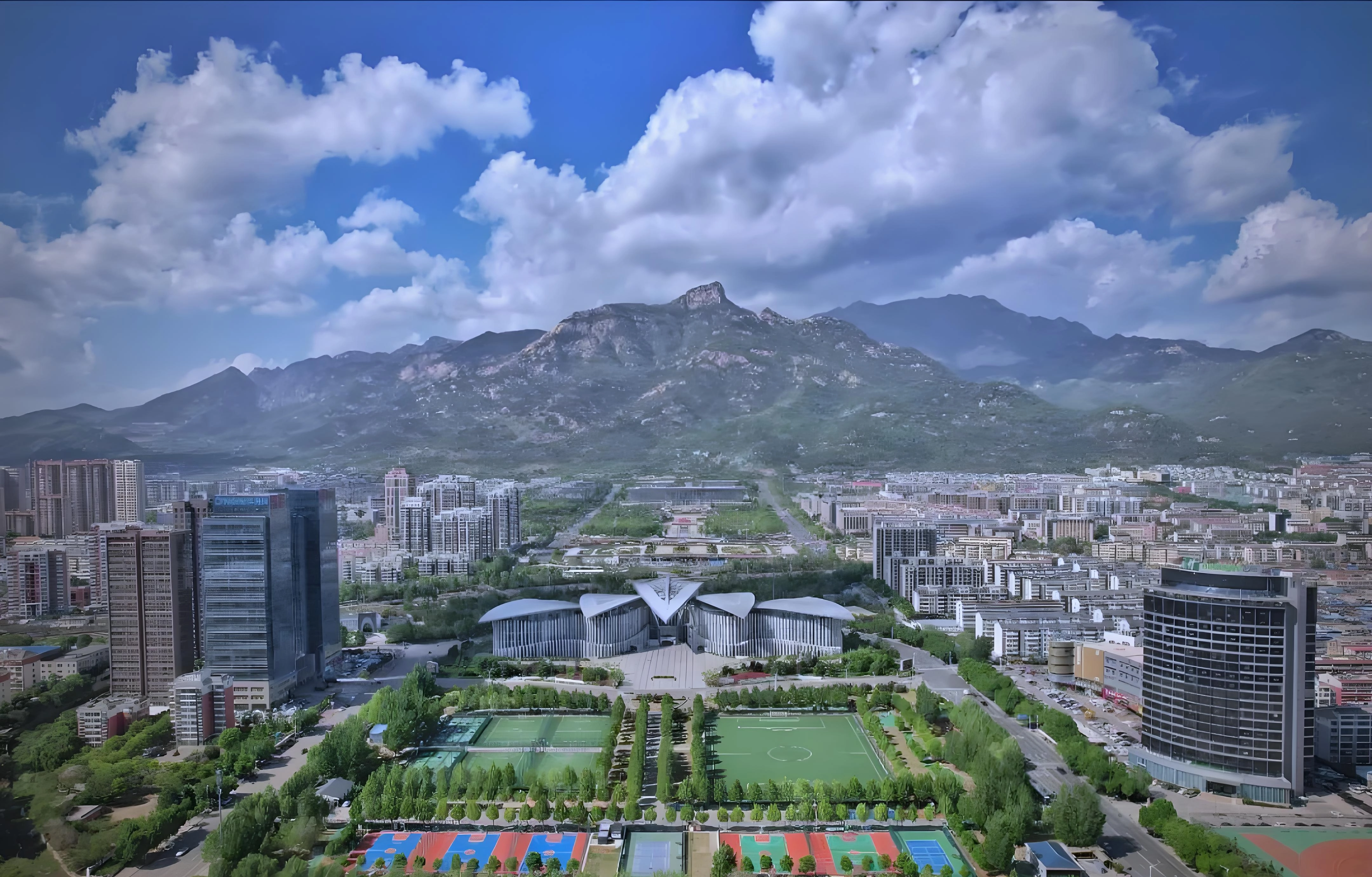
“Climbing Mount Tai makes all other mountains seem small”—beyond majestic scenery, this is a spiritual elevation. Tai’an lives because of the mountain and is named after it. Ancient rituals of heaven-worship prayed for national peace; today, pilgrims climb, expressing reverence and seeking inspiration.
Tianzhu Peak, Bixia Temple, and Dai Temple remain alive with incense, connecting hearts to the mountain across generations. A night ascent to Mount Tai to witness the sunrise evokes resonance between humanity, nature, faith, and strength.
Zibo: A Cultural City of Ancient Echoes and Modern Voices
Zibo, the ancient capital of Qi and the city of ceramics, preserves a millennia-long cultural legacy—Jiang Ziya fishing, debates at the Jixia Academy, Guan Zhong’s reforms shaping politics and thought.
Today, Zibo is famed as the “City of Pottery and Glaze.” The art of fire and clay is reborn, and at night, the glow of barbecue stalls mingles with ancient ambiance. Tradition and modernity intertwine to form a daily-life romance unique to Zibo.
Weifang: The Kite Capital of Craftsmanship and Spirit
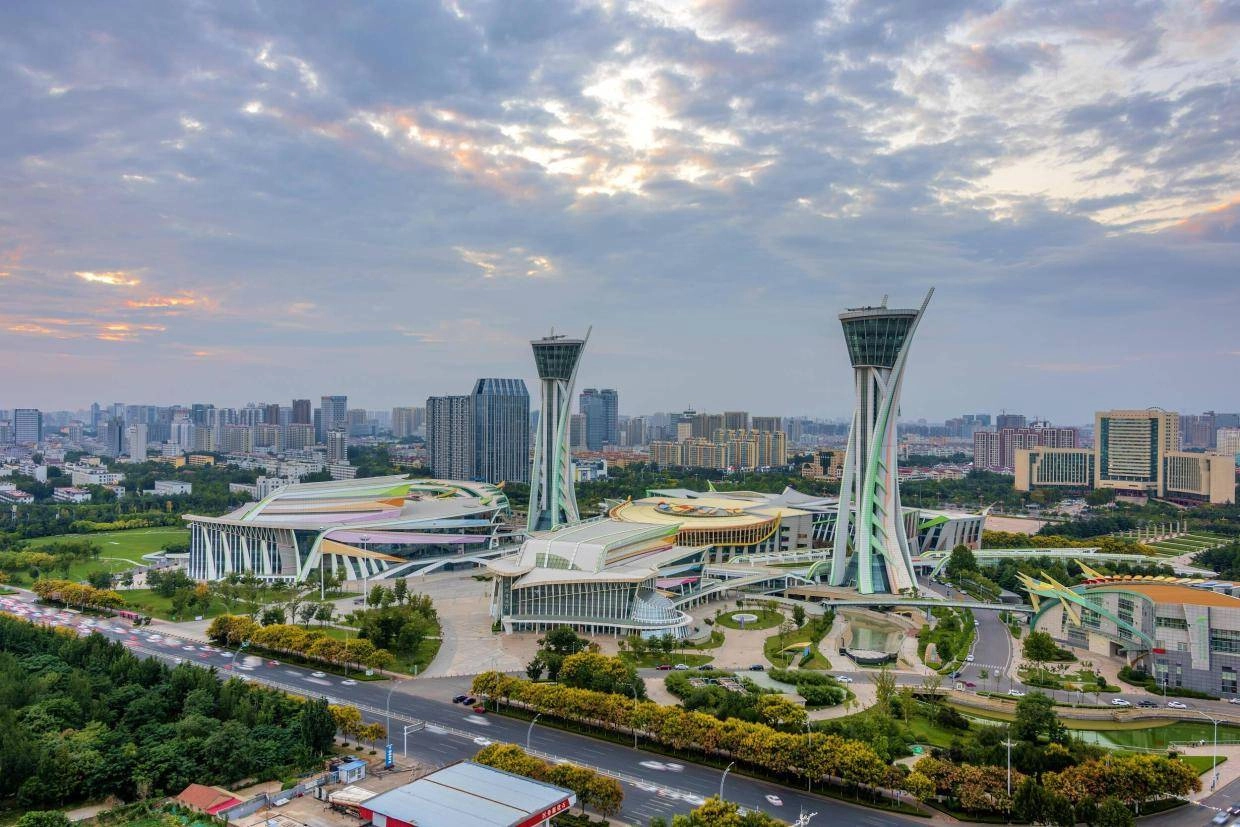
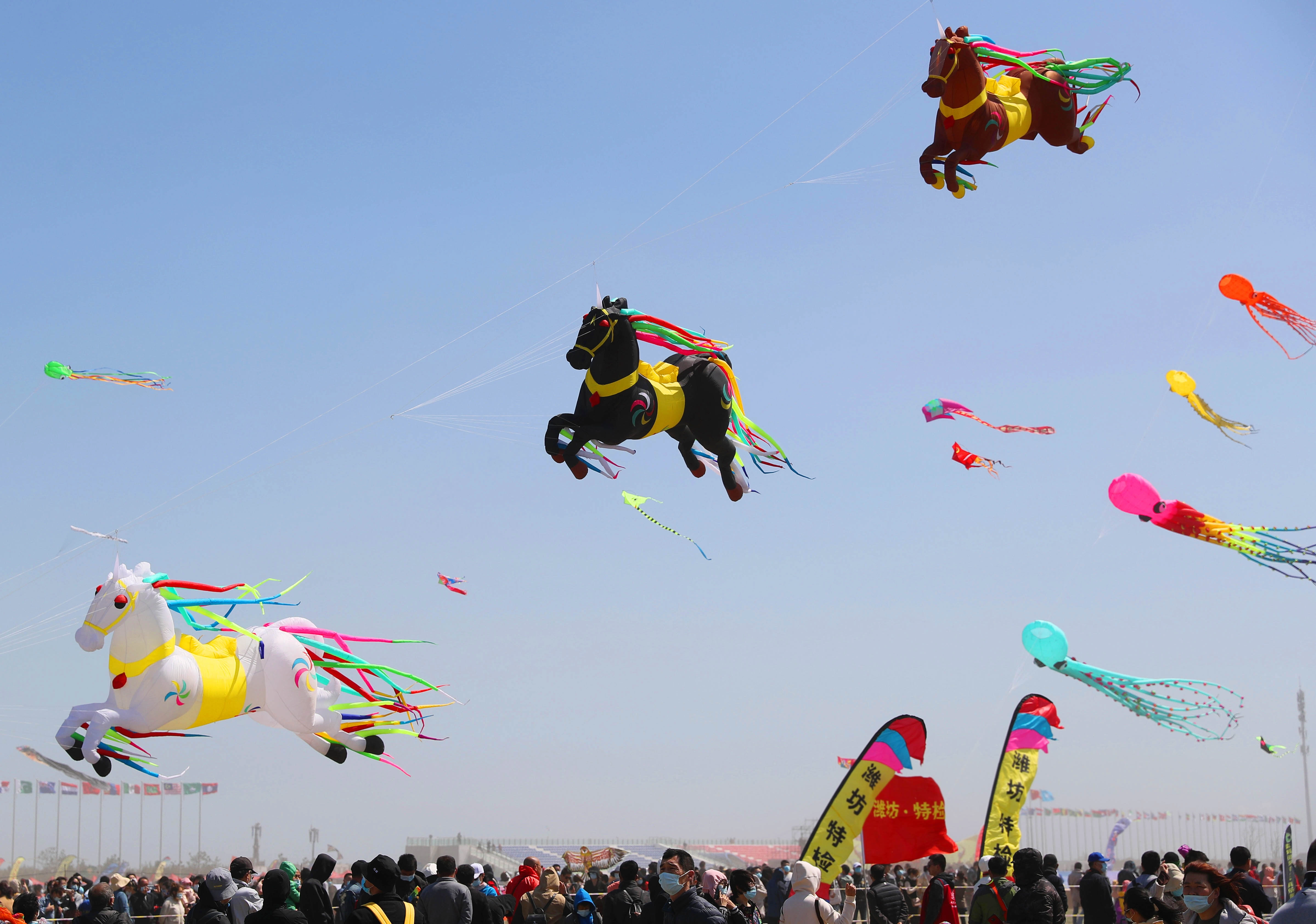
Weifang, a city lifted by the wind, celebrates the annual International Kite Festival each spring, painting the sky with vibrant dragons and soaring birds, symbolizing the freedom and boldness of Qi and Lu spirit.
Here, the lightness of kites meets the vibrancy of folk art. Yangjiabu woodblock New Year prints, rich in color and tradition, carry blessings and hope. Weifang is both “the hometown of wind” and a cradle of folk art.
Linyi: Hometown of Calligraphy and Military Strategy
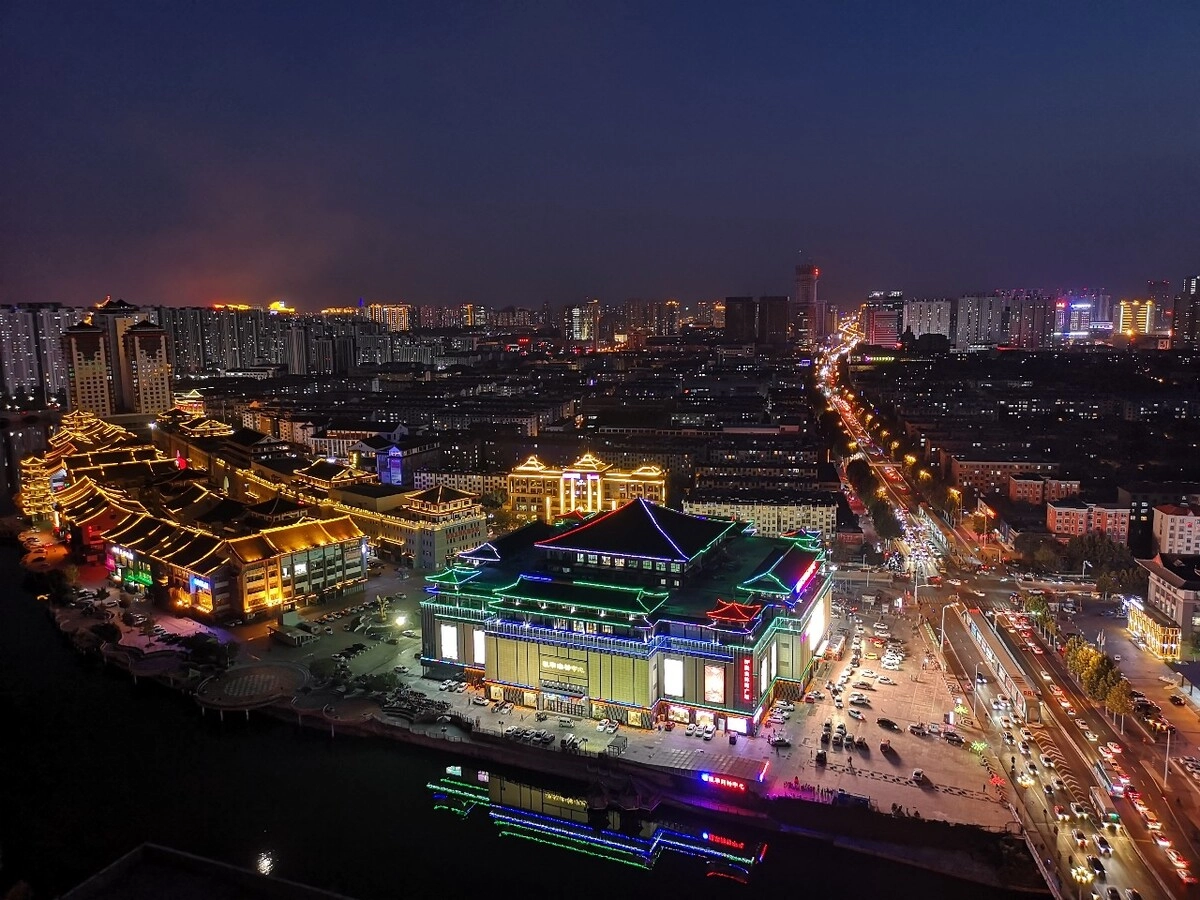
Linyi, anciently known as Langya, is a land of calligraphy and strategy. Wang Xizhi wrote the Preface to the Orchid Pavilion here, leaving a legacy of ink and brush for eternity; Sun Tzu and Sun Bin discussed military tactics, laying the foundations of warfare philosophy.
The Yi River flows through the city, reflecting lights on both banks, echoing the city’s enduring character. The red memories of the Yimeng Mountains add depth and warmth. Linyi embodies the Shandong spirit—cultivating intellect and standing resolutely with courage.
Other Cities: A Colorful Tapestry of Qi and Lu
If Jinan, Qingdao, and Qufu are the most iconic cultural symbols of Shandong, the remaining cities across Qi and Lu land shine like scattered stars, each contributing unique charm.
In the northern plains, Dezhou stands with ancient grandeur as a transport hub, its canals weaving history and culture. Its acrobatics showcase a harmony of strength and dexterity, reflecting the skill and resilience of Shandong people.
Southward along the canal, Liaocheng lies like a pearl by the water, known as the “Water City of Northern Jiang.” The vast Dongchang Lake, ancient city walls, and Guangyue Tower create a rare northern water town landscape.
At the mouth of the Yellow River, Binzhou stretches into a vast ecological expanse, where wetlands meet reeds, migratory birds glide, and fishing lights flicker—a display of pristine beauty and tranquility.
Further south, Zaozhuang reveals a “living ancient canal.” The cobblestone streets of Taierzhuang glow under lantern light; riverside wine flags flutter; ancient bridges lie quietly—melding history, memory, and everyday life.
Heze, famous for its peonies, bursts into color each spring. Endless fields of pink and white flowers exude fragrance across the city, creating not just a visual feast but a cultural celebration—a tribute to beauty and life.
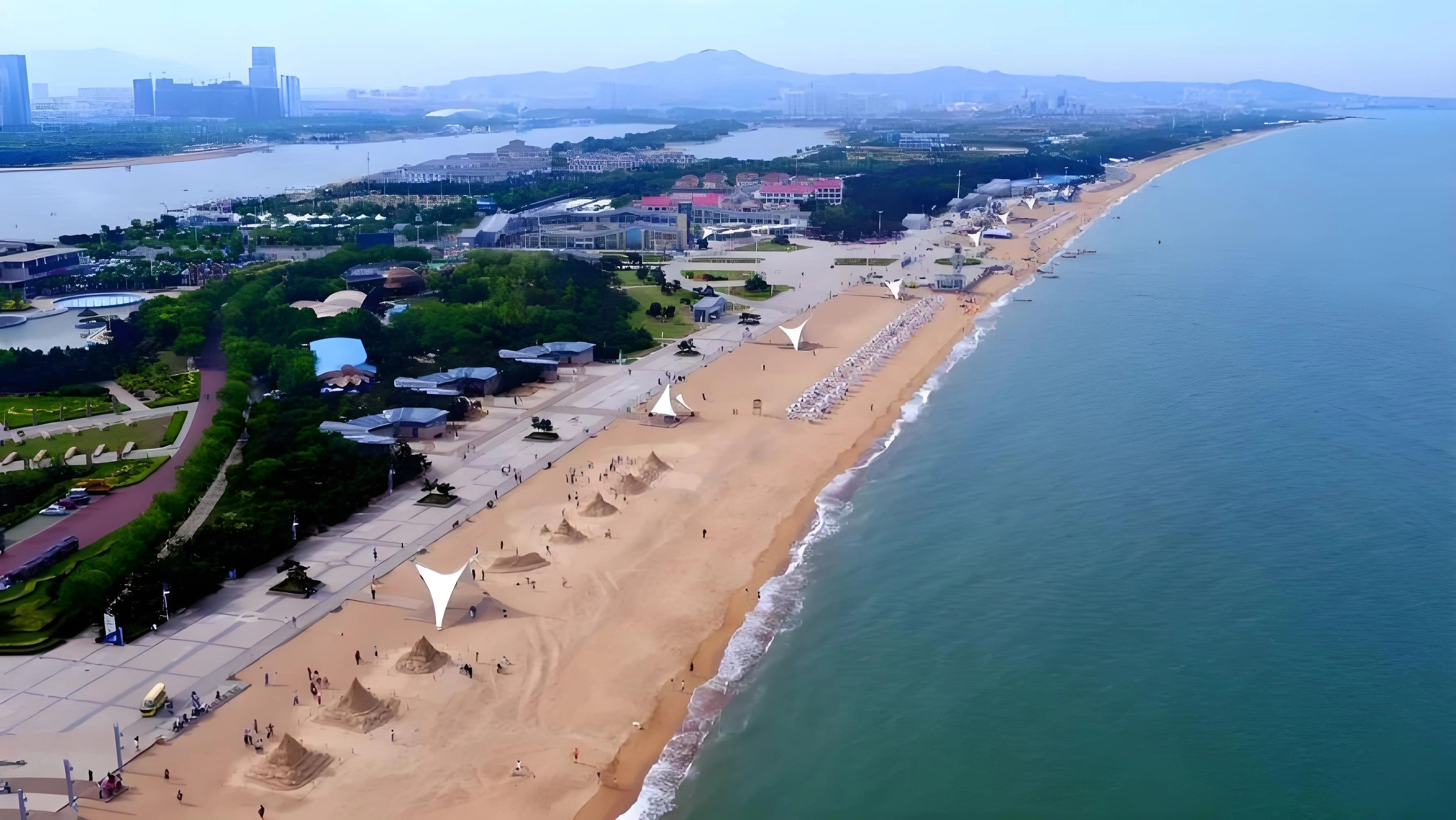
Rizhao, facing the sea, is a poem written in sunlight. Golden beaches, rolling waves, and sailing ports form a vibrant coastal canvas. As the “Sun City,” the first light of dawn brings a sense of renewal and vitality.
Nestled among mountains, Laiwu presents another facet of Shandong’s character. A red revolutionary land and steel city, surrounded by mountains and rivers, with the glow of industry reflecting its spirit, Laiwu embodies resilience, strength, and the boldness of Qi and Lu.
Each city contributes its own splendor, collectively weaving the soul of Shandong. From the waves of the Yellow River to murmuring springs, from the echoes of ancient canals to the roar of modern industry, this land interprets the vastness and depth of “mountains and seas in harmony.”
Sixteen cities, like sixteen movements of a symphony, rise and fall, together performing the grand musical epic of Qi and Lu. Mountains and seas as brush, culture as soul, and time as ink—Shandong, with enduring spirit and boundless creativity, continues to write its magnificent chapter in history.
Famous Sights and Attractions of Shandong
Shandong, this “sacred land of mountains and seas, a realm of etiquette,” combines majestic mountains, dynamic seas, and profound civilization to create one of the most magnificent pages of Chinese culture. Walking across the land of Qi and Lu, every mountain, every sea, and every ancient city reads like an epic in itself.
Sacred Mount Tai: Supreme Among the Five Sacred Mountains

In Qi and Lu, mountains are more than geographical high points—they are symbols of the spirit. Mount Tai, historically called Daizong, is hailed as the “First Mountain Under Heaven.” Since the rituals of Qin Shi Huang and Emperor Wu of Han, emperors have regarded ascending Tai as a grand event. When Confucius once climbed the mountain, he exclaimed, “Climbing Mount Tai makes all other mountains seem small,” expressing the mountain’s lofty symbolism.
At sunrise, amidst rolling clouds, one feels as though entering a heavenly realm. Along the trail from Red Gate through Zhongtian Gate to South Heaven Gate, winding stone steps, ancient pines, and countless inscriptions line the way. From the summit of the Jade Emperor Peak, one can see clouds over the four seas; staying overnight, the rustling wind through the pines resonates like the breath of heaven and earth.
At the foot lies the Dai Temple, surrounded by ancient cypresses and grand halls. The temple, devoted to Bixia Yuanjun, has long been famed as the “vestibule of paradise on earth.” Tai’an grew around it, and for centuries, pilgrims have come, cultivating a unique “mountain worship culture.”
In southern Shandong, Mount Meng echoes Mount Tai. Known as “Dongmeng,” it is renowned as “the second of the Tai Mountains.” Its verdant peaks shrouded in mist hide ancient temples, from which the soft sounds of Buddhist chants float. In spring, visitors enjoy flower seas; in autumn, frost-dyed leaves paint the mountains red.
Traces of the Sacred: Source of Civilization
Shandong is the birthplace of thought and faith.
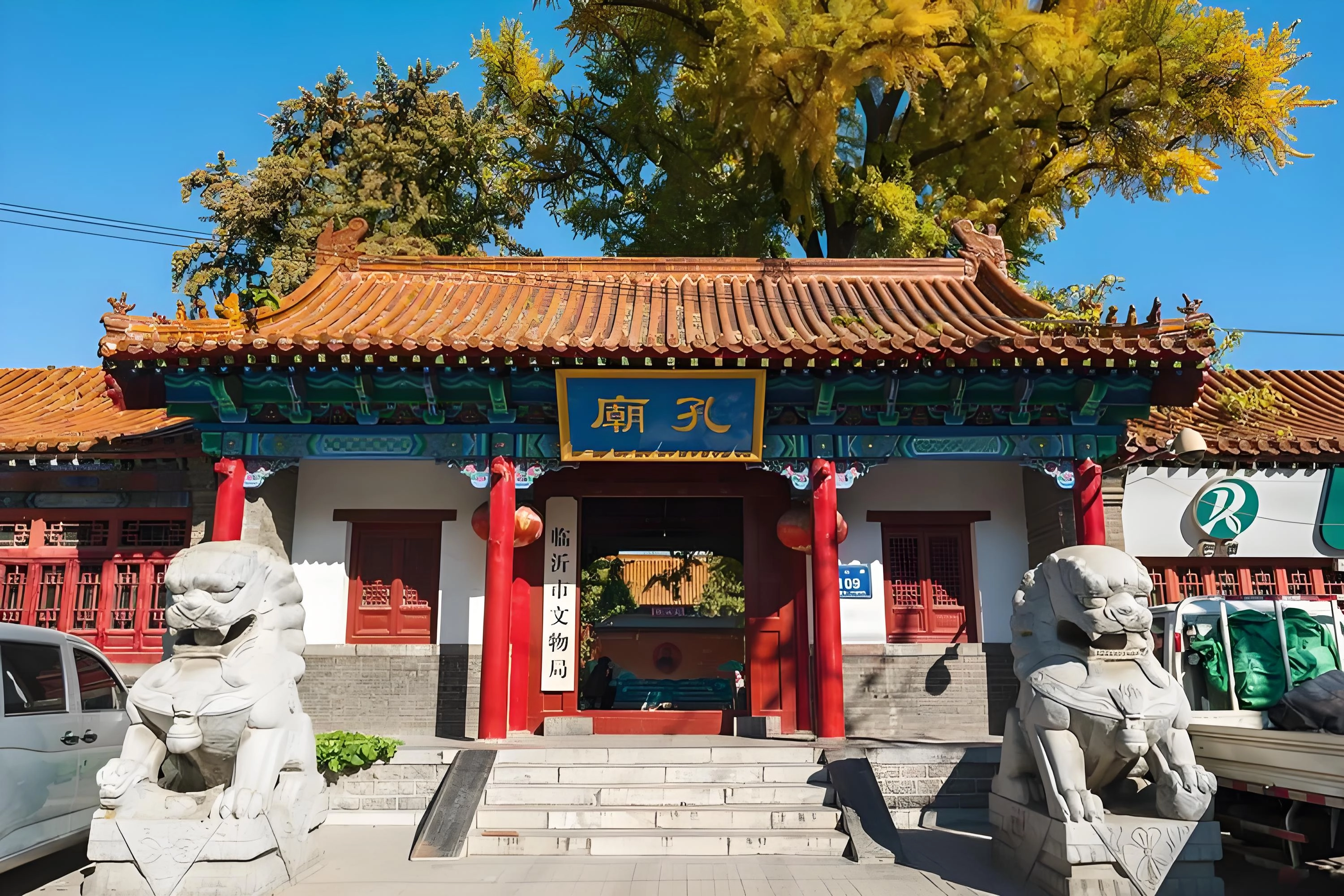 In Qufu, the thread of Confucian culture has remained unbroken for millennia. The Confucius Temple gleams with gold and incense, and its Forest of Steles stretches endlessly. Within the Confucius Mansion, the manners of the gentleman endure. The ancient cypresses of the Confucius Cemetery stand solemn, marking the resting place of Confucius and his descendants. Visitors here are not only paying respects but tracing the roots of Chinese spiritual heritage.
Nearby, in Zoucheng, the Mencius Temple and Mansion honor another sage. Mencius’ philosophy—“People first, state second, ruler last”—still inspires today.
Between the central mountains, the Qi Great Wall winds like a gray dragon, predating the Qin Wall by centuries and symbolizing the military wisdom of ancient Qi. Standing on its remnants, with mountains and clouds stretching afar, one can almost hear the echoes of war drums.
In Linzi, the ancient capital of Qi, the Shandong Museum preserves treasures such as the “Bronze Ding of Qi Marquis,” bronze mirrors, and terracotta warriors, recreating the glory of this “leader among nine states.”
Sea Wonders: Dreams of the Human World
Shandong’s coastline stretches over 3,000 kilometers, making it the most romantic northern maritime region in China.
At Penglai Pavilion, clouds surge around pavilions, and legends like “The Eight Immortals Cross the Sea” and mirages add a mythical aura. From the tower, the sky and sea merge, as if reaching a celestial realm.
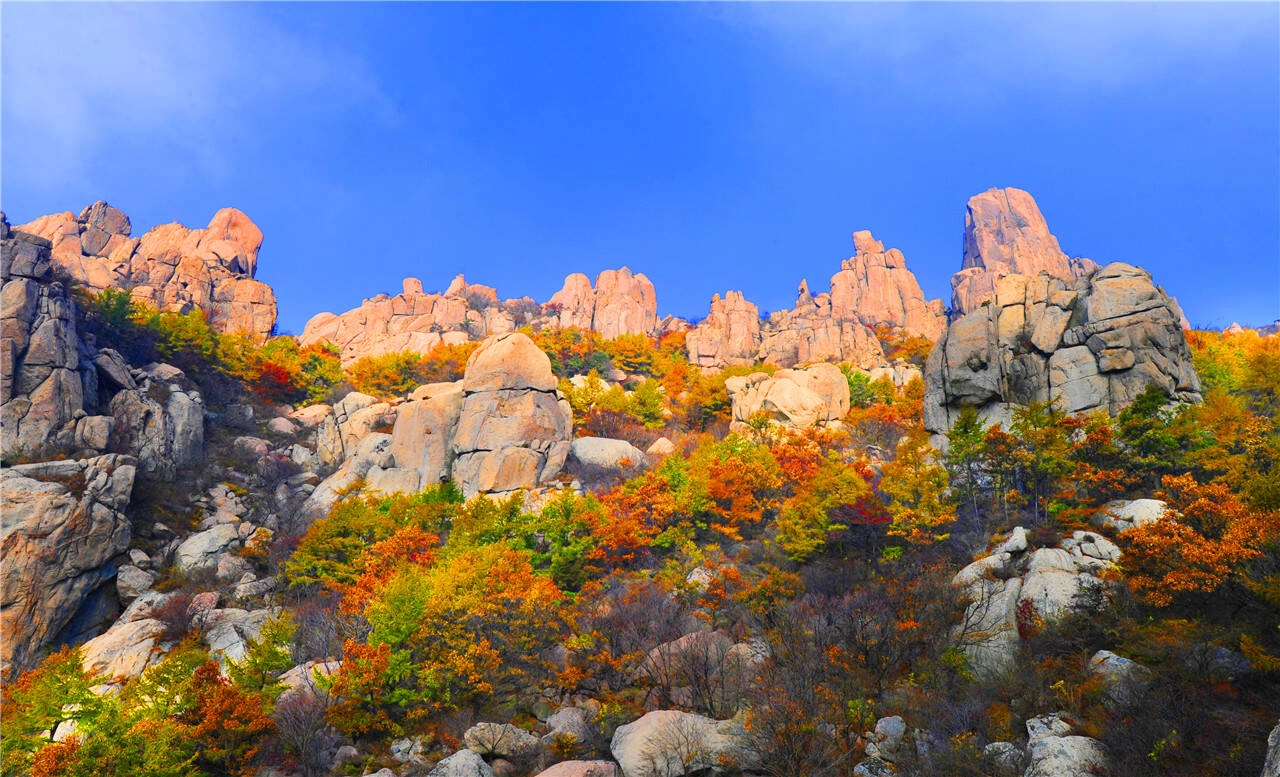
Mount Laoshan, “the number-one mountain on the sea,” rises east of Qingdao, shrouded in mist, with winding paths and numerous Taoist temples. Taiqing Palace and Shangqing Palace testify to the origins of the Quanzhen School. Waves crash at the foot, pine winds rustle above, blending nature and culture into poetry.
Qingdao’s coast exudes vitality and romance. Waves pound the Zhanqiao Pier, exotic architecture of Badaguan is reflected in verdant shadows, and from Signal Hill, the “red tiles, green trees, blue sea, and sky” of the city are revealed. Summer beer festivals and winter sea fog both display the city’s openness and diversity.
Weihai’s Liugong Island preserves the memory of the Jiawu War. Today, pine forests and sparkling waters surround museums and fortresses, narrating a tragic chapter in national history while witnessing the awakening of the nation.
In Yantai, the scent of wine mingles with the sea breeze. The Changdao Islands scatter like jade beads across the water; jagged rocks and soaring seagulls add charm; islands such as Yangma and Zhifu offer the gentlest coastal scenery in northern China.
Rizhao, in the south, is known as the “Sun City of the East.” Golden beaches, white surf, and sails dotting the horizon symbolize youth and hope. Here, the morning sun shines earliest in the East.
Dynamic Springs, Radiant Mountains and Lakes
If Mount Tai is Shandong’s backbone, springs are its lifeblood. Jinan’s springs flow tirelessly for millennia, nurturing the city’s spirit. Baotu Spring bursts skyward in three streams; Black Tiger Spring roars like a tiger; Pearl Spring sparkles like jewels on jade. Climbing Qianfo Mountain or touring Daming Lake, mountains and waters weave poetry. At night along the city moat, flickering lights and murmuring springs reveal the soft charm of Qi and Lu.
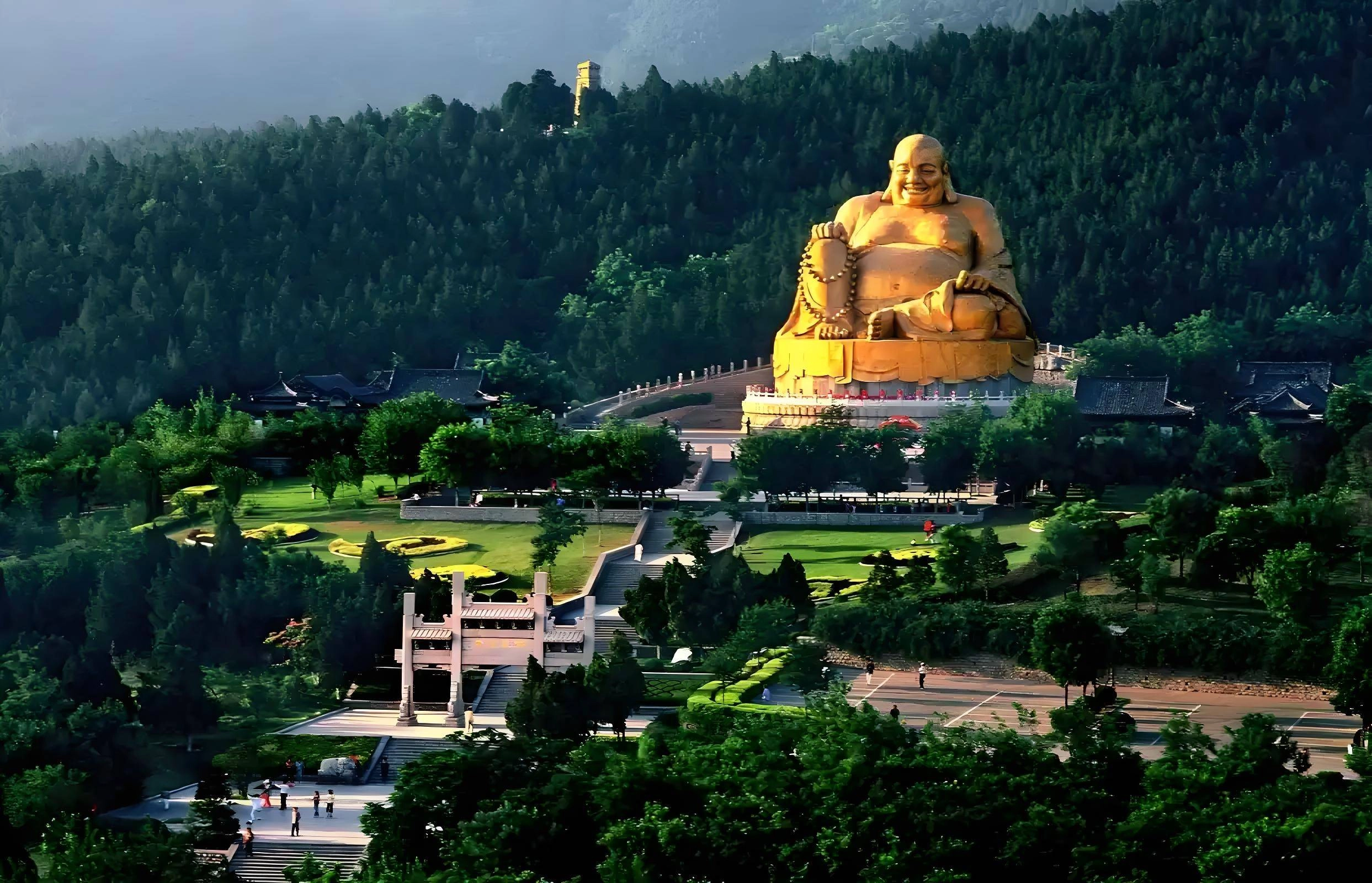
In the southwest, Weishan Lake spans vast waters and carries the fragrance of lotus for miles. Not only the largest freshwater lake in northern China, it was the setting of Railway Guerrillas. Fishing boats dot the lake, egrets flutter, and in summer, blooming lotus saturates the land with fragrance.
Art at Your Fingertips: The Living Imprint of Qi and Lu
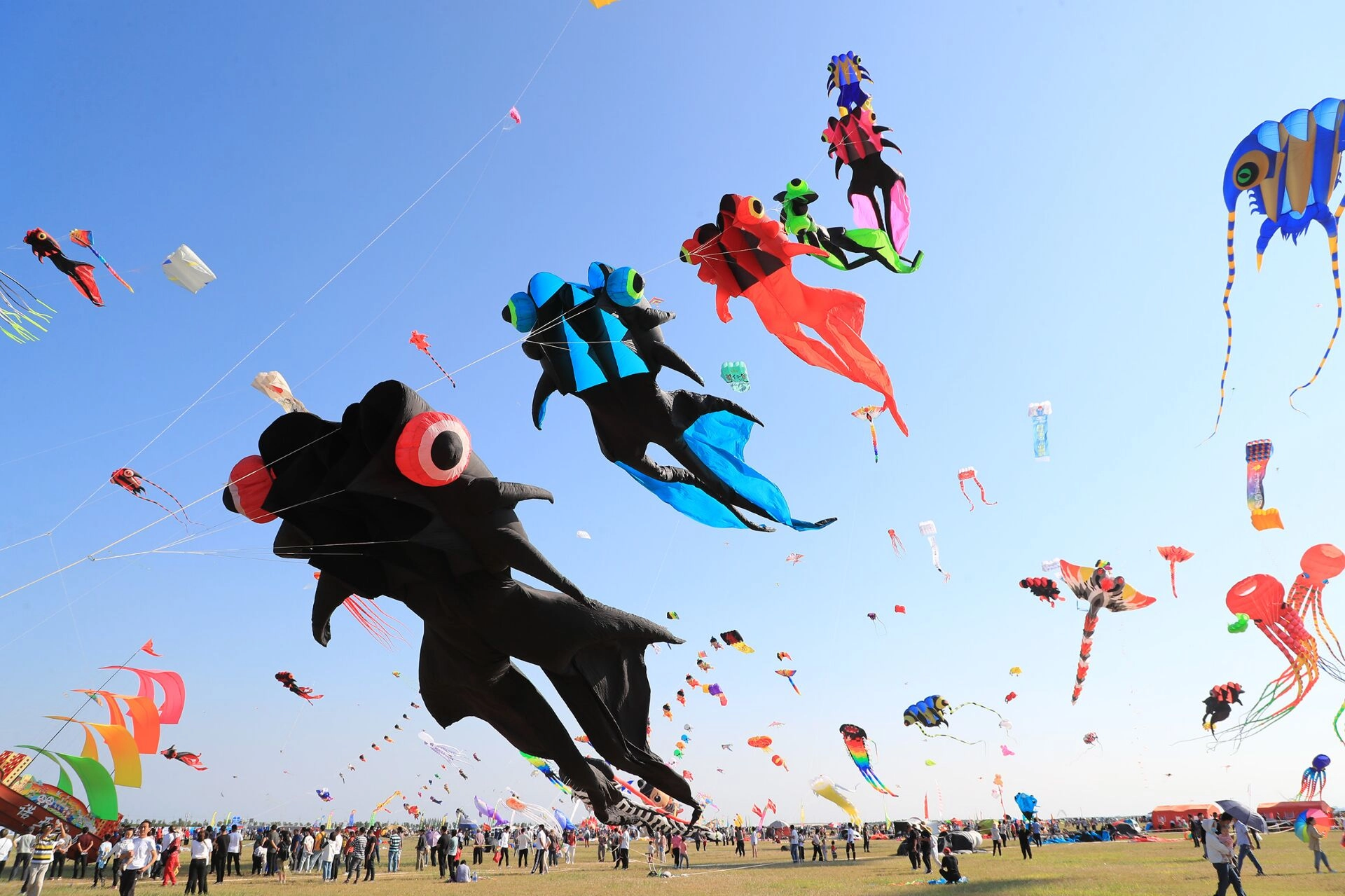
Shandong’s culture flows not only in its landscapes but also through the hands of its people. Weifang kites soar like art in the spring wind. Yangjiabu New Year prints and kites blend with bold strokes and vibrant colors. During the annual International Kite Festival, kites from across the world gather, symbolizing freedom, wishes, and connection.
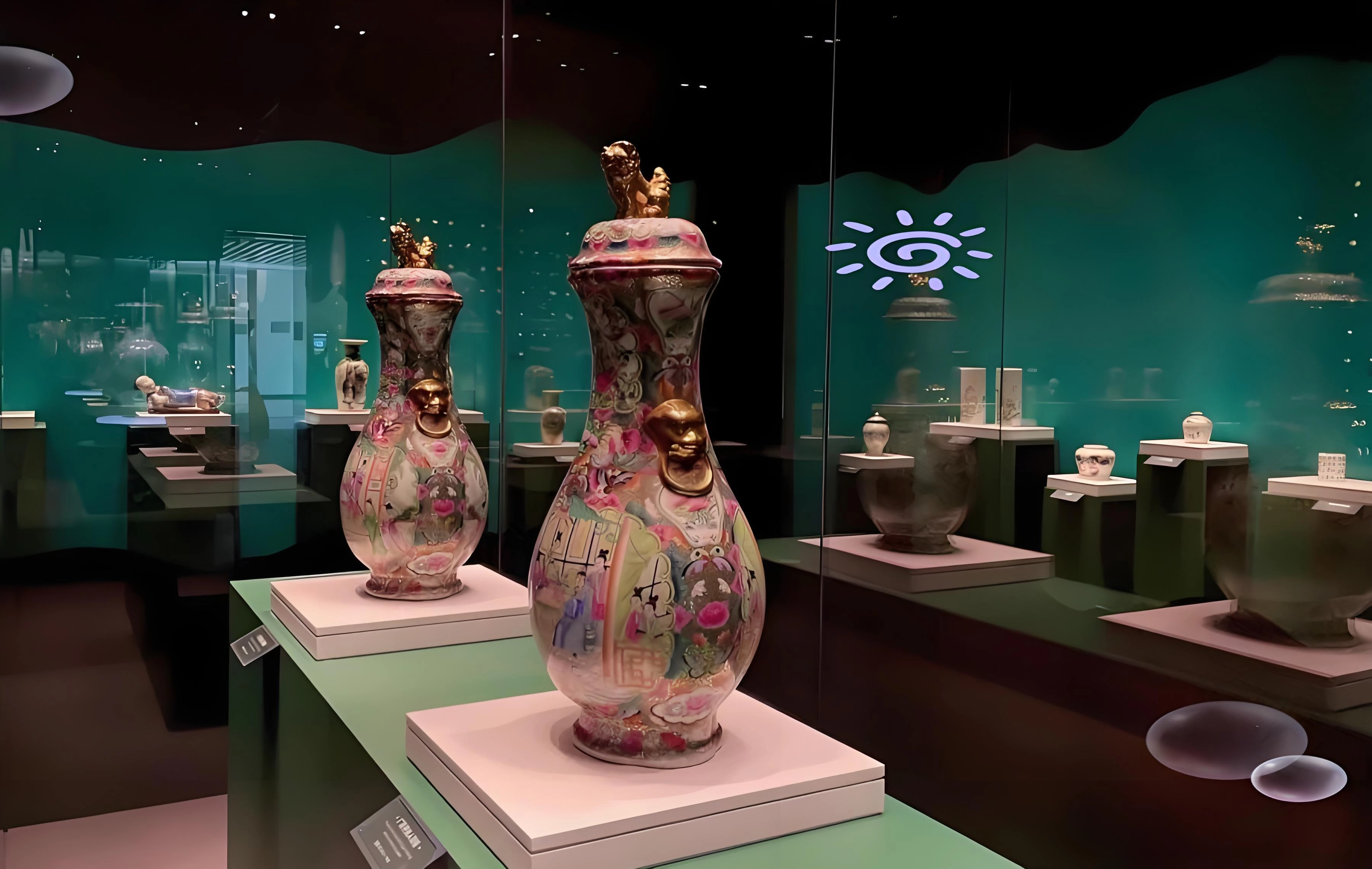
Zibo ceramics and glass are the crystallization of fire and clay. Millennia-old kilns burn on, from eggshell black pottery to modern glass, showcasing Shandong artisans’ creativity. In the Zibo Ceramics & Glass Art Museum, crystalline glass pieces reflect the light of a thousand years of civilization.
Weifang woodblock prints, Linyi stone calligraphy, Tengzhou micro-carving, Laizhou jade carving, Boshan glassblowing—these intangible cultural heritages pulse with history, testifying to the dedication and legacy of Shandong artisans.
A Symphony of Culture and Nature
From the towering Tai Mountain to the sea-bound sacred peaks, from sages’ hometowns to spring-fed villages, Shandong is a weighty epic of civilization. Mountains as bones, seas as soul, springs as blood, craftsmanship as veins—together they form the eternal image of Qi and Lu splendor.
Climb Mount Tai to overlook the land; listen to the springs of Jinan, gaze at the sea in Qingdao; bow at Confucius’ gate in Qufu or fly a kite in Weifang—you will understand: Shandong is not merely a land, but a manifestation of culture, a symbol of a spirit that “holds virtue as weighty as the earth and embraces all rivers and seas.”
Cuisine and Specialties of Shandong
A Taste of Qi and Lu
Shandong, where mountains meet the sea and natural bounty abounds, has long been known as a “land of culinary tradition.” The flavors of Shandong combine the refinement and generosity of Lu cuisine, the freshness of the coast, and the sweetness of the countryside. From the grand feasts of emperors at Mount Tai to the simple seafood dishes at local fishing docks, every bite embodies the character and spirit of this land.
Authentic Lu Cuisine — The Foremost of China’s Eight Culinary Traditions
Lu cuisine, the leading style among China’s eight great cuisines, originates from the rich cultural heritage of Qi and Lu. It emphasizes balance of flavor, precise technique, and preserving the original taste of ingredients. Known as “the foundation of state banquets,” it values both timing and knife skills.
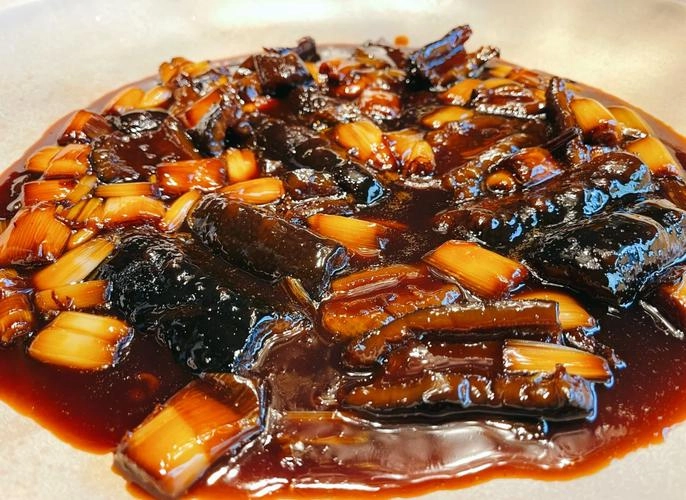
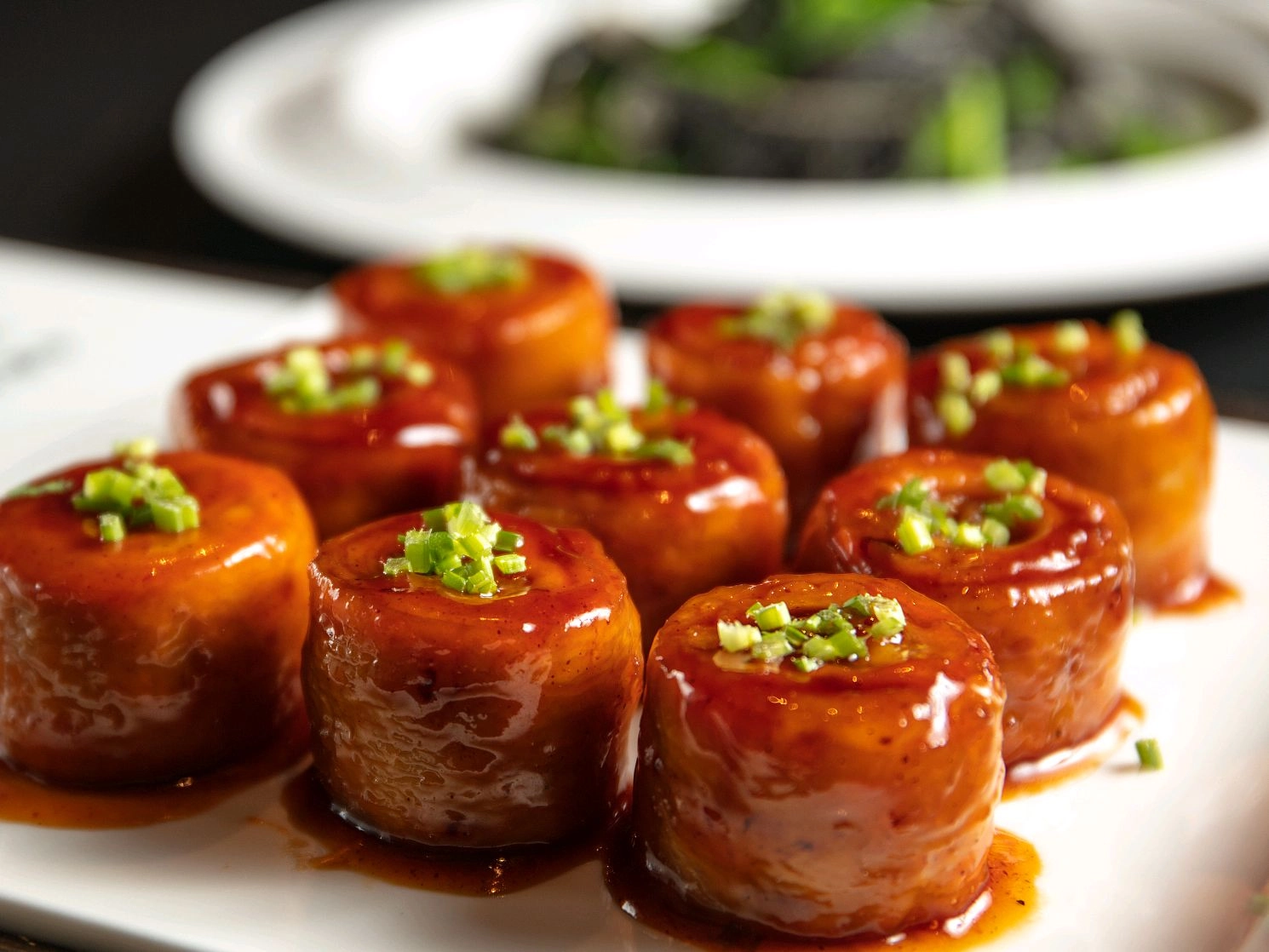
Local Flavors — Everyday Life in Qi and Lu
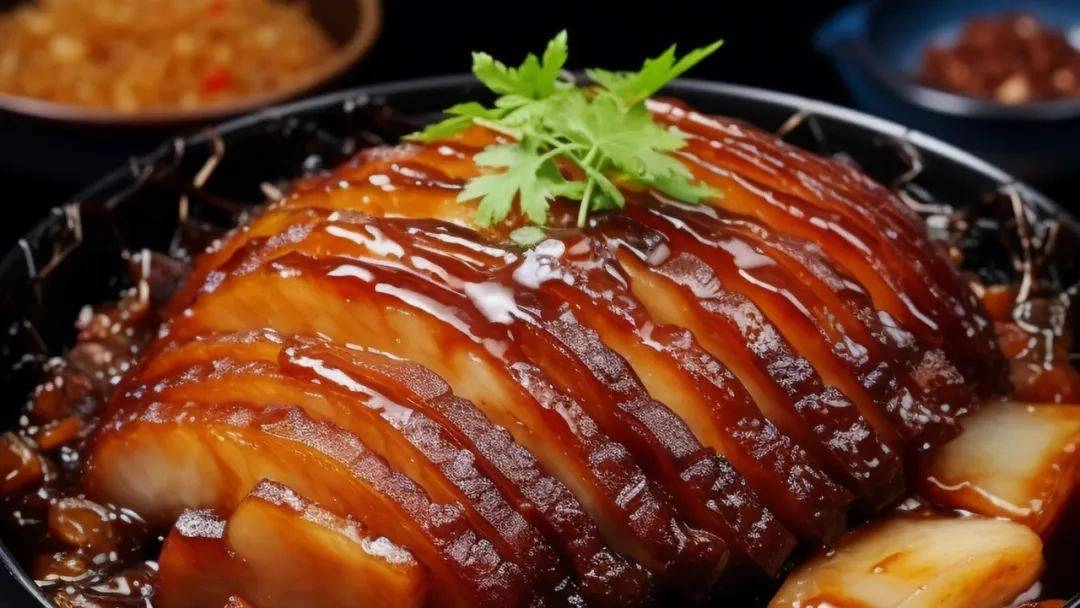
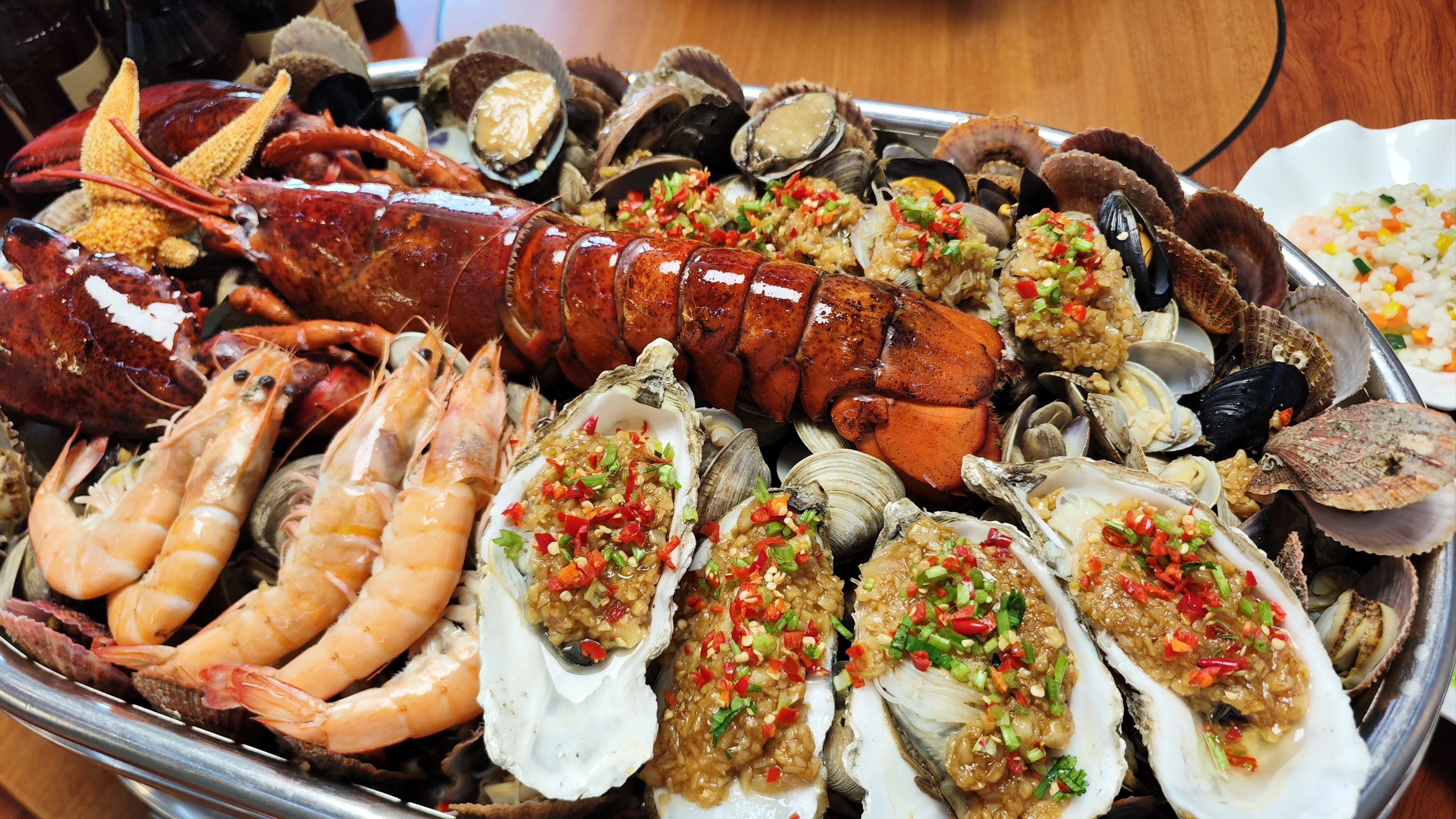
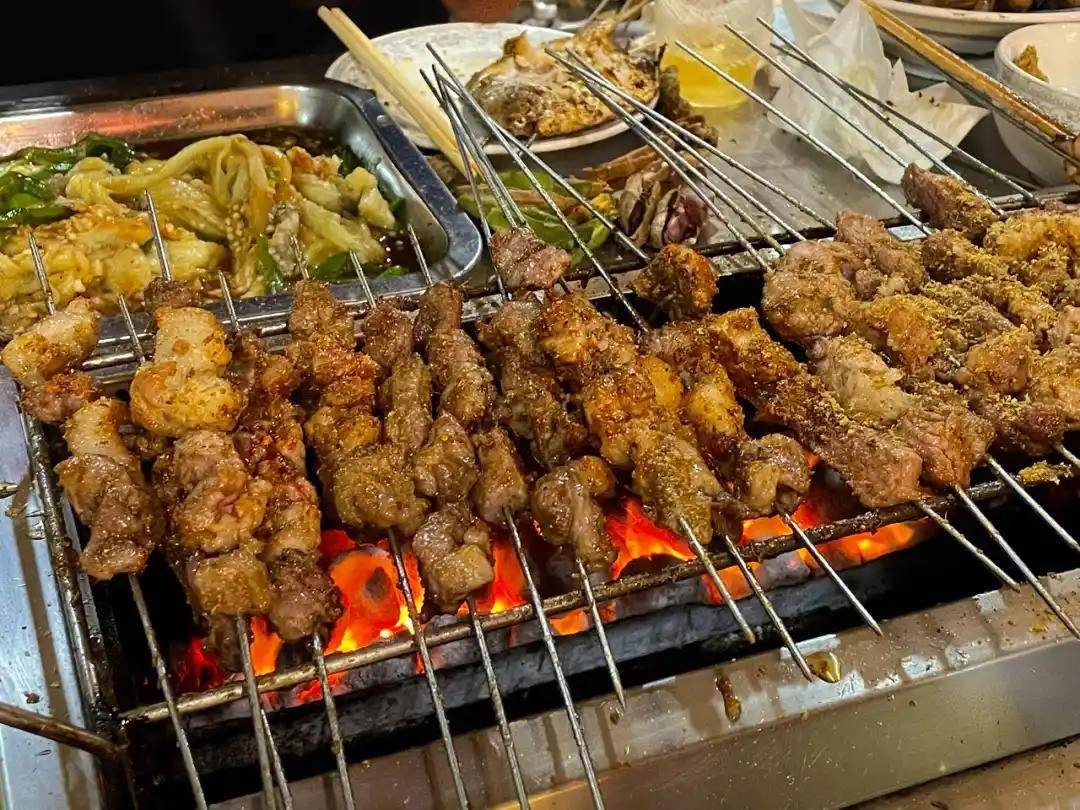
Specialties — From Taste to Memory
Flavors in Qi and Lu, Emotions in Mountains and Seas
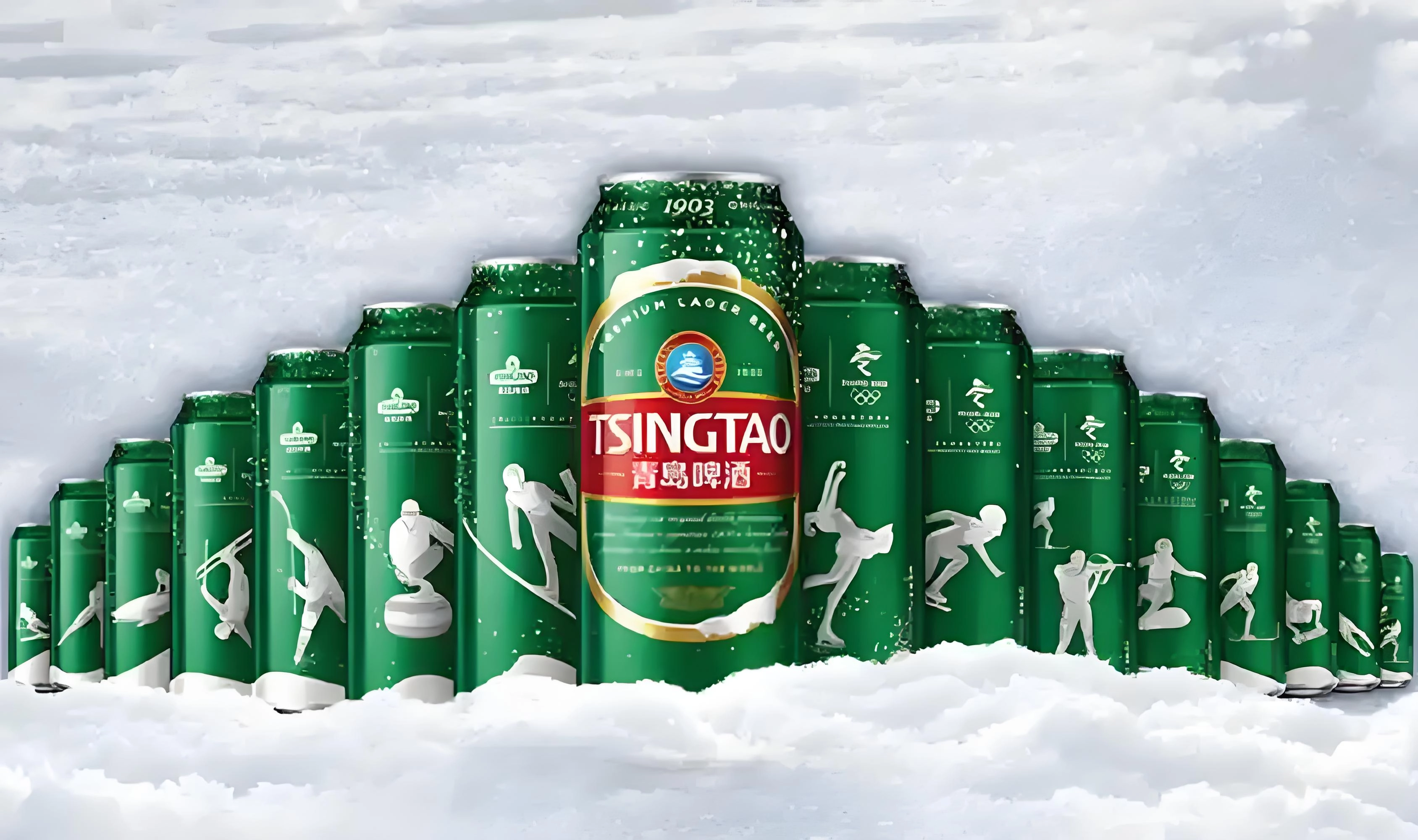
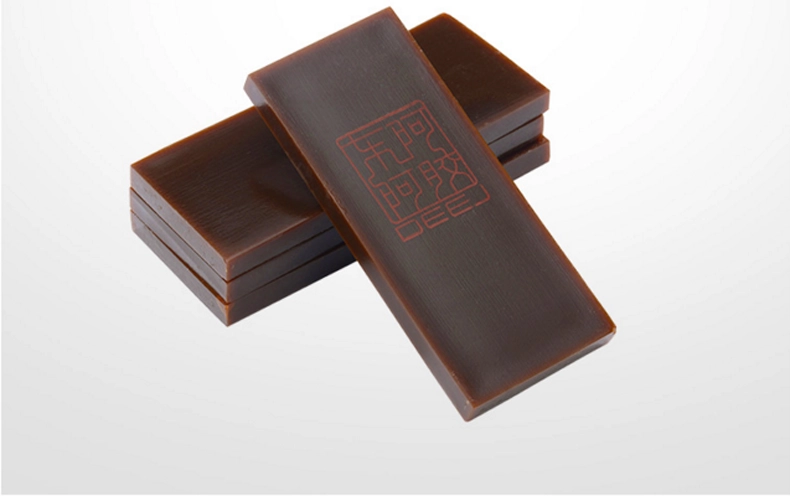
The taste of Shandong is more than a table of exquisite dishes; it is a philosophy of life. It values timing and moderation, honors the original flavor of ingredients, and pursues craftsmanship. From the Confucius Mansion cuisine at the foot of Mount Tai, to seafood feasts along the Yellow Sea; from the rich aroma of Ejiao to the crisp refreshment of Tsingtao beer—every flavor tells a story of people, place, and emotion. Flavors in Qi and Lu, emotions in mountains and seas. It is a memory both weighty and tender—capable of entering grand halls, yet warming the hearts of everyday life.
The Splendor of Qi and Lu: An Eternal Symphony of Mountains, Seas, and Civilization
Shandong, an ancient yet vibrant land, has mountains as its backbone, seas as its soul, springs as its blood, and civilization as its pulse, composing one of the most magnificent chapters of Chinese culture. From the majestic sunrise atop Mount Tai to the vast mists over Penglai Pavilion; from the ritual and musical heritage of Confucius Temple in Qufu to the craftsmanship of Weifang kites and Zibo ceramics; from the lively spring waters of Jinan’s Baotu Spring to the joyous sips of Tsingtao beer in Qingdao—every landscape and every taste embodies the living essence of Qi and Lu.
Here, the interplay of mountains and seas nurtures abundant resources and diverse cultures; long-standing history shapes the soul of cities and the dignity of ancient sites; rich cuisine and local specialties carry folk wisdom and the warmth of life. Shandong is more than a geographical name—it is a cultural symbol, a spiritual emblem: weighty yet inclusive, resilient yet gentle.
Walking across the land of Qi and Lu, one realizes that every mountain, every river, every city, and every dish narrates a dialogue between humans and nature, history and modernity, tradition and innovation. The splendor of Shandong belongs not only to the past but continues into the present and will illuminate the future.
Related Vocabulary
| Chinese | Pinyin | English |
|---|---|---|
| 山东 | Shāndōng | Shandong |
| 泰山 | Tài Shān | Mount Tai |
| 曲阜 | Qūfù | Qufu |
| 孔庙 | Kǒng Miào | Confucius Temple |
| 蓬莱阁 | Pénglái Gé | Penglai Pavilion |
| 济南 | Jǐnán | Jinan |
| 趵突泉 | Bàotū Quán | Baotu Spring |
| 青岛 | Qīngdǎo | Qingdao |
| 烟台 | Yāntái | Yantai |
| 威海 | Wēihǎi | Weihai |
| 潍坊 | Wéifāng | Weifang |
| 淄博 | Zībó | Zibo |
| 临沂 | Línyí | Linyi |
| 济宁 | Jǐníng | Jining |
| 青岛啤酒 | Qīngdǎo Píjiǔ | Tsingtao Beer |
| 海参 | Hǎishēn | Sea Cucumber |