Shaanxi — The Scroll of Three Qin's Universe
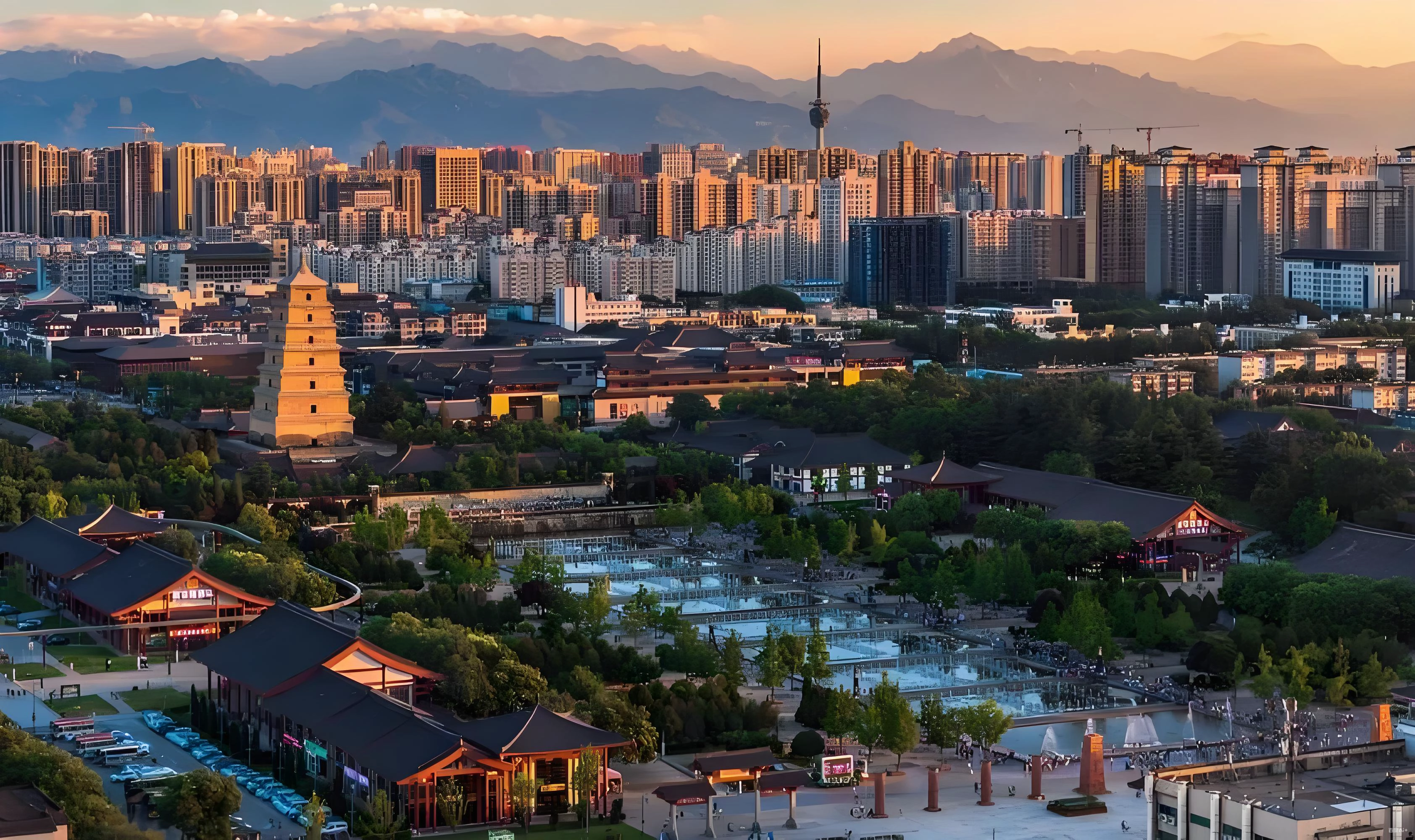
In the mighty river of Chinese civilization, Shaanxi has never been merely a site for nostalgic reflection. It is a hidden treasure of nature's abundance, demanding quiet contemplation and a spiritual connection. Its three major regions, stretching from north to south, are the magnificent, naturally resonant upper, middle, and lower volumes of this celestial text. From the vast loess ridges of the north, to the imperial provinces of the central plains, to the misty rains of the Qinba Mountains in the south—every piece of land is a silent historian, etching an eternal chronicle with mausoleums, beacon towers, Qin ethos, and Han moonlight. To set foot in this land is to cease being a hurried traveler and become a reader holding a candle, embarking on a soul-stirring dialogue with the nation's resplendent history.
The Character of Shaanxi: Mountains and Rivers as Its Bulwark, Climate as Its Pulse
To appreciate the universe within Shaanxi's three regions, one must first understand the grand design of nature that shaped it—its unique topography and climate. Shaanxi, as its name "Three Qins" signifies, is a vast canvas pieced together from plateaus, plains, and mountains, a three-dimensional epic narrated alternately by the howling winds and the soft, humid rains.
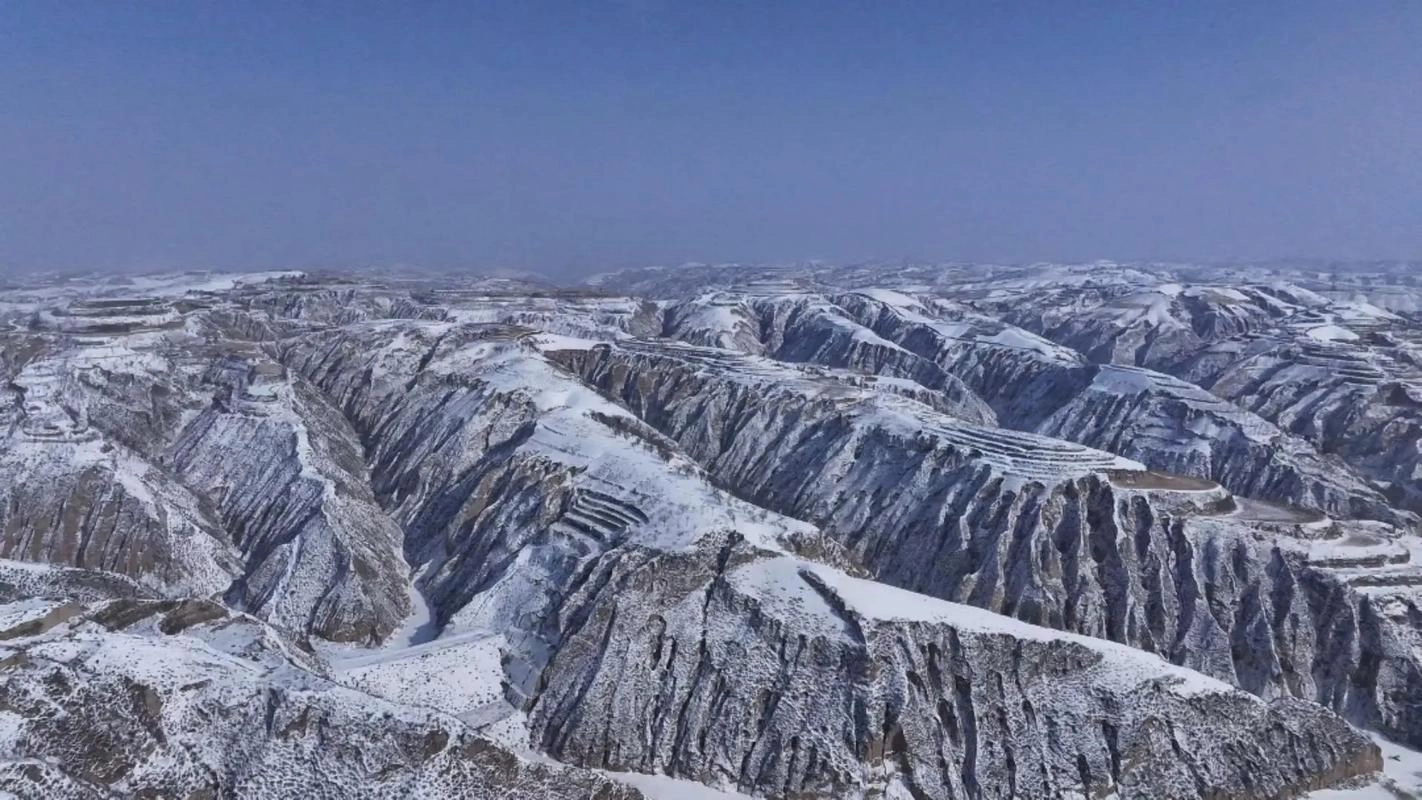
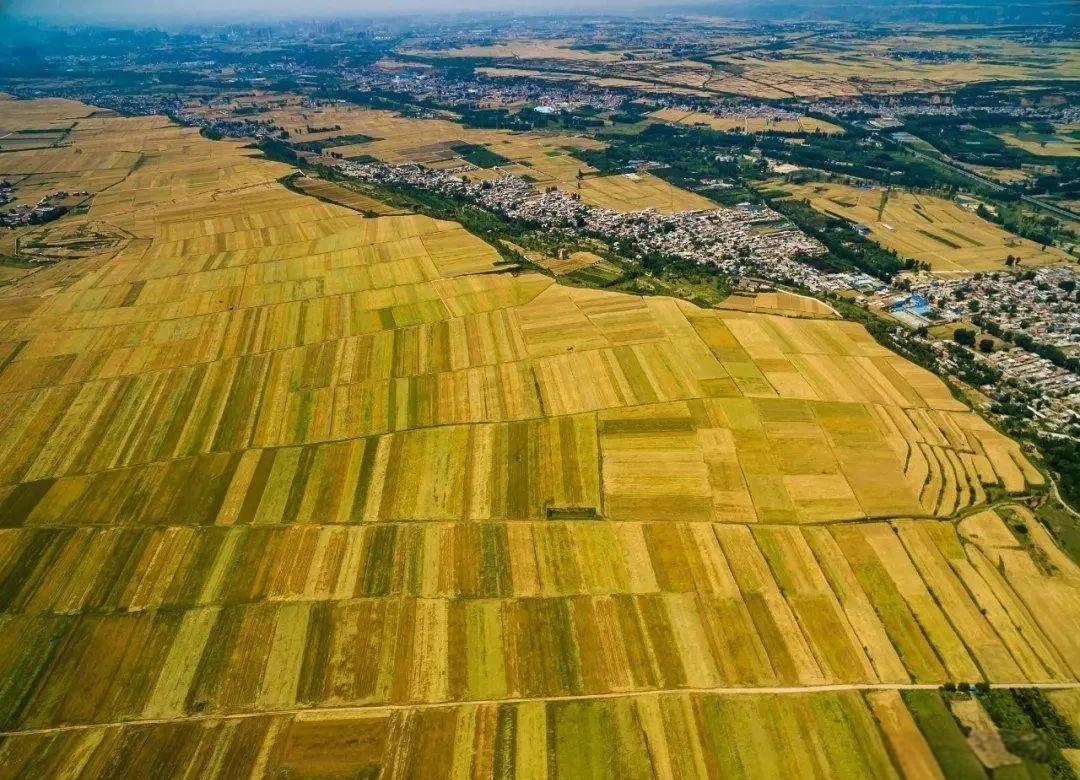
Topography: The Heavenly Framework of "Three Qins Standing Side by Side"Shaanxi's structure is a majestic symphony composed by the Loess Plateau, the Wei River, and the Qinling Mountains.

Climate: The Spatiotemporal Variations of North-South Blending
Stretching across three climate zones, Shaanxi displays a typical climatic transition from north to south.
The concept of "Three Qins Standing Side by Side" in Shaanxi not only outlines its geographical contours but fundamentally shapes its cultural DNA—blending the bold resilience of the Northern Shaanxi Plateau, the profound depth of the Guanzhong Plains, and the graceful elegance of the Southern Shaanxi Highlands. To understand this is to perceive Shaanxi not merely as an administrative division, but as a living entity with soul and dimension—one that has breathed the smoke of a million years of civilization.
The Soul of Shaanxi: A Register of Luminaries
In Shaanxi, every handful of earth might conceal a legend, every Qin brick might echo a name. Here, history is never abstract. It is the ambition and fear of emperors and generals, the triumphant songs and quiet murmurs of poets and scholars, the immortal marks left by vivid lives in the torrent of their times.
Emperors and Generals, Commanding the World
They stirred the winds and clouds here.
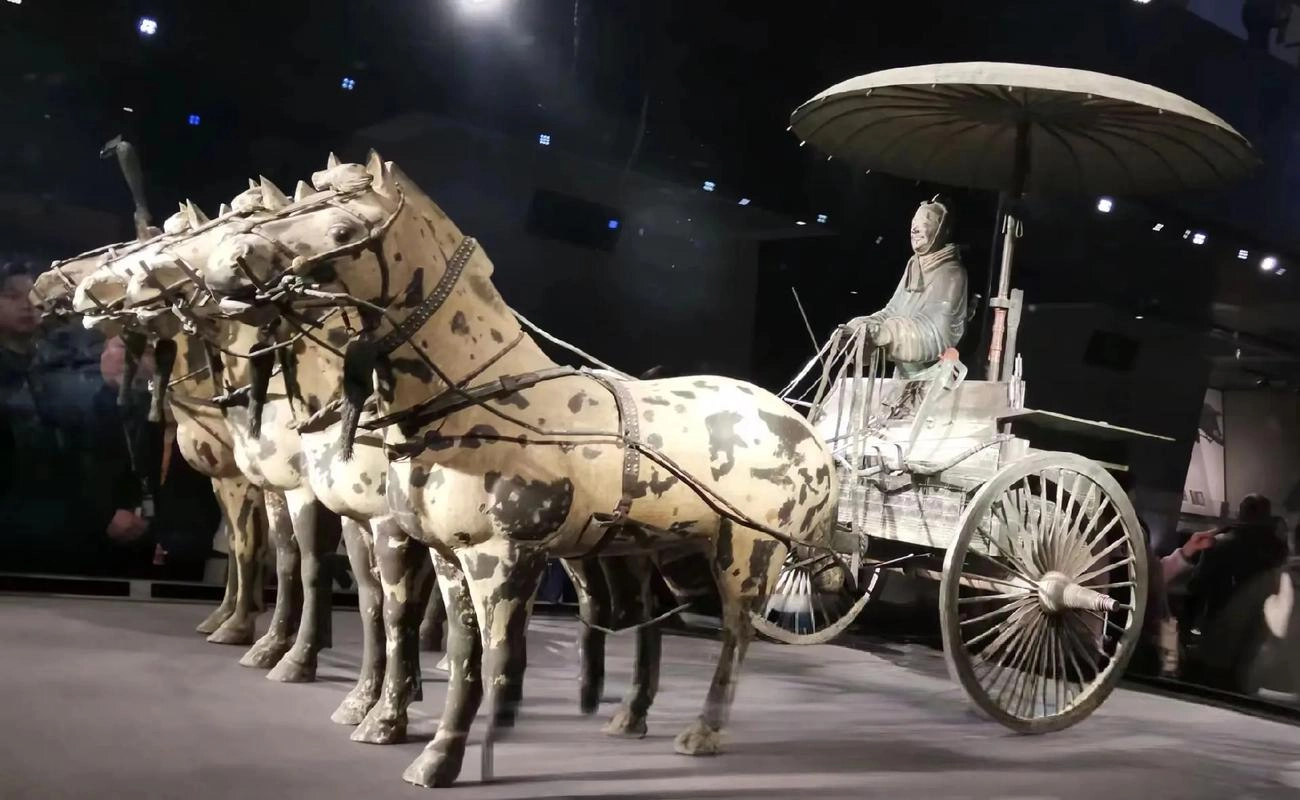
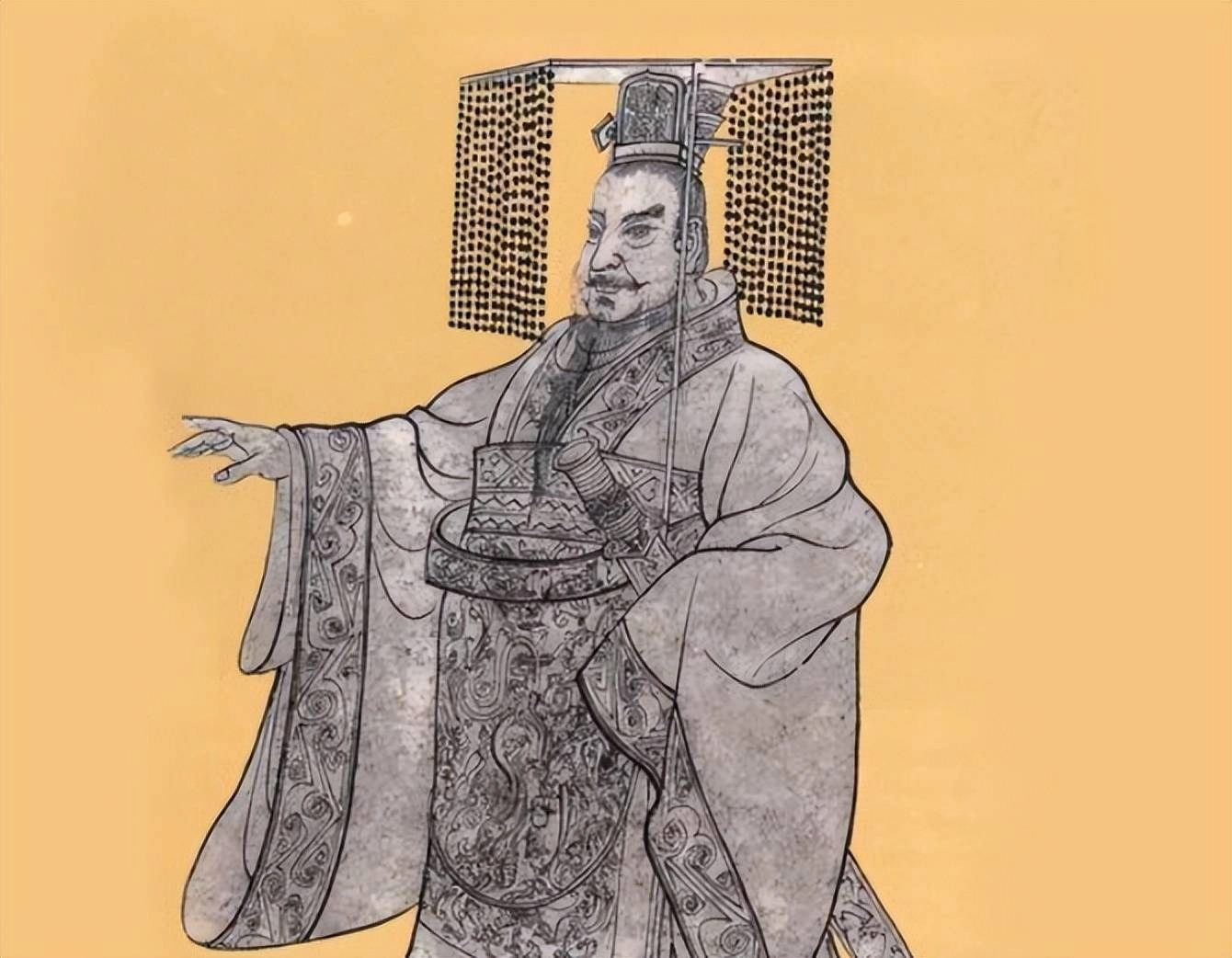 Standing before the Terracotta Army pits, you see not just an army, but the immensely vast yet fragile inner world of one man. Qin Shi Huang, the king who began building his mausoleum at age thirteen, swept across the warring states, unified script, axle widths, and measurements, establishing the foundational achievement of "uniform writing and standardized tracks." Yet, behind this monumental feat lay bottomless loneliness and an extreme fear of death. His quest for the mythical Penglai Mountains and his craving for immortality stemmed from the immense tension between this desire for life and the inevitability of death, giving birth to this army sworn to guard him for eternity underground. The splendor of the Terracotta Army is thus tinged with a profound, tragic hue.
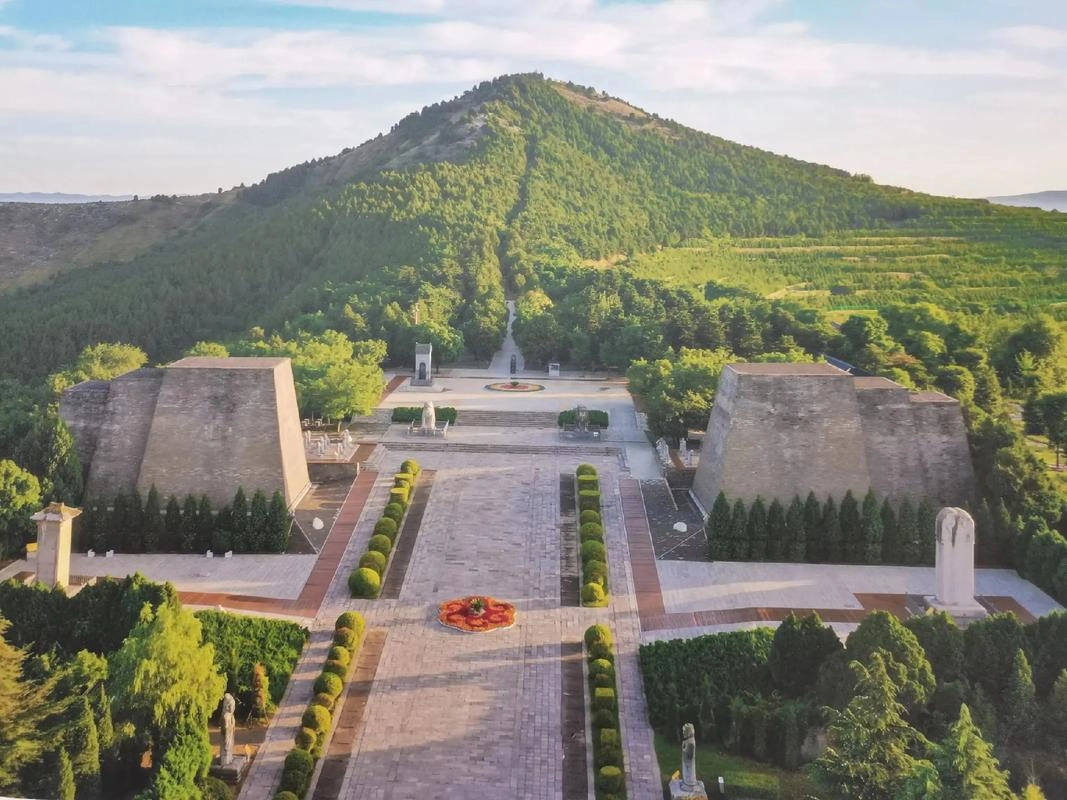
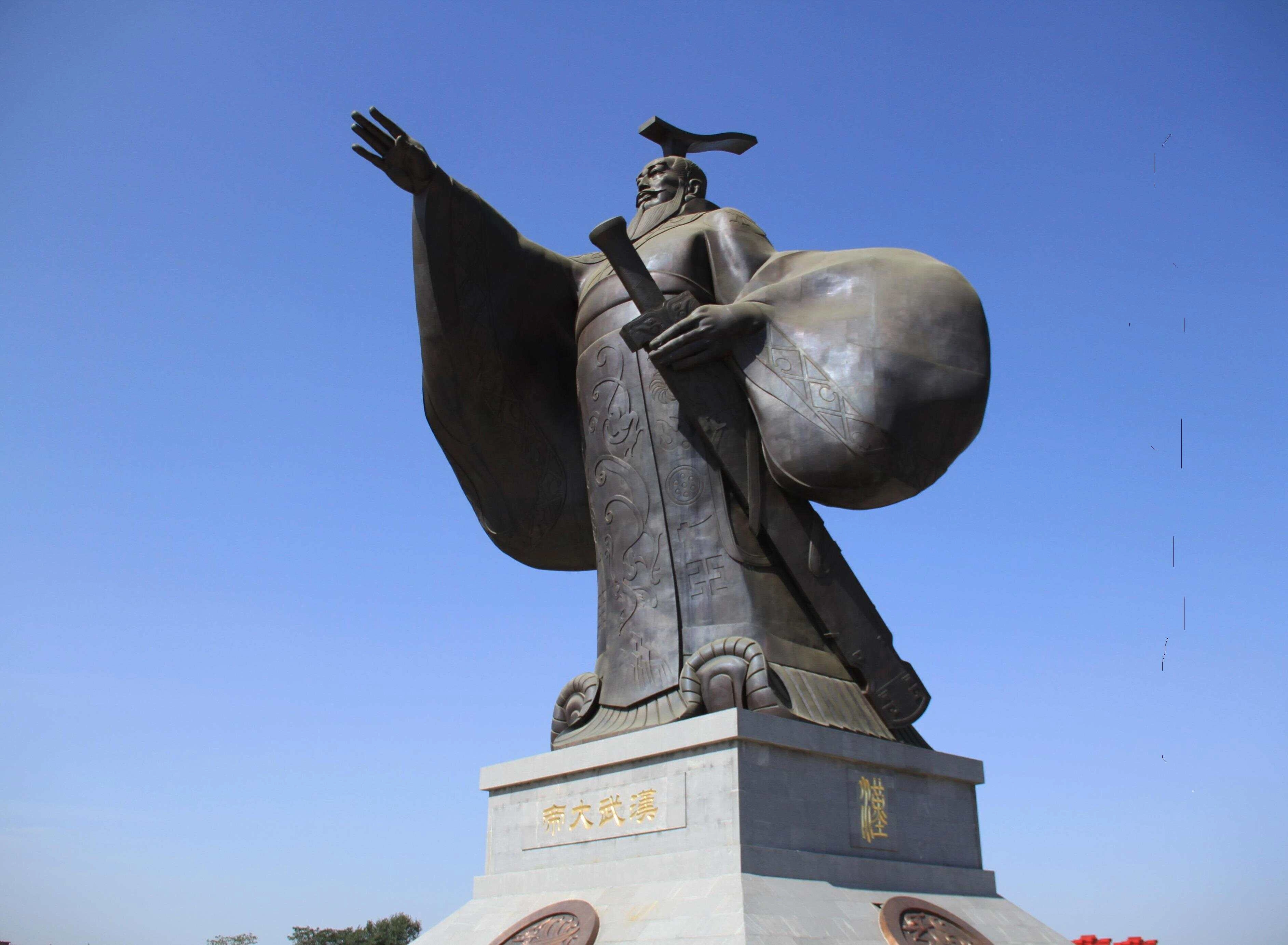 At the Maoling Mausoleum, accompanying Emperor Wu in his eternal rest are the illustrious military achievements of his territorial expansion. The stone carving "Horse Treading on a Xiongnu Warrior" before the tomb of his general Huo Qubing, with its robust and bold lines, carves the lifelong glory of a young general and captures the determined, forward-driving spirit of an era. It was this Emperor Wu who resolutely sent Zhang Qian on his missions to the Western Regions, leading to the sound of camel bells and the enduring Silk Road, allowing the light of Chang'an to illuminate half the world. His ambition shaped the geographical and cultural horizons of the Chinese nation for two thousand years.
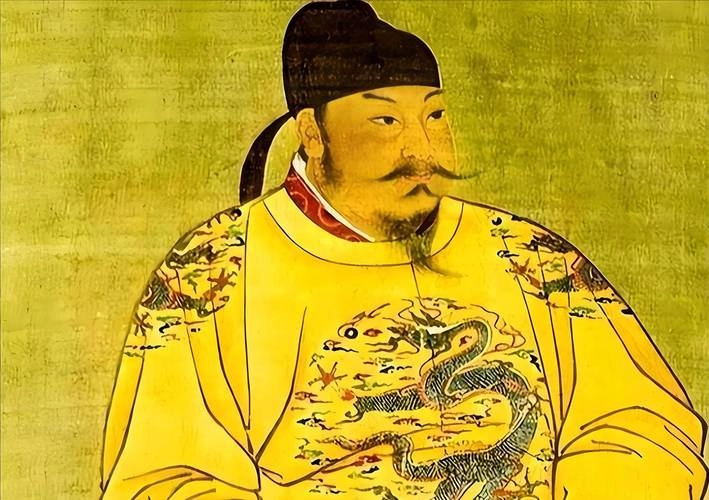 The "Six Steeds of Zhaoling" are the silent epic of Li Shimin's military exploits. These six chargers carried him through the chaos of war, laying the foundation of the Great Tang. When he transitioned from winning the empire on horseback to ruling it through civil governance, he inaugurated the illustrious "Zhenguan Era." With his all-embracing breadth of mind, he was honored as the "Heavenly Khan." Under his rule, Chang'an was not just the Tang people's Chang'an, but the world's Chang'an, where envoys, merchants, and monks from myriad lands gathered, composing the most magnificent movement of the ancient world.
Poets and Scholars, Whose Brushes Stirred Storms
They forged the character here.
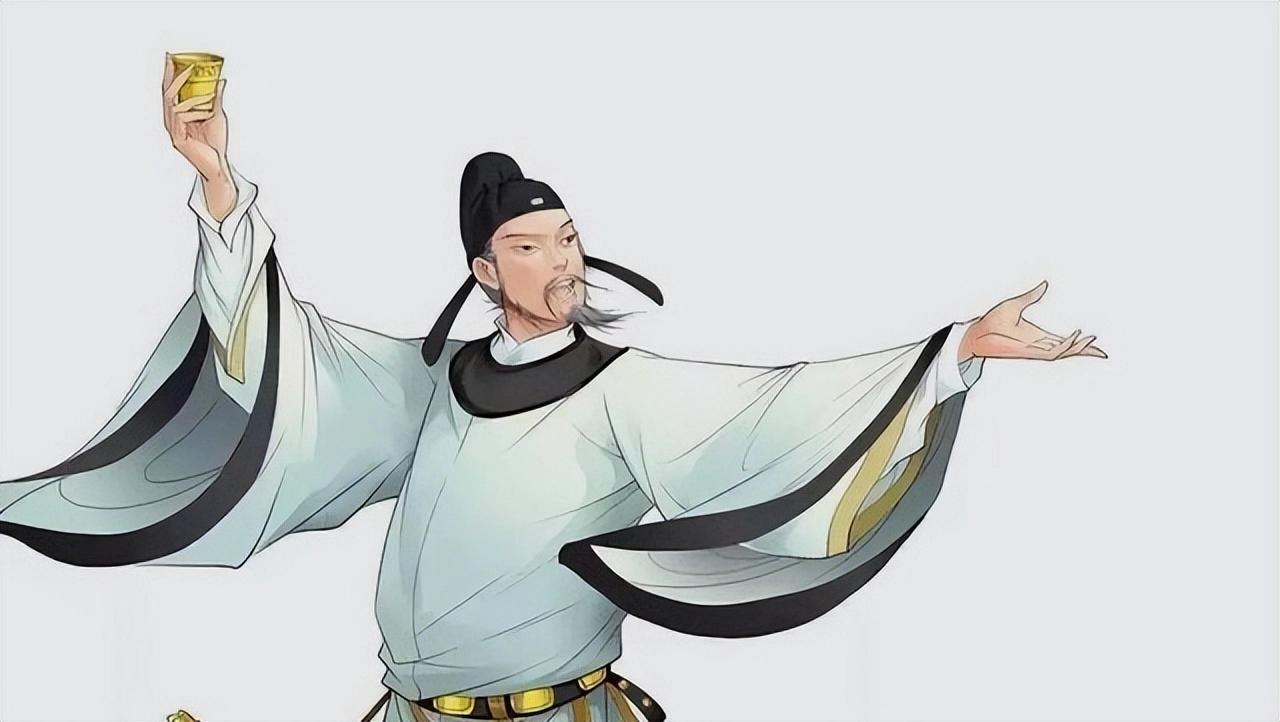 As you linger amidst the dazzling lights of today's "Tang Paradise," you might imagine the unrestrained spirit of Li Bai, the Banished Immortal, who roamed here over a thousand years ago. He made the powerful Gao Lishi take off his boots, dared to say "even the Son of Heaven summons me, I won't board the boat," used his sublime lines like "Clouds remind me of her robes, flowers of her face" to depict the ultimate splendor of the golden age, and defined the romance and freedom of the High Tang with his declaration, "Heaven, I laugh aloud as I go out." He was the most dazzling light of Chang'an at its most glorious.
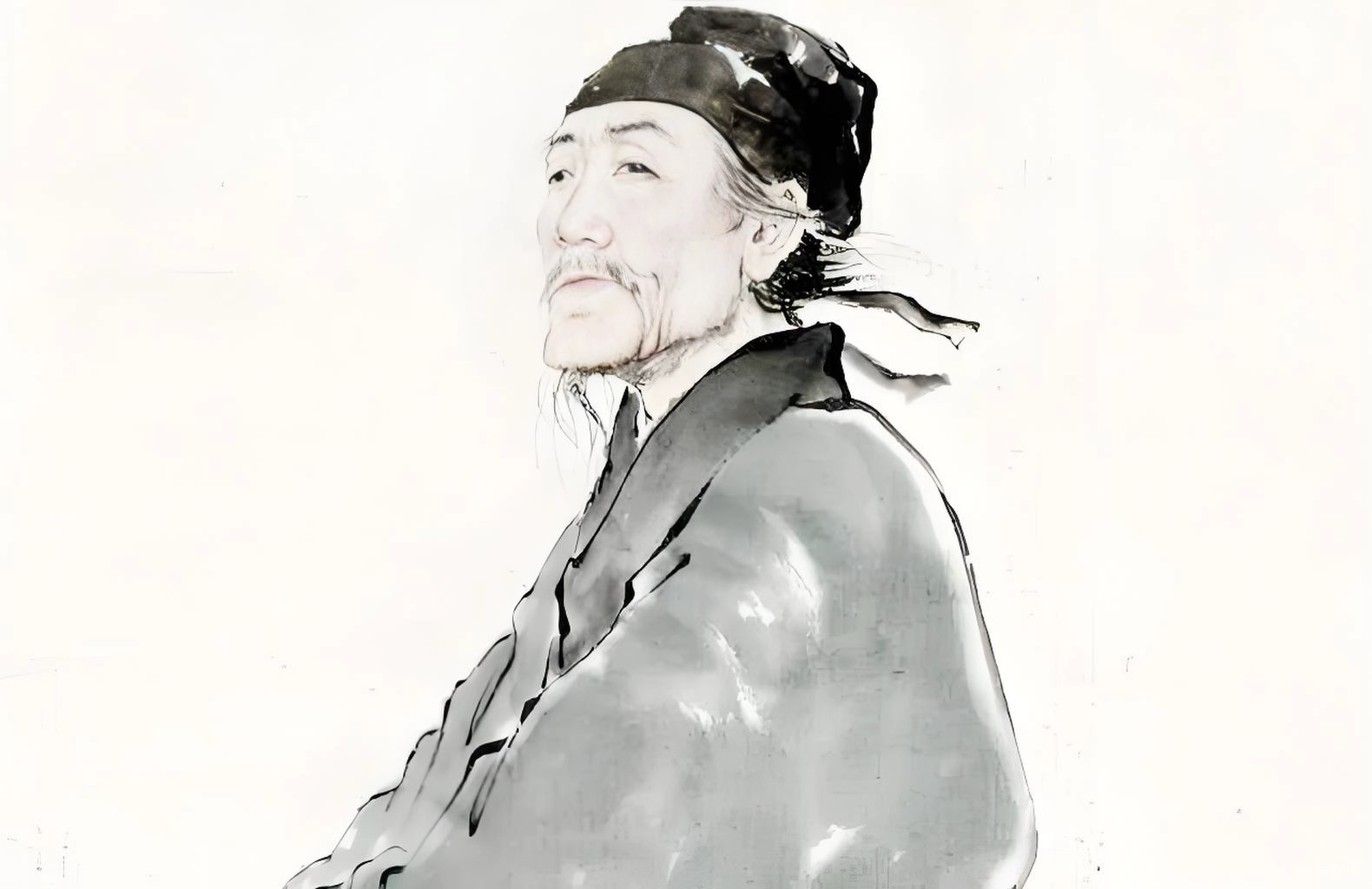 In contrast to Li Bai's romance, Du Fu, during his years of hardship in Chang'an, used his poetic brush to paint another, truer cross-section of the empire. Living in Chang'an for a decade, he personally felt the sharp social contradictions of "the rich revel in meat and wine while the poor freeze to death on the streets." The flames of the An Lushan Rebellion sent him into exile with the common people, culminating in his "Three Partings" and "Three Officials," where he deeply fused his personal fate with the suffering of the nation. The trembling Chang'an in his verses is the most poignant, clearest sigh of a great empire turning from prosperity to decline.
The Elegance of Shaanxi's Cities
Shaanxi, this grand epic, has each of its pages forged by its upper, middle, and lower regions. From the northern frontier winds to the Land of Abundance, each city is a living museum, bearing the glorious memories of different facets of Chinese civilization.
Xi'an: The Depth of Thirteen Dynasties' Capital
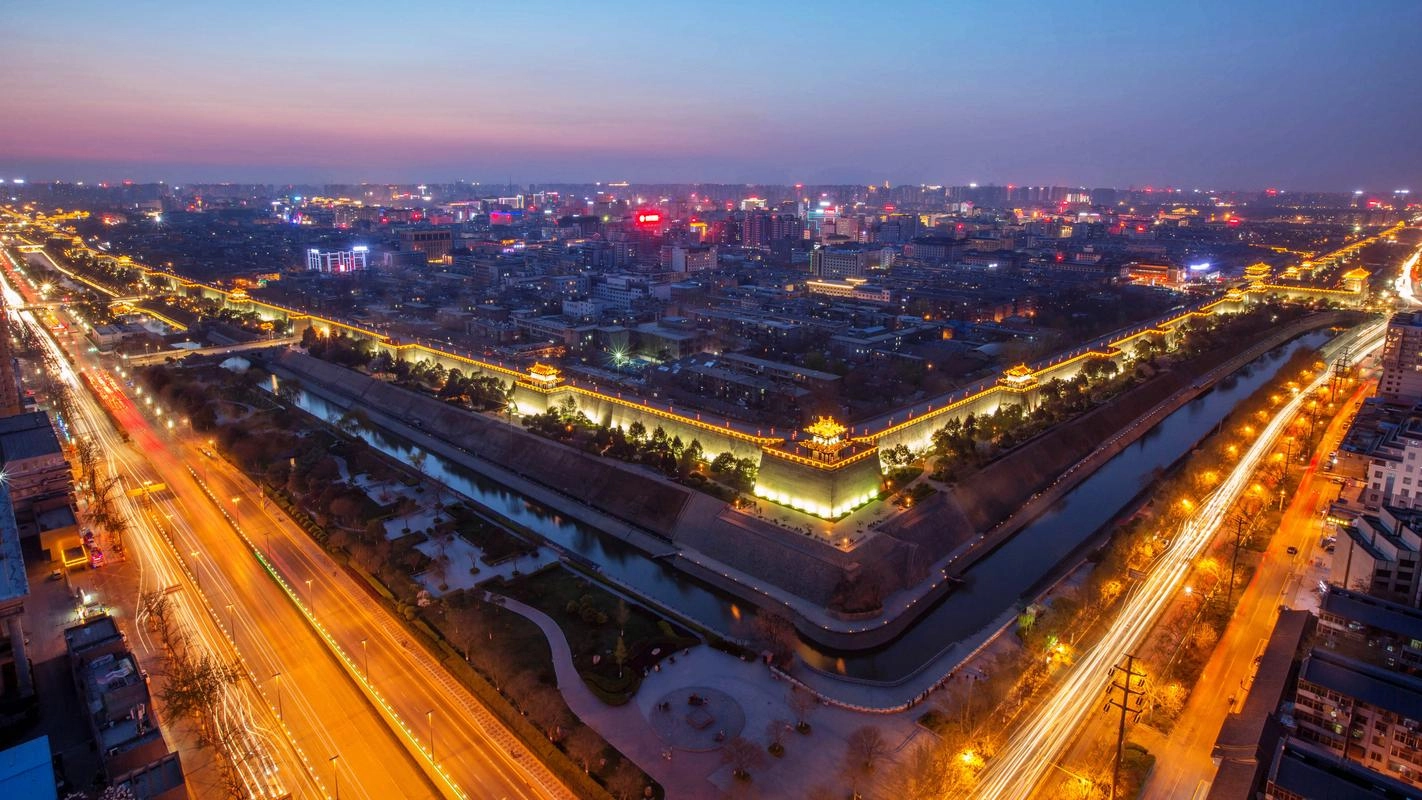
As the provincial capital, Xi'an is the general prologue of this epic. It is no ordinary introduction, but arrives with the awe-inspiring majesty of "eight rivers surrounding Chang'an, a thousand palaces gazing upon the Zhongnan Mountains." Here, the "Mausoleum of the First Qin Emperor and the Terracotta Army" displays the imposing momentum of a unified empire; the solemn military formations and silent terracotta figures speak of the bygone glory of "the six kings vanquished, the four seas unified." The miniature landscape of the "Daming Palace National Heritage Park" evokes the open grandeur of the High Tang era, when "envoys from myriad states paid homage to the emperor." To read Xi'an is to read the ambition for unification and the breadth for civilizational exchange, the strong heartbeat of a great nation in its youth.
Yan'an: The Red Beacon of Spirit
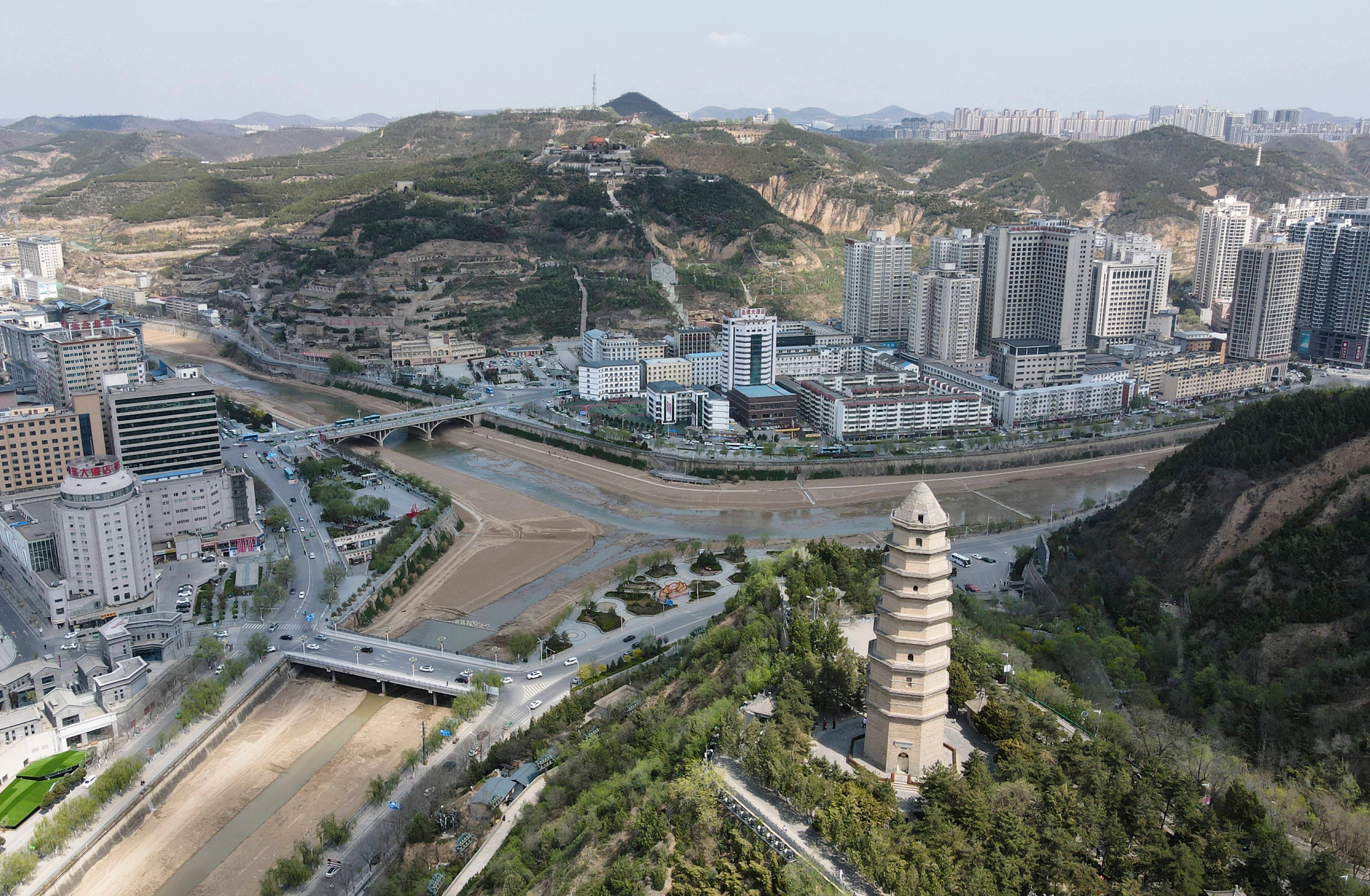
Journeying northward, we find Yan'an. Here, the depth of the loess and the fervor of belief are fused into a sacred city. The Pagoda Hill is the most inspiring spiritual totem in this epic, a lighthouse in the dark night, guiding the future direction of a nation. The cave dwellings at Yangjialing and Zaoyuan bear witness to how thought and theory blossomed amidst extreme hardship, the tangible embodiment of "a single spark can start a prairie fire." To read Yan'an is to read the purity of ideals and the toil of struggle, the defiant roar of a nation in peril.
Baoji: The Ritual and Music Code of Bronze
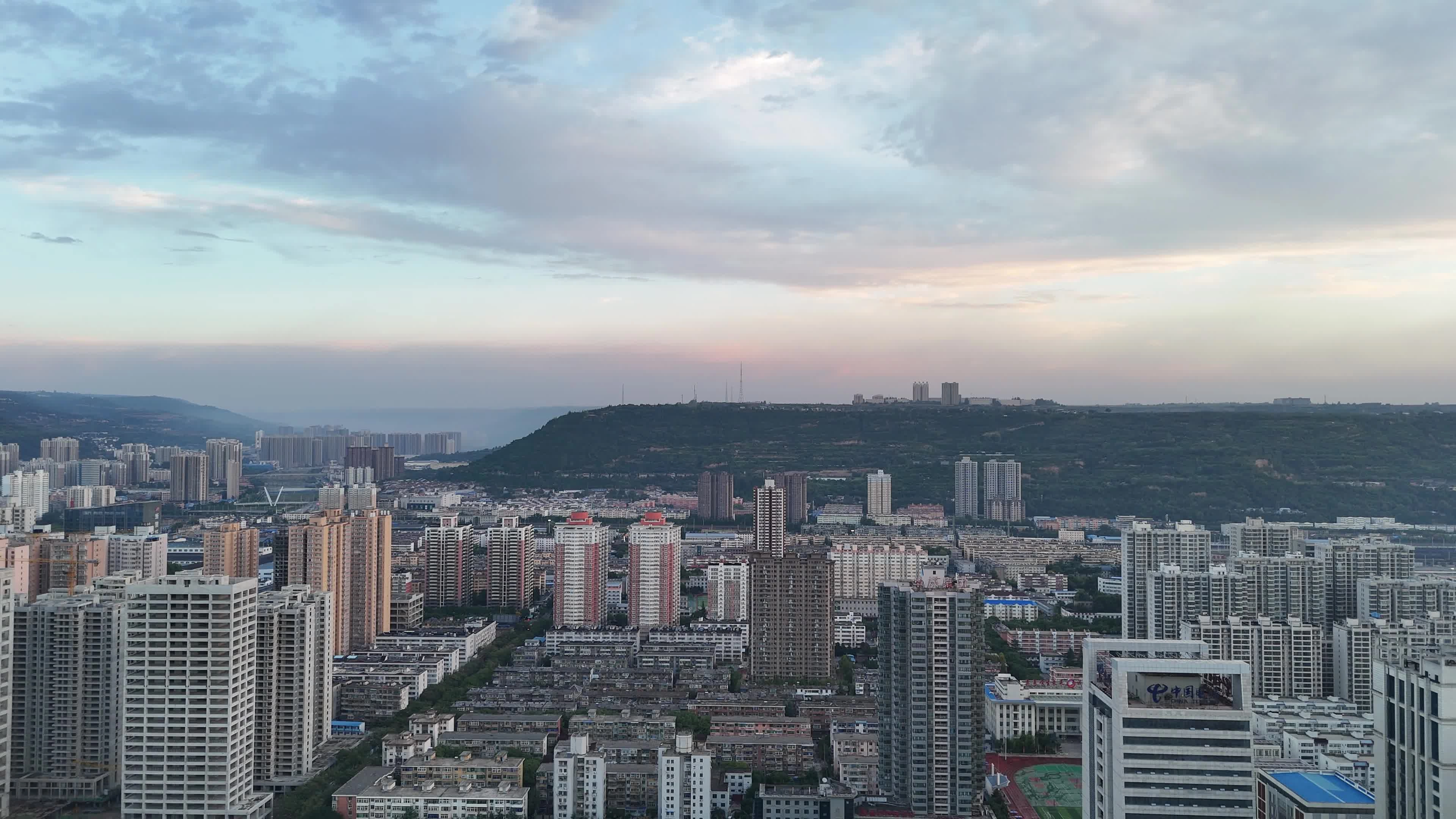
Venturing west, we enter Baoji. This chapter is written in bronze and inscriptions. This "Hometown of Emperor Yan, Land of Bronze Ware" is the cradle of Zhou and Qin culture. The He Zun ritual wine vessel in the China Bronze Museum bears the earliest known written occurrence of "China" (Zhongguo). The Buddha's finger relic and secret-color porcelain from the Famen Temple underground palace attest to the ultimate splendor of Tang imperial patronage. To read Baoji is to read the dawn of ritual and music civilization, the source of written records, a "national archive" buried and rediscovered.
Hanzhong: The Cradle of the Han Dynasties
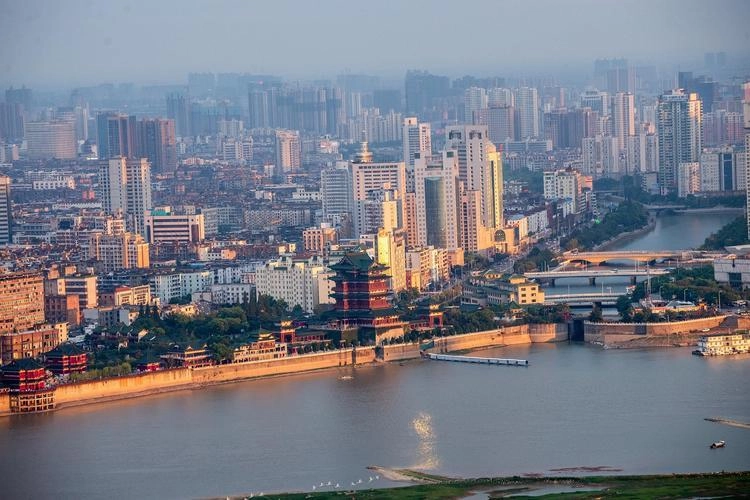
Crossing the Qinling Mountains, we arrive in Hanzhong in southern Shaanxi. Though blessed with beautiful mountains and clear waters, it harbored the colossal forces that decided history's course. Here, Emperor Gaozu of Han, Liu Bang, appointed Han Xin as his general, openly repairing the plank roads while secretly marching through Chencang, founding the four-century Han Empire. Here, Zhuge Liang, the Martial Marquis, stationed troops for eight years, launching his northern expeditions, devoting himself utterly until his death. The Ancient Han Terrace, the Worship General Platform, and the Stone Gate Plank Road—each site echoes with the clash of arms and wisdom that shaped the world. To read Hanzhong is to read the foundation of dynasties, the pinnacle of wisdom, the origin of the name "Celestial Han," and the grand prologue to the Three Kingdoms saga.
Other Cities: Scattered Sparks of Civilization
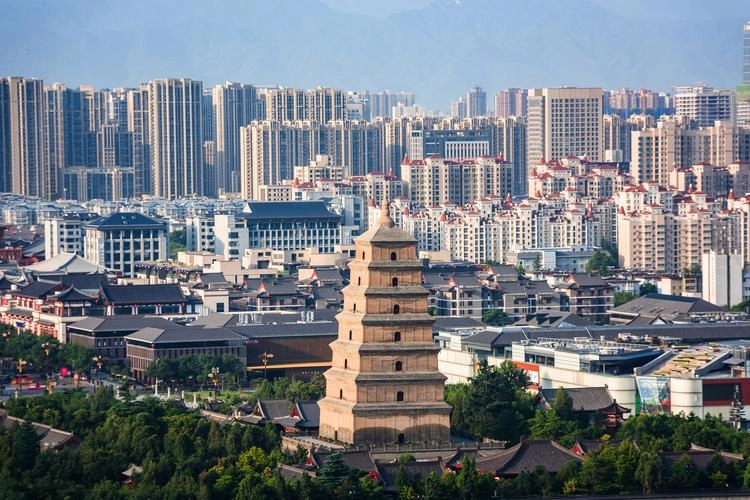
Yet this scroll extends far beyond these four famous cities. Xianyang, capital of the Qin Empire, where the hegemony of "the six kings vanquished, the four seas unified" was completed, its vast imperial tomb complexes lying in silence to this day. Yulin, where the mighty Zhenbeitai Fortress stands, telling of the frontier's desolation and the blending of Mongol and Han cultures. Ankang and Shangluo, hidden in the Qinba landscapes, are the elegant, mild, and moist "Peach Blossom Springs" of this profound land. Tongchuan, where the kiln fires of Yaozhou burned for a millennium, firing the celadon legend described as "skillful as casting metal, refined as carving jade."
The many cities of Shaanxi collectively form a deep, diverse, and layered "historical matrix." Here, you are not a curiosity-seeking tourist, but a pilgrim interpreter, sensing history with your whole being, resonating with past and present through your soul.
Shaanxi's Scenic Wonders and Historic Sites
The Silence of Imperial Tombs, Eternal as the CloudsIn Shaanxi, the most monumental mounds of earth may be slumbering underground kingdoms.
Starting from Xi'an, trace the "Silk Road" that connected East and West and the strategic passes that decided the fate of dynasties.
Shaanxi is a convergence point for the spiritual beliefs of Chinese civilization.
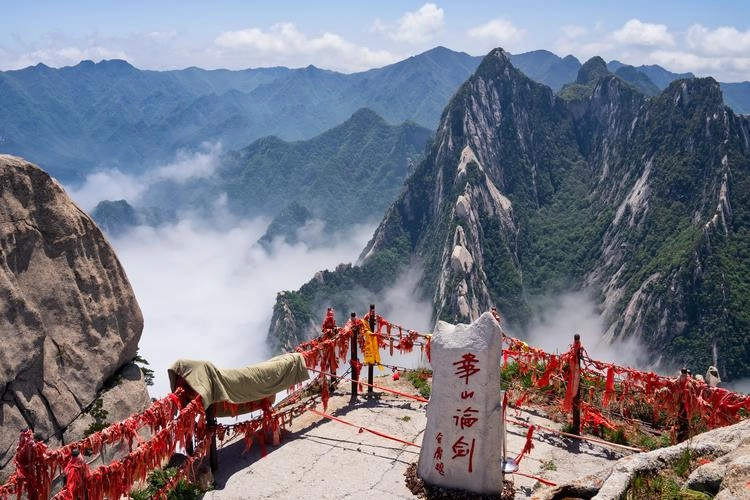
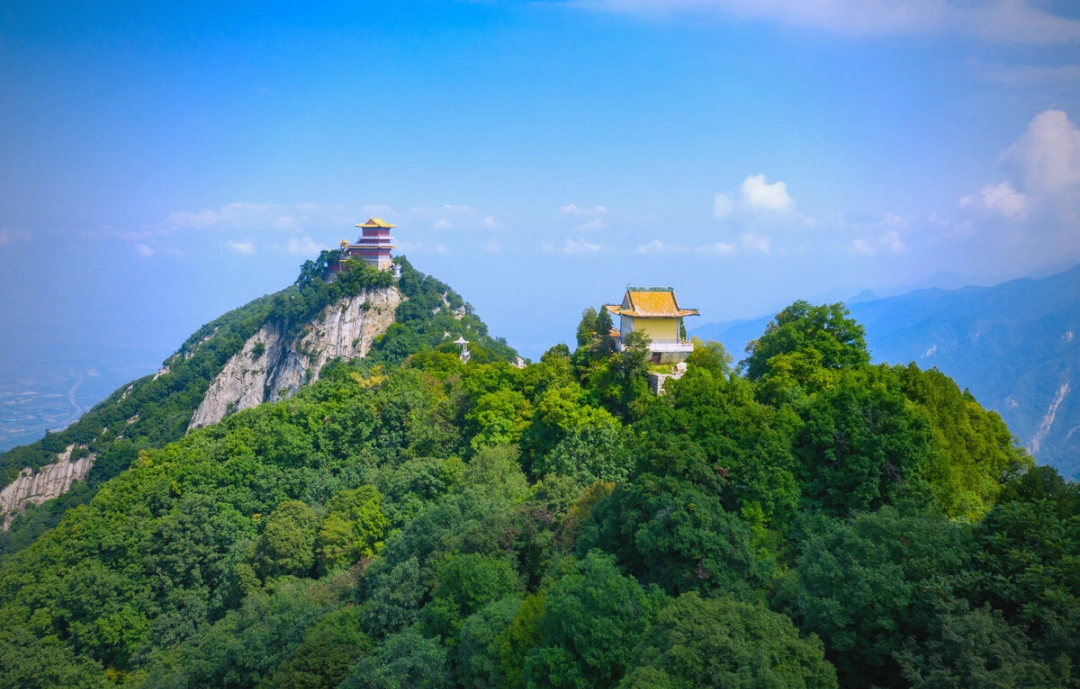
The very topography of Shaanxi is a passionate symphony.
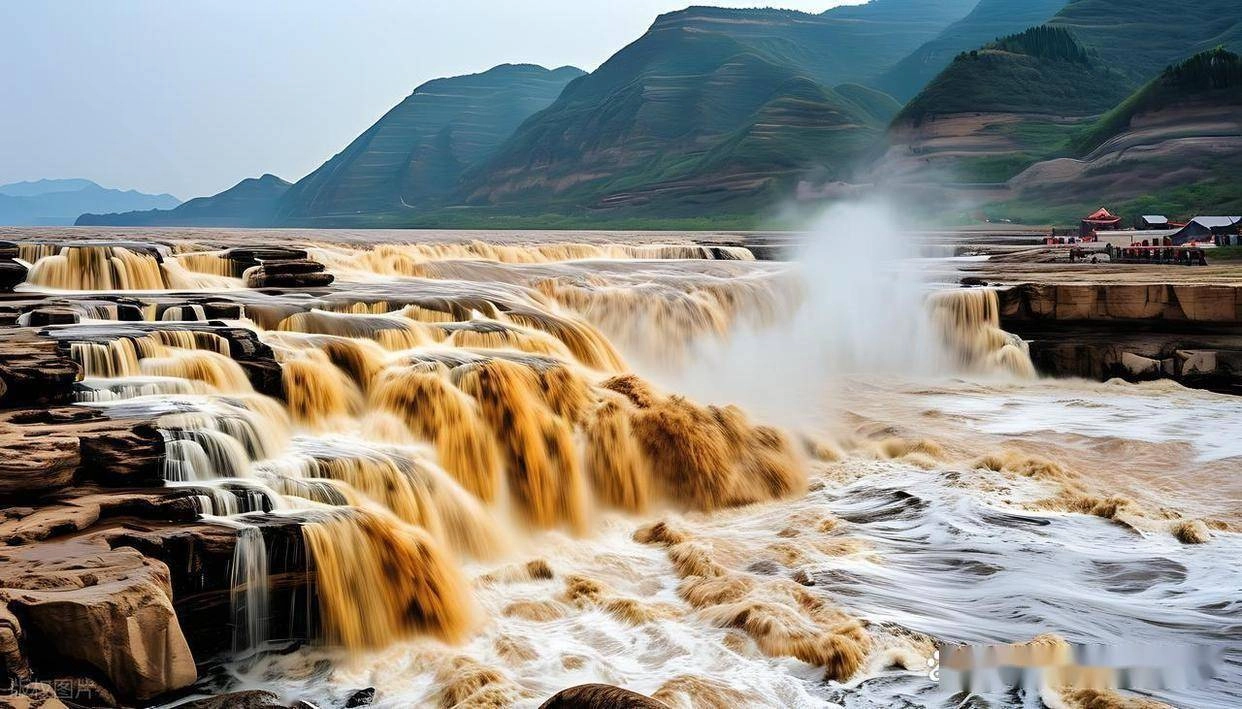
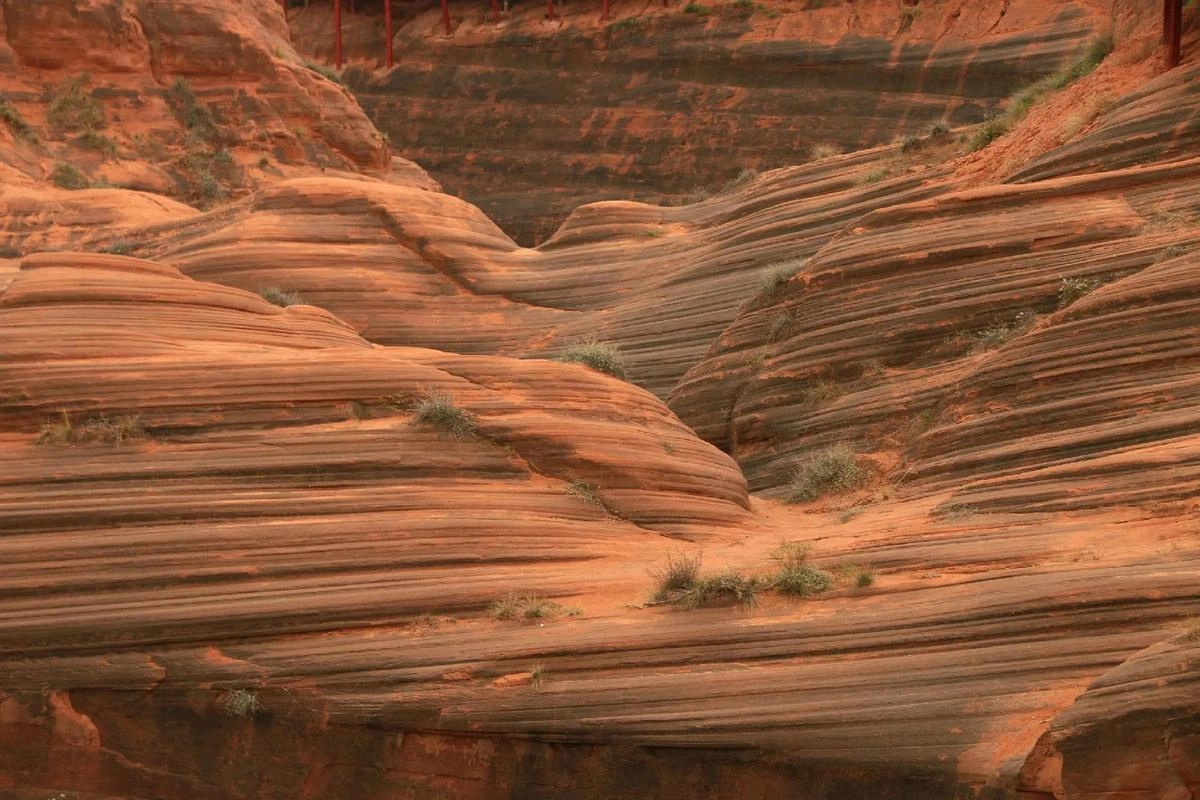
Art at the Fingertips: The Rhythm of Life on the Loess
In Shaanxi, history is not confined to imperial tombs and poetic verses alone; it thrives vividly in the common alleyways and rustic courtyards. It is a brilliant world crafted within humble spaces by generations of ordinary people—the most unadorned yet deeply passionate expression of the Loess Plateau's soul. Here, culture pulses through the hands of artisans, from the intricate shadows of puppetry to the vibrant hues of clay figurines, each creation echoing the timeless rhythm of the land and its people. This is where tradition breathes, dances, and endures—a living testament to the resilience and creativity woven into the very fabric of Shaanxi's heritage.
Huaxian Shadow Puppetry: A Millennium Dialogue of Light and Shadow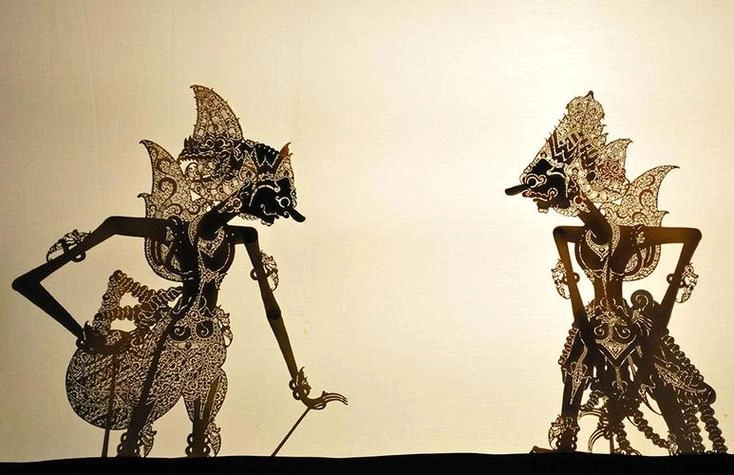
As dusk falls, the old stage in a Huaxian village is lit by a lamp behind a white screen. This is not just a performance, but an ancient magic of light and shadow. Figures carved from cowhide are imbued with life on the screen by the puppeteer's fingertips—generals galloping across battlefields, beauties adorning themselves before mirrors. What truly shakes the soul is the raw, desolate voice of the Laoqiang opera singing from behind the screen. Unadorned, rough, and heroic, it seems to penetrate through the cracks of Qin bricks and Han tiles, carrying the grit of the loess, singing the ancient tales of loyalty and treachery, joy and sorrow, straight into your heart.
Fengxiang Painted Clay Figurines: Sunflowers Blooming from the Earth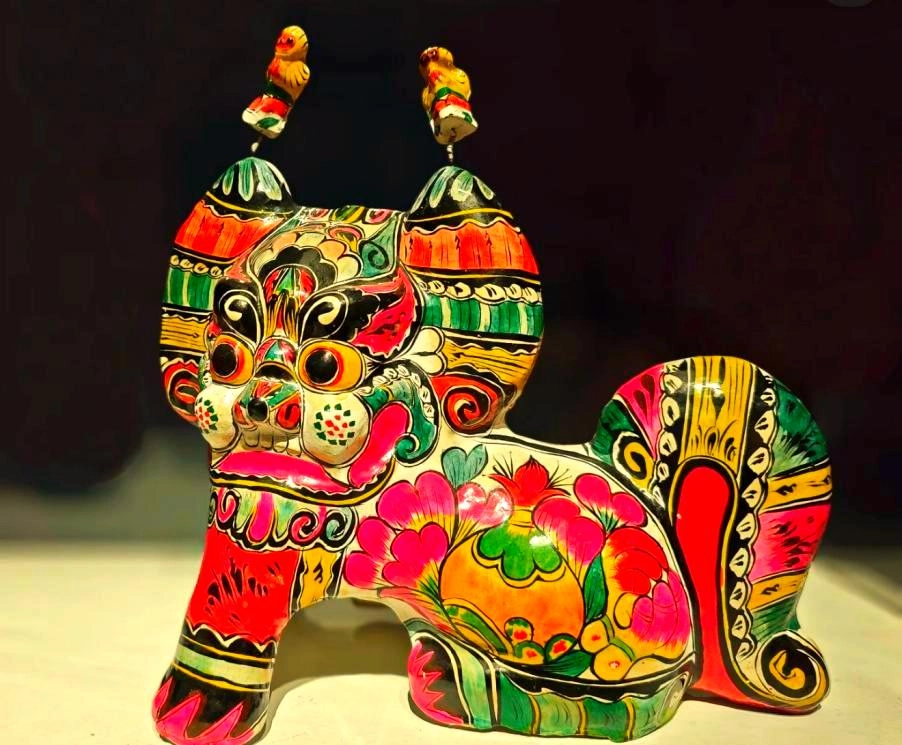
If you think the Loess Plateau's only color is yellow, you haven't seen Fengxiang clay figurines. Those charmingly naive sitting lions, fierce yet adorable clay tigers, are boldly adorned with bright reds and greens, outlined in gold and silver, with strong color contrasts and exaggerated, expressive shapes. They are not copies of reality, but the people's most fundamental imagination and blessing for life. Each clay sculpture is a guardian spirit for the home, an auspicious symbol praying for favorable weather and family prosperity, the most brilliant and fervent dream molded from the most common earth by the people of this land.
Ansai: The Still and Dynamic Soul of the LoessIn Northern Shaanxi, artistic expression manifests in two complementary forms: one still, one dynamic.
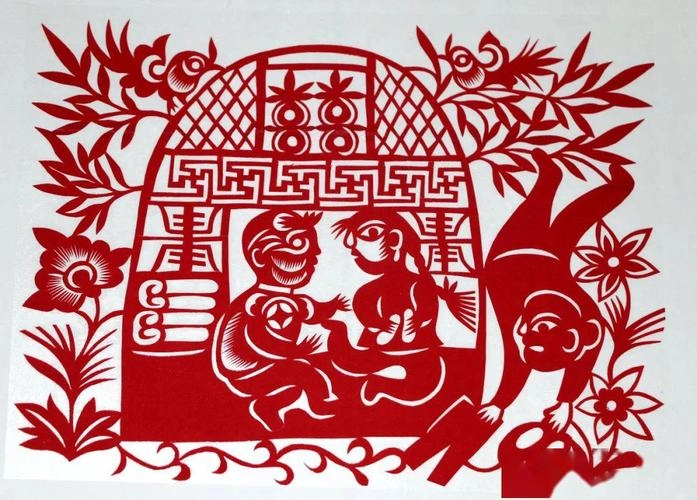
The Still: Seated upon heated kang beds, women wield scissors with deft precision, transforming crimson paper into intricate silhouettes that seem to slice through time itself. Designs like "Kylin Delivering a Son" and "Magpie on a Plum Branch" capture ancient symbols and life's deepest aspirations within their lattice-like patterns. These are frozen epics adorning window frames, silently narrating tales of life's continuity and the quiet passage of years.
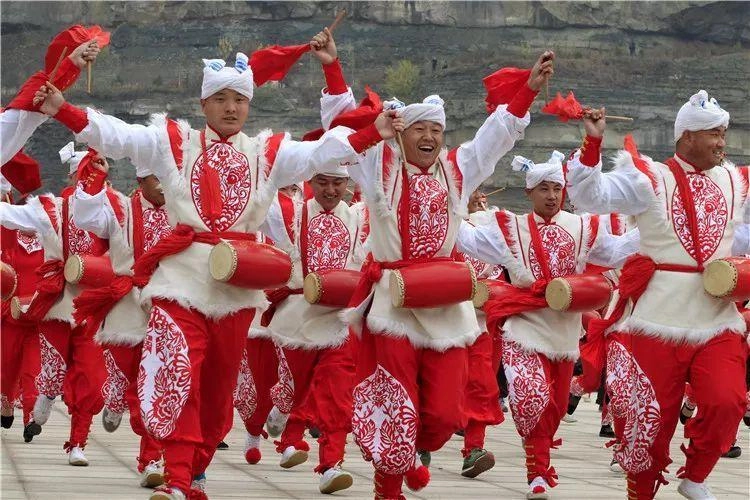
The Dynamic: When hundreds of Northern Shaanxi men, their heads wrapped in distinctive white towels, erupt into synchronized movement across the loess slopes, they create pure elemental energy. The earth-trembling drumbeats, the clouds of golden dust, the overwhelming spectacle—this is the land's most primal, unrestrained outburst of vitality. It is a dance of struggle, a poetry of ecstatic motion.
Together, this stillness and motion form the dual essence of the Northern Shaanxi spirit—embracing both the delicate yearning for prosperity and the heroic defiance against nature's harshness.
Shaanxi's Cuisine and Specialties
The Flavors of Qin and Han upon the Palate
The essence of Shaanxi's cuisine cannot be confined to the label "Kingdom of Noodles." It is an ancient folk melody of Xintianyou, simmered with the fragrance of wheat and lamb—a culinary epic composed by the fertile Guanzhong plains and the spirit of the frontier.
The Noodle Universe, in Countless FormsIn Shaanxi, the "noodle" is the soul connecting time and space. It morphs into countless forms, each containing a regional code.
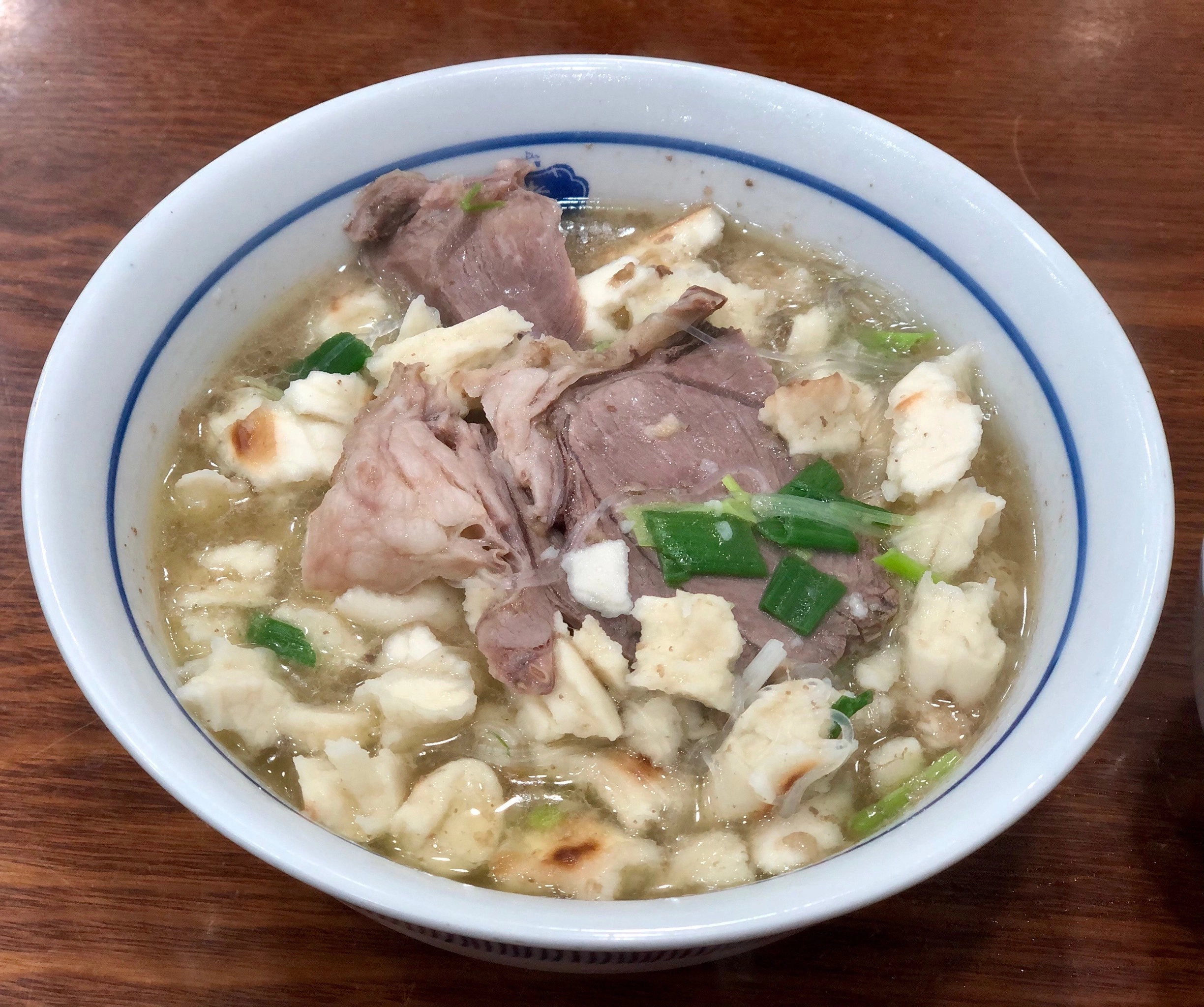
Yangrou Paomo (Pita Bread Soaked in Lamb Soup): The signature dish of Xi'an. Diners personally tear the hard, chewy tuotuo bread into bean-sized pieces, which are then quickly boiled by the chef in a rich, hearty lamb broth.
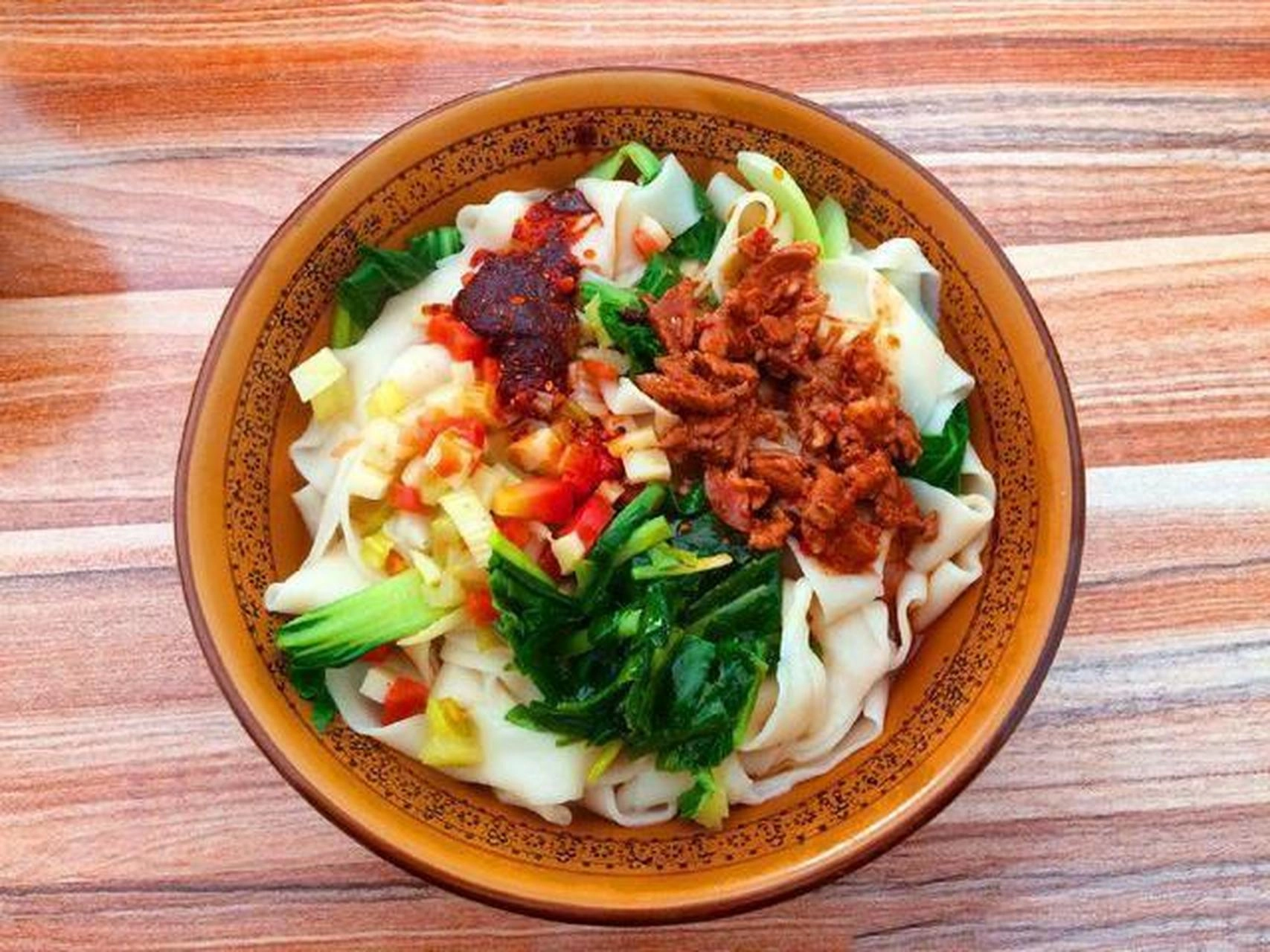
Biangbiang Noodles: Known for their unique name and their bold "oil-splashed chili" style, these are the widest noodles in Guanzhong. Three belt-like noodles are slapped against the board during preparation.
Qishan Saozi Noodles: Hailing from the land of Zhou rituals, famous for being "sour, spicy, and fragrant." Thin, resilient, smooth noodles are served in a broth that is "oily, thin, and plentiful."
The Essence of Qin Cuisine, Ancient Style PreservedThe character of Qin cuisine lies in its unadorned simplicity, robust intensity, and profound historical heritage.
Gourd Chicken (Hulu Ji): The premier dish of Shaanxi cuisine, hailed as the "First Flavor of Chang'an." A whole chicken undergoes three processes: clear boiling, steaming, and deep-frying.
Chang'an Jiaoguan (Starched Paste): "For good stirred paste, seventy-two stirs." This homely dish, made by stirring corn or buckwheat flour into a paste, has a soft, sticky, QQ texture.
Street Food, the Soul of the AlleysThe vitality of Shaanxi's food scene lies in the steam rising from its streets and lanes.
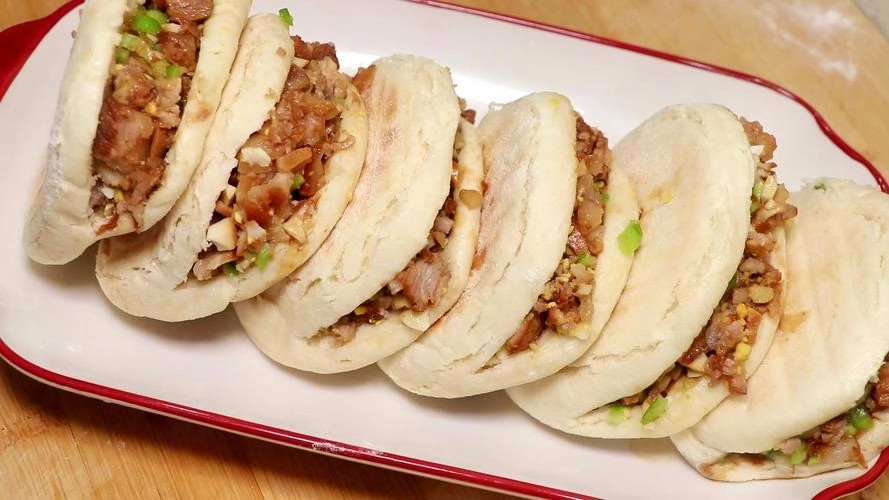
Roujiamo (Chinese Hamburger): The marinated meat is aromatic, tender enough to fall apart at a touch, while the Baiji bread boasts a crisp exterior and soft interior.
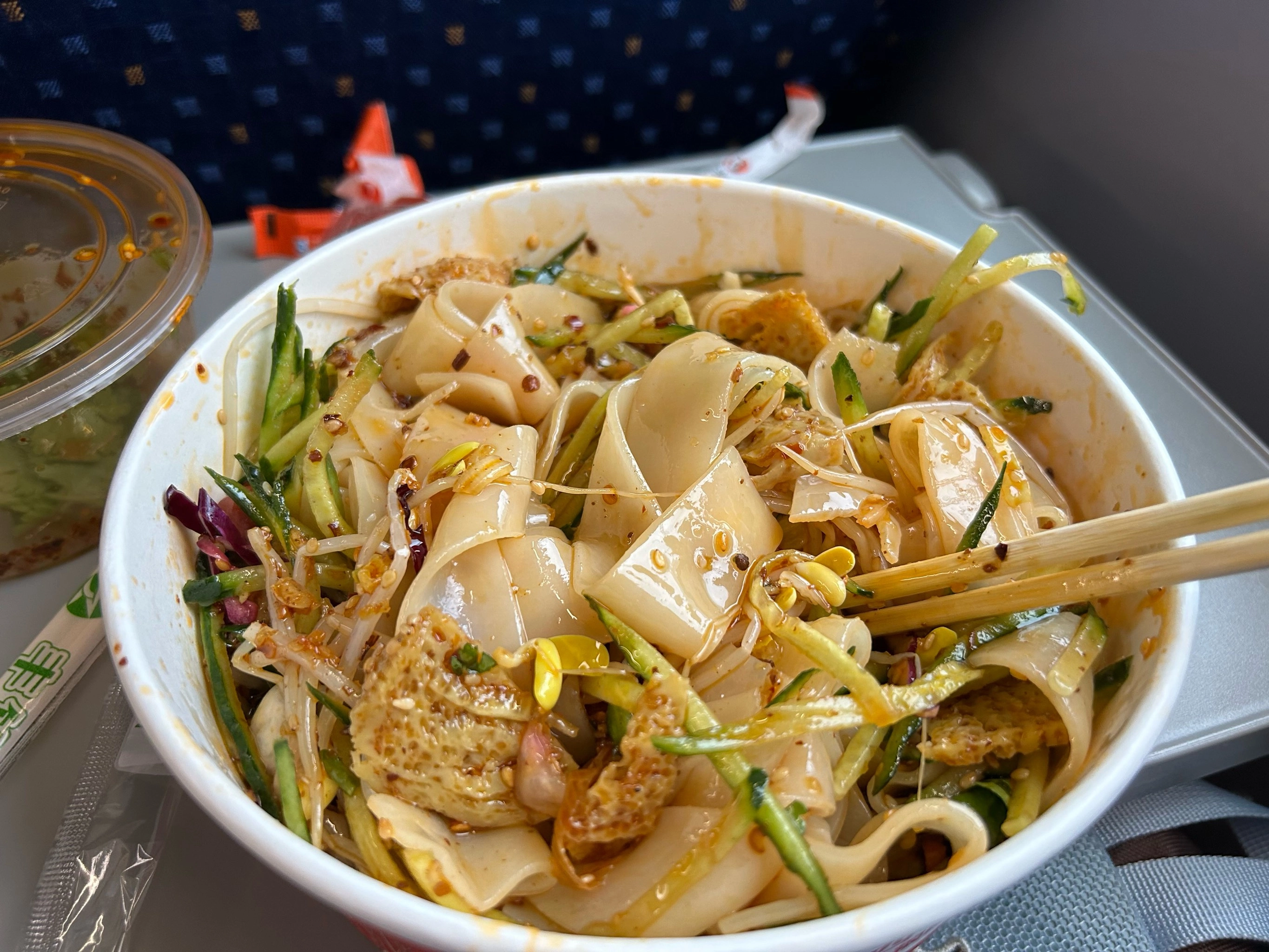
Liangpi (Cold Skin Noodles): The soul of a Shaanxi summer. Made from rice or wheat flour, the noodles are translucent, chewy, and smooth.
Zengao (Rice Cake with Jujube): Steamed in the ancient zeng vessel. Glutinous rice, red jujubes, and kidney beans meld together over a long time.
Local Products, Souvenir Choices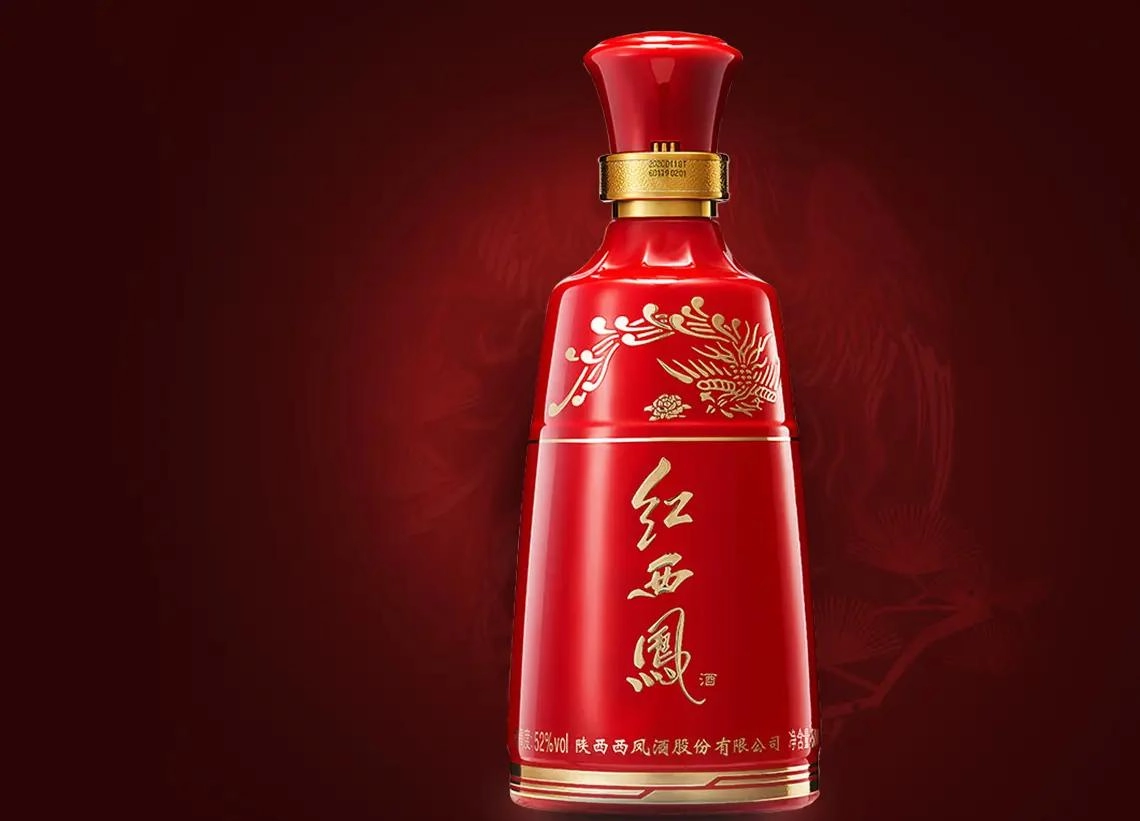
Xifeng Jiu: One of China's oldest famous liquors, representative of the Fengxiang style. It is "mellow, elegant, sweet, brisk, well-balanced, and clean with a long finish."
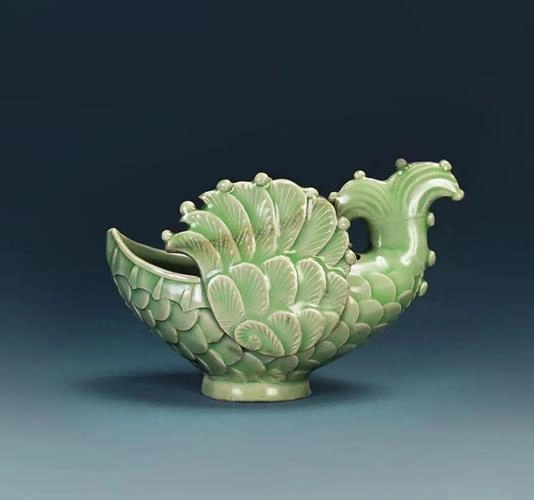
Yaozhou Ceramics: "Skillful as casting metal, refined as carving jade." Famous for their sharp, free-spirited carved designs.
Lintong Fire Crystal Persimmons, Luochuan Apples: The abundant sunlight and significant temperature variations of the Loess Plateau nurture these sweet, juicy fruits.
The Echo of the Era
When your wandering footsteps still, what Shaanxi gives you is far more than a few souvenirs and a travelogue. It is more like a coronation of civilization and a tracing of the spirit. The stern gaze of the Terracotta Army, the howling winds atop Mount Hua, the undying lamplight of Yan'an's cave dwellings—all these quietly transform into your own unyielding backbone. Shaanxi, this land that wrote the Chinese nation's story using the loess as paper and history as ink, remains silent, yet it has spoken all about origins and glory. It is always there, waiting for you to come and perceive, and then, carrying the code of the nation's very beginning, to stride more serenely into the vast world of the future.
Related Vocabulary
| English | Chinese | Pinyin | Definition / Context |
|---|---|---|---|
| Paper-Cuttings | 剪纸 | Jiǎnzhǐ | Intricate red paper silhouettes adorning windows, depicting life and hopes |
| Waist Drum | 腰鼓 | Yāogǔ | A powerful, energetic group drum dance embodying the raw vitality of the loess land |
| Biangbiang Noodles | Biangbiang面 | Biángbiáng Miàn | Thick, belt-like noodles famed for their bold, chili-oil flavor |
| Fengxiang Painted Clay Figurines | 凤翔泥塑 | Fèngxiáng Nísù | Colorful, expressive folk handicrafts; symbols of blessing and protection |
| Shadow Puppetry | 皮影戏 | Píyǐngxì | A millennia-old drama of light and shadow, often accompanied by the raw Laoqiang opera |
| Liangpi | 凉皮 | Liángpí | Cold, chewy noodles, a refreshing and spicy summer staple |
| Mount Hua | 华山 | Huà Shān | The "Number One Precipitous Mountain under Heaven" and a sacred Taoist site |
| Qinling Mountains | 秦岭 | Qín Lǐng | The "Dragon Vein" of Chinese civilization, a vital geographical and climatic divide |
| Qinqiang Opera | 秦腔 | Qínqiāng | One of China's oldest operatic forms, known for its passionate and vigorous style |
| Roujiamo | 肉夹馍 | Ròujiāmó | Often called a "Chinese hamburger"; stewed meat stuffed in a baked bun |
| Xi'an | 西安 | Xī'ān | Capital for 13 dynasties; home to the Terracotta Army, City Wall, and Giant Wild Goose Pagoda |
| Xintianyou | 信天游 | Xìntiānyóu | A form of folk song prevalent in Northern Shaanxi, high-pitched and soulful |
| Yangrou Paomo | 羊肉泡馍 | Yángròu Pàomó | Xi'an's signature dish; diners break bread into a rich lamb broth |
FAQ About Shaanxi
Q1: Why is Shaanxi called "Three Qins" (三秦)? What are the three parts?
A1: The name "Three Qins" originates from a historical division after the fall of the Qin Dynasty. Today, it perfectly summarizes the three distinct geographical and cultural regions of the province from north to south:
- Northern Shaanxi Plateau (陕北高原): Characterized by the Loess Plateau, with its ravines and hills. It's the home of the folk song "Xintianyou" and has a bold, majestic style.
- Guanzhong Plain (关中平原): Known as the "800-Mile Qinchuan," it was the capital region for 13 dynasties including the Zhou, Qin, Han, and Tang. It's densely packed with historical relics.
- Southern Shaanxi Mountains (陕南山地): Formed by the Qinling and Bashan Mountains, it marks China's north-south geographical divide. It's lush and green, earning the nickname "Land of Fish and Rice."
Q2: What is the climate like in Shaanxi, and when is the best time to visit?
A2: Shaanxi's long north-south span creates significant climate variation:
- Guanzhong Region (Xi'an, Xianyang): Warm temperate, semi-humid climate with four distinct seasons. Spring (Mar-May) and Autumn (Sep-Nov) are the most pleasant times to visit.
- Northern Shaanxi (Yan'an, Yulin): Temperate, semi-arid climate with cold winters and hot summers. Autumn is cool and clear, making it the best season.
- Southern Shaanxi (Hanzhong, Ankang): Northern subtropical, humid climate. It's mild and rainy. Spring, Summer, and Autumn are all suitable for travel.
Overall, Autumn is the golden season for visiting the entire province.
Q3: For a first-time visitor, which cities are the main attractions located in?
A3:
- Xi'an and Surroundings: The core area, featuring the Terracotta Army, Big Wild Goose Pagoda, City Wall, and Daming Palace ruins.
- Baoji: The "Hometown of Bronze Ware," with the China Bronze Museum and Famen Temple.
- Yan'an: A sacred site of the Chinese revolution, with sites like Pagoda Hill and Zaoyuan.
- Xianyang: Home to vast tomb complexes of Western Han emperors.
- Hanzhong: A key city for Three Kingdoms history, with sites like the Ancient Han Terrace and the Plank Road.
- Weinan / Mount Hua: The location of the sacred Mount Hua (Huashan).
Q4: What makes the Terracotta Warriors so special? Why are they called a "Miracle"?
A4:
- Grand Scale: Thousands of life-sized terracotta figures form a vast underground army, recreating the might of the Qin military.
- Realistic Craftsmanship: Each warrior has unique facial features, expressions, and hairstyles, demonstrating incredibly high levels of realistic sculpture.
- Historical Value: They serve as an "underground encyclopedia" for studying Qin dynasty military, politics, technology, and society, reflecting the ambition of Qin Shi Huang to unify China.
Q5: How is Mount Hua (Huashan) reflected as a "Taoist sacred site"?
A5:
- Taoist Temples: The mountain is dotted with historic temples like Zhenyue Palace and Yuquan Temple.
- Myths and Legends: It's associated with many Taoist legends, such as the "Giant Spirit Splitting the Mountain."
- Hermit Culture: Famous Taoist masters like Chen Tuan have practiced asceticism here.
- Cultural Symbolism: The mountain's "perilousness" aligns perfectly with the Taoist pursuit of transcending the mundane world.
Q6: What are the must-try foods in Shaanxi?
A6:
- Staples & Main Dishes:
- Yangrou Paomo (羊肉泡馍): Mutton stew where you break the flatbread yourself. A ritualistic experience.
- BiangBiang Noodles (Biángbiáng面): Thick, wide noodles with a bold, spicy oil dressing.
- Roujiamo (肉夹馍): Often called a "Chinese hamburger," featuring stewed meat in a baked bun.
- Qishan Saozi Noodles (岐山臊子面): Thin noodles in a distinctive sour, spicy, and fragrant broth.
- Snacks & Delicacies:
- Liangpi (凉皮): Cold, chewy skin noodles - the soul food of summer.
- Gourd Chicken (葫芦鸡): "The First Taste of Chang'an," a whole chicken prepared through multiple cooking stages.
- Jing Gao (甑糕): A sweet, sticky rice cake layered with dates and beans, often eaten for breakfast.
- Souvenirs & Gifts:
- Xifeng Wine (西凤酒): A famous ancient liquor with a unique "Feng" aroma.
- Yaozhou Ceramics (耀州瓷): Classic celadon ceramics known for their exquisite carving.
- Luochuan Apples (洛川苹果): Crisp and sweet apples, a famous local product.
Q7: What intangible cultural heritage experiences can I have in Shaanxi?
A7:
- In Huaxian or Weinan: Watch or even try your hand at Shadow Puppetry (皮影戏), and learn how the puppets are made.
- In Fengxiang: Visit a Clay Figurine (泥塑) workshop and try painting one yourself.
- In Ansai or Yan'an: Watch the powerful Ansai Waist Drum (安塞腰鼓) performance; some places offer short lessons.
- In Xi'an (Shuyuanmen or Muslim Quarter): Find Paper-Cutting (剪纸) artists and commission a custom piece.
Q8: What are some particularly photogenic spots in Shaanxi?
A8:
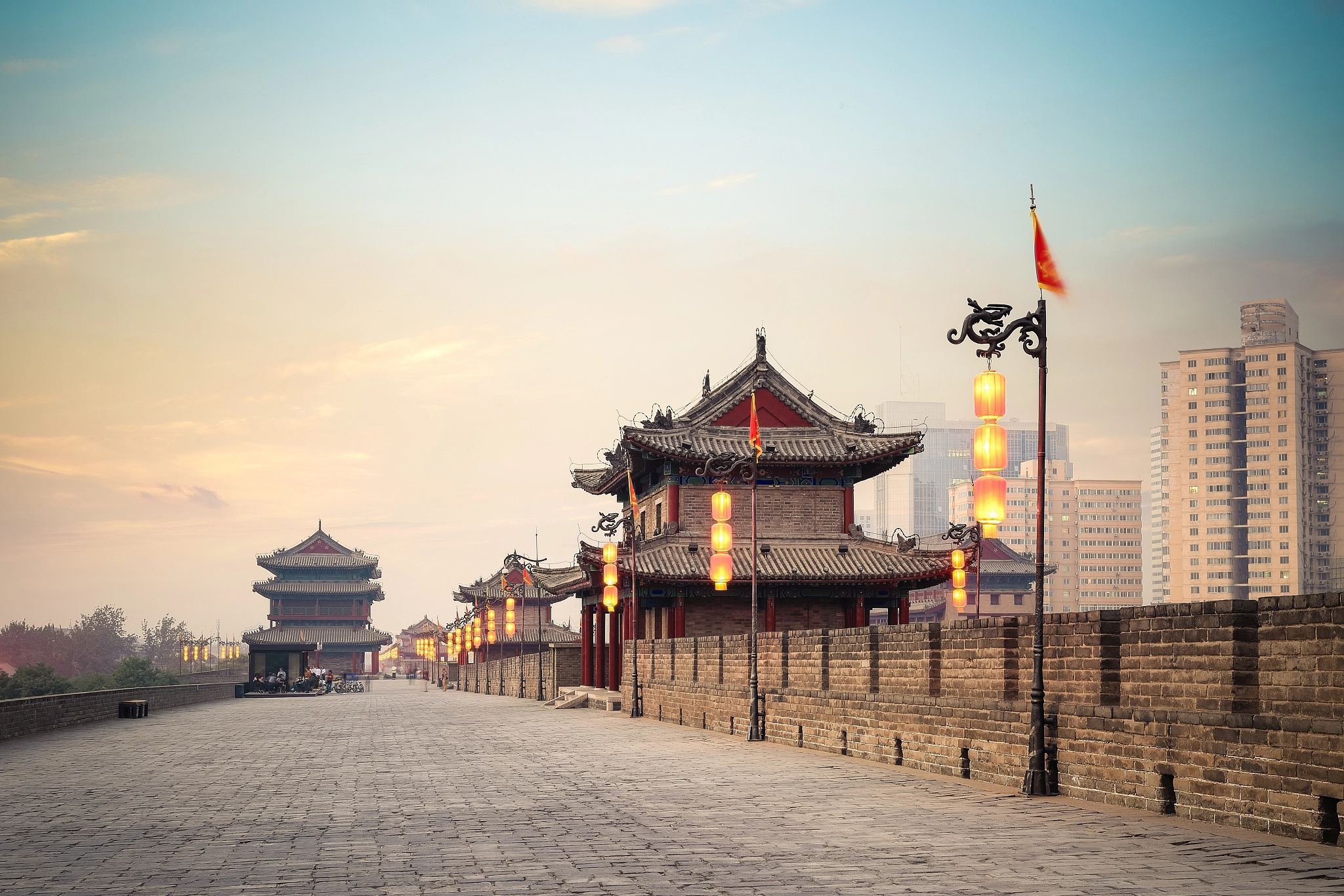
- Historical Grandeur: Pit 1 of the Terracotta Army, Xi'an City Wall (at dusk), the Wordless Stele at Qianling Mausoleum.
- Urban Glamour: Tang Paradise & Great Tang All Day Mall (at night), the Bell Tower illuminated.
- Natural Thrills: The Plank Walk on Mount Hua, sunrise and sea of clouds on Huashan, the mighty Yellow River Hukou Waterfall.
- Humanistic Stories: Cave dwellings at the foot of Yan'an's Pagoda Hill, an Ansai Waist Drum performance in action.
- Artistic & Niche: The swirling textures of Jingbian Wave Valley, the vibrant colors of Fengxiang clay figurines.