Inner Mongolia — An Epic of the Grasslands
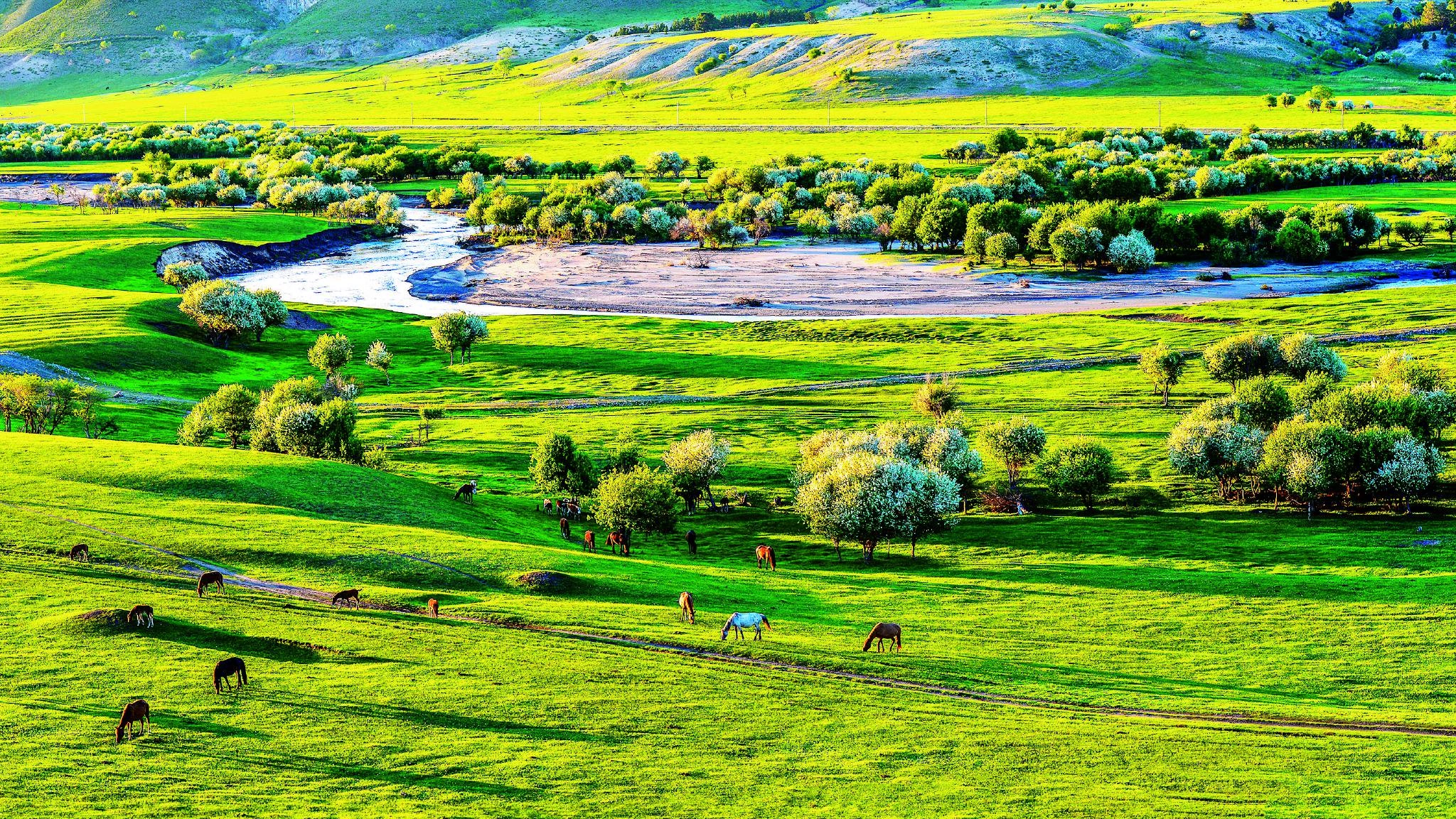
On the vast canvas of Chinese civilization, Inner Mongolia has never been merely a distant frontier. It is a nomadic epic, written with the earth as parchment and pastoral songs as ink. From the boundless grasslands to the endless deserts, from the forest sea of the Greater Khingan Range to the banks of the Erguna River, every inch of land sings the blessings of the Eternal Blue Sky and the gifts of the earth. Traveling here, you are not a tourist but a listener to the wind on horseback, feeling the vastness of life amidst millennia-old herding routes and the transformations of modernity.
The Spirit of Inner Mongolia: Heaven and Earth as Its Stage, Four Seasons as Its Poetry
To understand the boldness and depth of Inner Mongolia, one must first let the soul learn to walk upon this land. Here, the boundaries between grassland and desert are blurred by the wind, and the cycle of seasons is endowed with a divine rhythm—the awakening of spring, the exuberance of summer, the melancholy of autumn, and the austerity of winter—together composing the most fundamental movement of life. Inner Mongolia, as its Mongolian name "Monggol" signifies—eternal and brave—is a land gazed upon with deep affection by the Eternal Blue Sky, a living epic carved by windblown sands, pastoral songs, and forest murmurs.
Topography: A Natural Symphony of Grasslands, Deserts, and ForestsThe grandeur of Inner Mongolia is a multi-dimensional, three-dimensional poem. The rolling grasslands are its main melody, the undulating deserts its variations, and the verdant forests its profound refrain—together, they construct the most primitive and complex soul of this land.
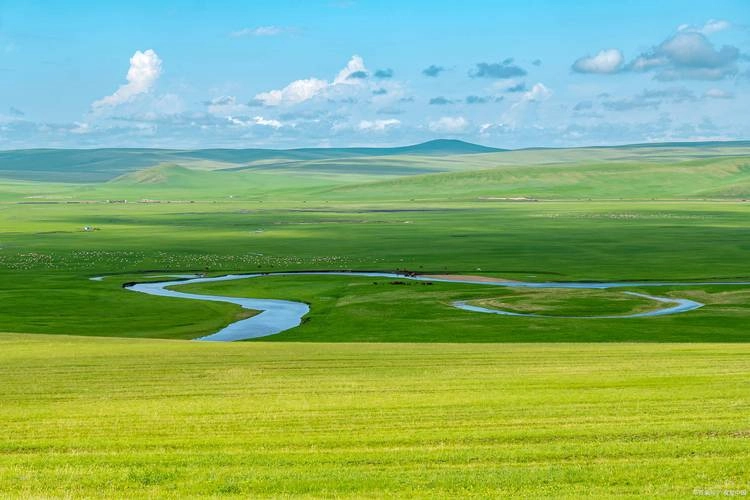
The Hulun Buir Grassland unfolds like an endless scroll of emerald, where the herders' long songs and the sound of galloping hooves intertwine into an eternal harmony. As one of the world's four major grasslands, it is not only an ecological treasure but also the cradle of nomadic civilization. Not far away, the Xilin Gol Grassland embodies the ancient poetic imagery of "the grass bows low, revealing cattle and sheep," merging the grassland's abundance with the humility of life. Every midsummer, the wrestling, horse racing, and archery at the Nadam Festival are the nomadic people's most candid tribute to strength and wisdom.
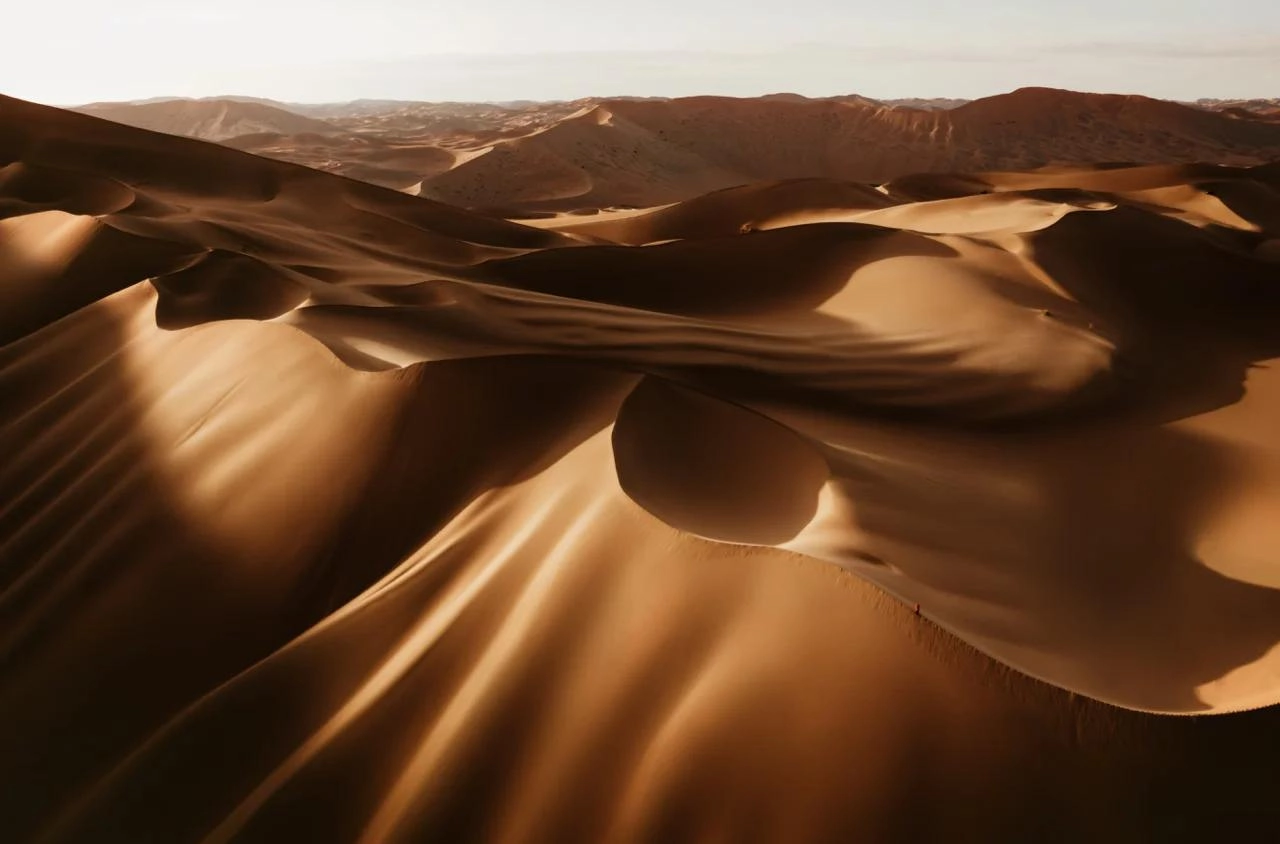
The Badain Jaran Desert resembles an ocean solidified by sunlight, sculpted with "the curves drawn by God" to form the wonder of the world's tallest sand dunes. Sand peaks rise like waves, and lakes scatter like stars—here, light and shadow redefine beauty with every passing moment. The transformation of the Kubuqi Desert is a modern myth—from a fearsome "Sea of Death" to a vibrant "Green Miracle," it stands as a testament to the ecological epic written with human wisdom and resilience. Plants like sea buckthorn and Caragana now firmly anchor the shifting sands, recalling long-lost vitality.
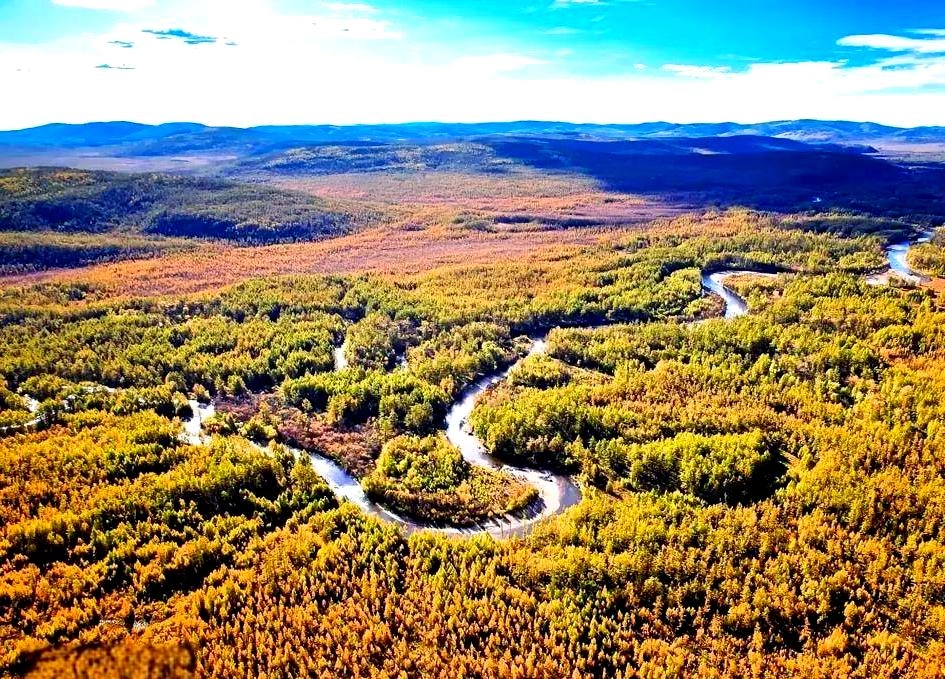
As the ecological backbone of the Northern Frontier, the Greater Khingan Range defines the breadth of life with its boundless forest sea. The Arxan Heavenly Lake is like a tear from a celestial realm, reflecting the sky and clouds in its serene, azure depths. Deep within the dense forests, the smoke still rises from the hearths of the Aoluguya Reindeer-herding Tribe, where the chime of reindeer bells intertwines with the hunters' ancient ballads, guarding China's last reindeer-herding culture. This land is not only a natural treasury but also the spiritual sanctuary of Northern Shamanic beliefs and forest civilization.
Climate: The Variations of the Four Seasons in the Northern Frontier
The four seasons of Inner Mongolia are a majestic epic penned by the temperate continental climate. Here, there are no blurred transitions; each season arrives in its purest form, performing distinctly different yet interconnected natural dramas across the vast expanse.
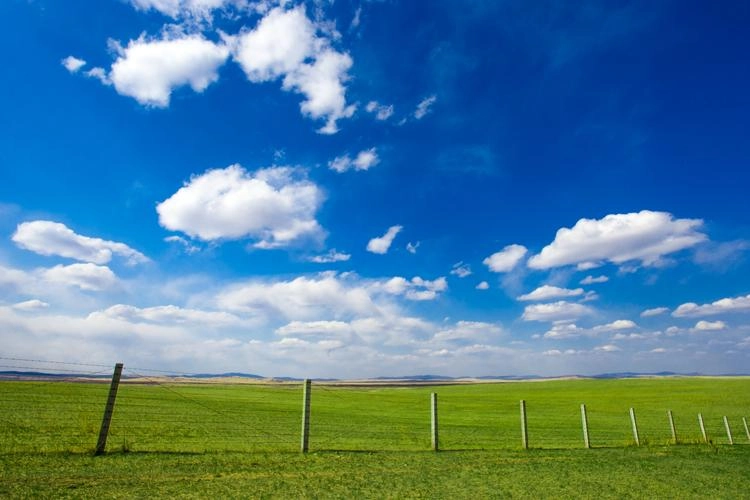
As the last chill is kissed away by the southern breeze, the ice and snow silently melt into countless streams, nourishing the awakening earth. The grasslands begin to show fresh green, like faint strokes from a painter's brush, while flocks of migratory birds trace long arcs across the azure sky on their northward journey. Though the Nadam Festival has not officially begun, spontaneous horse races and wrestling among herders brew in the spring wind—the first exhalation of the grassland spirit after its long winter hibernation.
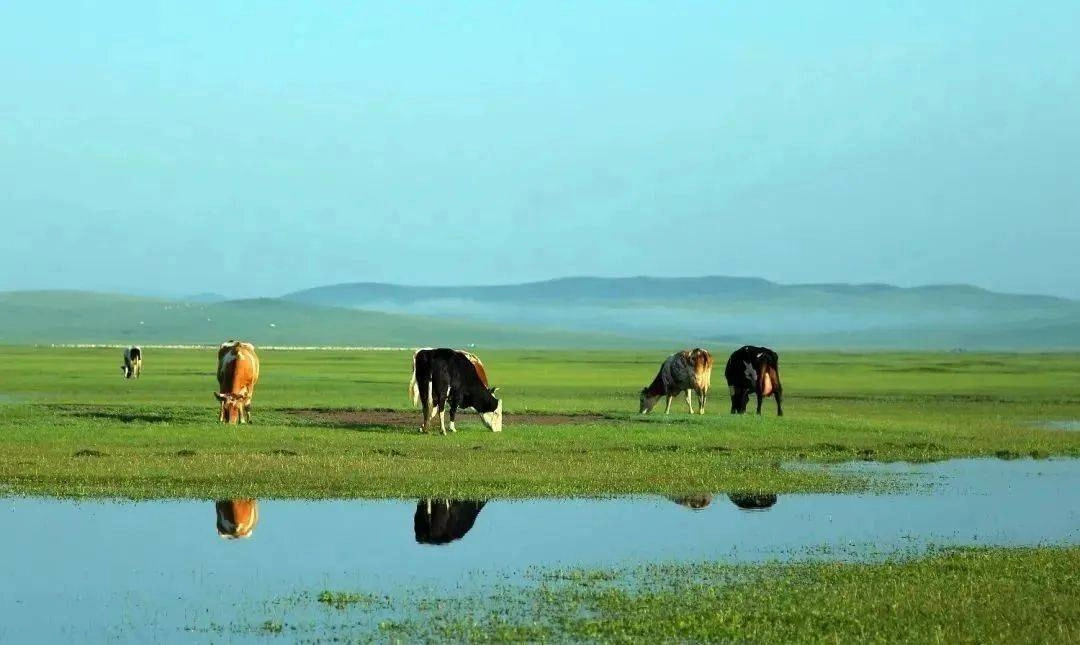
In the height of summer, Inner Mongolia transforms into an endless kingdom of emerald. Lush grass surges like waves toward the horizon, dotted with wildflowers like scattered stars—the bright red of the Saharan lily, the pink and white of the Gesang flower—weaving together into a brilliant carpet. The cool grasslands become an ideal summer retreat, with clear blue skies and drifting clouds by day. As night falls, the mellow aroma of mare's milk wine and the smoky scent of roast lamb waft among the yurts, while the distant sound of the horse-head fiddle tells tales of millennia.
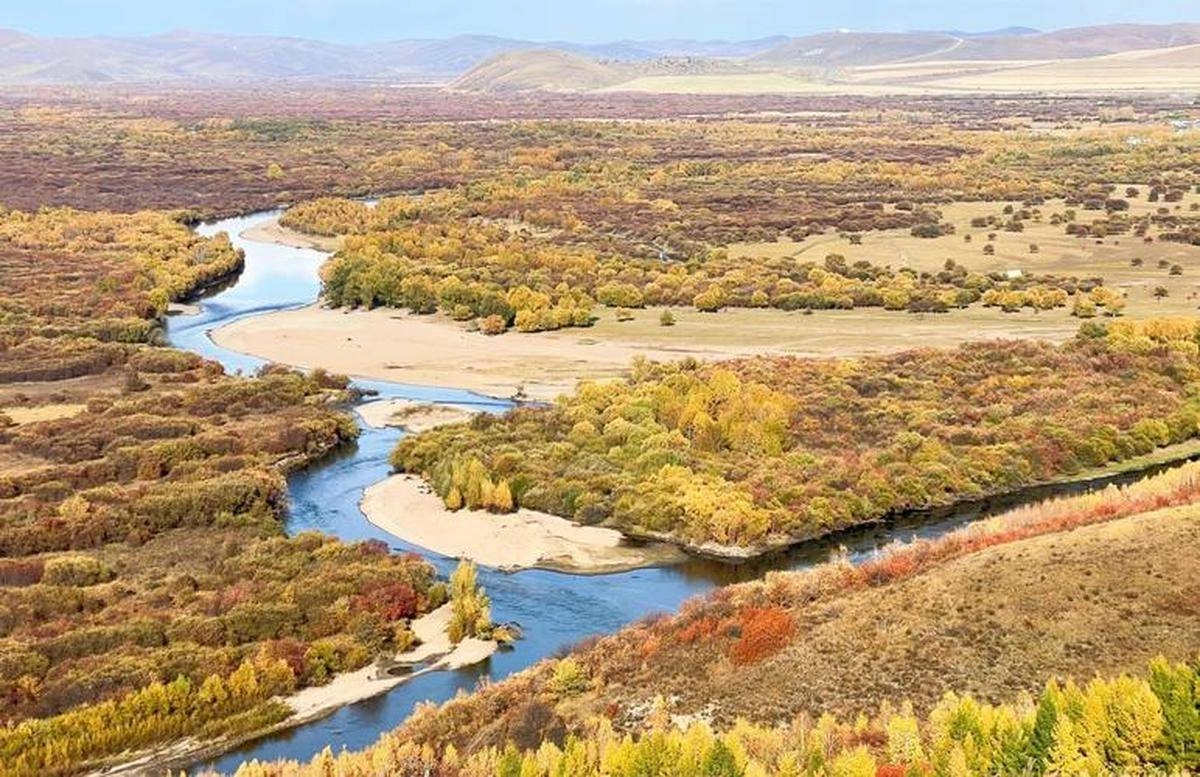
The autumn wind, like a master colorist, adorns Inner Mongolia in its most magnificent attire. The grasslands shed their emerald hue, turning into warm gold; the Greater Khingan Range is ablaze with color, the birch forests a brilliant yellow, the oak woods a deep crimson. Meanwhile, the poplar forests of Ejina reach the peak of their splendor. Four hundred thousand acres of golden poplars blaze under the azure sky, each leaf like amber soaked in sunlight, embodying the natural marvel of "a thousand years of waiting, just for autumn's glory."
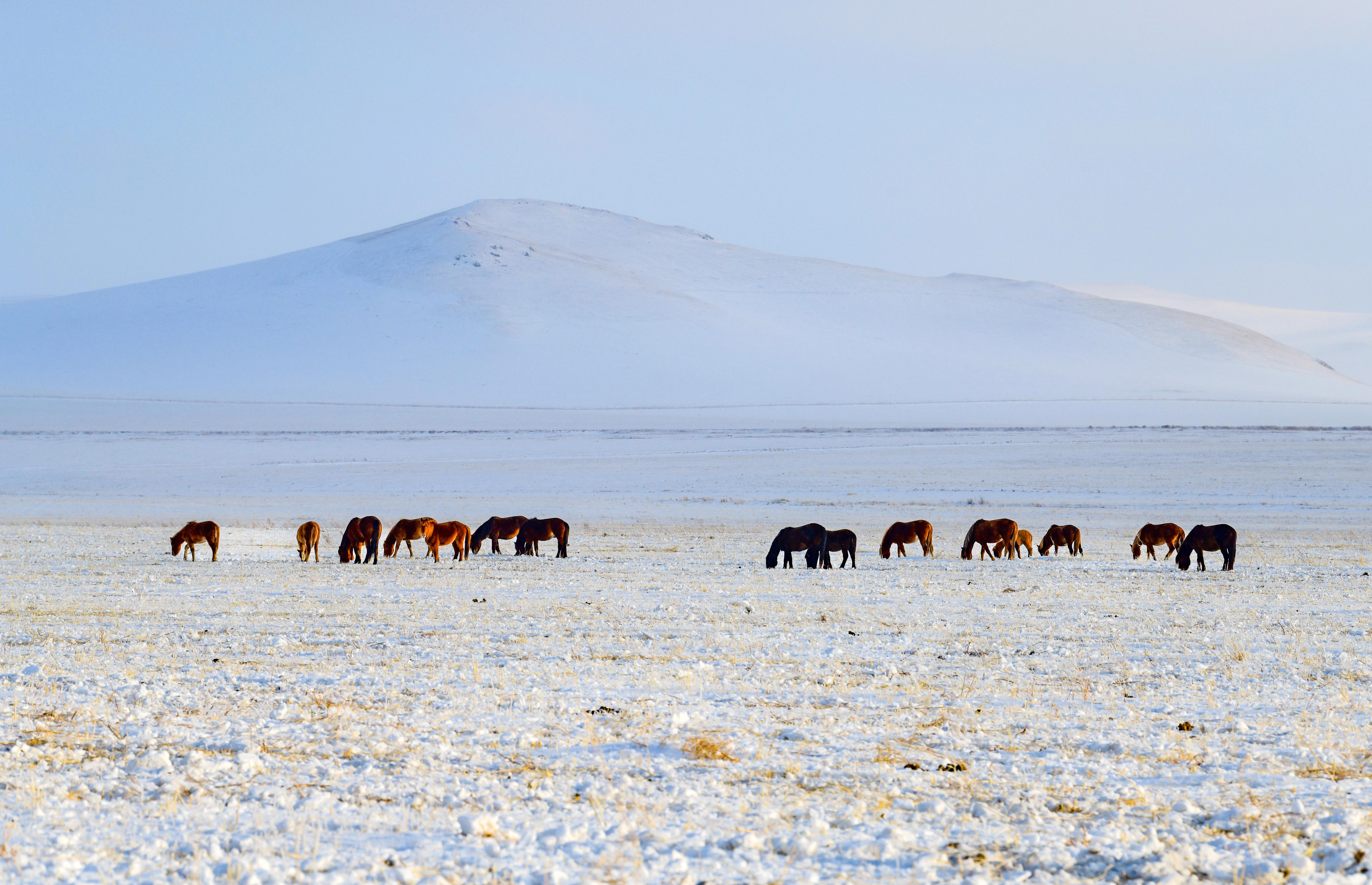
When snowflakes blanket the endless land with a thick quilt, Inner Mongolia enters a tranquil and profound hibernation. The snow-clad grasslands shimmer like diamonds in the sunlight, and in the profound silence, only the whisper of wind over snow is heard. Yet this icy world is not devoid of life—at the Ice and Snow Nadam, athletes gallop across the snowy plains, and camel-drawn sledges advance leisurely. In the snow-covered forests and plains, frost blossoms cling delicately, creating a fairy-tale scene. This is the wisdom of the northern peoples dancing with the harsh cold, a unique romance bestowed by nature.
The Soul of Inner Mongolia: A Equestrian People, An Epic of Heroes
In Inner Mongolia, every ovoo cairn holds the ancient memory of shamanic beliefs, every long-tune folk song carries the poignant legends of a thousand-year grassland. Here, history is both the fierce clash of arms and the warmth of milky tea; it is an epic of heroic figures and a hymn to everyday life.
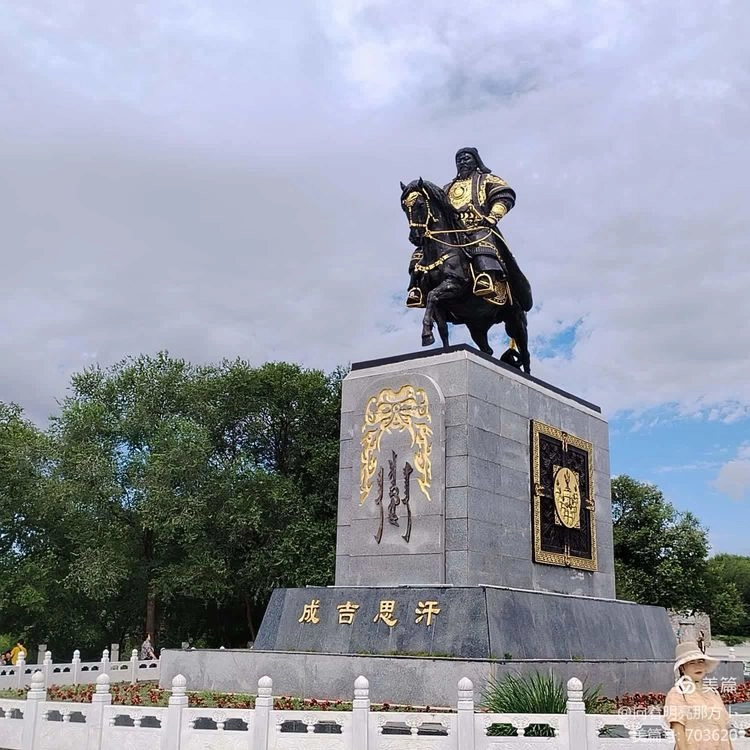
At the Mausoleum of Genghis Khan in Ordos, the Eight White Yurts stand silently, guarding the collective memory of a nation. What one feels here is not only remembrance for the legendary conqueror but also a quest to understand the rise of a nomadic empire. From raising his banner by the Onon River to uniting the Mongol tribes, from promulgating the Great Yassa to establishing a domain spanning Eurasia, he brought the wisdom and courage of steppe civilization to its zenith. His Sulding standard is still reverently worshipped in the annual ceremonies, its flowing tassels an eternal symbol of the indomitable spirit of the Mongolian people.
This pivotal emperor, inheriting his grandfather's legacy, demonstrated an even broader vision for governance. He established the Yuan Dynasty, setting its capital in Dadu (Beijing), yet consistently maintained reverence for steppe traditions—the summer palace ruins of Shangdu bear witness to his political wisdom in adopting Han Chinese systems while embracing diversity. He not only accepted Tibetan Buddhism but also protected Confucian culture, and he standardized the Mongolian script, ushering in a new era of deep integration between nomadic and agrarian civilizations.
Esteemed as the "Pride of the Grasslands," this revolutionary, at a critical juncture in modern Chinese history, safeguarded the unity of Inner Mongolia and harmony among its peoples with exceptional political acumen. From the Bailingmiao Uprising to establishing China's first provincial-level ethnic autonomous region, from promoting land reform to developing pastoral economies, he made the "Model Autonomous Region" Inner Mongolia's brightest hallmark, setting a glorious example for China's system of regional ethnic autonomy.
"The little wild goose flying from the south, won't land or rest until it reaches the Yangtze..." This folk song, sung for nearly a century, tells the tragic, heroic tale of this Mongolian hero. In 1929, facing the reckless ploughing of the Horqin Grassland by the Prince of Dargon and northeastern warlords, Gadamirin led a rebellion, crying out, "Protect the grassland, protect the herdsmen's lifeline!" Though the uprising ultimately failed and he met a heroic end at the Liao River, his spirit transformed into the most tenacious life force on the prairie, a lasting warning that the green of the grassland is the eternal faith and bottom line of the Mongolian people.
The Elegance of Cities: Each Place a Rhythm, Each City a Soul
The magnificent tapestry of Inner Mongolia is woven together by its twelve leagues and cities. From the ancient charm of Hohhot's "Blue City" to the exotic allure of Manzhouli, from the modern rise of Ordos to the pristine purity of Hulunbuir, each city is an indispensable and unique brushstroke in this vast scroll of civilization, carrying the historical memory and future aspirations of the Northern Frontier.
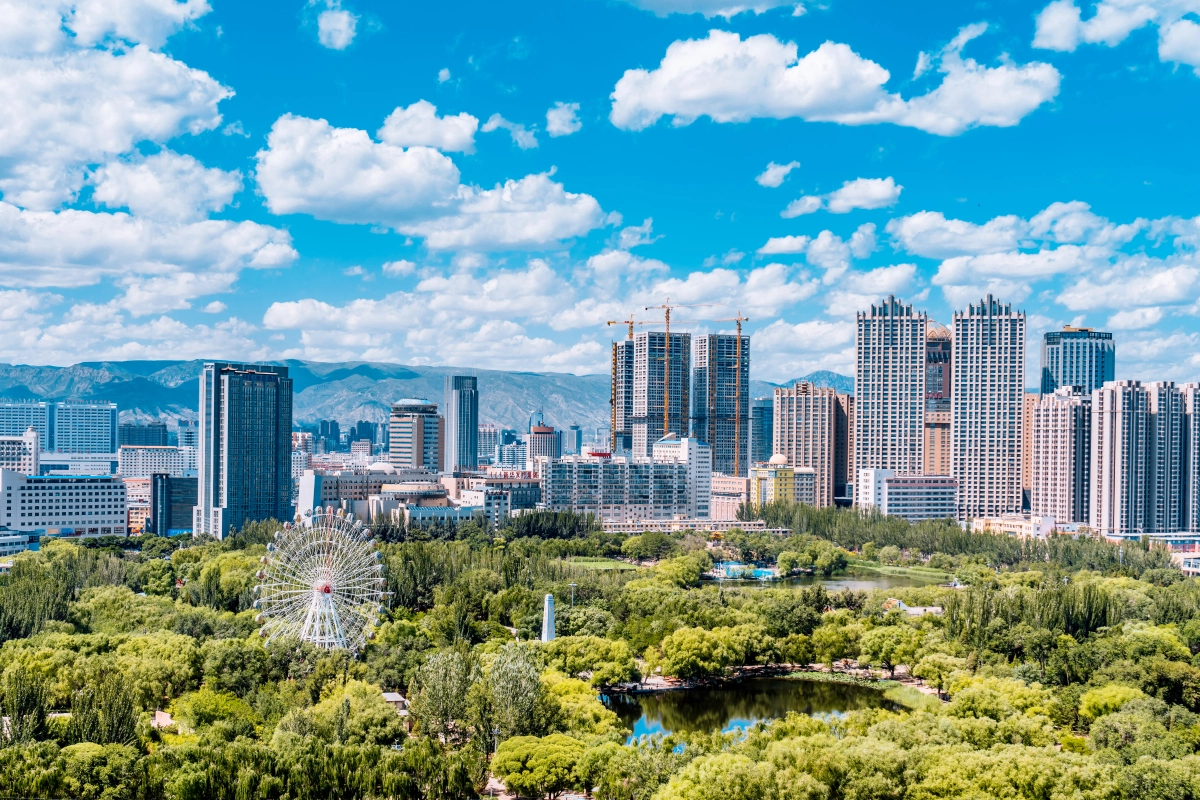
The "Blue City" represents far more than a chromatic symbol—it embodies the rich heritage cultivated through over four centuries of history. The Zhaojun Museum quietly narrates the story of a strategic marriage alliance that "silenced the clamor of war with the melody of a northern reed pipe." Within Dazhao Temple, the glimmering silver Buddha stands alongside the celestial stone chart of the Five-Pagoda Temple, together testifying to the deep roots and flourishing of Tibetan Buddhism in this region. Modern Hohhot not only preserves this historical legacy but also thrives as China's recognized "Dairy Capital." The scent of milk drifts across thousands of miles, each drop of its creamy richness distilled from the boundless generosity of the grasslands, nourishing the vast expanse of the nation.
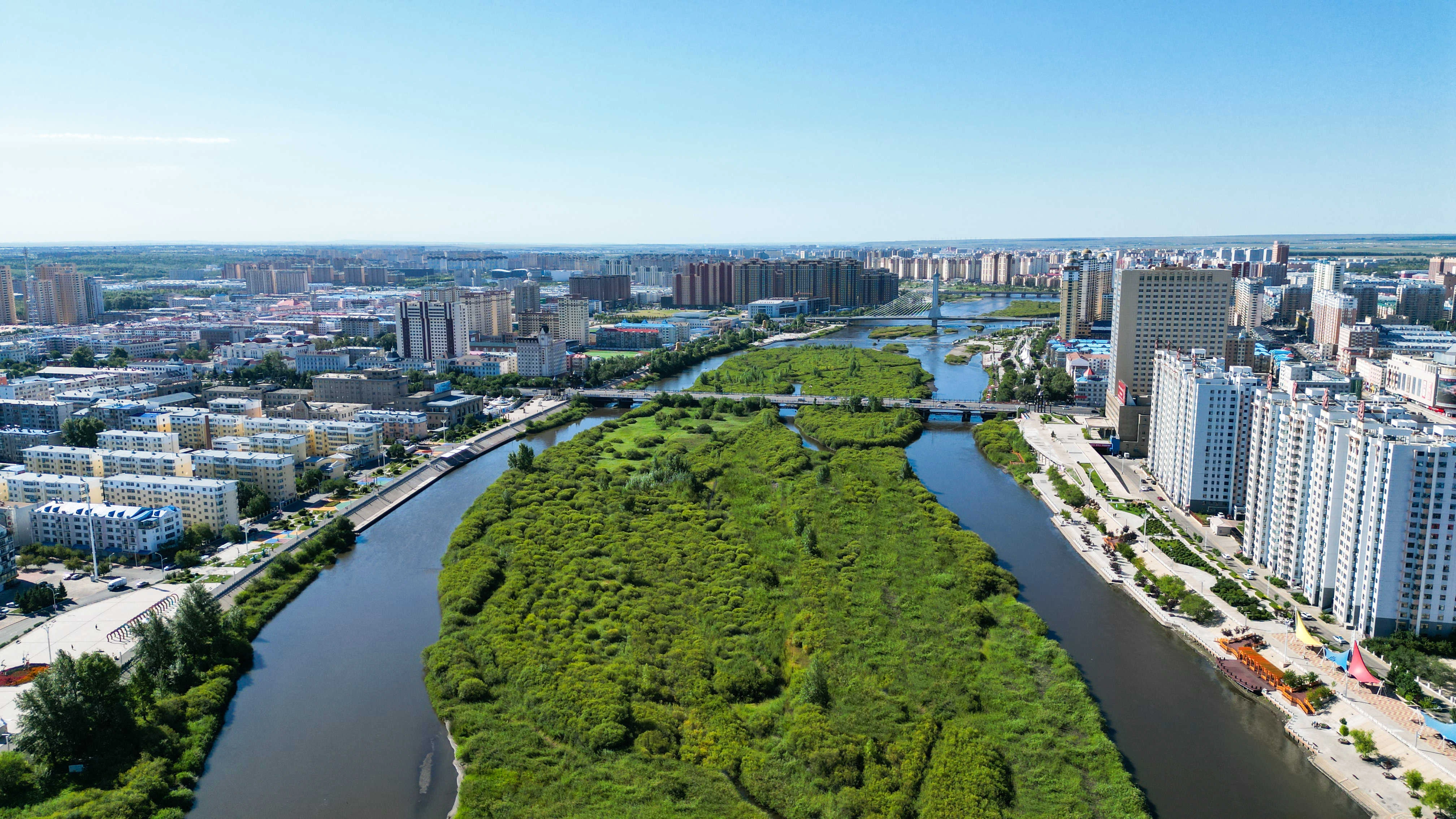
Its grasslands are hailed as "the last natural pasture on Earth." The Morin Gol River, known as the "Number One Meandering River under Heaven," paints its curves across the green expanse, while the Erguna Wetland serves as a vital stopover for migratory birds. From the wooden liekele houses of the Shiwei Russian Ethnic Township, the aroma of lieba bread and the sounds of the bayan accordion drift out. This is not only the birthplace of Genghis Khan but also a living ecological museum where the nomadic civilization of Northern China and the forest hunting culture blend and coexist.
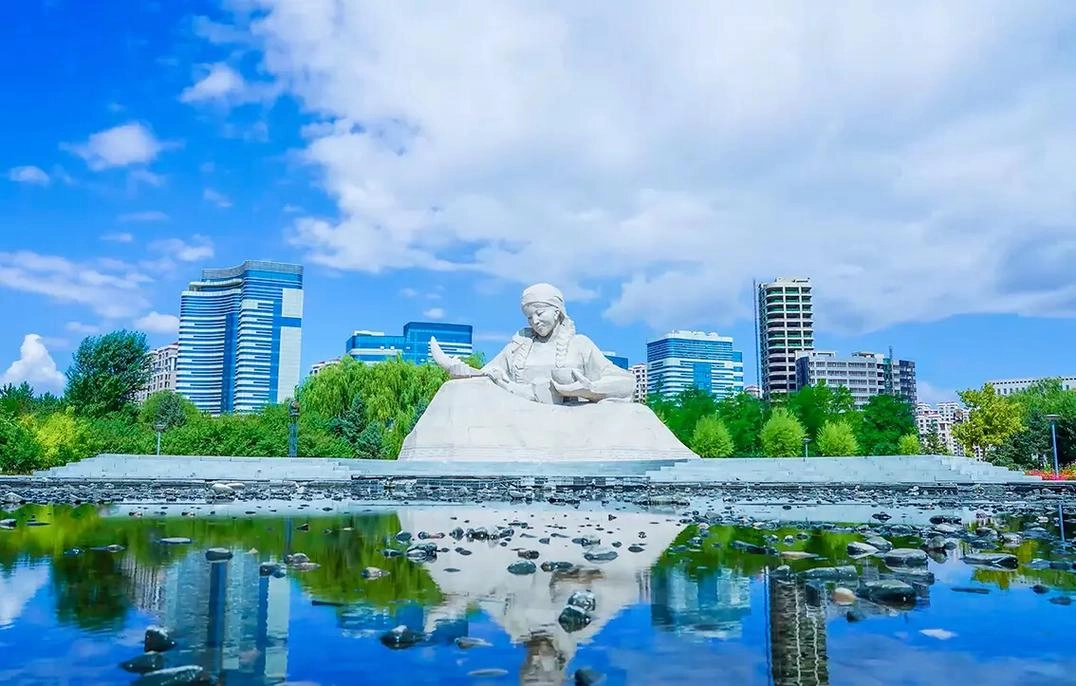
From its resource endowment of "sheep, coal, rare earths, and natural gas" to the industrial ambition of "warming the whole world," Ordos writes a modern legend on the edge of the Kubuqi Desert. The sacred lamp at the Mausoleum of Genghis Khan has burned unextinguished for eight centuries, guarding the spiritual faith of the Mongolian people; the roar of the Resonant Sand Bay is the perfect resonance of natural wonder and modern tourism. This "Desert Pearl" is transforming barrenness into prosperity and integrating tradition into the future at a remarkable pace.
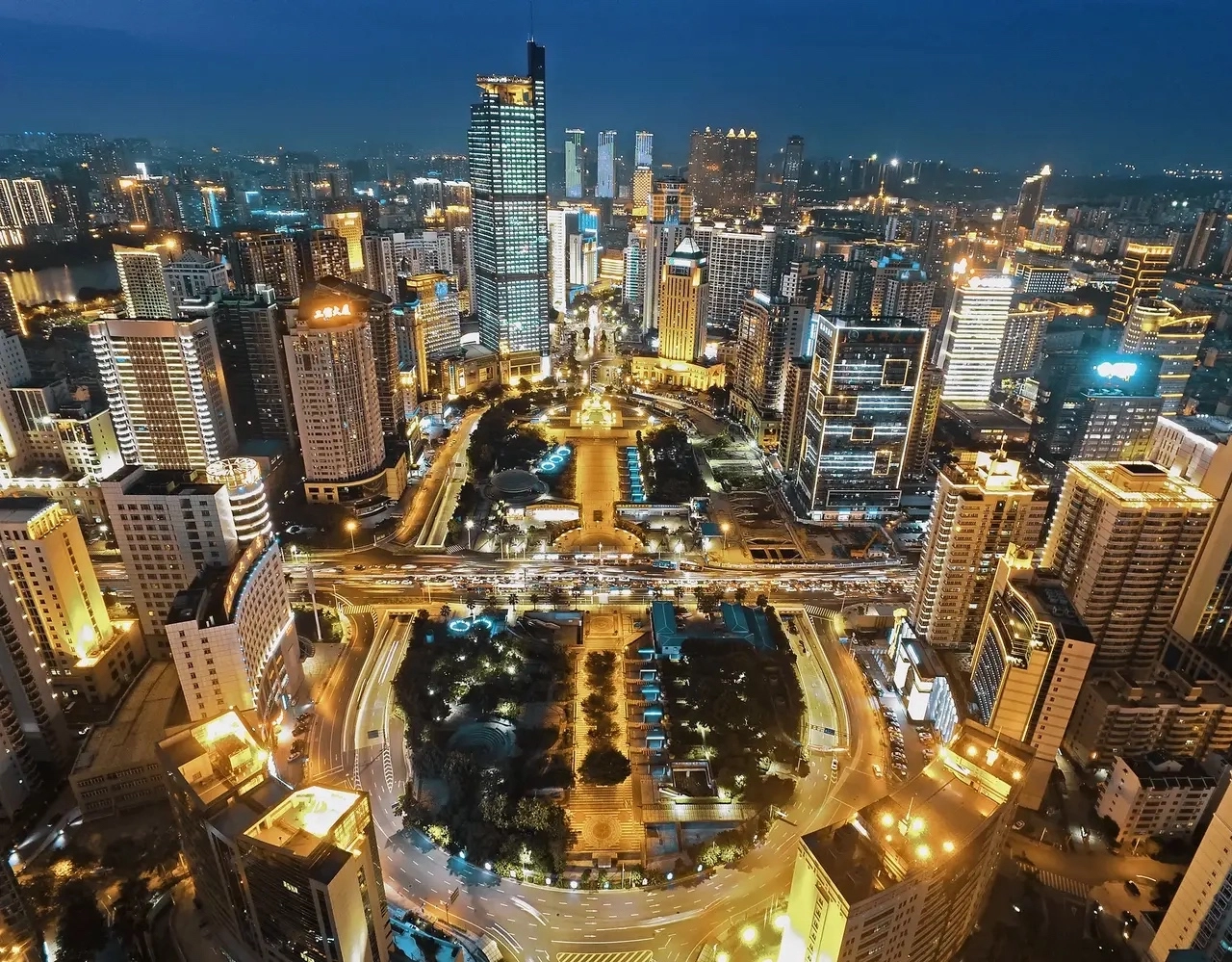
Behind the title "Steel City of the Grasslands" lies the industrial legend of Baotou Steel's glowing furnaces—it once forged the steel backbone of the Republic, producing the first steel rail and the first seamless steel tube. Astonishingly, beyond the rumbling factories, the city preserves ten thousand acres of pristine grassland, "Saihantala." Every midsummer, citizens can gallop on horseback here. The yurts and the steel city's skyline complement each other, forming a unique urban fabric of "half steel, half green," becoming the finest example of harmonious coexistence between industrial civilization and grassland tradition.
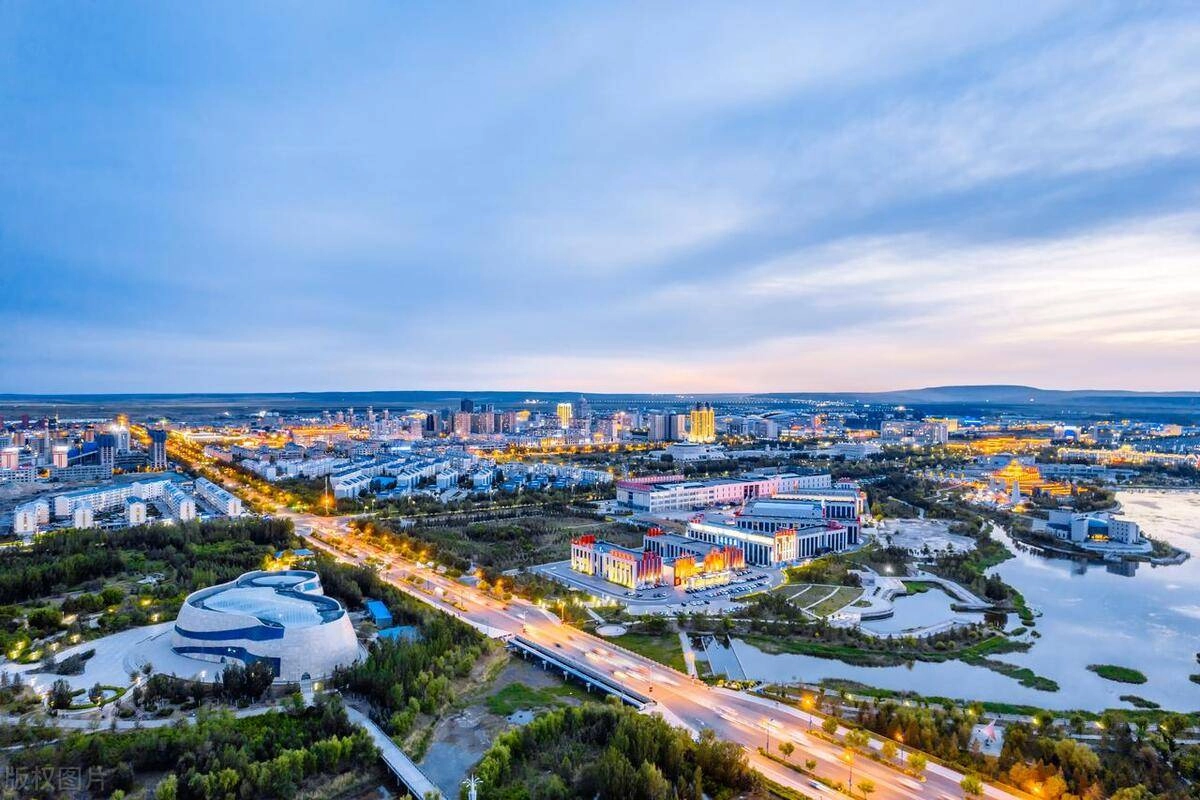
Recognized by UNESCO as the "Hometown of the Mongolian Long Song," every long tune here is a sonic fingerprint of the grassland—the Nogtra vibrato resembles the rhythm of wind through grass tips, merging the joys and sorrows of the nomadic people with the pulse of heaven and earth. Deep in the Jinlianchuan Grassland, the ruins of Shangdu, the Yuan Dynasty's upper capital, lie silent for seven hundred years. Though only broken walls remain, wandering through them, one can still imagine the splendor Marco Polo described: "the roofs of the palaces were all covered with gold leaf." During the annual Nadam Festival, wrestlers compete beside the ancient ruins, as if past and present overlap and intertwine.
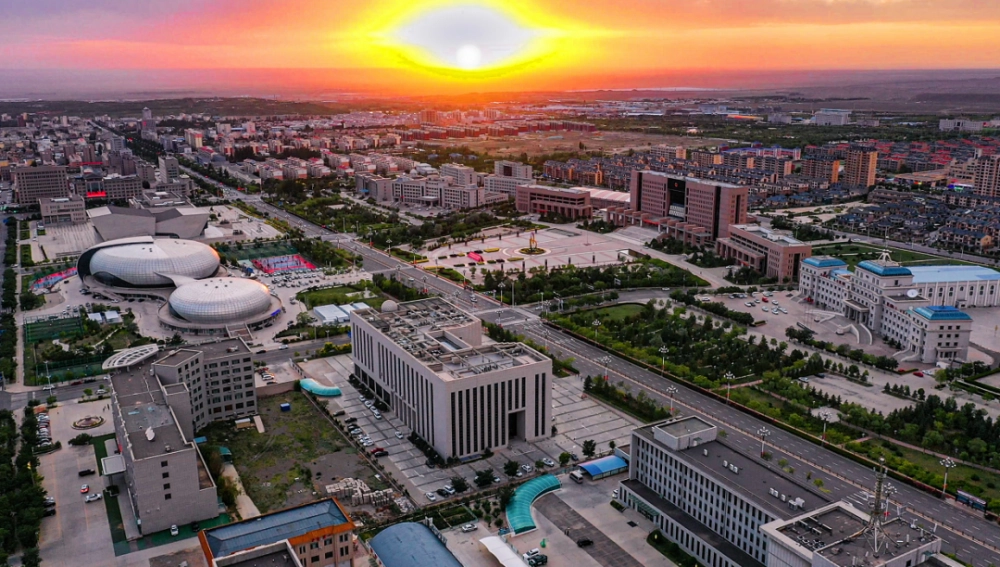
The poplar forests of Ejina interpret the dignity of life with three thousand years of waiting—in autumn, 450,000 mu of golden waves stand in stark contrast to the vast desert, becoming a paradise for photographers chasing light and shadow. 200 kilometers away, the Dongfeng Aerospace Center repeatedly sends "Shenzhou" spacecraft into the heavens. The resilience of the poplars and the ambition of spaceflight merge perfectly here. Every autumn, the "Hero Conference" gathers off-road enthusiasts and aerospace workers, allowing ancient camel tracks and modern flight paths to converse under the starry sky.
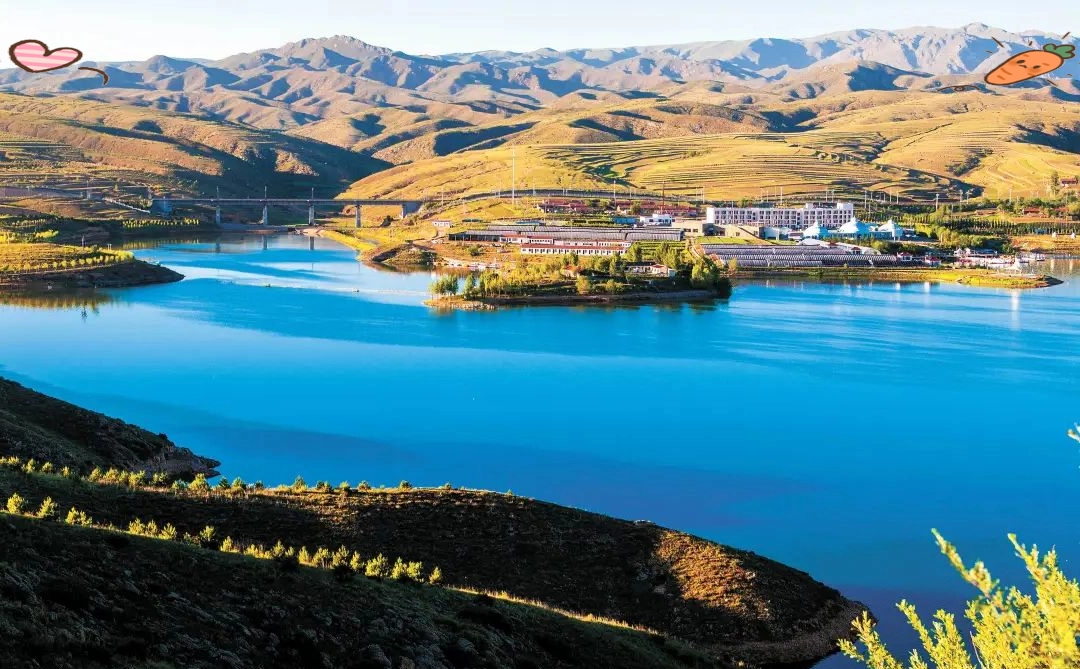
The former "Leather Capital of the Grasslands" is undergoing a magnificent transformation—the Ulan Hada volcanic group lies like black pearls inlaid on the grassland, their unique basalt columnar joints forming geographical wonders. With the advent of the high-speed rail era, this city within "Beijing's Seventh Ring Road" is transforming its Chahar cultural heritage into new developmental momentum: grassland music festivals are held at the foot of the volcanoes, Mongolian embroidery merges with modern design, revitalizing ancient skills in the contemporary world.
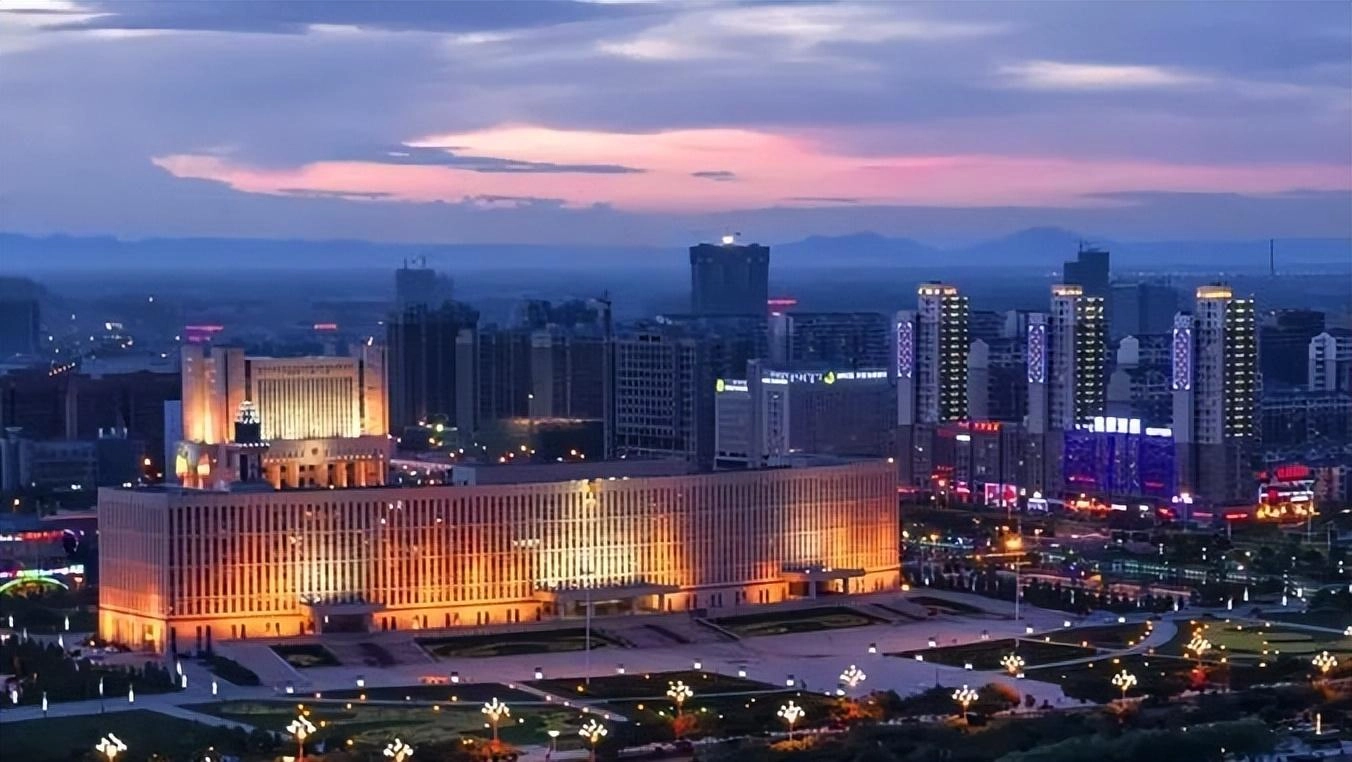
The vast fertile fields of the Hetao Plain compose the abundance of the "Granary Beyond the Great Wall"—emerald wheat waves in March, golden seas of sunflowers in August, nourished by an ancient Yellow River irrigation system that still sustains this land. As the largest freshwater lake in the Yellow River basin, Wuliangsuhai hosts over 200 species of migratory birds each year. Boats move through the reed marshes, where fishing songs harmonize with bird calls. Every grain of Hetao wheat is imbued with the essence of the Yellow River, every Yellow River carp pulses with the rhythm of ecological civilization.
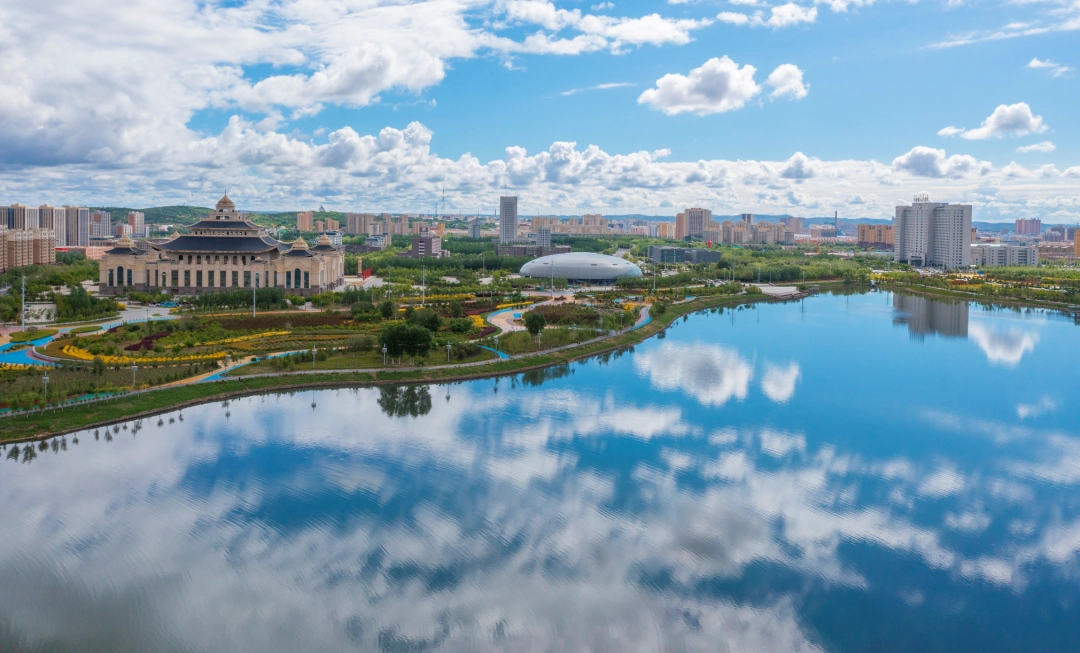
The rich tapestry of Inner Mongolia is further woven by its distinctive leagues and cities. Xing'an League, serving as the "Gateway to the Northeast," is watched over by the reflective waters of Arxan Heavenly Lake and preserves the revolutionary legacy of China's first ethnic autonomous government. Tongliao, celebrated as the "Hometown of Empress Xiaozhuang," keeps the bold spirit of the Horqin Grassland alive through the passionate movements of the Andai dance. Chifeng, where the jade C-shaped dragon known as the "First Dragon of China" was unearthed, marks the birthplace of the Hongshan Civilization. On the fringe of the Ulan Buh Desert, Wuhai flourishes as the "Chinese Calligraphy City," scripting the legend of a riverside oasis along the Yellow River. Manzhouli, a jewel of the Northern Frontier, stands with its majestic National Gate and enchanting Matryoshka Square, serving as a constant witness to the dynamic convergence of Chinese, Russian, and Mongolian cultures. Each of these cities, with their unique appeal, contributes to the intricate and multi-dimensional cultural landscape of Inner Mongolia.
Unique Festivals: The Rhythm of the Grasslands, Songs of the Seasons
The festivals of Inner Mongolia vividly embody the profound harmony between nomadic civilization and the rhythms of nature. With the heavens and earth as their stage and the four seasons as their backdrop, these celebrations perpetuate the most genuine zest for life and cultural beliefs of the steppe peoples through a dynamic blend of tradition and innovation.
Nadam Festival: A Midsummer Epic of Grassland Celebration
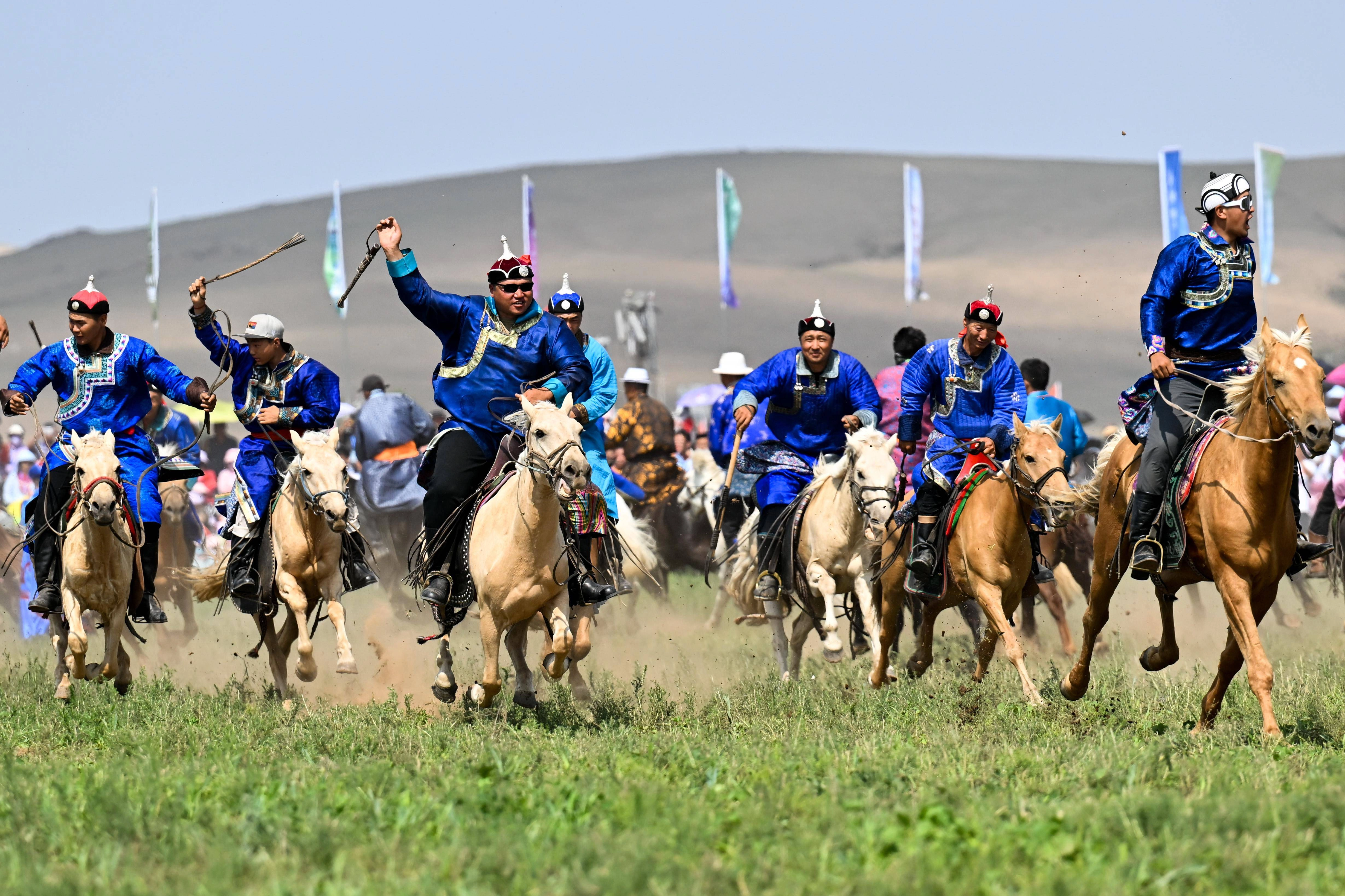
Each July and August, when water and grass are at their most abundant, the grasslands host their grandest event—the Nadam Festival. Recognized as a National Intangible Cultural Heritage, this gathering originates from ancient Mongolian ceremonies at the ovoo cairns. On the horse-racing tracks, young riders fuse with their steeds, streaking across the green expanse like arrows released from a bow. In the wrestling rings, Bökh competitors enter with eagle-like steps, showcasing a perfect blend of strength and technique. In the archery ranges, marksmen focus their spirit, their bowstrings humming with the ancient wisdom of the hunt. Today, the festival also integrates performances by the Ulan Muqir troupes, costume exhibitions, and trade fairs, allowing ancient traditions to find new life in the modern world.
Oboo Worship: A Spiritual Dialogue with Heaven and Earth
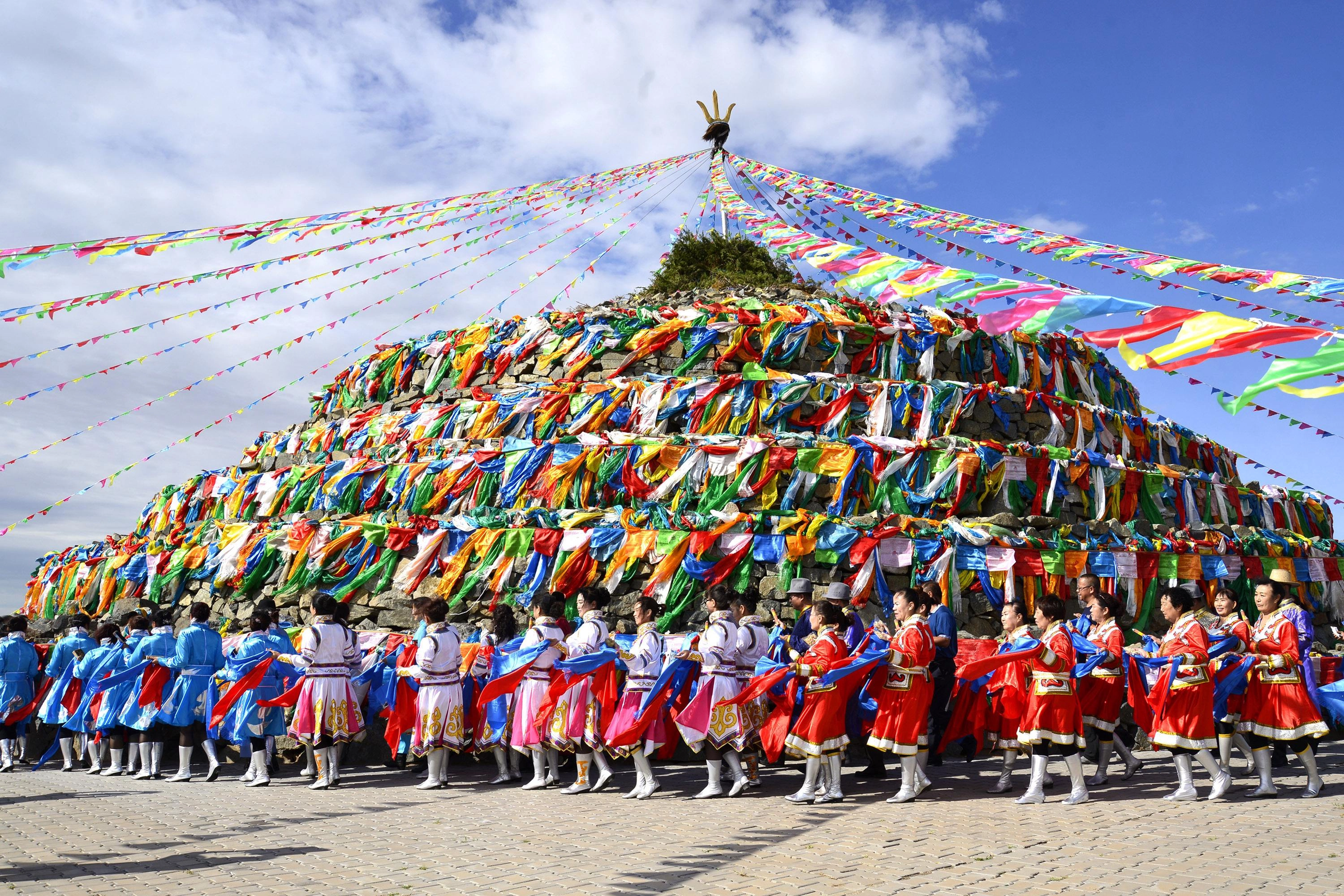
Each May in the lunar calendar, the ovoo cairns dotting the grasslands become focal points of faith. Herders circle these mounds three times clockwise, carrying dairy offerings and ceremonial silk scarves (khadag), before presenting their gifts devoutly, praying for favorable weather and the safety of both people and livestock. This ancient ritual, rooted in Shamanism, has evolved into a comprehensive folk activity incorporating Buddhist elements. Following the ceremony, horse racing, wrestling, and other entertainments often take place, where solemn religious observance and joyful folk custom complement each other, displaying the Mongolian people's ecological wisdom of harmonious coexistence with nature.
Mare's Milk Festival: A Celebration of Gratitude for the Nectar of the Steppe
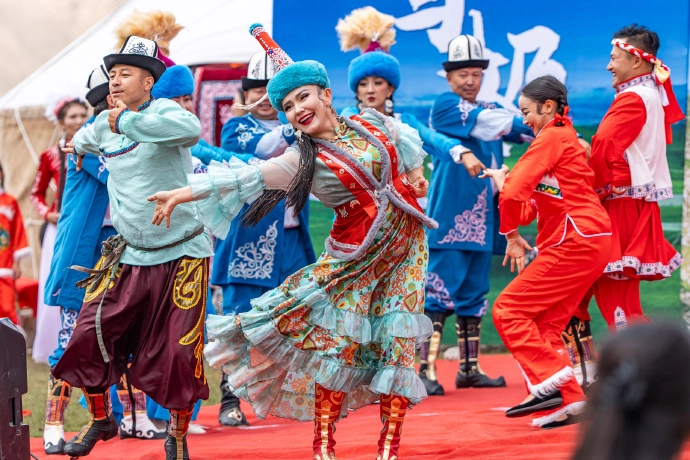
Held each August on the Xilingol grasslands, the Mare's Milk Festival is uniquely characteristic. Herders sprinkle the first bowl of newly fermented airag (mare's milk wine) towards the sky and earth, giving thanks for nature's bounty. The festival features not only thrilling horse races and demonstrations of horse-herding skills but also lighthearted competitions like milking mares. As night falls, people gather to drink airag freely, and young men and women sing antiphonal love songs beside bonfires. The mellow aroma of the milk wine intertwines with joyous singing, conveying delight in the harvest and praise for life itself.
Xing'an League Rhododendron Festival: A Visual Feast of Northern Spring
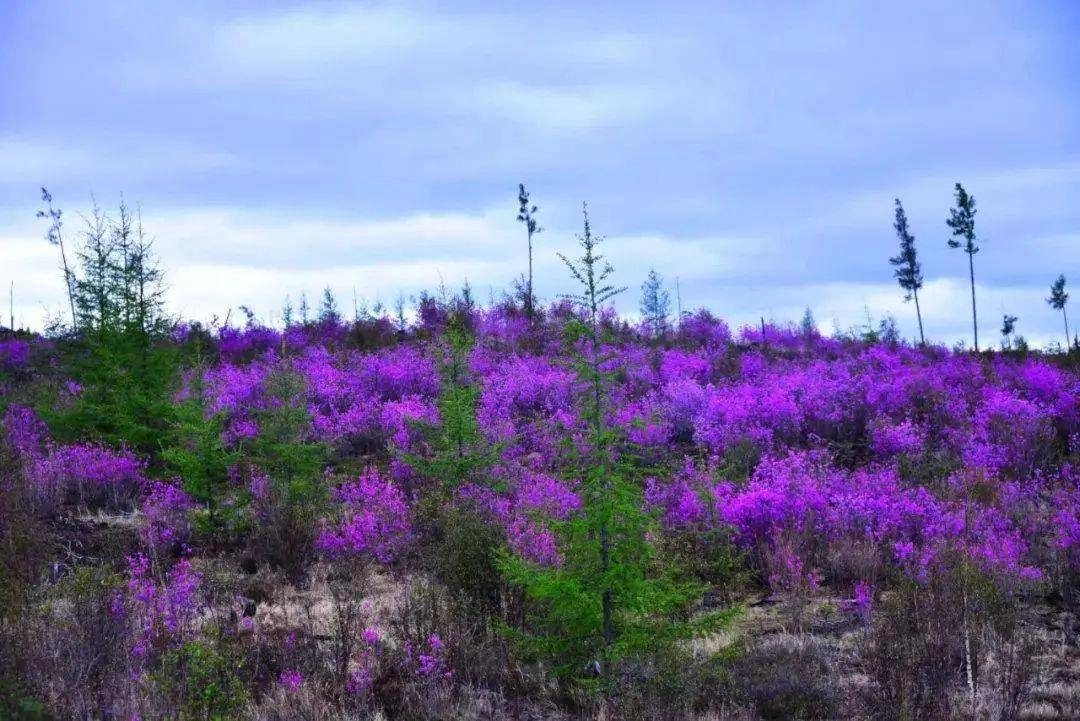
Each early May, the rhododendrons of the Greater Khingan Range bloom on schedule, painting the rolling mountains in a sea of pink blossoms. The local Rhododendron Festival, centered on this natural spectacle, blends ecotourism with cultural experiences. Visitors can wander through the stunning expanses of flowers and also participate in forest music festivals and markets featuring intangible cultural heritage crafts, experiencing the unique charm of the northern forest region amidst the floral fragrance.
Arxan Ice and Snow Festival: A Winter Wonderland in the North
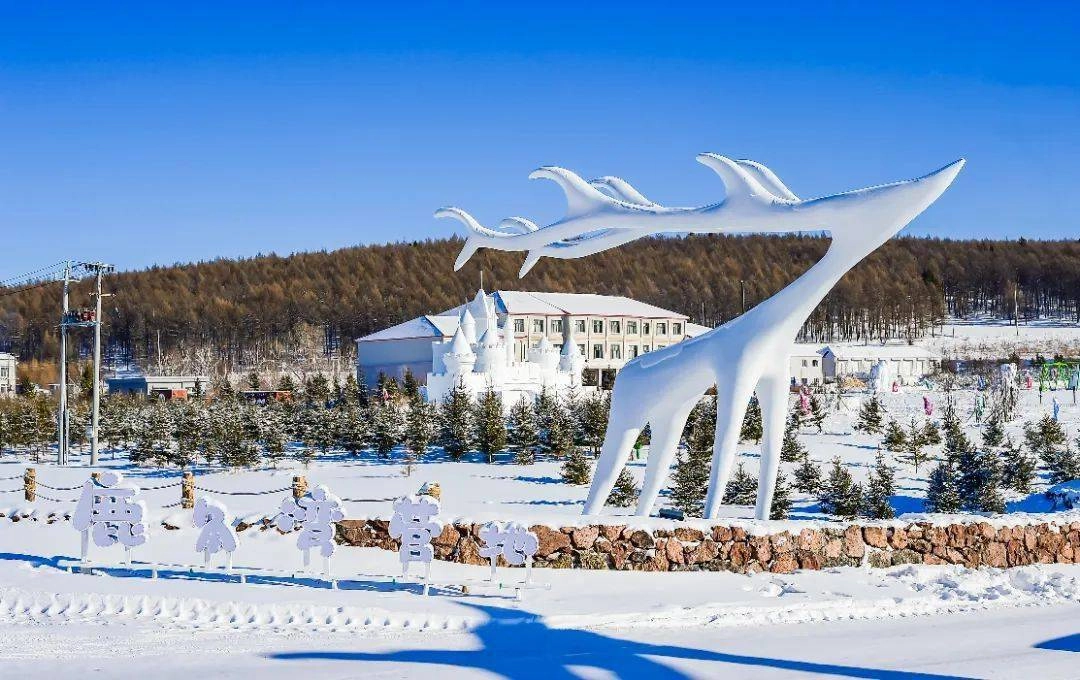
When winter blankets the Greater Khingan Range, Arxan transforms into a fairy-tale realm. During the Ice and Snow Festival, the banks of the non-freezing river sparkle with frost crystals, and the snow sculpture park displays a dazzling array of creations. Visitors can experience unique activities like snowmobiling and reindeer-drawn sleds, or indulge in the "ice and fire dual experience" of soaking in hot springs amidst temperatures as low as -30°C. This event, lasting throughout the winter, is redefining the tourism experience of a grassland winter.
Natural Wonders and Cultural Sanctuaries: Nature's Artistry, Humanity's Secrets
The grandeur of Inner Mongolia lies not only in the vastness of its landscapes but also in those wondrous sites that concentrate both nature's divine power and humanity's wisdom. They showcase either the creator's sublime artistry or carry the collective memory of a people, together forming the spiritual coordinates of this land.
Grassland Secrets, Epic Songs of Heaven and Earth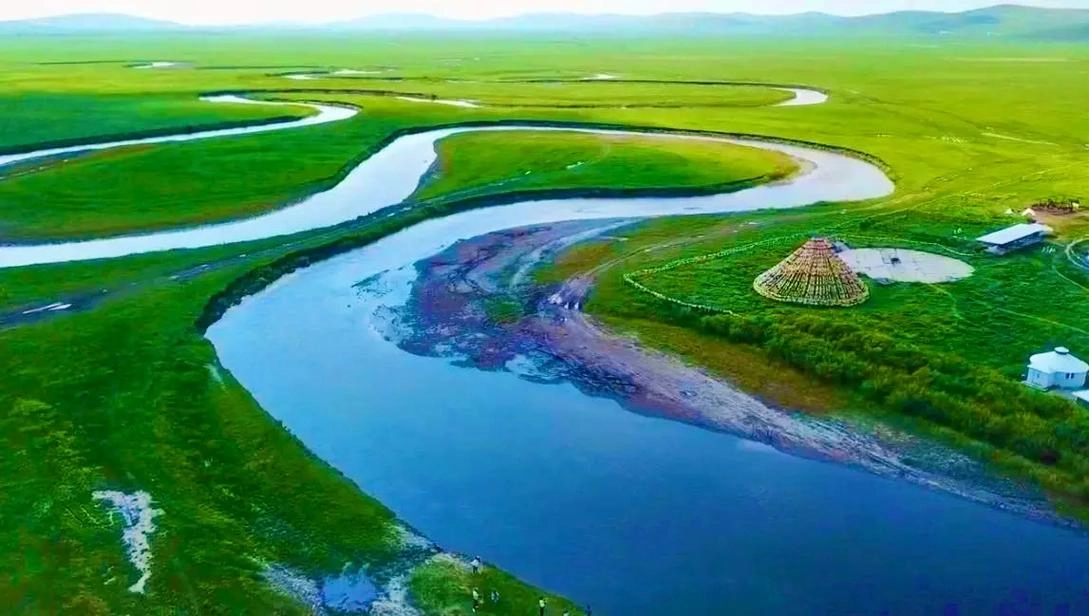
Hulunbuir Grassland: As one of the world's four great grasslands, it is not only an ecological marvel but also a homeland for the soul. The Morin Gol River, celebrated as the "First Meandering River under Heaven," etches thousands of gentle curves across the endless green expanse, resembling a stave written by the cosmos. During the summer Nadam Festival, the powerful stances of Bökh wrestlers, the thrilling gallop of racing horses, and the graceful movements of the Andai dance performed by young women push grassland culture to a crescendo of celebration. When night falls, the Milky Way drapes over the wilderness, and the sounds of the horse-head fiddle and long songs from within the yurts pierce the darkness, continuing the eternal dialogue between humanity and nature.
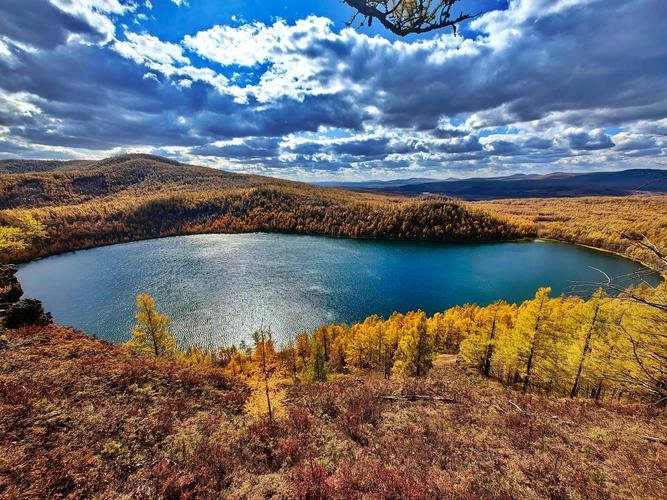
Arxan National Forest Park: This hidden gem in the heart of the Greater Khingan Range boasts China's most concentrated collection of volcanic crater lakes. Camel's Hump Lake rests like an emerald set within pristine forests, while the dark brown basalt of the Stone Forest records volcanic eruptions from hundreds of millions of years ago. It offers stunning scenery in all seasons—carpets of azaleas in spring, emerald green forest seas in summer, vibrant autumn hues, and glittering frost-covered trees in winter—a perfect fusion of a "natural geological museum" and a "gallery of the four seasons."
Desert Wonders, Divine Artistry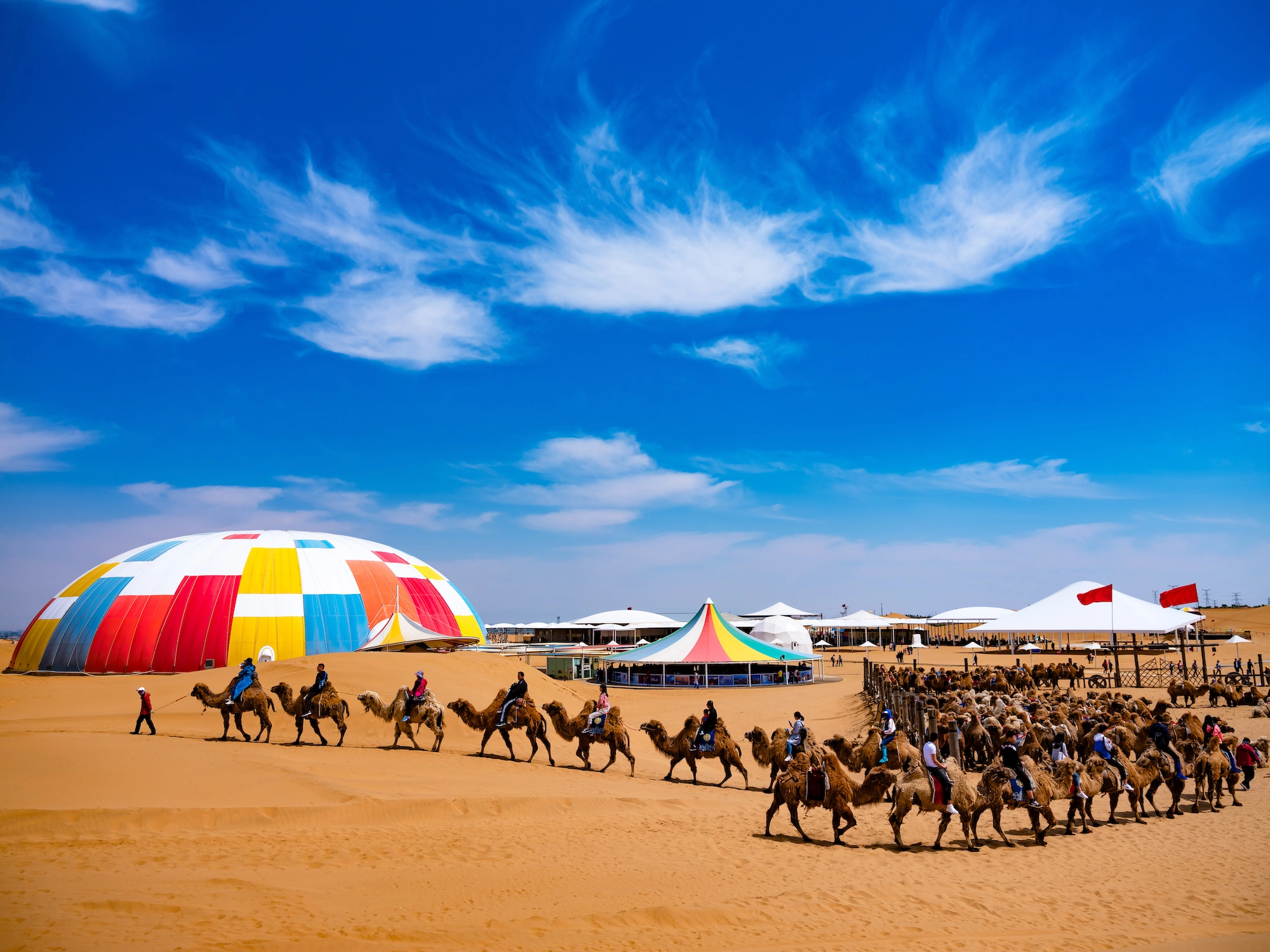
Xiangshawan (The Resonant Sand Bay): Here, the sands "sing"—as visitors slide down the dunes, they emit a roaring sound, like drums or thunder, a symphony of the desert performed by nature. Complementing this natural phenomenon is the Lotus Hotel, a structure built without bricks or tiles that blossoms like a snow lotus in the desert, achieving a perfect symbiosis of natural wonder and modern ingenuity. Visitors can witness the stark beauty of the desert by day and gaze upon a brilliant starry sky by night, experiencing a journey from the primitive to the future.
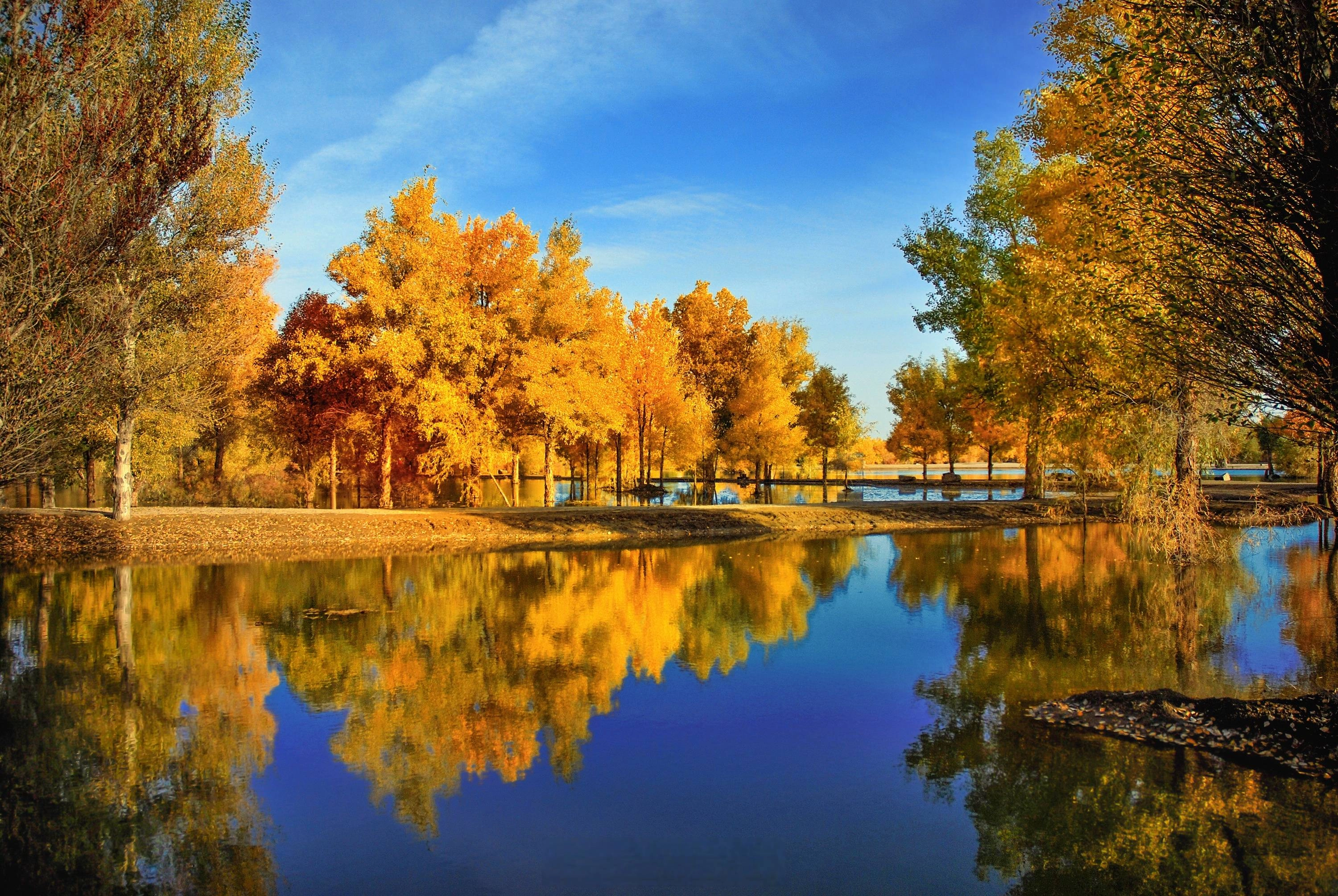
Ejina Poplar Forests: Spanning 450,000 mu, these poplar forests form a golden barrier on the northern edge of the Badain Jaran Desert, embodying a legendary resilience—alive for a thousand years, standing erect after death for another thousand, and resisting decay after falling for a final thousand. Each October, these "hero trees of the desert" dye the entire Ejina River Valley a brilliant gold, with their gnarled branches dancing and a carpet of golden leaves creating the most tragically magnificent autumn scenery on Earth. This is life's most beautiful defiance against a harsh environment, a love letter written by time to the land.
Cultural Sanctuaries, Spiritual Homelands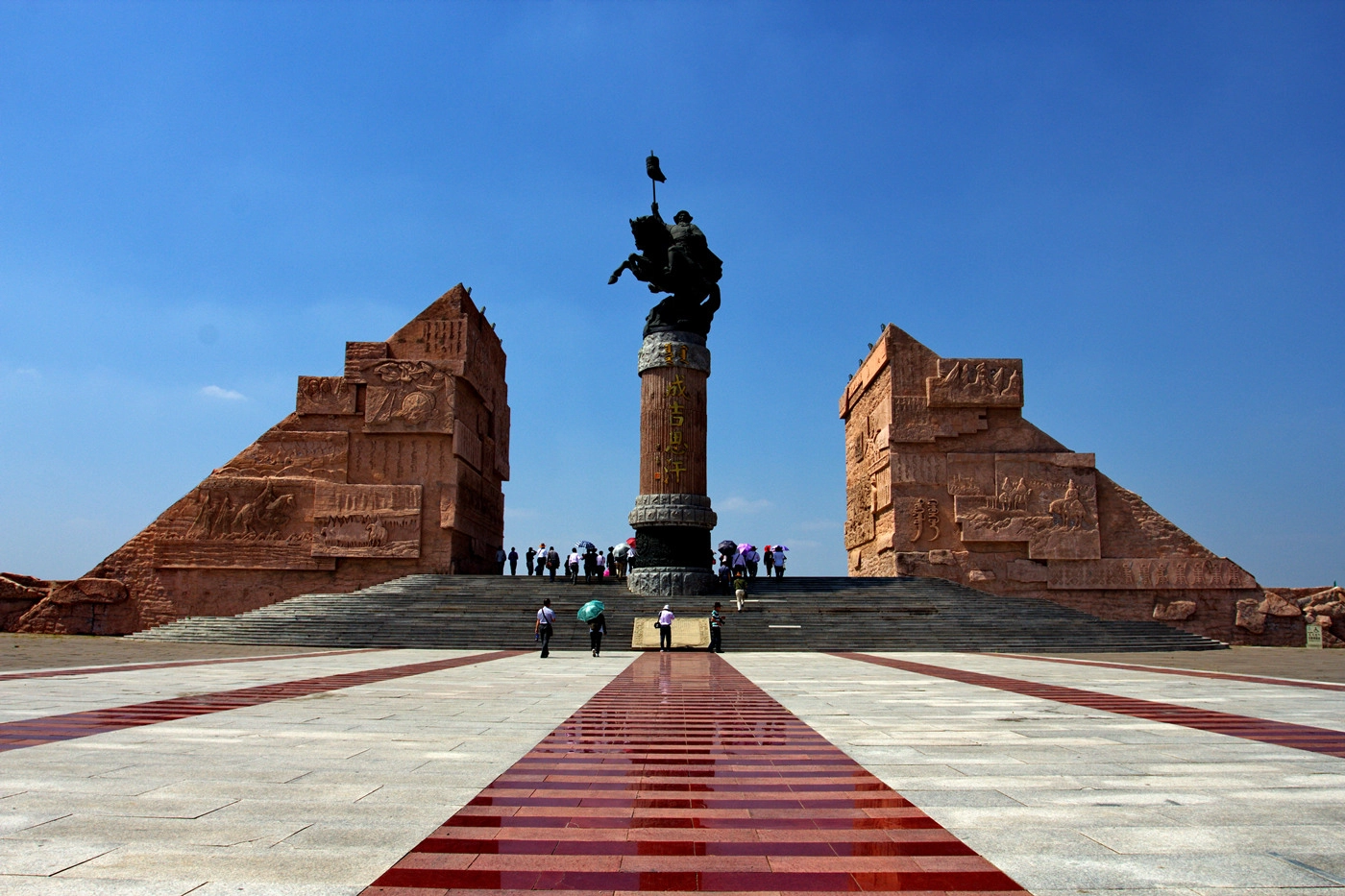
Mausoleum of Genghis Khan: Situated on the Ordos grassland, this mausoleum is a spiritual beacon for the Mongolian people. Within the Eight White Yurts, the eternally preserved Sulde standards and silver spirit caskets carry a nation's endless remembrance of its forefather. During the grand ceremonies held each season, Mongolians from various regions, dressed in traditional attire, express their reverence for the Great Khan through ancient rituals, making this a living site of cultural transmission.
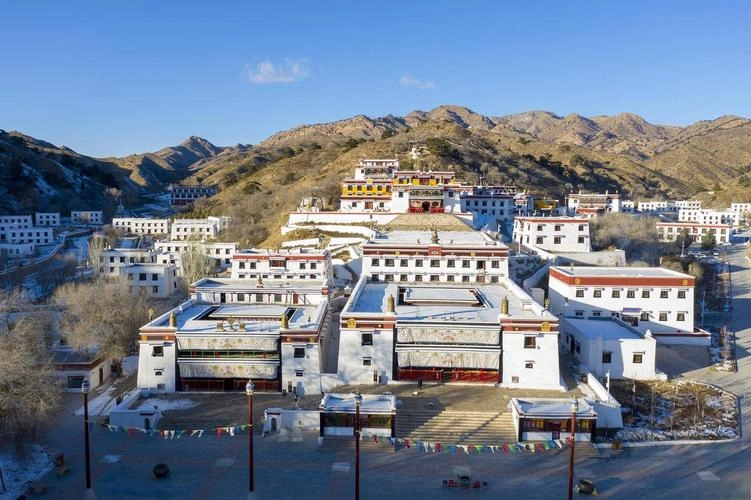
Wudang Lamasery: Hailed as the "Potala Palace of the Grasslands," this sacred site of Tibetan Buddhism features white buildings terraced along a mountainside, appearing exceptionally pure against the blue sky and green grass. The priceless thangkas and scriptures housed within its Sukhavati Hall bear witness to three hundred years of Buddhist propagation in Mongolia. At dawn, the chanting of sutras carries on the wind, soothing the soul of every pilgrim and establishing this place as Inner Mongolia's most spiritual cultural landmark.
Intangible Cultural Heritage: The Flow of Craftsmanship, Echoes of the Grassland
In Inner Mongolia, ancient civilization has never been confined to history books. It flows continuously through the herders' fingertips, resonates in the singers' voices, and perpetuates the soul of the grassland in the most vibrant ways.
Mongolian Long Song: A Lyrical Poetry Between Heaven and Earth
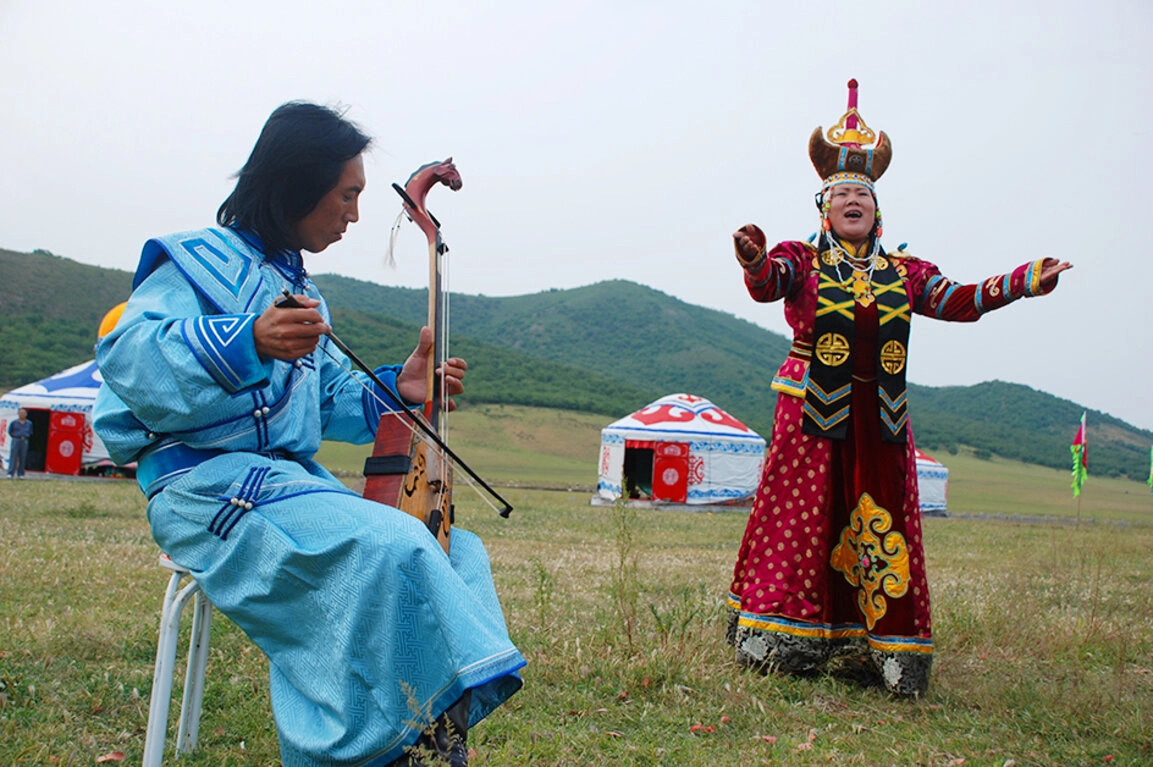
Recognized by UNESCO as an Intangible Cultural Heritage of Humanity, the Long Song is the most authentic voice of the grassland. Its unique vocal technique, Nogoola (ornamentation), mimics the rhythm of the wind sweeping across the grass tips. The melody soars and dives like a circling golden eagle. A piece like "The Vast Grassland" expresses the herder's attachment to their homeland and a philosophy of dialogue with heaven and earth. When the last note fades into the twilight, it leaves behind an immense, boundless expanse and a lingering profundity.
The Art of Morin Khuur: A Galloping Herd upon Two Strings
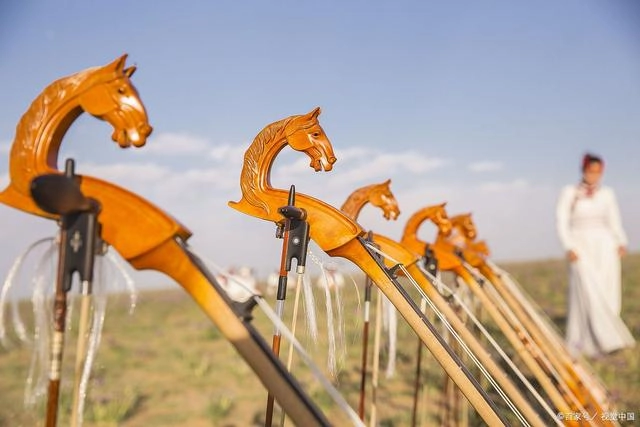
As the soul instrument of the Mongolian people, the Morin Khuur's shape is deeply symbolic—the horse head carved on its neck points towards the eternal blue sky, symbolizing freedom and faith. When the bow touches its two strings, the passionate melody of "Ten Thousand Galloping Horses" can transport the listener to a battlefield of charging cavalry, while a piece like "The Wind in the Sky" becomes a whisper, narrating the joys and sorrows of the nomadic people. In recent years, the Morin Khuur has innovatively fused with modern music, allowing this ancient art to create new legends on international stages.
Mongolian Attire: An Epic Worn upon the Body
Every Mongolian robe is a moving canvas. The cloud-pattern embroidery of the Horchin region resembles flowing clouds, the gold and silver threadwork of the Ordos region outlines noble elegance, and the headdresses of the Barga tribe are strung with coral and turquoise, symbolizing family honor. The patterns of flowers and grasses that women embroider, stitch by stitch, represent not just decoration but also reverence for nature and blessings for life. During important festivals, herders in full regalia resemble moving rainbows, showcasing the nation's understanding of beauty and cultural confidence.
The Grassland Nadam: An Eternal Celebration of Strength and Beauty
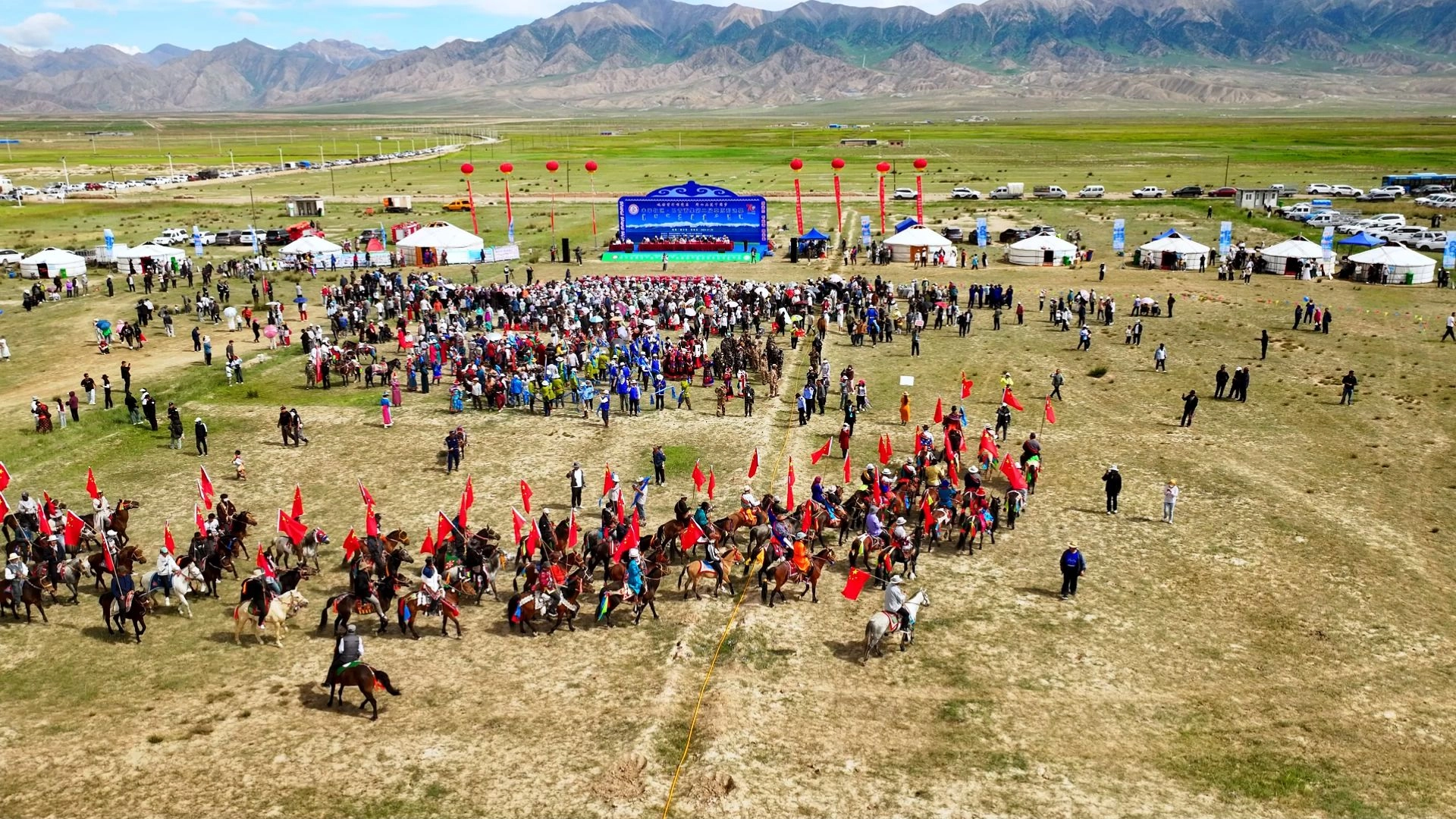
Every July and August, the grassland welcomes its grandest intangible cultural heritage feast—the Nadam Festival. Bökh wrestlers enter the arena with eagle-like steps, demonstrating a perfect blend of strength and skill. On the horse-racing track, young riders become one with their steeds, streaking across the grassland like arrows released from a bow. In the archery area, competitors focus their spirit and breath, and the moment an arrow hits the target, cheers erupt from the crowd. These "Three Manly Skills" are not merely tests of courage but a continuation of the nomadic spirit. Today's festivities also incorporate elements like poetry recitals and commodity trading, allowing ancient traditions to be revitalized within modern life.
Culinary Delights and Local Treasures: The Grassland's Code on the Tip of the Tongue
In Inner Mongolia, every dish is a gift from nature, every local treasure a crystallization of time. They carry the memory of nomadic civilization and speak of this land's profound affection and generosity.
Supreme Tastes of the Grassland, Nature's Bounty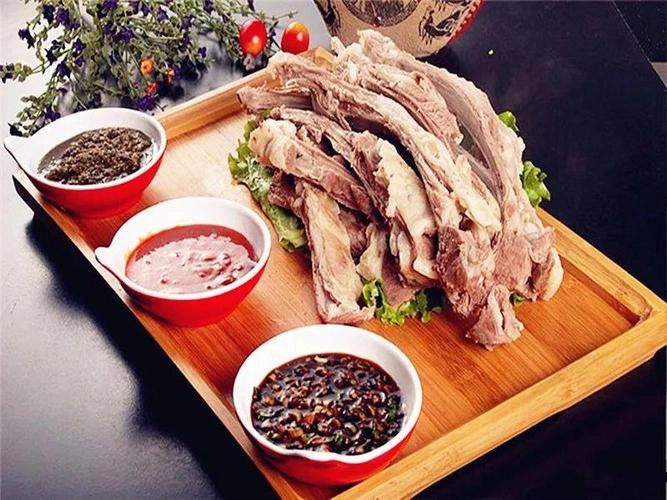
Hand-Grasped Mutton: Large cuts of lamb are simmered in clear broth, with just a handful of salt unlocking the purest flavor of the grassland. The boldness of eating by slicing the meat with a Mongolian knife embodies the thousand-year-old wisdom of nomadic life. The meat is tender and juicy, with a perfect balance of lean and fat. Paired with a bowl of piping hot broth, it represents the warmest hospitality on the prairie.
Milk Tea with Toasted Millet: Each morning, Fuzhuan brick tea and fresh milk boil together in a copper pot. A handful of golden toasted millet is added, along with dried milk curds and butter, creating a salty, rich, and mellow flavor that awakens the new day on the grassland. This steaming bowl of milk tea is not only an essential part of Mongolian hospitality but also a warm comfort for body and soul in nomadic life.
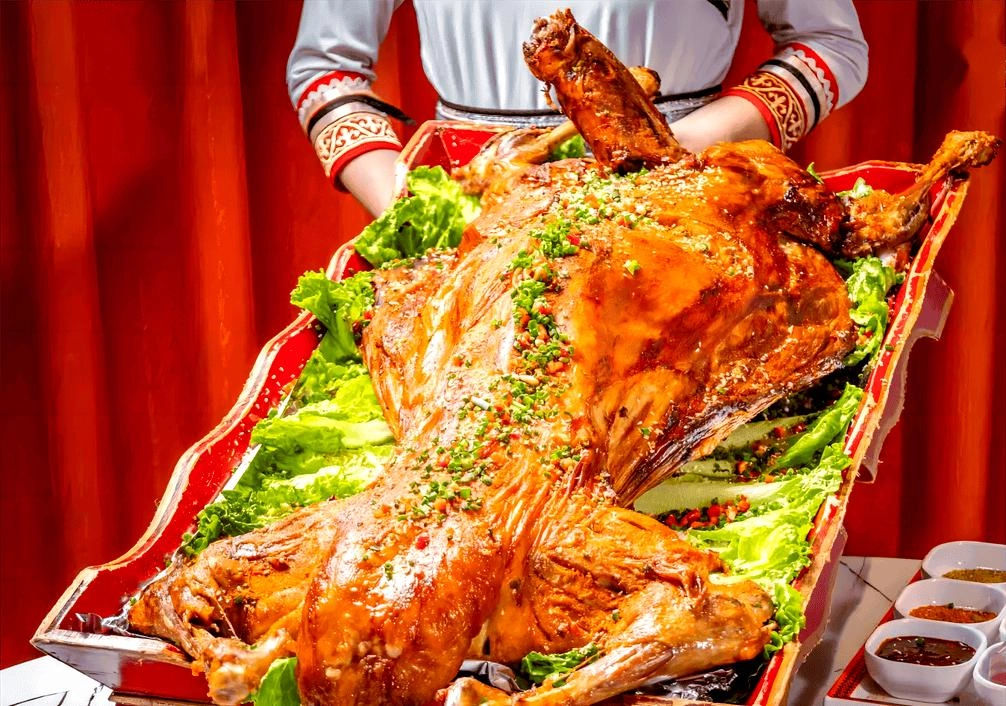
Roasted Whole Lamb: A whole lamb marinated with secret spices and slow-roasted for hours until the skin is golden and crispy, while the meat inside remains tender and succulent. At grand celebrations, a respected elder presides over the opening ceremony, offering the most succulent parts to the guests. This highest form of etiquette carries the Mongolian people's deep affection for their visitors.
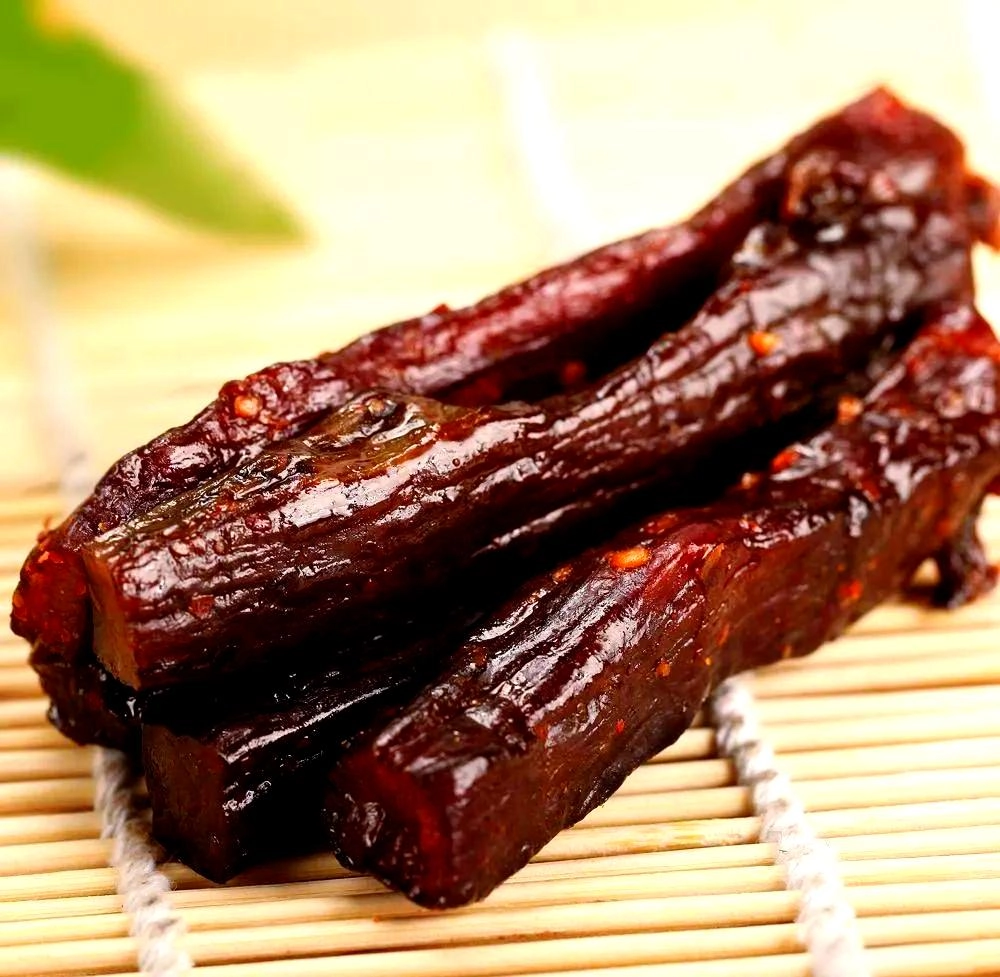
Air-Dried Meat: Utilizing the dry autumn winds and harsh cold of the grassland, fresh beef and lamb are air-dried naturally. This ancient preservation method not only locks in the meat's freshness but also creates a unique flavor, providing nomads with a vital source of energy during long winters and distant travels.
A Kingdom of Dairy, White Delicacies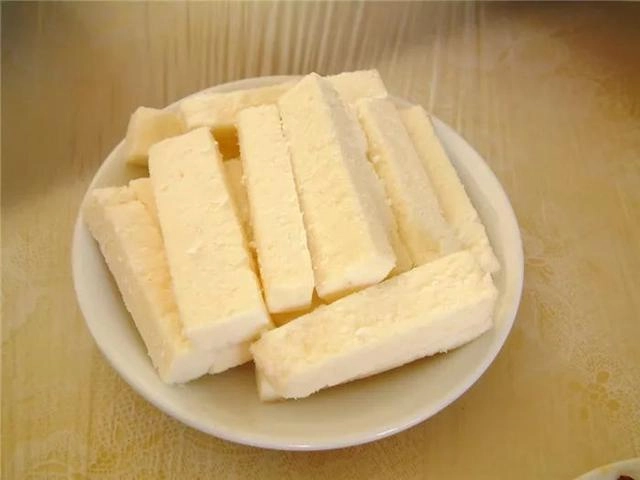
Dried Milk Curds: Created by straining fermented yogurt and pressing it, these curds possess a dense texture and a perfectly balanced sweet-and-sour flavor. Enjoyed on their own, softened in milk tea, or pan-fried to a golden hue, they are an indispensable staple in the herder's provisions, embodying the fundamental wisdom of the nomadic way of life.
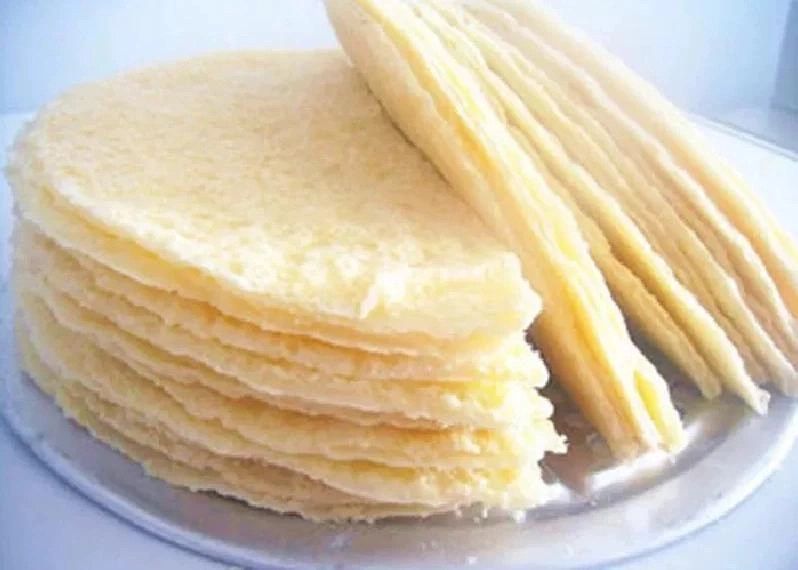
Milk Skin: This is the concentrated essence that forms on the surface of slowly simmered fresh milk, resembling a full moon in shape and possessing the color of creamy jade. Its creation demands great patience and skill, with each flawless sheet standing as a tribute to the maker's artistry. Its rich flavor that seems to dissolve on the tongue makes it the highest gesture of honor for welcoming esteemed guests.
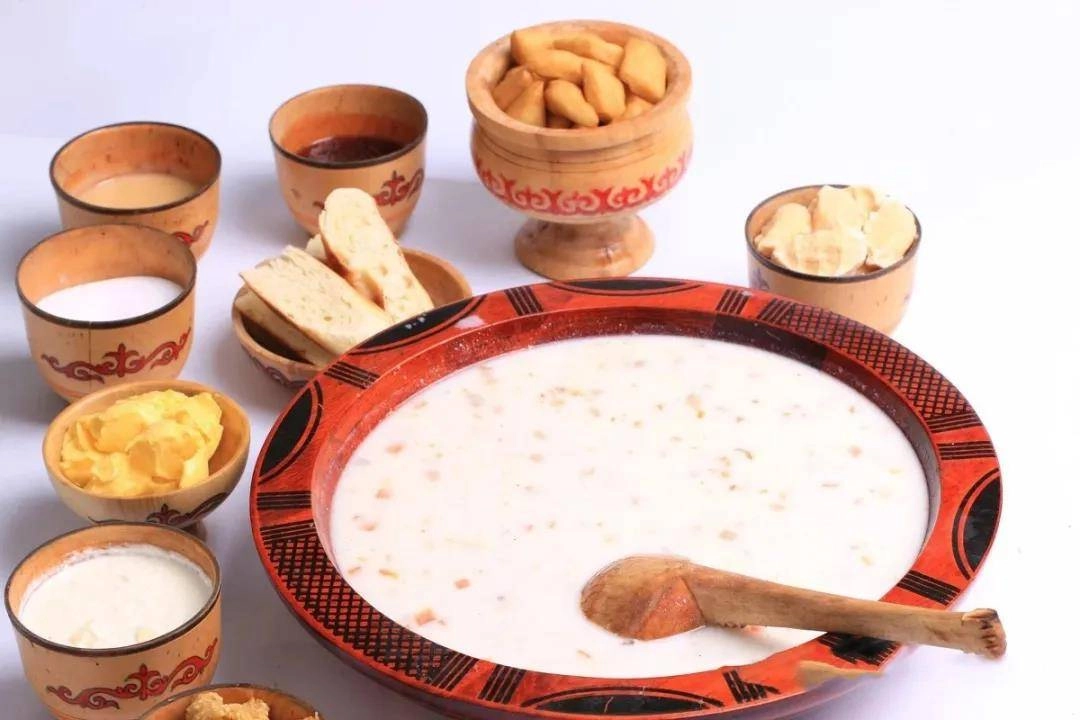
Mare's Milk Wine: A fermented beverage made from sour mare's milk, it is low in alcohol yet abundant in nutrients. During the summer Nadam Festival, a cool bowl of this wine relieves the heat, quenches thirst, and aids digestion. The brewing knowledge, handed down through generations, transforms this "nectar of the grasslands" into a vessel carrying both health and celebration.
An Array of Local Treasures, Gifts of the Grassland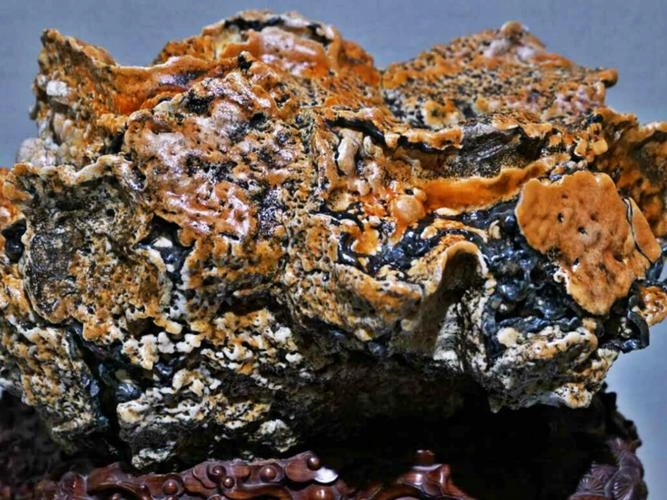
Alxa Rare Stones: Natural artworks forged in the desert, polished by wind and sand over countless millennia. These agates and jaspers appear in myriad forms, their patterns picturesque and colors vivid. Each stone is a unique masterpiece of nature, a silent witness to the slow passage of time and the creative power of the natural world.
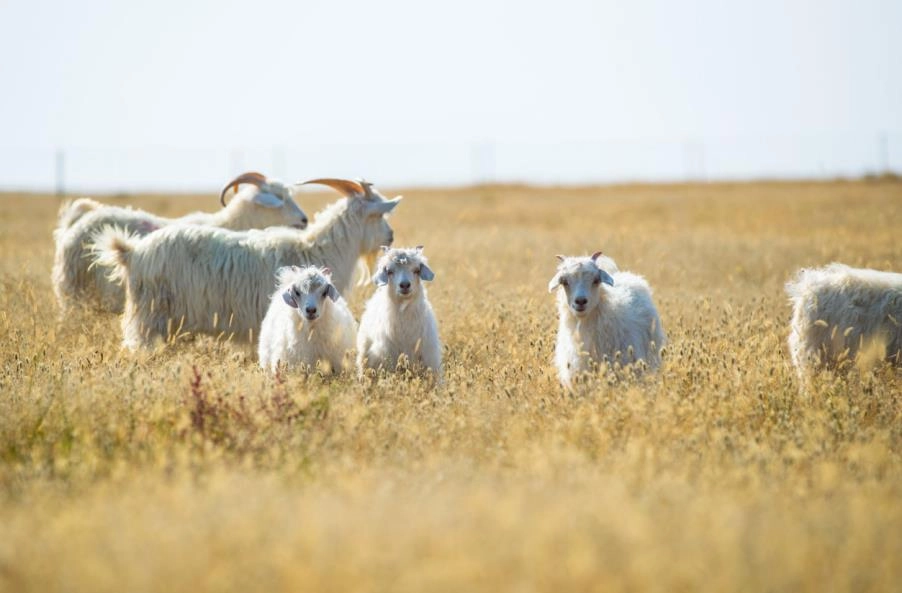
Ordos Cashmere: Known as the "diamond fiber," this cashmere from the Albas white goats is celebrated worldwide for its exceptional softness, lightweight feel, and remarkable warmth. Journeying from pastoral highlands to international fashion runways, this "soft gold" not only provides warmth across the globe but has also become a vital bridge to prosperity for local herding communities.
Hetao Snowflake Flour: Cultivated on the Hetao Plain, nourished by the waters of the Yellow River and blessed with unique sunlight and soil, this wheat is exceptionally rich in protein. The finely milled flour is as white as snow and carries a distinct, robust wheat aroma, making it the premier choice for crafting high-quality northern-style pastas and baked goods. It is often called the very "soul" of this culinary tradition.
Galloping Across the Grassland
As the sound of galloping hooves fades into the distance, what Inner Mongolia leaves you with is far more than a collection of photographs or memories. The starry skies over the prairie, the lone smoke rising from the desert, the whisper of pines in the boundless forests, and the haunting melodies of the horse-head fiddle have quietly seeped into your veins.
Inner Mongolia, this land that takes heaven and earth as its classroom and nomadic wisdom as its lesson, never remains confined by tradition. It is always galloping, always singing, always creating, awaiting your arrival—to feel the bold spirit of the grasslands while drinking mare's milk wine, to comprehend the vastness of life while listening to the long song, and then, carrying this gift from the natural world, to stride more resolutely into the expansive wilderness of your own journey.
Here, you will ultimately understand: as wide as your heart is, so too is the grassland.
Related Vocabulary
| Chinese | Pinyin | English | Definition |
|---|---|---|---|
| 大兴安岭 | Dàxīng'ān Lǐng | Greater Khingan Range | Vast forest area serving as northern China's ecological barrier |
| 莫日格勒河 | Mòrìgélè Hé | Morin Gol River | Famous for its extremely meandering course through the grasslands |
| 那达慕 | Nàdámù | Nadam Festival | Traditional Mongolian festival featuring wrestling, horse racing and archery |
| 敖包 | Áobāo | Oboo | Stone cairns used for worship and as landmarks on the grasslands |
| 马头琴 | Mǎtóuqín | Morin Khuur | Traditional Mongolian horse-head fiddle, symbol of nomadic culture |
| 成吉思汗 | Chéngjísī Hán | Genghis Khan | Founder of the Mongol Empire and iconic historical figure |
| 手把肉 | Shǒubǎ Ròu | Hand-Grasped Mutton | Traditional boiled mutton eaten with hands, representing nomadic cuisine |
| 奶茶 | Nǎichá | Milk Tea | Savory tea with milk, a staple beverage in Mongolian daily life |
| 烤全羊 | Kǎoquányáng | Roasted Whole Lamb | Ceremonial dish for important occasions and welcoming guests |
| 奶豆腐 | Nǎi Dòufu | Dried Milk Curds | Traditional dairy product made from fermented and dried milk |
| 马奶节 | Mǎnǎi Jié | Mare's Milk Festival | Celebration of mare's milk harvest in late summer |
| 蒙古包 | Ménggǔbāo | Mongolian Yurt | Traditional portable dwelling used by nomadic peoples |
FAQ About Inner Mongolia
Q1: When is the best time to visit Inner Mongolia?
A: Inner Mongolia has distinct seasons, each with its unique charm:
- Summer (June-August): The prime season for grassland tourism. The grass is lush, the weather is cool, and you can attend the Nadam Fair.
- Autumn (September-October): The best time to admire forests and poplar forests. The Greater Khingan Range is painted with autumn colors, and the Ejina Poplar Forest turns a magnificent golden yellow.
- Winter (November-March): You can experience the Ice and Snow Nadam, admire frost-covered landscapes, and enjoy hot springs.
- Spring (April-May): The grasslands begin to turn green. It's a great time for bird watching, and there are relatively fewer tourists.
Q2: What are the must-visit attractions in Inner Mongolia?
A: Inner Mongolia's must-see attractions include:
- Grassland Representative: The Hulunbuir Grassland
- Desert Wonders: Resonant Sand Bay and the Badain Jaran Desert
- Forest Secrets: Arxan National Forest Park
- Cultural Sites: The Mausoleum of Genghis Khan and Wudang Lamasery
- Autumn Color Peak: The Ejina Poplar Forest
Q3: How can I deeply experience Mongolian culture?
A: You can:
- Attend the Nadam Fair and experience the "Three Manly Skills"
- Stay in a grassland yurt and listen to the Mongolian Long Song
- Appreciate a Morin Khuur performance
- Taste authentic Mongolian cuisine like hand-grabbed mutton and milk tea
- Observe or participate in Oboo Worship ceremonies
Q4: What are the must-try local delicacies?
A: The cuisine is an important part of the culture:
- Red Food (Meat): Hand-grabbed mutton, roasted whole lamb, air-dried meat
- White Food (Dairy): Milk skin, dried milk curds, milk tea, mare's milk wine
- Other Specialties: Oat noodles, pasta made with Hetao snowflake flour
Q5: What other unique natural landscapes are there besides grasslands?
A: Beyond the grasslands, Inner Mongolia also boasts:
- Deserts: Like the Badain Jaran and Kubuqi Deserts
- Forests: The primeval forest of the Greater Khingan Range
- Volcanoes: The Ulan Hada Volcanic Group
- Lakes & Wetlands: Hulun Lake and Wuliangsuhai Lake
Q6: What are some worthwhile local products and souvenirs?
A: You might consider:
- Food Category: Beef jerky, dairy products
- Handicrafts: Morin Khuur models, Mongolian silver jewelry, leather paintings
- Apparel: Erdos cashmere products
- Cultural Products: Items with Mongolian elements like yurt-shaped ornaments
Q7: What special equipment or items should I prepare?
A: Depending on the season and activities, it is recommended to prepare:
- General Equipment: High SPF sunscreen, sunglasses, lip balm, moisturizer, power bank
- Summer: Long-sleeved outerwear, mosquito repellent
- Autumn: Windproof jacket, warm mid-layers
- Winter: Thick down jacket, thermal underwear, snow boots, gloves, scarf, hat
- For Photography: Camera dust cover, tripod, various lenses
Q8: What unique in-depth experiences does Inner Mongolia offer?
A: You can try:
- Stay with a grassland herding family and learn traditional skills
- Go camping and stargazing in the Badain Jaran Desert
- Learn a traditional craft like jewelry or dairy product making
- Join an eco-expedition to observe wildlife
Q9: How does Inner Mongolia cater to different dietary needs like vegetarians?
A: While traditional cuisine focuses on meat and dairy:
- Vegetarians: Can find vegetable dishes in cities and most tourist areas. Communicate needs in advance
- Dairy Note: Many dairy products like milk tea are salty
- City Options: Larger cities have diverse restaurants, including vegetarian options
Q10: What are the important festivals and events besides the Nadam Fair?
A: Other notable events include:
- Mare's Milk Festival (8th lunar month): Mainly in Xilingol
- Xing'an League Rhododendron Festival (Early May): Admire the blossoms
- Arxan Ice and Snow Festival (Throughout winter): Winter sports and hot springs
- Local Oboo Worship Ceremonies (Around 5th lunar month): Observe traditional rituals