Explore the Qinghai-Tibet Plateau: Nature, Culture, and Adventure
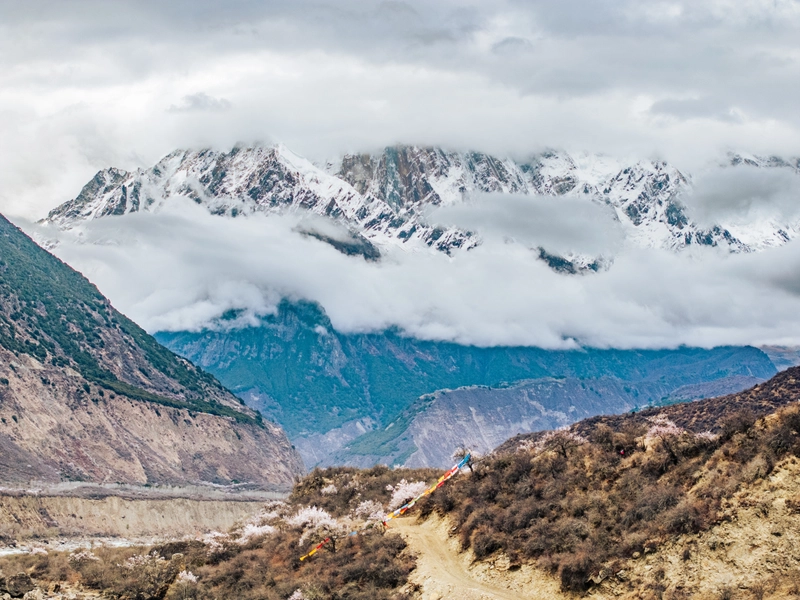
The Qinghai-Tibet Plateau, also known as the Tibetan Plateau, is located in southwest China, with an average altitude of over 4,000 meters. It is known as the "Roof of the World" and the "Third Pole of the Earth." It is not only the highest and largest plateau in the world but also a convergence of geography, ecology, and culture. The plateau's magnificent mountains, vast grasslands, glaciers, snow-capped peaks, and crystal-clear lakes form unique natural landscapes. Its multi-ethnic population, rich religious culture, and traditional customs give this land a strong humanistic atmosphere. From the towering Himalayas to the mirror-like Qinghai Lake, from Tibetan Buddhist temples to nomadic tents, the natural scenery and ethnic culture of the Tibet Plateau intertwine to create breathtaking sights, attracting global travelers to explore, experience, and feel the unique charm of the plateau.
Culture and Ethnic Heritage
The Qinghai-Tibet Plateau is a region where multiple ethnic groups intersect. Plateau residents have long lived in harmony with the harsh natural environment, forming a unique and rich cultural landscape. The main ethnic groups include Tibetans, Qiang, Monpa, and Lhoba, among which Tibetans are the largest population, mainly distributed in Lhasa, Nyingchi, Shigatse, and parts of northern plateau areas. Each ethnic group has its own characteristics in language, religion, and daily life, and also shows distinctive regional features in arts, festivals, and production methods.
Historical Influence of Songtsen Gampo and Princess Wencheng
Songtsen Gampo was an important ruler of the Tibetan Tubo Kingdom in the 7th century. He unified the tribes of the plateau and actively promoted political, cultural, and religious development. He married Princess Wencheng from the Tang Dynasty, achieving a political union between central China and Tubo. Princess Wencheng brought advanced culture, crops, and Buddhism to Tibet. Accompanied by attendants from Han China, she introduced agricultural techniques, medicine, and cultural practices, and helped build temples and palaces, such as the Red Palace, the predecessor of the famous Potala Palace, a symbol of Tibetan-Han cultural exchange.
The historical event had a profound impact on the Tibetan Plateau:
- Cultural integration: Strengthened Han-Tibetan cultural exchange, promoting craftsmanship, architectural styles, and agricultural technology.
- Spread of Buddhism: Buddhist statues, scriptures, and rituals brought by Princess Wencheng helped Tibetan Buddhism take root, laying the foundation for later religious landscapes.
- Social stability: The political marriage promoted unity among plateau tribes, supporting economic and cultural development of the Tubo Kingdom.
Traditional Lifestyle and Festivals
Pastoralism is the economic and life core of plateau residents, relying on yaks, Tibetan sheep, horses, and goats, which provide meat, dairy products, and play important roles in transportation, rituals, and cultural symbols. Nomadic culture has long influenced social structure and community life, with herders moving according to seasonal pastures, accumulating rich folk experience and ecological wisdom. Highland barley is the main crop, adapted to high-altitude, low-oxygen, and short growing seasons. It is used to make tsampa, barley noodles, and barley wine, forming the core of Tibetan cuisine.
Plateau residents’ handicrafts and cultural life are uniquely attractive. Tibetan carpets are woven from wool, with patterns incorporating religious symbols and folk stories. Thangka paintings are colorful and detailed, serving as an important medium of Tibetan Buddhist art. Butter tea and dairy products are not only daily foods but also essential for rituals, welcoming guests, and festivals. Buddhist temples, prayer wheels, prayer flags, and mani stones reflect residents’ harmonious interaction with nature and deities, allowing visitors to experience the deep cultural heritage of the Qinghai-Tibet Plateau.
The nomadic culture of the plateau is a unique human landscape. Herdsmen move seasonally: in spring and summer to alpine meadows, in winter back to river valleys and low-altitude pastures. Tents provide warm and flexible homes, horsemanship skills are passed down through generations, and traditional songs, dances, and folk stories enrich the spiritual world. Horse racing, yak competitions, and dance performances are important parts of festivals and gatherings, offering visitors a window to experience Tibet Plateau travel.
Religious beliefs are deeply integrated into daily life. Buddhism on the plateau is not only a faith but also a cultural force. Monasteries in Lhasa such as the Potala Palace, Sera, and Drepung are pilgrimage sites and core cultural tourism attractions. Festivals and rituals revolve around temples, including circumambulation, chanting, and prayers, which are solemn and mystical, allowing visitors to experience the charm of Tibetan religion. Musical, dance, and theatrical performances, such as Tibetan opera and mask dances, combine religious solemnity with unique plateau ethnic art.
- Losar (Tibetan New Year): The most important Tibetan festival, involving worship, dancing, horse racing, and family gatherings, full of joy.
- Shoton Festival: Originally a monastic almsgiving activity, now a grand folk art festival with thangka exhibitions, Tibetan opera, and music/dance performances, allowing visitors to experience highland culture.
- Mountain and pastoral festivals: Reflect the harmony between humans and nature; herders pray to sacred mountains and lakes and celebrate harvest and livestock prosperity. Festival attire, food, dances, and rituals give visitors close contact with plateau ethnic life.
Natural Landscapes
1. Alpine Meadows and Deserts
The Tibetan Plateau natural scenery, including alpine meadows and deserts like the Qiangtang Plateau and Hoh Xil region, shows vast, open, and pristine landscapes. Meadows change colors with seasons, deserts are austere and magnificent. Visitors can ride horses across vast grasslands, photograph yaks and sheep among distant mountains and sky, and experience nomadic life. Summer brings wildflowers and scattered tents, forming a unique plateau painting.
2. Lakes and Wetlands
Lakes such as Qinghai Lake, Namtso, Selincuo, and Zhari Namco are famous for clear water and grasslands dotted with tents. The lake areas are ecologically rich, especially during bird migration. Visitors can hike along lake shores, ride across meadows, observe birds, and photograph wetlands.
- Qinghai Lake: China’s largest saltwater lake, with mirror-like blue water. In spring and summer, canola flowers bloom, and yaks and Tibetan sheep graze the pastures. Visitors can cycle around the lake, photograph sunrises and sunsets, and experience hot springs, Tibetan homes, handicrafts, and cuisine.
- Namtso Lake: At 4,718 meters, surrounded by snow mountains. Visitors can hike or ride horses around the lake, enjoy reflections of snow mountains, and experience local Tibetan culture.
3. Glaciers and Snow Mountains
The Himalayas, Gangdise, and Tanggula ranges feature glaciers and year-round snow peaks, offering some of the plateau’s most spectacular scenery. Visitors can trek, photograph, or tour glaciers, observing snow peaks, blue skies, and sunrises/sunsets.
- Everest Base Camp: A destination coveted by climbers, offering close views of Everest’s main peak, south slope, and surrounding peaks like Lhotse and Makalu. Trekking challenges visitors with high altitude and allows sightings of snow leopards and Tibetan antelopes. Morning and evening sunlight on the snow peaks, with clouds and mist, creates a poetic scene.
4. Canyons and Mountains
- Yarlung Tsangpo Grand Canyon: One of the deepest and longest canyons in the world, with steep terrain and rich vegetation from subtropical to cold-temperate zones. Visitors can trek, raft, photograph waterfalls and rare plants, and explore Tibetan villages.
- Hengduan Mountains: Deep canyons and rivers, rich flora and fauna. Visitors can hike, explore lakes and waterfalls, and observe wildlife, experiencing diverse ecosystems from tropical forests to glaciers in a short distance.
Outdoor Adventure Experiences
The Qinghai-Tibet Plateau adventure is ideal for trekking and mountaineering. Visitors can traverse winding mountain paths, glaciers, and snow peaks, feeling the challenge of altitude. Sunrises illuminate snow-capped peaks, nights reveal clear starry skies, and encounters with wildlife like Tibetan antelopes or snow leopards create intimate connections with nature.
- Canyon Exploration: Hengduan Mountains and Yarlung Tsangpo Canyon provide excellent trekking and photography opportunities. Visitors can cross streams, observe waterfalls, and explore Tibetan villages where culture and nature meet.
- Seasonal Activities: Summer grasslands bloom, ideal for camping, horseback riding, photography, and trekking. Winter snow covers the mountains, popular for glacier tours and snow photography. Visitors can experience freedom and awe across the plateau’s vast spaces.
Ecology and Wildlife
- Hoh Xil Nature Reserve: Known as “the last wilderness,” home to Tibetan antelopes, wild yaks, snow leopards, and black-necked cranes. Visitors can drive through the reserve, observe wildlife, and appreciate the remote, pristine environment while learning the importance of ecological protection.
- Wetlands and Birdwatching: Lakes and wetlands are vital for migratory and breeding birds. Visitors can hike, join ecological courses, and photograph birds while learning species identification and ecological behavior.
Cultural and Pilgrimage Sites
- Potala Palace, Lhasa: A UNESCO World Heritage site and symbol of Tibetan Buddhism, also a major pilgrimage destination. Situated on Red Hill, its golden roofs shine. Visitors can admire statues, thangka murals, and ancient scriptures, overlook Lhasa city and distant snow peaks, and feel the solemnity and mystique of Tibetan religious culture. This is a must-visit site for Tibet plateau sightseeing.
Travel Practical Guide
1. High-Altitude Adaptation
Before traveling, it is recommended to have a medical check-up to ensure your health is suitable for high-altitude travel. Carry medications for altitude sickness, such as Rhodiola or oxygen supplements. On the first day at the plateau, plan a light itinerary, avoid strenuous activities, and gradually acclimate to the high-altitude environment.
2. Transportation
- Road Transportation: The Qinghai-Tibet Highway is a classic route connecting Qinghai and Tibet. Since its completion in 1954, it has served as a vital lifeline for transportation on the plateau. Travelers can drive along snow-capped mountains, vast grasslands, and crystal-clear lakes while experiencing local Tibetan culture. The Sichuan-Tibet Highway is known for its challenging terrain, making it ideal for self-driving or chartered trips, with stops at towns that showcase traditional Tibetan life. These roads are historically significant, linking remote regions and supporting economic development in the highlands.
- Railway Transportation: The Qinghai-Tibet Railway, the world’s highest and longest plateau railway, has been in operation since 2006. It greatly improves access to the highlands and offers travelers an unforgettable Tibetan Plateau travel experience. The railway passes through the Tanggula Mountains, Kekexili, and other scenic areas, providing views of snow-capped peaks, glaciers, lakes, and vast grasslands. Its construction is considered a remarkable achievement of modern engineering in extreme high-altitude conditions, carrying both historical significance and engineering marvel.
- Air Transportation: Airports in Xining, Lhasa, and Golmud offer convenient flights. Upon arrival, travelers can rent cars, take tourist buses, or use local carpool services to reach scenic areas.
3. Accommodation Recommendations
Accommodation on the plateau ranges from Tibetan-style guesthouses and boutique inns to star-rated hotels. Tibetan guesthouses retain traditional architecture and ethnic decorations, offering an immersive local experience, while star-rated hotels provide modern comforts. During peak seasons or festivals, it is recommended to book in advance.
4. Safety and Environmental Protection
Respect religious customs and maintain silence when entering temples; do not take photos without permission. Many scenic areas are ecologically fragile; visitors should bring their own trash bags, avoid littering or damaging the environment, and practice low-impact travel to protect the fragile plateau ecosystem.
5. Best Travel Seasons
- Summer (June–August): Moderate temperatures, blue lakes, and lush green grasslands. Ideal for trekking, horseback riding, and camping.
- Autumn (September–October): Golden grasslands and red-leaved forests, cool and dry climate, perfect for photography and outdoor exploration.
- Winter and Spring: Lower temperatures with snow-covered mountains, ideal for snow scenery and photography; some high-altitude areas may be closed, so careful planning is necessary.
The Qinghai-Tibet Plateau, known as the "Roof of the World," displays the raw power and grandeur of nature through majestic mountains, clear lakes, vast grasslands, and abundant wildlife. Its diverse ethnic cultures, deep religious faith, and enduring nomadic traditions give it unique human charm. Whether strolling along Qinghai Lake, overlooking snow peaks from Everest Base Camp, participating in Tibetan festivals, or trekking the Hengduan Mountains, visitors feel the awe of nature and culture blending. Every mountain, meadow, and river tells a story of life and harmony with nature. Visiting the Tibetan Plateau is like stepping into a magnificent living painting—experiencing vastness and serenity, and feeling profound, warm connections between humans, nature, and culture. Every breath carries the plateau’s essence; every step is a journey of discovery, making it an unforgettable Tibetan Plateau travel destination.
Related Vocabulary
| Chinese | Pinyin | English |
|---|---|---|
| 青藏高原 | Qīngzàng Gāoyuán | Qinghai-Tibet Plateau / Tibetan Plateau |
| 高原旅行 | gāoyuán lǚxíng | High-altitude travel |
| 高原反应 | gāoyuán fǎnyìng | Altitude sickness |
| 红景天 | hóng jǐng tiān | Rhodiola |
| 青藏铁路 | Qīngzàng Tiělù | Qinghai-Tibet Railway |
| 青藏公路 | Qīngzàng Gōnglù | Qinghai-Tibet Highway |
| 川藏线 | Chuānzàng xiàn | Sichuan-Tibet Highway |
| 拉萨 | Lāsà | Lhasa |
| 星级酒店 | xīngjí jiǔdiàn | Star-rated hotel |
| 藏式民宿 | Zàng shì mín sù | Tibetan-style guesthouse |
| 徒步 | túbù | Trekking |
| 骑马 | qímǎ | Horseback riding |
| 露营 | lùyíng | Camping |
| 环保旅行 | huánbǎo lǚxíng | Eco-friendly travel |
| 摄影 | shèyǐng | Photography |
FAQ about Qinghai-Tibet Plateau
Q1: What is the best time to visit the Qinghai-Tibet Plateau?
A: The best time is summer (June–August) for green grasslands and blooming flowers, and autumn (September–October) for golden meadows and colorful forests. Winter and early spring are ideal for snow landscapes and high-altitude photography, though some areas may be inaccessible.
Q2: How can travelers adapt to high altitudes on the Tibetan Plateau?
A: Gradually acclimate by taking light activities on the first day. Carry altitude sickness medicine such as Rhodiola or oxygen supplies. Drink plenty of water and avoid alcohol or heavy meals to reduce the risk of altitude sickness.
Q3: What transportation options are available on the Qinghai-Tibet Plateau?
A: Travelers can take the Qinghai-Tibet Railway, Qinghai-Tibet Highway, or Sichuan-Tibet Highway for scenic routes. Domestic flights are available to Lhasa, Xining, and Golmud. Local transport includes rental cars, tourist buses, and shared rides.
Q4: Where should I stay during a trip to Tibet or the Tibetan Plateau?
A: Accommodation ranges from Tibetan-style guesthouses to star-rated hotels. Guesthouses provide cultural immersion, while hotels offer more comfort. Booking in advance is recommended, especially during peak seasons and festivals.
Q5: What are the must-see attractions on the Qinghai-Tibet Plateau?
A: Key sites include Lhasa and the Potala Palace, Mount Everest Base Camp, Qinghai Lake, Namtso Lake, Yarlung Tsangpo Grand Canyon, and Hoh Xil Nature Reserve. These offer cultural, ecological, and adventure experiences.
Q6: What outdoor activities can travelers enjoy?
A: Popular activities include trekking, mountaineering, canyon hiking, horseback riding, camping, and photography of snow mountains, lakes, and grasslands. Seasonal variations offer unique experiences, from flower-filled summer meadows to winter snow adventures.
Q7: How can travelers protect the environment on the Tibetan Plateau?
A: Respect local religious and cultural customs. Keep quiet in temples, avoid disturbing wildlife, and do not litter. Eco-friendly travel and low-impact tourism help preserve the fragile highland ecosystem.