Discover Xinjiang – The Beginning of a Wonderful Journey
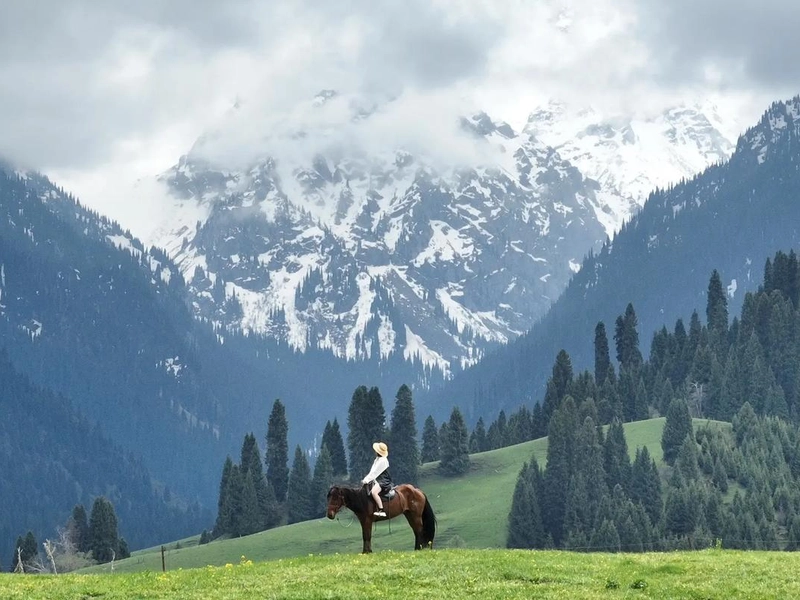
What Is Xinjiang? Exploring the New Frontier of China
The very name Xinjiang, China carries echoes of time and space. It signifies the “new frontier” on China’s map, yet it is also a land that is eternally new: new landscapes, new stories, new encounters, and new experiences. Across the tides of history, Xinjiang has witnessed dynasties rise and fall, caravans traverse its Xinjiang deserts and mountains, and merchants and travelers exchange goods and ideas. Today, under the bright sun, Xinjiang travel continues to radiate vitality through its vastness and diversity.
Stepping into Xinjiang feels like entering a painting of extreme contrasts. To the west rise the Mustagh Ata peaks of the Pamir Plateau, snow-capped year-round, towering like sentinels in the clouds. To the southeast sprawls the Taklamakan Desert, endless golden dunes rolling like waves, the wind singing across the sands. In the north, the serene waters of Kanas Lake mirror dense pine forests, evoking a Northern European secret realm. In the south, Turpan’s grape valleys are lush and verdant, sunlight filtering through the leaves to reveal a sweetness carried on the breeze. From north to south, west to east, glaciers and deserts, snow-capped peaks and fertile oases, frigid lands and sun-scorched plains coexist in dialogue—this striking juxtaposition is the essence of Xinjiang natural beauty.
Yet Xinjiang’s grandeur is not only natural. It is also a living chronicle of human civilization. A thousand years ago, the Silk Road unfurled across these lands, with the jingling of camel bells linking Eastern silks to Western spices, forming a network of trade and cultural exchange. Xinjiang historical sites, including Buddhist grottoes, mosques, and ancient city ruins, stand quietly, bearing witness to the convergence of cultures and the evolution of faith. Uyghur Muqam, Kazakh long songs, Tajik eagle dances, and Han folk melodies intertwine here, blending with historical relics to create a symphony of Xinjiang ethnic culture and multiethnic coexistence. Language, attire, music, and Xinjiang cuisine converge to form a uniquely rich Xinjiang cultural heritage.
Xinjiang is a natural museum, a living fossil of civilizations, and an epic still being written. With the resilience of its snow-capped mountains, the vastness of its deserts, the tenderness of its oases, and the openness of its people, it tells a story of land and time, of culture and coexistence. For travelers following a Xinjiang travel guide, this “new frontier” continues to shine with endless new light, offering a tapestry of experiences that span Xinjiang sightseeing, adventure, culinary exploration, and cultural immersion.
Geographical Epic: The Grandeur and Subtlety of Xinjiang
If China’s map is a symphony of mountains and rivers, then Xinjiang, China is its most majestic movement. Its landscapes are at once vast enough to inspire awe and delicate enough to take one’s breath away. Here, nature seems to have poured forth all its imagination—placing ice and sun, desert and oasis, towering peaks and boundless grasslands on the same canvas, turning opposites into a strange but harmonious unity. This is the essence of Xinjiang natural beauty and a highlight for any Xinjiang sightseeing itinerary.
The Grand Framework: “Three Mountains Flank Two Basins”
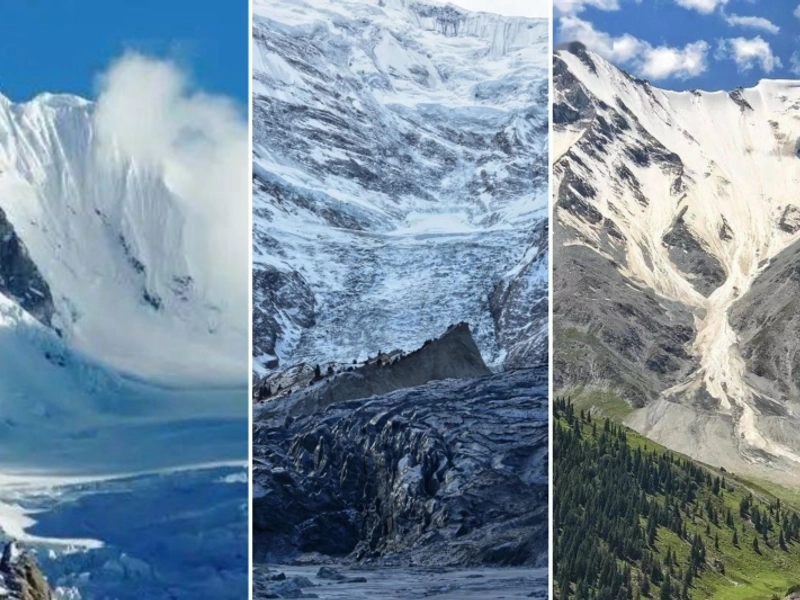 Xinjiang’s geography has long been summarized by the ancients as “three mountains flanking two basins.” The Altai, Tianshan, and Kunlun Mountains form the backbone of the land, layered from north to south, supporting the immense sky. The Altai in the north rises cold and imposing, snow-clad peaks standing as sentinels of the frontier; the Tianshan stretches across the heart of the region, snow ridges weaving, streams rushing like a coiling azure dragon; the Kunlun in the south stands solemn and enduring, guarding the Tarim Basin like a giant who has weathered millennia.
Between these three mountain chains lie two vast basins: the Junggar Basin to the north and the Tarim Basin to the south. The former features rolling grasslands and scattered lakes, its rich oil and gas resources fueling modern industry; the latter centers on the Taklamakan Desert, a seemingly endless sea of golden sand, yet on its edges life stubbornly flourishes—Turpan’s grape valleys, Hetian’s jade rivers, and Kashgar’s poplar groves—oases of resilience thriving amidst extremes. This “mountains and basins” configuration shapes Xinjiang scenic spots and fosters a spirit tempered by cold, drought, and challenge.
The Extremes of Beauty and Unity
In Xinjiang, nature never adheres to convention. Every landscape is a collision of power and beauty:
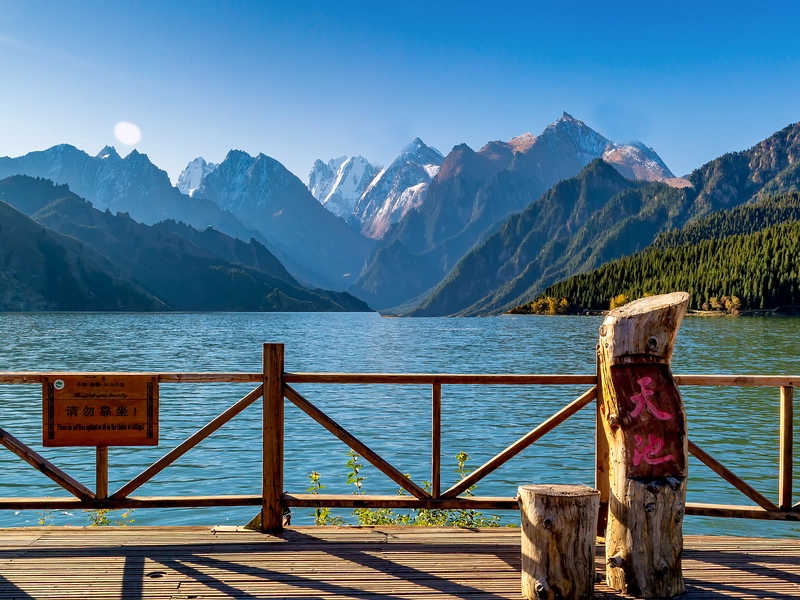
- Snow and Lakes – Tianshan’s Heavenly Lake and Kanas Lake are like luminous eyes in the icy world. Heavenly Lake lies cradled among snow-capped peaks, its turquoise waters serene as a fairyland; Kanas shrouded in mist, its waters shifting from deep blue to emerald green with the light, dreamlike and otherworldly. Cold and purity intertwine, telling a millennial love story of mountain and water, frost and sun—must-see Xinjiang tourist attractions.
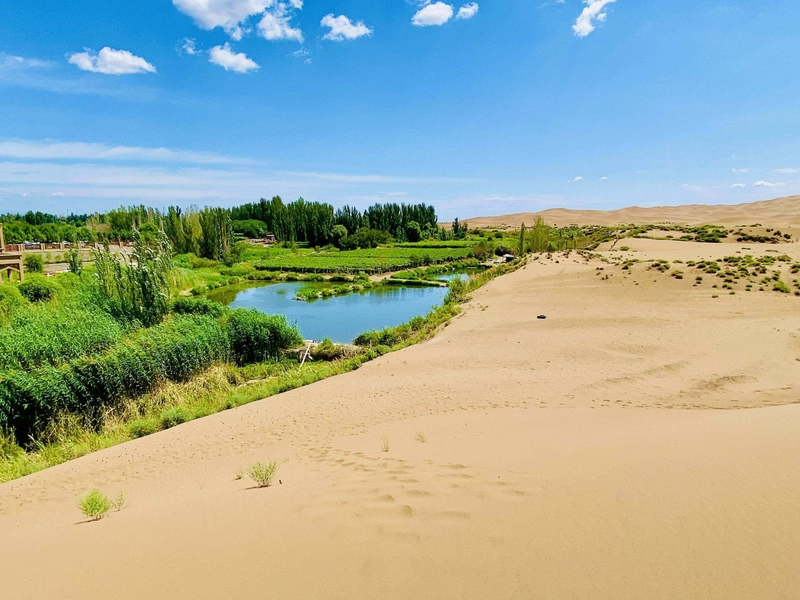
- Desert and Oasis – The Taklamakan Desert, the so-called “Sea of Death,” stretches golden waves to the horizon, scorching and desolate under the relentless sun. Yet at its edges, life flourishes with stubborn beauty: lush grapevines, wind-swayed poplars, and spring-fed villages. Each oasis is a miracle of time, a testament to the handshake between humans and nature—ideal for Xinjiang adventure travel.
- Grasslands and Flower Seas – Nalati and Bayinbuluke are the land’s gentle chapters. In summer, the grasslands ripple in waves of green; in July and August, wildflowers carpet the plains in brilliant hues. Felt yurts dot the horizon, while the sounds of hooves, flutes, wind, and birds weave a living melody. Vastness inspires reverence, yet the softness evokes affection—a top recommendation for Xinjiang travel guides.
- Canyons and Yardangs – Wind and water are the sculptors of time. Dushanzi Grand Canyon plunges deep and formidable, cliffs rising like knife edges; Karamay’s Ghost City showcases surreal yardang formations, where evening shadows dance and the wind whispers ancient secrets. Every canyon, every ridge, is a poem carved by nature and a mark left by the ages—perfect for those exploring Xinjiang natural beauty and Xinjiang sightseeing guide itineraries.
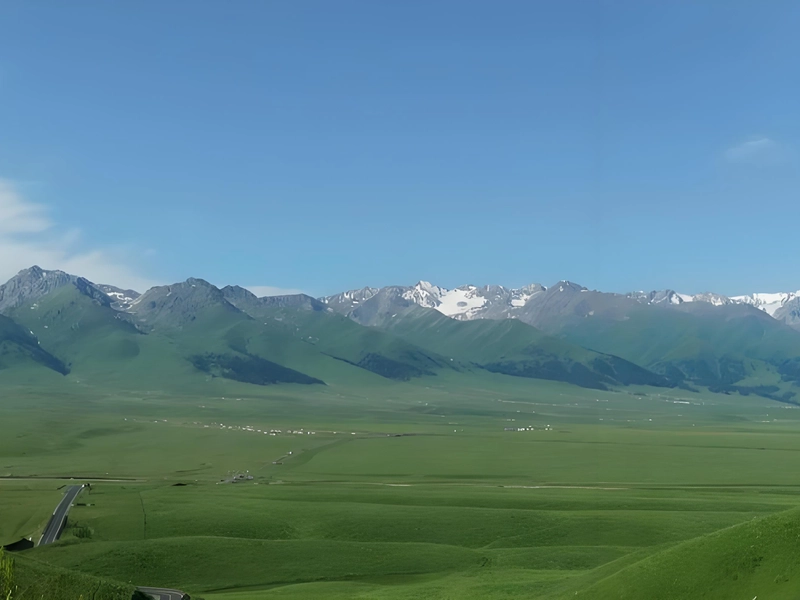
On this land, extremes and contrasts do not conflict—they define one another. The glaciers’ cold grandeur highlights the desert’s fiery heat; the desolate plains make the grasslands’ vitality shine. Xinjiang, China is not merely a spectacular natural painting; it is an epic of endurance, balance, and life. Every river, peak, and oasis tells a story of survival, hope, and strength, making it a must-visit destination for Xinjiang travel, Xinjiang tourist attractions, and Xinjiang adventure travel.
Corridor of Civilization: Millennia of Echoes along the Silk Road in Xinjiang
If geography shaped Xinjiang, China, the Silk Road endowed it with a soul. This land is not only a natural wonder but also a crossroads of civilizations. From the sandy ruins of the ancient Loulan Kingdom to the call to prayer echoing from Kashgar’s minarets, Xinjiang tourism and Xinjiang cultural heritage shine through a thousand-year history of human exchange.
The Lost Kingdoms of the Western Regions
Deep within the vast Taklamakan Desert, part of Xinjiang natural scenery, lie the remnants of vanished kingdoms. Loulan, Jingjue, Khotan, Kucha… these names now sound like legends, yet over two millennia ago, they were bustling Xinjiang scenic spots along the Silk Road in Xinjiang. Caravans paused here, camel bells mingling with the hum of marketplaces; monks and envoys traversed city gates, bringing sutras, spices, and silk.
The rise and fall of Loulan is particularly emblematic—it flourished because of the Silk Road and perished due to environmental changes. Once a verdant oasis, it withered into desert, yet its ruins quietly narrate the impermanence of civilization and the eternity of time. Every shard of pottery, every fragment of silk, stands as a testament to East–West exchanges and symbolizes humanity’s courage to bridge nature and time—an unmissable story for Xinjiang travel guides and Xinjiang sightseeing itineraries.
The Confluence of East and West
What makes Xinjiang unique is that it has never been defined by a single civilization; it is an open “cultural crossroads.” Here, the serenity of Indian Buddhism, the splendor of Persian art, the three-dimensionality of Greek sculpture, and the elegance of Central Chinese calligraphy converge, weaving a richly layered tapestry of history and intercultural exchange.
At the heart of this confluence stand the Kizil Thousand Buddha Caves, a shining jewel of Xinjiang cultural experiences. The murals depict Buddhas with Indian serenity, Hellenistic volume, and Central Chinese softness—a visual record of civilizations meeting and faith in motion. From Kucha to Dunhuang, this Buddhist transmission route was not merely a channel for sutras and teachings; it nurtured profound spiritual resonance between Central Asia and East Asia.
Xinjiang religious and spiritual heritage is equally distinctive and inclusive. Buddhist sites coexist with Islamic mosques, while traces of Nestorian Christianity remain. The Id Kah Mosque in Kashgar stands as a majestic center of faith and community life, whereas the ruins of ancient Buddhist temples at Jiaohe preserve faint mural traces, as if whispering to the desert winds. Here, religions do not exist in isolation; they coexist and illuminate one another, highlighting Xinjiang cultural heritage and its enduring role as a hub of East–West civilizations.
Footsteps of History, Echoes Across a Millennium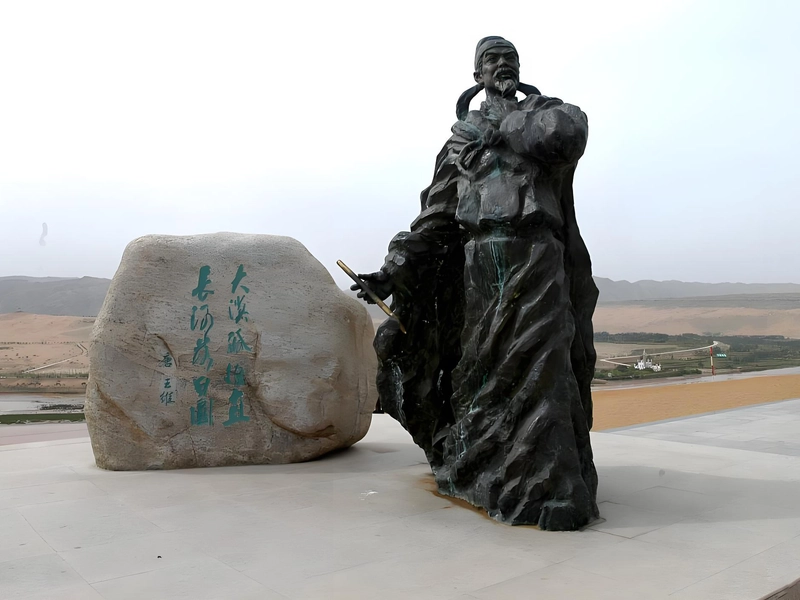
From the Han and Tang dynasties to the late Qing, many great figures left indelible marks on Xinjiang history:
- Zhang Qian, the Pathfinder of the Western Regions, explored the Silk Road for Emperor Wu of Han, returning with vital insights on trade, culture, and transportation. His journey opened China’s first gateway to Central Asia, making Xinjiang travel synonymous with adventure, courage, and exploration.
- Xuanzang, the Tang-era monk, journeyed across the Tianshan Mountains and the Tarim River valleys to India in pursuit of Buddhist scriptures, enduring harsh terrain and sandstorms. His path became symbolic of dialogue between Eastern and Western civilizations and remains a key route in Xinjiang adventure travel and Xinjiang sightseeing guide itineraries.
- Zuo Zongtang, the Qing dynasty general, restored stability to Xinjiang, securing multiethnic coexistence and fostering cultural flourishing—a hallmark of Xinjiang cultural experiences.
History has never truly faded. Today, high-speed trains tunnel through the Tianshan Mountains, highways reach Kashgar, and the China-Europe Railway Express reconnects Asia with Europe. Though camel bells are replaced by engines, the spirit of bridging distances continues to resonate—courageous, resilient, and inclusive.
Xinjiang tourism is thus not only about landscapes but also about a cultural consciousness and life philosophy that transcends time and space. From the caravans of ancient merchants to modern travelers exploring Xinjiang tourist attractions, the enduring spirit of connection, exchange, and tolerance defines this remarkable land. Xinjiang travel recommendations invariably highlight this seamless blend of natural grandeur, cultural heritage, and multiethnic coexistence, making it an essential destination for any journey into China’s “new frontier.”
Urban Portraits: Stars and Heartbeats on the Land
Xinjiang’s vastness is not only measured by its mountains and rivers but also by the diversity and vitality of its cities and people in Xinjiang, China. From the foothills of the Tianshan Mountains to the edges of the Taklamakan Desert, each city shines like a star embedded in the earth, radiating a unique light and together forming the heartbeat of this land—a must-see for anyone exploring Xinjiang travel or planning a Xinjiang sightseeing tour.
Ürümqi: The Foothill Metropolis
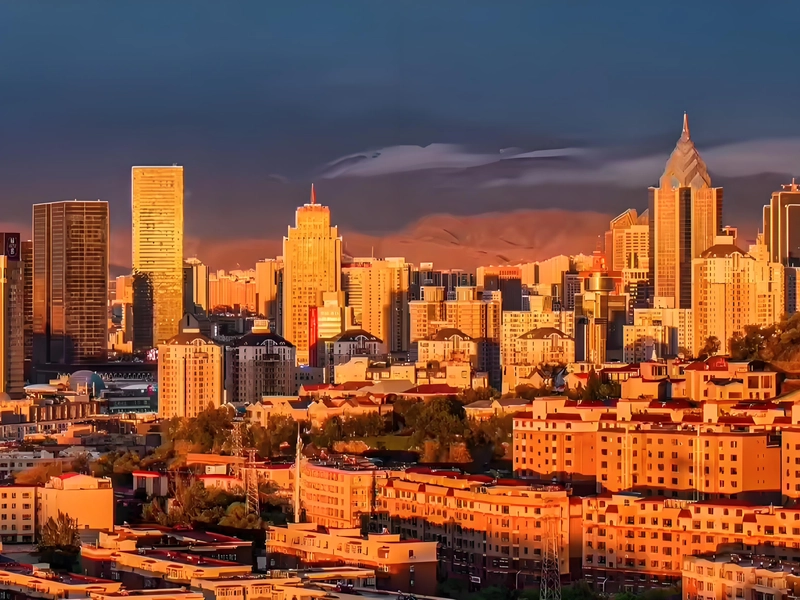
At the foot of the Tianshan, Ürümqi carries history while racing toward modernity. Walking through its skyline of towering buildings, visitors hear the lively calls of bazaar vendors and the bustling chatter of snack streets. Step into the International Grand Bazaar, and a kaleidoscope of handcrafted goods, spices, and fruits conveys vibrant Xinjiang ethnic culture. As the capital of the autonomous region and a core hub of the Silk Road Economic Belt, Ürümqi reflects a fusion of peoples—festivals, weddings, and traditional crafts permeate everyday city life, making it a highlight in any Xinjiang travel itinerary.
Kashgar: A River of Time
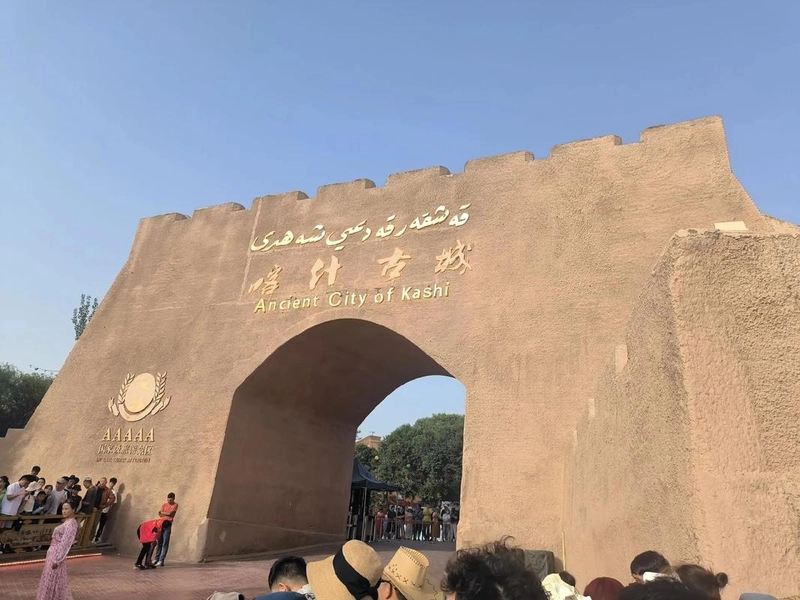
Traveling south to Kashgar is like stepping into a slow-flowing stream of history. The old city’s earthen walls, gray brick lanes, and carved wooden windows preserve millennia of memory. The call to prayer from Id Kah Mosque resonates with the ancient Buddhist ruins of Jiaohe, narrating the convergence of Eastern and Western civilizations. The bazaars are more than marketplaces; they are hubs of information, emotion, and culture. During Eid al-Adha or Nowruz, song, dance, equestrian performances, and street celebrations adorn the city like a living poem, reflecting the vibrancy and warmth of Xinjiang festivals and traditions—essential stops for anyone seeking Xinjiang cultural experiences.
Turpan: Life Amid Fire and Oasis
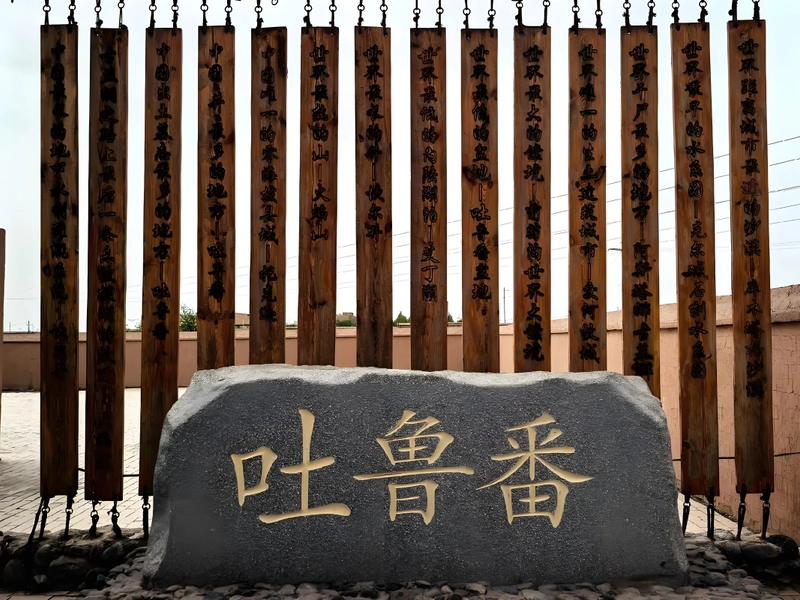
Under the scorching sun of Flaming Mountain, the contrast between desert and oasis is striking. Grapevine valleys, karez irrigation systems, and verdant farmlands showcase the miraculous persistence of life in harsh environments. Turpan’s ancient sites, including the ruins of Jiaohe and the Sugong Pagoda, silently narrate the rise and fall of Silk Road civilizations. Modern tourism and agricultural technology breathe new life into these historic landscapes, making Turpan a key destination for Xinjiang travel recommendations.
Yining: A Valley of Grass and Blooms
The grasslands and flower fields of the Yining River Valley allow cities to breathe with the seasons. Lavender farms, apricot valleys, and poplar forests blend urban life with nature. Kazakh equestrian displays, pastoral festivals, and the folk customs of Tajik and Uyghur communities make Yining a microcosm of Xinjiang cultural heritage. Life moves at a leisurely rhythm, with every meadow offering a poetic haven for its inhabitants.
Altay and Southern Oasis Cities
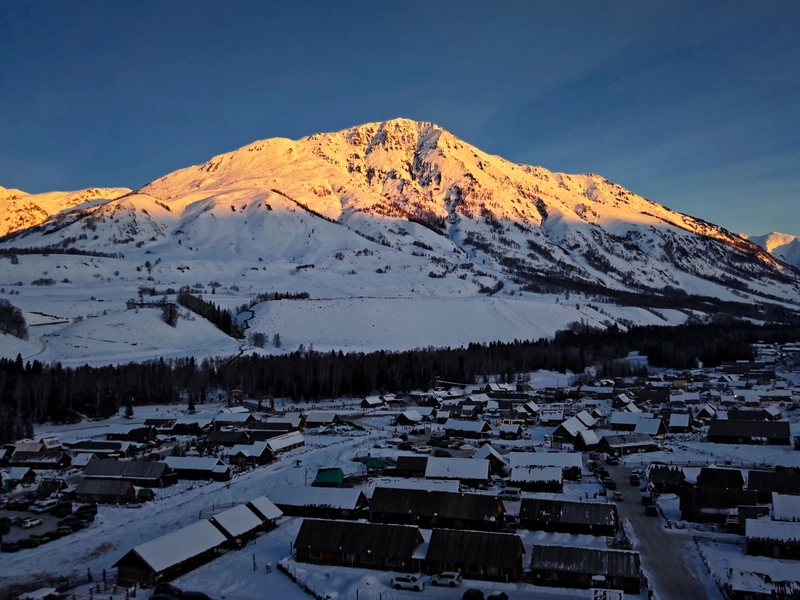
In Altay, the pure beauty of Kanas Lake, Baihaba Village, and the Five-Color Beach shines in snow and sunlight. Winter ski resorts alternate with summer grasslands, where nomadic traditions harmonize with natural scenery, creating a fairy-tale landscape. In southern oasis cities such as Korla, fragrant pear orchards, Bosten Lake, and wetlands represent the region’s fertile heart, where historical relics and modern life coexist in perfect harmony—perfect for Xinjiang sightseeing and Xinjiang adventure travel.
Hotan: Resilient Desert Oasis
At the edge of the Taklamakan Desert, Hotan is famed for its jade. The luster of jade mirrors the sediment of time, preserving ethnic craftsmanship, faith, and practical wisdom. Fertile farmland and the Tarim River irrigation system maintain a delicate balance between city and desert, demonstrating the marvel of coexistence between nature and human ingenuity.
Xinjiang cities shine like stars embedded in the land—each unique, yet together sketching the region’s vastness, resilience, and color. From bustling bazaars to tranquil oases, every street, square, and festival tells a story. History and modernity interweave, ethnicities and cultures dance together, and nature and human life coexist in harmony. Whether exploring Xinjiang tourist attractions or enjoying Xinjiang cultural experiences, visitors can feel the heartbeat and warmth of this extraordinary land.
Ethnic Traditions: A Kaleidoscope of Life
If geography shapes Xinjiang’s grandeur and history gives it depth, then the coexistence and resonance of multiple ethnic groups bring this land its most brilliant colors. Xinjiang, China, is a symphony composed by thirteen indigenous ethnicities—Uyghurs with their passionate vitality, Kazakhs with their expansive boldness, Tajiks with their steadfast purity, Mongols with their free-spirited ease… Each group is like a unique instrument, playing a harmonious yet diverse melody across this vast land—a key highlight in any Xinjiang cultural experience or Xinjiang travel itinerary.
A Symphony of Cultures
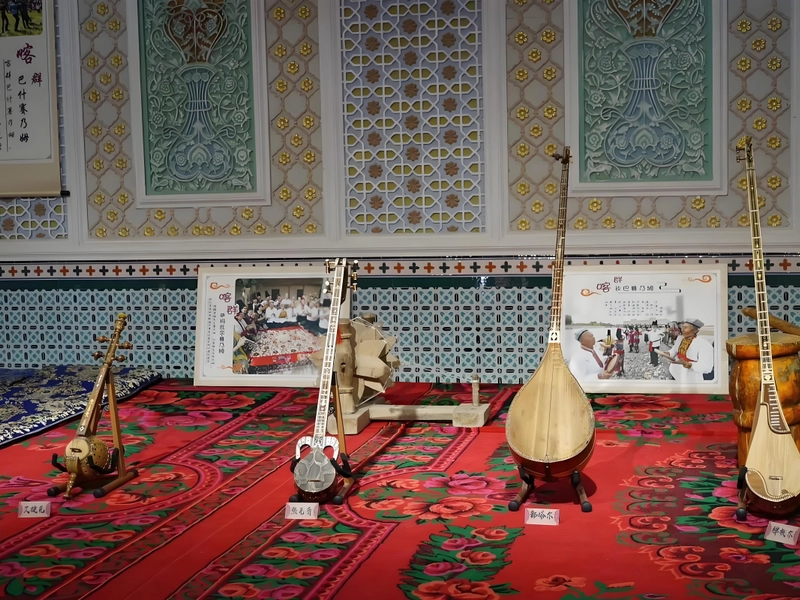
In Xinjiang, culture is not a boundary but a bridge. The languages, music, attire, architecture, cuisine, and lifestyles of different peoples interact like shifting light in a kaleidoscope—reflecting, blending, and dancing together to create a multi-layered aesthetic of daily life. Visitors exploring Xinjiang ethnic culture will find this diversity both vivid and inspiring.
In southern Xinjiang, Uyghur music burns like fire. The plucked strings of the dutar weave ancient melodies, while the rhythm of hand drums and dance steps intertwine into songs of life. Weddings, festivals, or everyday gatherings—music and movement constantly convey emotion. Brightly embroidered clothing and flowing silk scarves sway with the dance, as if the entire space merges with the melody. During Eid al-Adha and Nowruz, communal dances, prayers, and feasts unite devotion, joy, and sharing, making festivals not only rituals but extensions of everyday life. Uyghur homes are equally distinctive: white stone walls, carved window frames, and arched doorways reflect both practicality and aesthetic sensibility, appealing to travelers seeking authentic Xinjiang cultural experiences.
In northern Xinjiang, the grasslands resonate with Kazakh pastoral songs. The long, flowing melodies of the dombra drift from tents, accompanied by laughter, horse hooves, and jingling sheep bells, narrating the romance and freedom of the steppe. Tajiks perform the eagle dance with high, vigorous calls—befriending the eagle and calling the mountains home, embodying courage and dignity on the Pamir Plateau. Mongolian long songs rise and fall like clouds and wind, deep and expansive, echoing dialogue between land and soul. Across these pastoral communities, attire, tools, and dwellings are inseparable from the environment: colorful embroidered hats, silver-studded saddles, round white yurts, and tall Mongolian tents—every detail manifests practical wisdom and aesthetic harmony, making these destinations perfect for Xinjiang travel recommendations.
Xinjiang’s music and dance do not exist in isolation; they respond to festivals, cuisine, architecture, and handicrafts, creating a rich tapestry of daily life. In bazaars, one hears Uyghur merchants calling out wares, Kazakh herders whistling, and Tajik weaving looms keeping rhythm. Festival squares host dances, long songs, eagle performances, and collective sports, forming a visual feast. Cuisine participates in this cultural symphony: the smoky aroma of lamb kebabs, the fragrance of pilaf, the richness of milk tea, and the sweetness of dried fruits accompany music and laughter, letting taste, sight, and sound merge into a shared experience of Xinjiang food and culture.
These ethnic songs and dances form the soundtrack of life in Xinjiang, China—a flowing, multi-voiced cultural symphony, independent yet harmonious, diverse yet unified. They are not merely entertainment or performance, but ways of living and expressing spirit, reflecting the passion, resilience, humor, and wisdom of Xinjiang’s peoples. Whether wandering the streets of Kashgar or crossing the Pamir Plateau grasslands, this land speaks through music, dance, and daily life, narrating the colorful chapters of Xinjiang travel and cultural heritage.
Festivals and Song & Dance
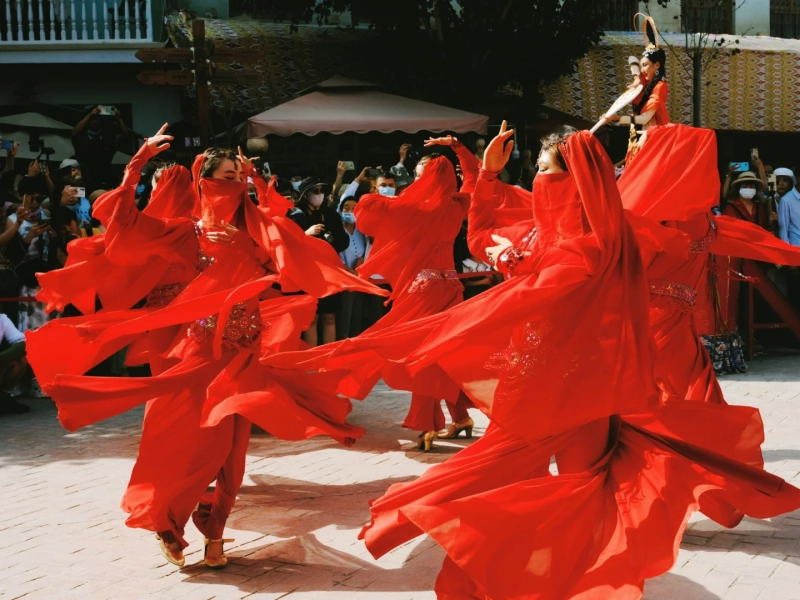
The festivals of Xinjiang, China are the most jubilant moments of this land. Regardless of faith, ethnicity, or language, the joy of celebration transcends boundaries, inviting everyone to dance, sing, and share the abundance and delight of life—a highlight for any Xinjiang travel experience or Xinjiang cultural tour.
Eid al-Adha and Nowruz are the most important religious festivals for the Uyghur people. At dawn, prayers in the mosque are solemn and reverent, the recitation of sacred texts blending with the morning breeze. Soon, laughter and greetings fill the streets. Families meticulously prepare lavish festival meals—pilaf, roasted whole lamb, naan, and sweets—to share with friends and relatives, while also offering alms to the needy. These celebrations are not only expressions of faith but also reinforce community bonds, where kindness flows naturally through food, prayer, and interaction. Travelers exploring Xinjiang cuisine and culture will find these festivals a vivid window into local life.
The Meshrep Festival is perhaps Xinjiang’s most visually and sensorially striking celebration. The moment drums resound, city squares, rural grasslands, and bazaar streets seem to ignite into a sea of joy. Young and old, hand in hand, form dancing circles, their steps light yet resolute. Every spin and stomp inscribes a rhythm of life. Music intertwines with movement—the plucked strings of the dutar, the beat of hand drums, the echoing long songs—creating a full-bodied sensory feast. Here, dance is more than entertainment; it is a language rooted in the soul, a medium to express love, freedom, and belonging, making it a must-see for Xinjiang travel recommendations.
Beyond these, Xinjiang’s ethnic festivals preserve a rich variety of folk traditions and traditional activities. The Kazak Nadam festival, combining horse racing, wrestling, and archery, showcases the courage and grandeur of the steppe peoples. Tajik eagle dances, accompanied by soaring songs and the whistling wind, narrate the bond between humans, nature, and animals. Mongolian long songs and nahuur performances honor the heavens and express reflections on life across the vast steppe. Each festival is a living folk epic, a way for communities to sustain culture and strengthen identity across time and space.
During these celebrations, attire, architecture, food, music, dance, and competitions all intertwine, creating Xinjiang’s unique festival atmosphere. Brightly embroidered clothing flutters with each movement, while tents, bazaars, and mosques form the festive backdrop. Streets and alleys are filled with fireworks, laughter, and motion. Every moment of celebration is both a cultural expression and a poetic depiction of life.
Xinjiang festivals not only reveal cultural diversity but also convey the warmth and intensity of daily life. Festivals serve as bonds of ethnic sentiment, resonances between the human heart and the land, and the most direct expression of vitality across this vast terrain. For visitors seeking a complete Xinjiang cultural and travel guide, experiencing these festivals is an essential immersion into the spirit of the region.
The Liveliness of Xinjiang Bazaars
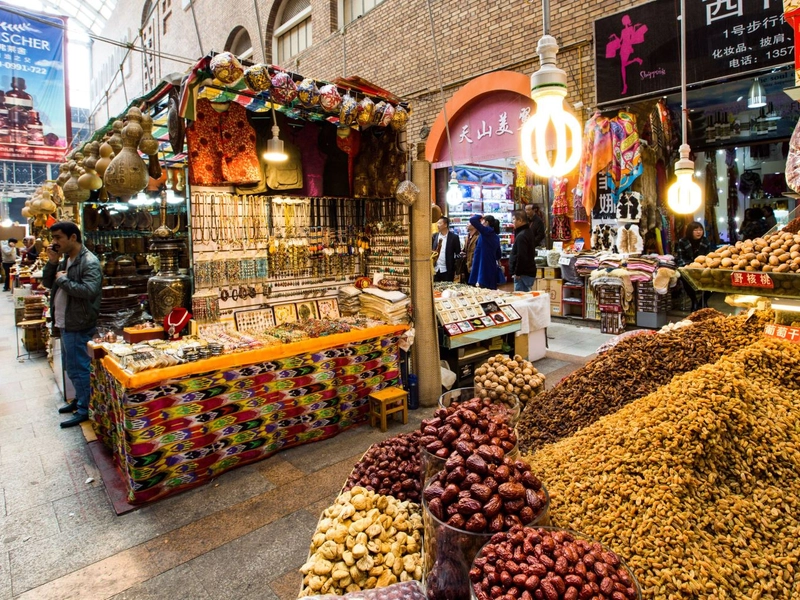
To truly feel Xinjiang’s vitality, one must step into the bazaars of Xinjiang. The centuries-old bazaar of Kashgar’s Old City is both a living history museum and a stage of everyday life. The air is rich with the aroma of freshly baked naan, the savory scent of pilaf, and hints of cumin and chili; calls of vendors, bargaining voices, children’s laughter, and merchants’ greetings weave together into a vibrant symphony of life—an essential experience for anyone exploring Xinjiang travel or Xinjiang tourism.
Stalls display a dazzling array of goods: crystal-clear wild honey from Ili, sweet dark raisins from Turpan, finely carved jade from Hotan, thick warm carpets from Kashgar, and juicy fragrant pears from Korla. Each item is more than a commodity; it carries stories of journeys, labor, and culture. The bazaar’s offerings reflect Xinjiang’s geography and history, spanning north and south of the Tianshan Mountains, crossing deserts and oases, embodying the wisdom and lifestyles of different ethnic peoples.
Bazaars are not merely markets; they are hubs of Xinjiang culture. Here, linguistic diversity, customs, and human warmth converge. Elders sit in teahouses sipping milk tea and engaging in long conversations; children chase and play in the alleys, their laughter as free as the wind; merchants’ calls and visitors’ amazement intertwine into a dynamic folk tableau. Daily life fragments of various Xinjiang ethnic groups naturally collide and merge—Uyghur hand embroidery, Kazakh carpets, Tajik dried fruits and spices—each shining with unique brilliance yet harmoniously coexisting.
At a deeper level, bazaars embody the wisdom of multi-ethnic coexistence. Differences are not barriers but cultural enrichment; diversity is not conflict but the harmony of life. Here, people learn to find their place in different rhythms, to hear resonance amid multiple voices. Bargaining between merchant and customer is not just economic exchange, but a flow of human connection and understanding. During festivals, the bazaar becomes a cultural carnival in Xinjiang—song, dance, music, food, and crafts interweave, expressing the vibrancy and inclusiveness of everyday life.
The vibrancy of the bazaar is more than an overlay of aromas, colors, and sounds; it embodies a philosophy of life. It demonstrates that Xinjiang’s diversity is not an abstract idea, but the natural breath of daily existence. True harmony does not erase difference—it discovers resonance within it, and depth within diversity. Walking through the bazaar’s alleys, one touches not only material abundance but also the warmth of culture and human connection. This is Xinjiang in its most vivid form—the living soul of the land and a must-see for any Xinjiang sightseeing guide.
The Beauty of Harmony
The coexistence of multiple ethnic groups in Xinjiang, China is not merely a matter of geography—it is a resonance of the heart. Here, the thirteen indigenous peoples—Uyghurs, Kazakhs, Tajiks, Mongols, Kyrgyz, Hui, and others—are like different instruments in an orchestra. Each produces a unique tone, yet together they play a harmonious melody across this vast land. Every festival dance, every folk song, every call in the Xinjiang bazaars becomes a note of life, weaving together a rich, multi-layered cultural symphony.
Here, difference is not a barrier but a source of culture; diversity is not conflict but an extension of life. In southern Xinjiang, the Uyghurs convey emotion through fiery song and dance; in northern Xinjiang, Kazakhs depict the landscape of the steppe through long, flowing pastoral songs; Tajiks express courage and dignity through eagle dances; Mongols sing long songs that dialogue with the earth and the soul. The languages, music, dances, clothing, Xinjiang cuisine, and customs of these different peoples are like intertwining notes in a melody—distinct yet mutually responsive—together creating Xinjiang’s unique cultural rhythm.
Bazaars, festivals, weddings, teahouses—everyday life in Xinjiang is a live performance of this symphony. Elders converse softly in teahouses, children chase each other through alleys, merchants call out in bustling markets… These ordinary yet vibrant moments reflect the wisdom of cultural integration in daily life. Human interaction here is not just the transmission of language; it is a meeting of hearts, an understanding and respect for difference.
Xinjiang travel is not complete without experiencing this harmony. The region teaches that in a multi-voiced melody, one can find their own rhythm. It reminds us that true harmony does not erase difference; it resonates within it. It is not the pursuit of uniformity, but coexistence within diversity. Here, one comes to understand that the beauty woven from rich cultures, varied lifestyles, and different beliefs and customs is a profound and vivid force—one that makes life fuller and the spirit wider.
A Culinary Journey Through Xinjiang: Flavors Across Time and Space | Xinjiang Cuisine & Food Guide
In Xinjiang, China, taste is more than a memory on the tongue—it is a condensation of history, geography, and culture. Flavors traverse the Gobi Desert, cross the Tianshan Mountains, and arrive from the smoke of Silk Road caravans, blending the wisdom of grasslands and oases, nomadic life and farming, and the culinary traditions of East and West into a feast that spans millennia. Every dish, every spice, every crackling fire is a testament to Xinjiang cuisine and the people living in harmony with the land and alongside diverse cultures.
The Staples: Wheat, Warmth, and Humanity
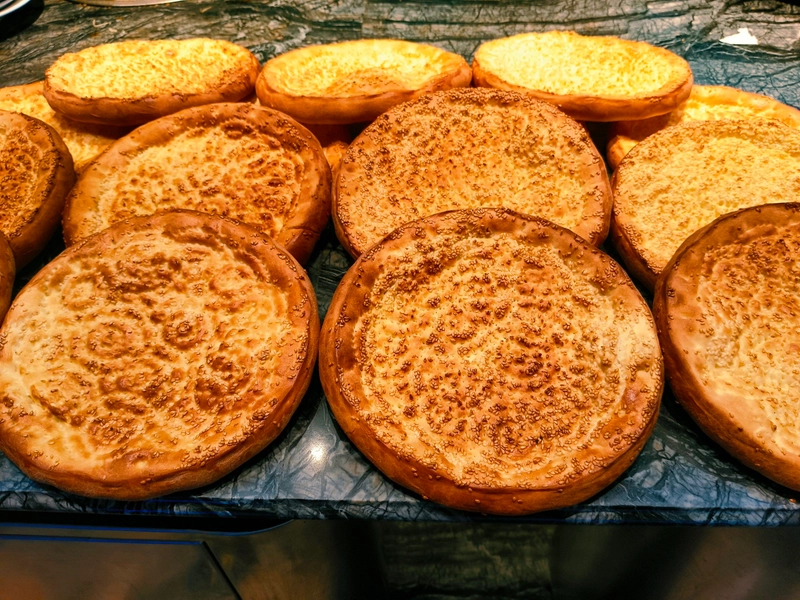
In Xinjiang, staple foods are not just the centerpiece of the table—they are the foundation of life and a vessel for emotion. Whether in the streets of oasis towns or the smoke-filled tents of pastoral regions, Xinjiang naan is indispensable. Round as the sun, golden and crisp on the outside, soft within, the aroma of wheat mingling with fire is the most unpretentious and heartwarming flavor of this land. In the early morning, nomads take freshly baked naan from the oven and place it on the table; a simple piece wards off the chill and dust of a long day. During festivals, naan is elaborately decorated with sesame or brushed with lamb fat, becoming essential for weddings, rituals, or celebrations. For Xinjiang travelers, naan is more than a staple—it is a life ritual, carrying family, kinship, and nostalgia, and accompanying visitors across the vast desert. No matter how far one goes, breaking off a piece of naan brings the warmth of home and the weight of the land.
Another legendary staple is hand-pulled rice, a dish rooted in Central Asia that has taken deep root in Xinjiang, becoming the ultimate mark of hospitality and celebration. Golden grains of rice absorb the rich fragrance of lamb fat, infused with the sweetness of carrots and the subtle tartness of raisins; each grain carries layered flavors. Served on a large platter, people gather around, hand-eating together, sharing abundance and joy. This is more than a meal—it is cultural warmth and a silent bond between people. During festivals or weddings, the aroma of hand-pulled rice fills the courtyard, laughter and blessings mingle in the air, and every bite conveys the happiness of reunion and the depth of human connection.
Noodles, Latiaozi, and Regional Delights
Xinjiang’s world of staples also reveals the diversity of noodles and local dishes: latiaozi as supple as ribbons, thinly cut golden slices, rice dishes either steamed or fried—regional flavors vary, yet all are imbued with life’s wisdom. From pastoral handmade noodles to refined oasis specialties and freshly baked naan in Xinjiang bazaars, every dish reflects a love for life and respect for the land. The scent of wheat is not merely a gustatory pleasure—it embodies Xinjiang’s slow pace of life, warm hospitality, and resilient spirit.
On this land, the crispness of naan and the fragrance of hand-pulled rice are not only a delight to the palate but also a silent dialogue between people and the earth. In the moment when wheat aromas waft through the air, one can feel both Xinjiang travel’s vastness and the warmth of its people—the ceremonial rhythm of staple foods is a unique Xinjiang culinary experience, a “philosophy on the tongue” that belongs to this extraordinary land.
A Meat Lover’s Paradise: Flames and Fervor
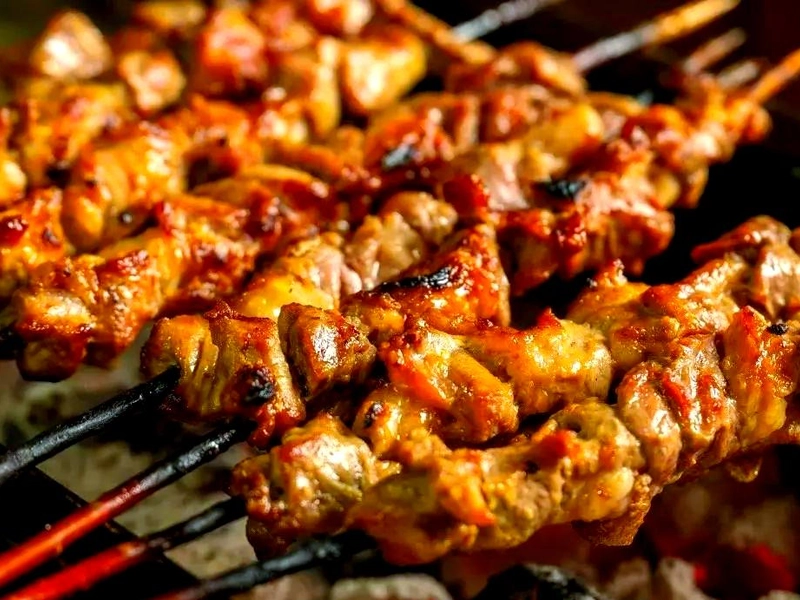
Xinjiang, China is a paradise for meat lovers. Here, Xinjiang lamb is the most generous gift of heaven and earth, carrying the boldness and passion of nomadic culture. Whether strolling through the bazaars of Kashgar Old Town or wandering the streets of Turpan’s oasis, the smoky aroma of grilled lamb skewers will inevitably seize your senses. Charcoal crackles, fat drips, and the scent of cumin and chili drifts on the wind, instantly awakening the taste buds of every passerby. Each skewer is a miniature feast of flames—simple, fiery, and unpretentious—just like the forthright and candid character of the people of Xinjiang. The calls of street vendors, the turning of iron skewers, and the rising smoke together compose a grassland symphony of taste and human warmth.
If grilled skewers symbolize freedom and passion, then big plate chicken showcases Xinjiang’s generosity and grandeur. Vibrant red peppers, golden potatoes, and tender chicken pieces form a glossy, tempting “red-and-gold painting,” while a rich sauce coats every morsel, delivering layered flavors that unfold with each bite. Served with handmade noodles, every mouthful offers both gustatory and emotional satisfaction. There is no fixed recipe for big plate chicken: every region, every household has its own blend of spices and cooking ratios. This diversity and inclusiveness reflect the flavors of Xinjiang cuisine and the region’s multicultural culinary traditions.
Whole roasted lamb brings an even greater sense of ceremony. Nomads slow-roast an entire lamb over charcoal, smoke curling into the sky, fragrance filling the air between grasslands and tents. Every slice, every portion, symbolizes gatherings, festivals, and hospitality—bold yet warm, rugged yet affectionate. The aroma of grilled lamb rice evokes the vastness and vitality of the Xinjiang grasslands: lamb, rice, and spices mingle, allowing one to feel the rhythm of pastoral life from sunrise to sunset. The rich, hearty flavor of lamb offal soup acts like a warming tribute, comforting body and soul amid the cold wind and drifting dust.
Xinjiang’s meat culture is not merely a way to fill the stomach—it is a way of life: candid and passionate, inclusive and diverse, ceremonial yet full of human warmth. Behind the flames and rich aromas lie the vast grasslands, resilient deserts, and centuries of wisdom, emotion, and cultural exchange between nomadic and farming peoples. Every bite is a deep dialogue with the land, the culture, and the people; every lift of chopsticks is a celebration of Xinjiang culinary heritage and the fervor of life.
A Sweet Gift: The Taste of Sunshine
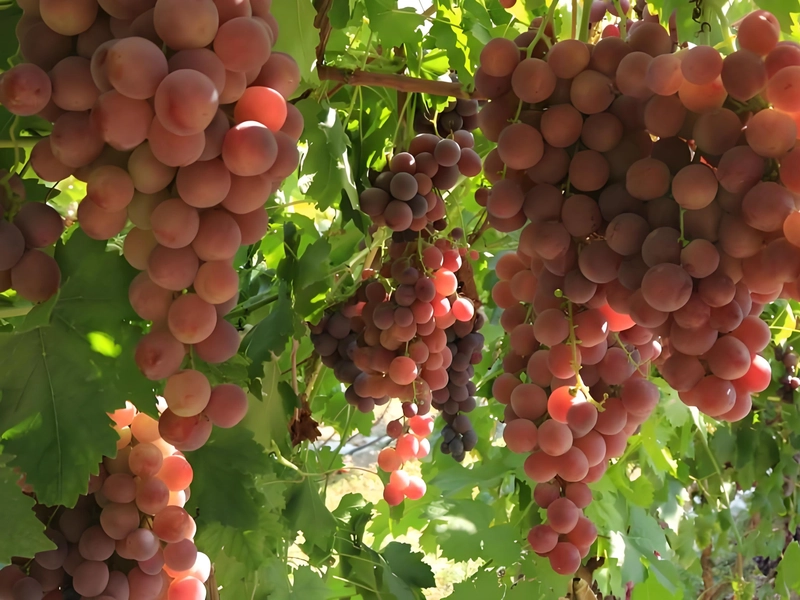
The sweetness of Xinjiang, China comes as a generous gift from the sun. Large temperature differences between day and night, combined with arid, low-rainfall conditions, concentrate the sugars in its Xinjiang fruits, making each bite intensely flavorful and pure. The grapes of Turpan, glistening like jewels, have skins radiating an amber glow; their sweetness, tinged with gentle acidity, seems to tell stories of the ancient Silk Road. Hami melons release an intoxicating fragrance, their flesh juicy and honeyed, each bite capturing the essence of summer sunlight. Korla fragrant pears appear unassuming, yet a gentle bite reveals delicate, sweet, juice-filled flesh with a lingering aftertaste, as if the rhythm and warmth of Xinjiang’s land were condensed in each fruit. It is this sweetness, born of extreme natural conditions, that made Xinjiang fruits prized tributes along the Silk Road and etched them deeply into collective memory—a timeless taste experience.
On the highland pastures, sweetness often comes from the purity and richness of Xinjiang dairy products. Fresh cow’s and goat’s milk, after fermentation, churning, and hand processing, transform into yogurt overflowing with fragrance. Paired with locally gathered jams or honey, they become natural desserts on the herders’ tables. Mare’s milk ice cream, with its snow-white, delicate texture that melts instantly in the mouth, is a hallmark of highland flavor. Cool and refreshing, it carries a faint milky aroma, as if the winds and sunlight of the Xinjiang grasslands have been condensed onto the tongue. For nomadic peoples, these dairy products are not merely food—they are a way of life and a cultural symbol. They represent the energy granted by nature and embody the herders’ wisdom in living in harmony with the land, animals, and seasons.
A Cultural Map of Flavor
Xinjiang, China’s cuisine reflects both its diverse geography and its rich multicultural exchanges. Techniques from the Central Plains, Persian spices, Indian cooking methods, and the meat traditions of Mongols and Kazakhs converge here, forming a unique Xinjiang food map of tastes. Cumin sprinkled on grilled meat, raisins mixed into hand-pulled rice dishes, the pairing of nuts and dried fruits, and sweet pastries—all narrate a thousand years of Silk Road trade, Xinjiang culinary heritage, and gastronomic ingenuity.
Every meal in Xinjiang is a small journey through time and space: from oases to grasslands, from deserts to snow-capped mountains; from the camel caravans of ancient traders to the laughter-filled tables of modern Xinjiang restaurants; from lavish sacrificial feasts to festive street snacks. Each bite connects Xinjiang cuisine with history, geography, and human warmth. The sweetness here does more than delight the palate—it soothes the soul, allowing one to feel life’s abundance and the generosity of the land even in the harshest environments.
The sweetness and flavor of Xinjiang fruits, dairy, and pastries form a poetic symphony of sun, soil, culture, and history. It teaches us that even amid vastness and solitude, one can discover the purest, warmest culinary experiences in Xinjiang, a true celebration of the land’s generosity and diversity.
Modern Xinjiang: A New Chapter on Ancient Land
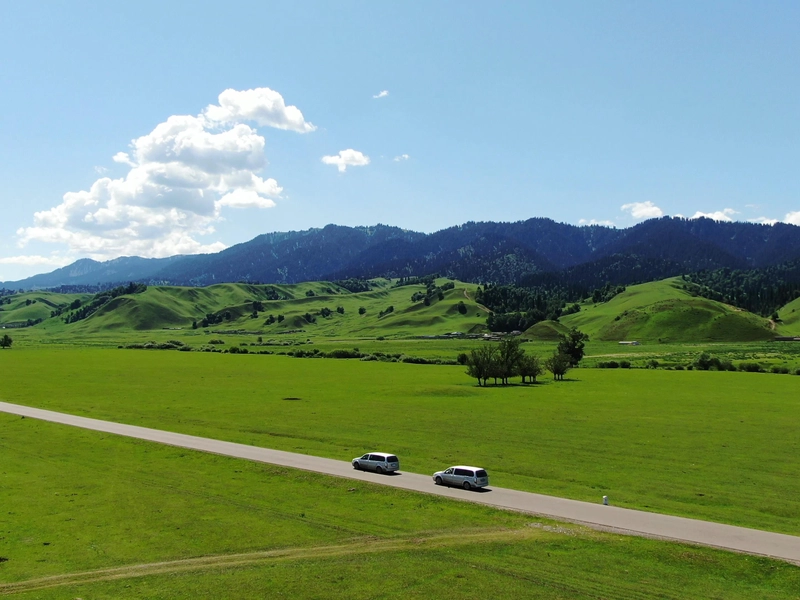
In the vast heart of the Eurasian continent, Xinjiang, China—this ancient land—is writing a new chapter for a new era. Here, the jingling of camel bells has transformed into the rumble of China-Europe trains; desert winds coexist with high-tech industries in Xinjiang; and the memories of the Silk Road converge with the blueprint of the Belt and Road Initiative. Ancient and modern, traditional and innovative, do not clash here—they blend, complementing each other in a unique harmony.
The Core of the Belt and Road: From Camel Bells to Steel Trains
A thousand years ago, caravans set out from Chang’an along the Silk Road in Xinjiang, crossing the towering Tianshan Mountains, traversing the vast Taklamakan Desert, and the rugged Pamir Plateau, carrying Chinese silk, tea, porcelain, spices, medicinal herbs, and exquisite handicrafts to Central Asia and Europe. In return, camels brought back horses, spices, glass, and gemstones, sparking new waves of prosperity and wonder in Chinese markets. Back then, the jingling of camel bells was the heartbeat of the Silk Road—a living witness to the meeting of Eastern and Western civilizations.
Today, Xinjiang tourism and trade are experiencing a renaissance under the Belt and Road Initiative. The ancient jingles of camel bells have been replaced by the roar of modern trains, yet they carry the same mission: connection, exchange, and shared prosperity. Cities like Ürümqi, Horgos, and Alashankou have become vital nodes of modern land-based logistics. The China-Europe Railway Express moves like an iron caravan through the Tianshan Mountains and Xinjiang deserts, carrying electronics, machinery, textiles, and agricultural products to Kazakhstan, Russia, Germany, and beyond; return trains bring back wine, dairy products, auto parts, and refined European goods, delivering the touch of international markets deep into China’s interior.
These railways are more than trade routes—they are bridges for culture and cooperation. Along the corridors, cities and border crossings witness a comprehensive upgrade: from logistics to talent exchange, from economic cooperation to cultural dialogue. Industrial parks in Xinjiang host joint China-Europe factories; creative markets showcase the fusion of Western design and local Xinjiang craftsmanship; universities and research institutes cultivate a new generation through cross-border collaboration. Here, the spirit of the Silk Road finds a modern interpretation—openness, inclusivity, innovation, and mutual benefit.
On this ancient land, history and modernity intertwine. The camel bells may have faded into the past, but they left behind enduring traces of civilization; the steel trains rush forward, continuing the dream of connecting the world. Xinjiang, China, with its unique geography, Silk Road heritage, and rich cultural legacy, stands at a new crossroads, embracing the new millennium with openness and confidence, allowing the Silk Road in Xinjiang to continue telling its story of civilizations and eras united.
Empowering Resources: Energy and Green Development in Tandem
Xinjiang, China’s vast lands harbor abundant natural resources, nurturing traditional agriculture while carrying the ambitions of modern energy development in Xinjiang. The region is one of China’s most important cotton-producing areas. With ample sunlight, significant temperature differences between day and night, and a dry climate north and south of the Tianshan Mountains, Xinjiang provides an ideal environment for high-quality long-staple cotton. The soft, pristine cotton not only weaves the nation’s fabrics but also symbolizes agricultural modernization—mechanized harvesting, intelligent processing, and extended industrial chains ensure that abundance and ingenuity go hand in hand.
At the same time, Xinjiang’s oil and gas reserves play a critical role in the China energy strategy. The Tarim Basin, Junggar Basin, and Tuha Oilfields—like three radiant pearls—support energy supply for western China and the country as a whole. In recent years, the rise of renewable energy in Xinjiang has positioned the region at the forefront of green development. On the desert plains, rows of solar panels glint blue under the sun; atop windy ridges, towering turbines spin with silvery hope, converting wind and sunlight into sustainable power. Once known as the “land where the wind comes from the Tianshan,” Xinjiang now channels the energy of wind and sun into China’s and the world’s green energy landscape.
Challenges and Achievements: A New Dialogue Between Humans and Nature
Modern development in Xinjiang is not merely about economic metrics—it is an exploration of balance between humans and nature amid vast lands, arid climates, and desertification. Ecological governance in Xinjiang has become a key theme of the new era: along the edges of the Taklamakan Desert, protective forests and drip-irrigated green oases stretch like green ribbons; sand-control projects in Hotan and Kashgar have turned “green advancing as sand retreats” from vision into reality. Wetland preservation, river management, and biodiversity restoration on the northern slopes of the Tianshan Mountains demonstrate the region’s commitment to ecological civilization in Xinjiang.
On the social front, poverty alleviation and infrastructure development have brought transformative changes to daily life. Newly constructed roads traverse deserts and grasslands, connecting remote villages to transportation networks; electricity grids and communication towers bring pastoral areas, cities, and deserts into seamless contact with the world; education, healthcare, and cultural resources ensure that children in highlands and oases alike have opportunities to pursue their dreams. These changes, though seemingly ordinary, form some of the most moving landscapes of modern Xinjiang—reflecting both natural rejuvenation and the growth of the human spirit.
Integration and Progress: The Vibrant New Face of Xinjiang
Today, Xinjiang is a stage where history and modernity converge. The profound heritage of the ancient Silk Road in Xinjiang intersects with the openness, confidence, and innovation of contemporary economy, technology, and culture. Its multiethnic social fabric fosters harmony through diversity and mutual growth through exchange: Uyghur, Kazakh, Tajik, Han, and other communities each express their distinct vitality across cities and villages, grasslands and oases, collectively shaping the warmth of society and the depth of culture.
From the stone-paved streets of Kashgar Old Town to the high-speed rail stations of Ürümqi, from the lively calls of bazaars to cross-border e-commerce warehouses, from folk music and dance to international expos, Xinjiang embodies the spirit of the new era—openness, innovation, and inclusiveness. It is not only a hub for trade and energy but also a laboratory for cultural exchange, technological innovation, and ecological civilization.
On this ancient land, a melody for the future is being composed—between deserts and snow-capped mountains, renewable energy and fertile oases coexist; culture and technology resonate; history and modernity dance together. This is Xinjiang, China: vast yet intricate, traditional yet innovative. Its story continues to unfold, inviting the world to listen and witness.
Welcome to Xinjiang
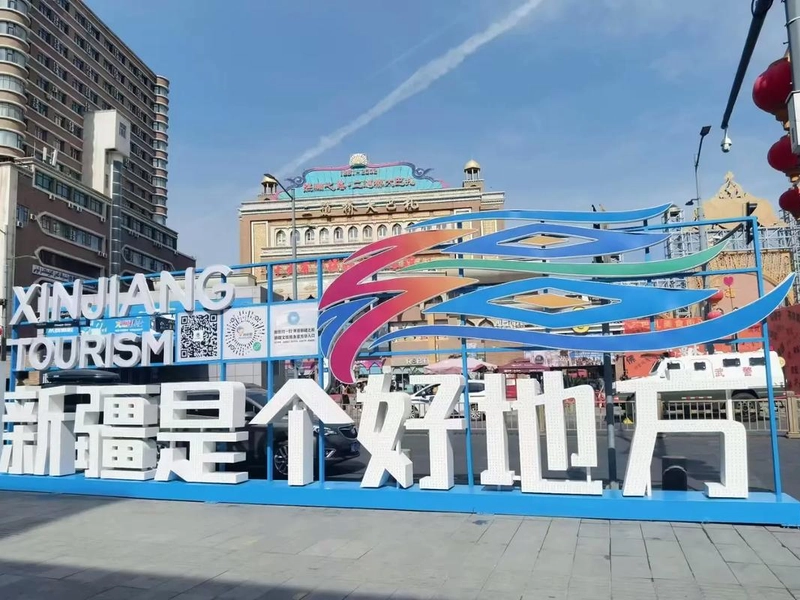
If China’s map were a symphony, Xinjiang, China would be its grandest, most profound movement. Its vastness is not merely in the expanse of land, but in the way it teaches people to embrace the world with a broader heart. Snow-capped Tianshan Mountains coexist with the Taklamakan Desert, wilderness intertwines with oases; winds howl across the Gobi Desert, while sunlight glimmers on the Tianshan peaks. In the harshest environments, people cultivate the sweetest grapes; in the loneliest winds, they sing the most passionate songs. The vitality of this land springs from balance within contradiction, harmony amid opposition—reminding us that true abundance is not measured by resources alone, but by the openness and composure of the human spirit in the face of adversity.
To step into Xinjiang travel is to step into a philosophy of life that values expansiveness. Here, people know how to remain steadfast amid change and sing amid solitude; their smiles carry both the warmth of the sun and the coolness of the mountains. On the Bayinbulak Grasslands, herders chase the morning light, with flocks of sheep and horses moving in orderly lines; in the bustling alleys of Kashgar Old Town bazaars, vendors call out to life itself, blending the scents of spices, roasted meats, and freshly baked Uyghur naan with laughter into the most authentic rhythm of living. During festivals, whether it is the exuberant dances of Meshrep Festival or the solemn prayers of Eid al-Adha and Ramadan in Xinjiang, people inscribe the joy of life into time through song, dance, and ritual.
Xinjiang culture teaches us how to seek coexistence amid diversity, and to uphold faith amid wind and sand—how to bloom the sweetest fruits in the harshest conditions, and to find harmony among the most disparate cultures. Its bazaars are not merely markets, but convergences of culture, language, faith, and human warmth; its vineyards yield not just sweet fruits, but the wisdom of people living in tune with nature.
Thus, Xinjiang’s natural beauty belongs not only to geography but also to the spirit. It reminds us that the human heart can be as lofty as the Pamir Plateau, as profound as the starry skies over the Taklamakan Desert; that, in the interplay of wind, sand, and sunlight, we can learn tolerance, resilience, and passion.
Standing atop the Tianshan Mountains, gazing over the sprawling land, or wandering through the dusky streets of Kashgar Old Town, hearing the distant notes of the dutar and the rhythms of hand drums, one suddenly understands what it means that “nature holds great beauty yet speaks not a word.” Xinjiang travel is not about a remote frontier; it is a center for re-understanding diversity, embracing inclusiveness, and feeling the vastness of life. Here, every gaze, every breath is a journey of the soul; every fruit, every song, every dance tells a story of dialogue between people and the land, between people and culture, between people and time.
Related Vocabulary
| Chinese | Pinyin | English | Notes / Brief Explanation |
|---|---|---|---|
| 新疆 | Xīnjiāng | Xinjiang | Northwestern region of China, crossroads of nature and culture |
| 丝绸之路 | Sīchóu zhī Lù | Silk Road | Ancient trade route connecting East and West |
| 天山 | Tiānshān | Tianshan Mountains | Major mountain range in Xinjiang |
| 帕米尔高原 | Pàmǐ'ěr Gāoyuán | Pamir Plateau | Western highland with perennial snow |
| 塔克拉玛干沙漠 | Tǎkèlāmǎgān Shāmò | Taklamakan Desert | One of China’s largest deserts |
| 喀纳斯湖 | Kānàsī Hú | Kanas Lake | Famous lake in northern Xinjiang, scenic beauty |
| 吐鲁番 | Tǔlǔfān | Turpan | Oasis city in southern Xinjiang, known for grapes |
| 乌鲁木齐 | Wūlǔmùqí | Ürümqi | Capital of Xinjiang, blend of modern and traditional |
| 维吾尔族 | Wéiwú'ěr zú | Uyghur | Major ethnic group in Xinjiang |
| 哈萨克族 | Hāsàkè zú | Kazakh | Northern Xinjiang grassland ethnic group |
| 葡萄 | pútao | Grape | Specialty of southern Xinjiang, Turpan famous for it |
| 烤羊肉串 | kǎo yángròu chuàn | Grilled lamb skewers | Signature Xinjiang food |
| 馕 | náng | Naan | Traditional Xinjiang flatbread |
| 大盘鸡 | dàpán jī | Big plate chicken | Famous Xinjiang dish |
| 雪山 | xuěshān | Snow-capped mountains | Mountains like Tianshan and Pamirs |
| 草原 | cǎoyuán | Grassland | Grasslands in northern Xinjiang and Altai region |
| 旅游景点 | lǚyóu jǐngdiǎn | Tourist attractions | Natural scenery and historical/cultural sites |