Discover Jiangsu: A Journey Through Waterways, Culture, and Cuisine
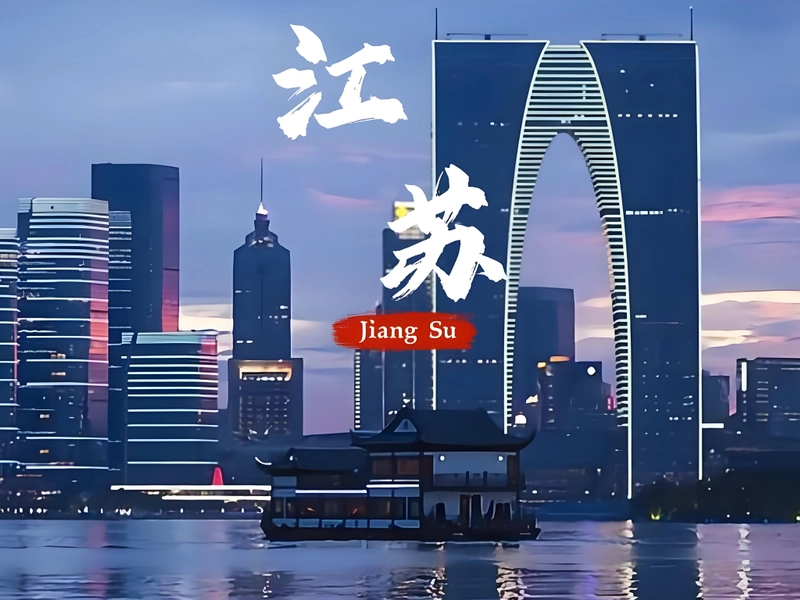
First Encounter with Jiangsu
How does one truly understand Jiangsu travel? Through the lingering mists of the Six Dynasties’ ancient capitals, or the intricate elegance of Suzhou classical gardens? Through the solemn history of Nanjing’s city wall and other Nanjing historical sites, or the bustling life along the banks of Yangzhou’s Grand Canal? Through the fishing songs drifting over the rippling waters of Tai Lake travel spots, or the curling smoke rising from villages along the Huai River? The answer, in fact, has long been hidden within the interlacing veins of water that thread across this land.
Jiangsu, a land nourished by water, has always been a convergence of rivers, lakes, and seas—where the Yangtze surges, the Huai winds its way, the Grand Canal tour snakes through cities, and Tai Lake in Wuxi shimmers in the sunlight. Water is its lifeblood, its character, and the pen that carries its stories across a thousand years. Where water flows, one finds the rise and fall of ancient capitals, the gentleness of Jiangnan’s waterways, the prosperity of merchant routes, and the poetic musings of scholars.
Geographically, Jiangsu sits along China’s eastern coast, connecting the lower Yangtze to the Yellow Sea, bordered to the south by Zhejiang and Anhui, and to the north by Shandong and Hebei. Its strategic location has made it a key hub for north-south transportation and trade, as well as a repository of rich Jiangsu culture and Jiangsu history. From the flourishing of ancient canal towns to the rise of modern economic zones, Jiangsu has always held a vital place in eastern China travel networks, making it one of the most dynamic and influential provinces in eastern China.
Following these waterways, one can touch the soul of Jiangsu: Nanjing’s city wall narrates dynastic changes; along the banks of Yangzhou’s Grand Canal, the legacies of salt merchants still shimmer; in Suzhou gardens, bridges and flowing streams reflect the leisurely elegance of literati; on the shores of Tai Lake in Wuxi, fishermen’s songs drift at dusk; and in Lianyungang, the port’s tides hint at modern Jiangsu’s openness and vitality. Water shapes not only the land, but also its cities—and imbues the hearts of its people.
Tracing its currents, one can hear Jiangsu tourism softly recounting its millennium-spanning epic, feeling the unique rhythm flowing between history, culture, and nature. Here, water is life, memory, and a story that never ceases.
The Polyphony of Jiangsu’s Waters
Movement I: Waters of Geography — Nature’s Gift and Shaping Force
Water in Jiangsu travel is more than a scenic feature; it shapes the character and destiny of the land, influencing urban layouts, economic development, and cultural life.
Rivers: The Yangtze’s Grandeur and Pioneering Spirit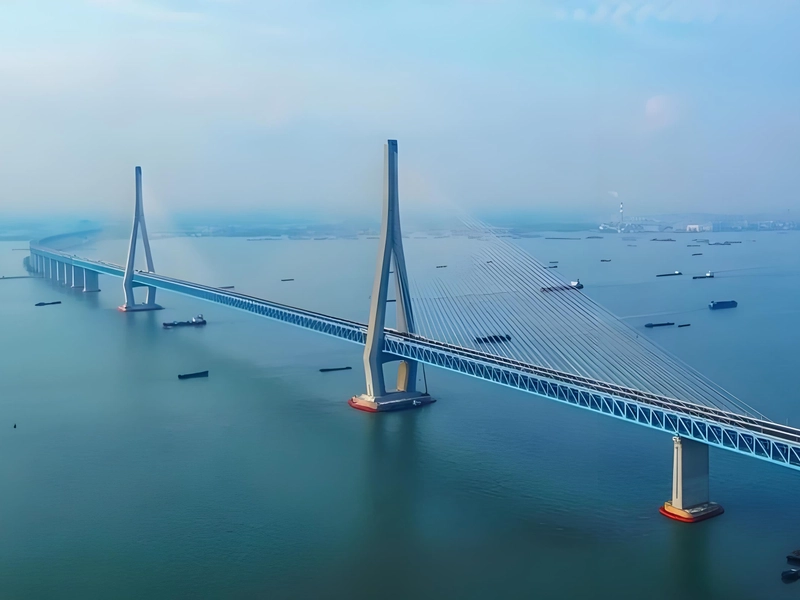
The Yangtze River, surging ceaselessly, flows like the lifeblood of this region. Bridges such as the Nanjing Yangtze Bridge and Jiangyin Yangtze Bridge span its waters, linking north and south while carrying countless stories of people pursuing dreams. Cities along its banks, including Nanjing, Zhenjiang, and Yangzhou, owe their prosperity to the river, which facilitated trade, transport, and cultural exchange. The river’s waves bear witness to history while nurturing the vitality of today’s Jiangnan scenery and Jiangsu culture.
Canals: Arteries of Connectivity and Prosperity
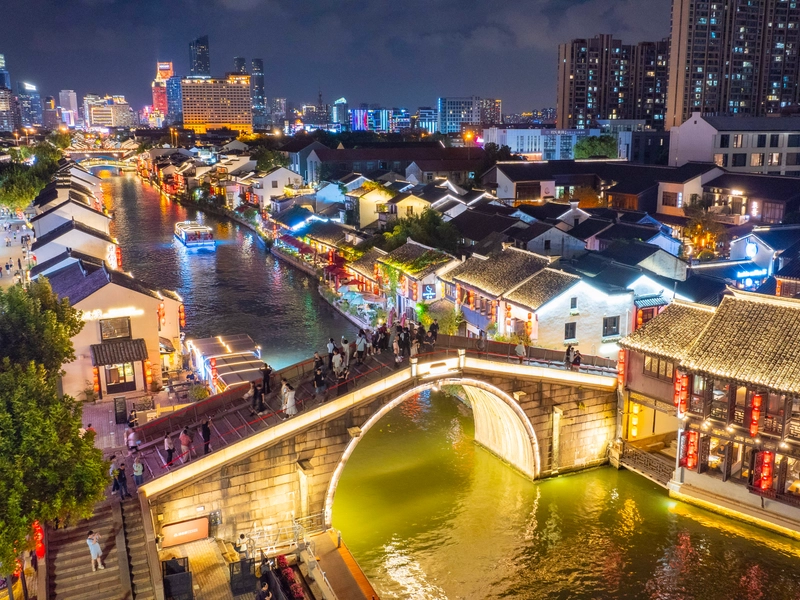
The Grand Canal Jiangsu, running across the province, served as ancient China’s “highway,” concentrating wealth, commerce, and culture. Cities like Yangzhou, Suzhou, and Huai’an flourished along its banks. Along Yangzhou’s old canal, salt merchants’ residences line the banks, and bustling ports teem with boats, forming a living historical tableau. Suzhou canal-side towns, with small bridges, flowing streams, and riverside homes, reflect the rhythm of daily life and the elegance of Jiangnan culture. Festivals, boat processions, and cultural exchanges along the canal left lasting imprints on the region’s history.
Lakes: Tai Lake’s Serenity and Fertility
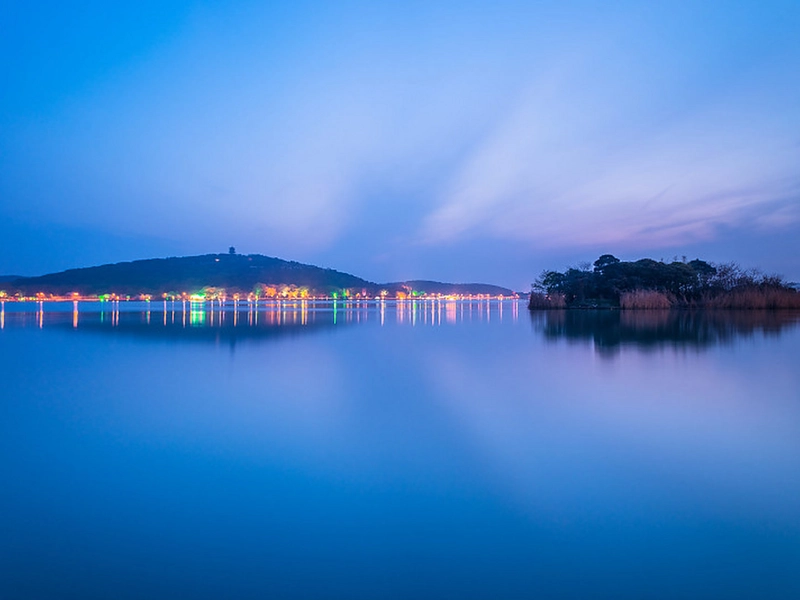
Tai Lake travel, vast and tranquil, nurtures life and culture. Its fertile shores earned Jiangsu the reputation of a “land of fish and rice.” Sites like Wuxi’s Yuantouzhu, Zhouzhuang, and Tongli water town reflect Jiangnan’s unique aesthetic of tranquility, elegance, and openness. Tai Lake supports fisheries, irrigation, transportation, and tourism, embedding the gentle character of Jiangsu in both landscape and society. Poets, painters, and local artisans have long captured its beauty in verse, ink, and crafts such as Tai Lake boat paintings and Jiangsu silk.
Rivers, canals, and lakes in Jiangsu not only shape landscapes—they carry history, civilization, and human spirit, forming the foundation of Jiangsu tourist attractions and the province’s unique identity.
Movement II: Waters of Culture — The Sedimentation and Flow of Spirit
Water does not merely shape Jiangsu travel geography; it deeply infuses the culture and character of its people. Settling along rivers and living by the waters, inhabitants have developed distinctive collective temperaments. People of southern Jiangsu, like the sea, are open, adaptable, and astute; northern Jiangsu residents, like the Huai River, are resilient, steadfast, and grounded. The intelligence and fluidity along Tai Lake, the pioneering spirit along the Yangtze River, all reflect water’s influence in shaping the Jiangsu culture and ethos. From Nanjing city walls to Yangzhou canals, from Zhouzhuang’s bridges to Wuxi’s fishing songs, every city rhythmically resonates with the presence of water.
Water has also nurtured a rich cultural heritage. Along the Qinhuai River, The Peach Blossom Fan records the joys and sorrows of history and love; Zhu Ziqing’s The Qinhuai River by Night transforms the murmuring river into the soul of prose. In Yangzhou, the lives of salt merchants and the bustle of the canal inspired countless local stories and poetry, reflecting the subtlety and charm of water-town life.
Gardens further manifest Jiangsu water towns culture. Suzhou gardens, “following nature,” use rockeries, ponds, winding bridges, and corridors to condense the essence of mountains and rivers into compact spaces; every drop of water whispers a dialogue between nature and humanity. Ancient towns like Wuxi’s Huishan and Zhouzhuang, with waterways interwoven into the urban fabric, reflect the Jiangnan philosophy: “a city in water, water in the city.”
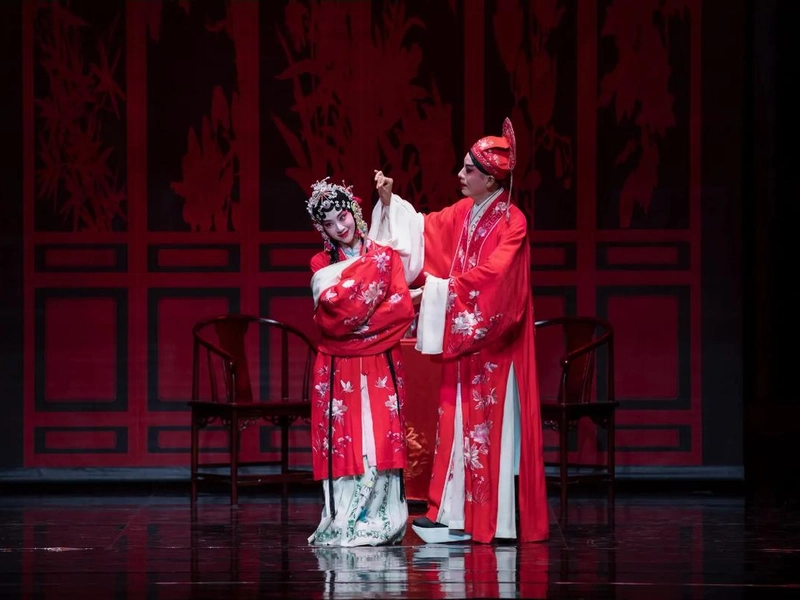
Water’s flexibility and grace also permeate traditional arts. Kunqu Opera flows like a gentle stream, carrying ancient rhythms and emotions; Suzhou embroidery, silky and fluid, depicts the delicacy and elegance of Jiangnan culture. Folk crafts, Wuxi boat paintings, and handcrafts in Suzhou and Changzhou subtly express water’s poetic spirit.
Moreover, water shapes daily life. Morning exercises by the rivers, nighttime lanterns along the banks, markets, and intersecting boats all embody the philosophy of coexistence: water nourishes people, and people live in harmony with water. Water is more than a physical presence—it is a cultural language flowing through Jiangsu for millennia, carrying memory, emotion, and wisdom, connecting history with the present, and making Jiangsu tourism a journey through both landscape and spirit.
Movement III: Waters of the Era — The Surging Flow of Cities and Innovation
Jiangsu travel waterways not only shape landscapes but also nourish the distinctive character of each city. From the rhythmic strokes of ancient canal oars to the horns of modern ports, Jiangsu cities display a spectrum of vitality, forming the surging tides of the era. Every river and lake carries both historical memory and drives modern innovation and economic growth.
Nanjing: History Meets Modernity
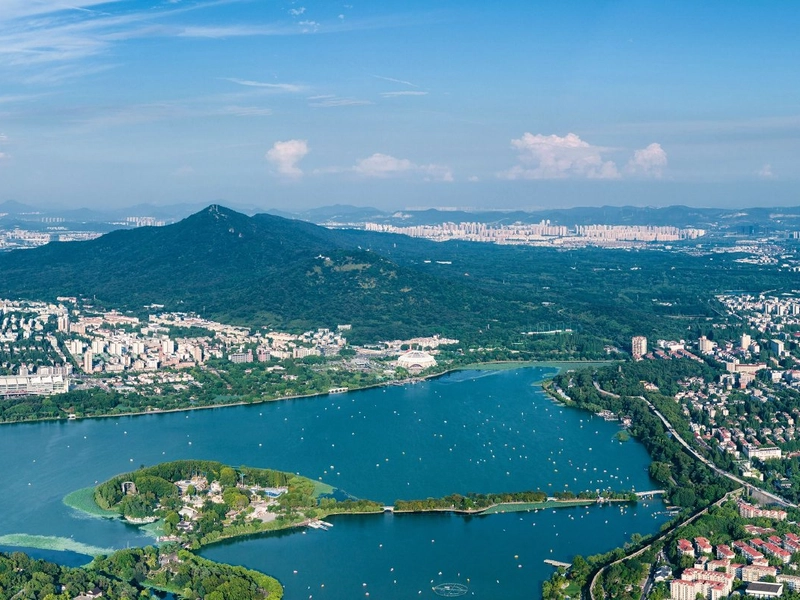
The ancient capital of six dynasties, Nanjing blends history with contemporary urbanity. The city preserves the echoes of the Six Dynasties, the solemnity of Ming Xiaoling and Sun Yat-sen Mausoleum, while emerging as a hub of technology, education, and finance. Jiangbei New Area stretches like water, attracting global talent and capital, hosting innovation platforms and smart city projects, breathing new life into the historic riverside city. Along the Yangtze, docks and riverside parks merge history with modernity.
Suzhou: Elegance Flows with Innovation
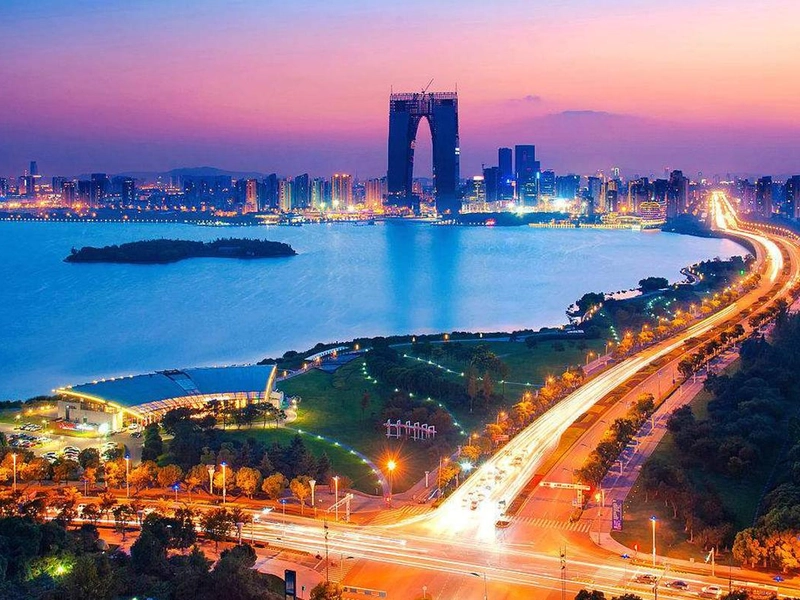
The Tai Lake system and Suzhou classical gardens imbue Suzhou with refined elegance. The Suzhou Industrial Park and high-tech zones flow with innovation, harmonizing cultural heritage and economic vitality. Garden bridges and waterways coexist with modern office buildings, preserving classical charm while fostering modern industries. Cultural enterprises, AI companies, and export trade make Suzhou a “water city where tradition meets modernity,” a place where Jiangsu culture continues to thrive amid urban dynamism.
Wuxi: Harmony of Industry, Tourism, and Nature
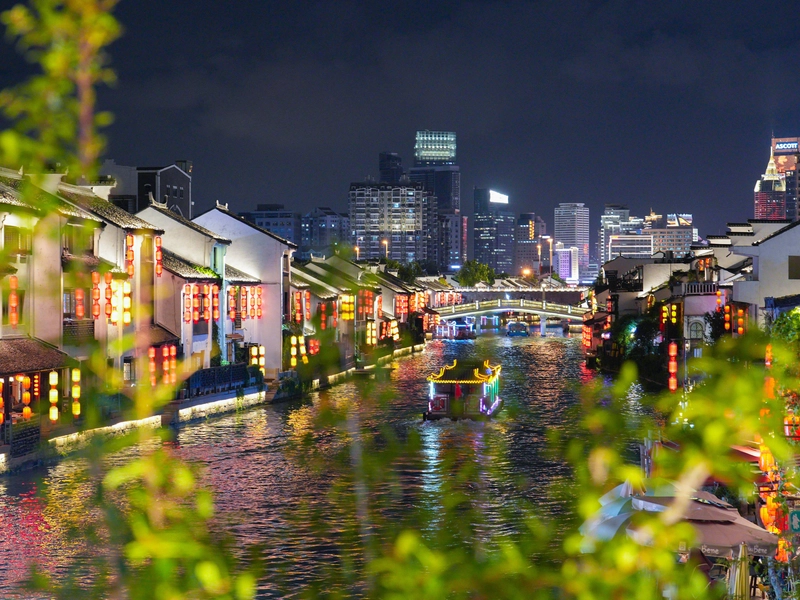
Balancing industry and tourism along Tai Lake, Wuxi presents natural beauty and human craftsmanship. Cherry blossoms at Yuantouzhu, the grandeur of Lingshan Buddha, and lakeside village life demonstrate harmony between nature and culture. Modern Wuxi thrives on manufacturing, renewable energy, and the digital economy, with high-tech zones coexisting with ecological tourism. The city’s warmth and vitality ripple like Tai Lake itself, making it a must-visit destination for Jiangsu travel enthusiasts.
Yangzhou: Ancient Canal, Cultural Heritage
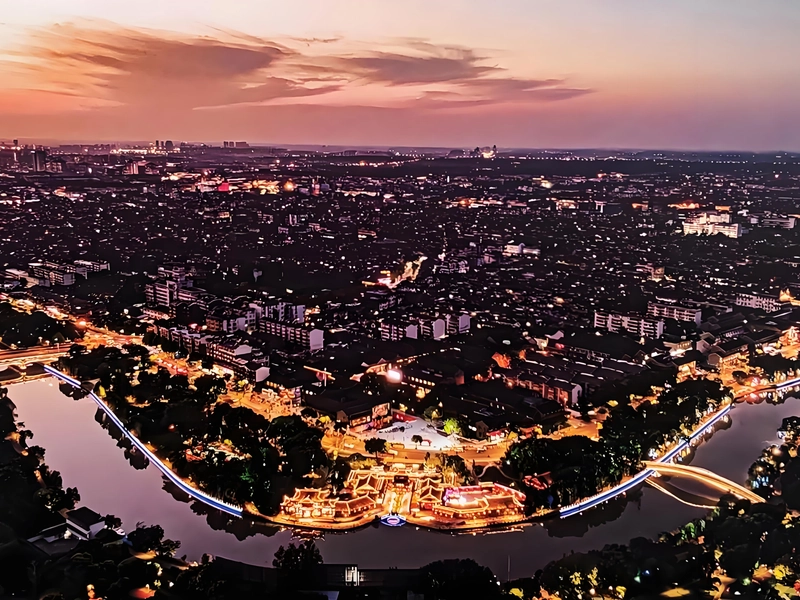
A gem along the ancient Grand Canal, Yangzhou’s history is intertwined with salt merchants’ culture. Old streets, bridges, and canal docks preserve traces of commercial prosperity, while stories of literary gatherings whisper through alleys. Modern Yangzhou harnesses cultural tourism, traditional crafts, and creative industries, revitalizing the city while maintaining its water-town charm and embracing waves of innovation.
Nantong: Gateway by the Sea
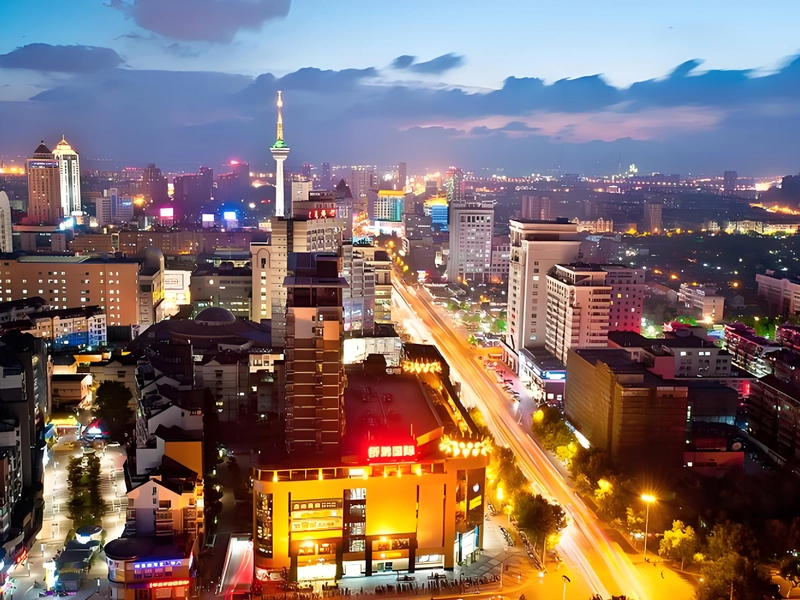
Facing the sea, Nantong leverages its strategic location at the confluence of rivers and ocean. Its port throughput grows rapidly, positioning the city as a key node of the Belt and Road Initiative. Marine economy, modern manufacturing, and logistics development make the city as open and dynamic as the sea itself, enhancing Jiangsu’s strategic economic position nationally and globally. Nantong’s combination of heritage and modernity reflects the broader dynamism of Jiangsu tourism.
Xuzhou: Historical Hub Along the Huai River
A hub along the Huai River, Xuzhou boasts deep historical roots as a key military and commercial city since the Eastern Han. Home to Pengcheng cultural relics, Xuzhou thrives on coal, machinery, and modern logistics, combining the resilience of northern Jiangsu with historical gravitas. Its rivers and canals support commerce, daily life, and cultural exchange, reflecting a symbiotic relationship between water-town life and urban development.
Huaian: Bridging Past and Present
Located along the Grand Canal, Huaian bridges history and modernity. Canal culture intertwines with smart manufacturing, creative industries, and tourism, while retaining the charm of a water town. Streets, bridges, and riverside residences make the ancient canal’s culture inseparable from contemporary life, a living testament to Jiangsu culture.
Each city is a note in Jiangsu travel’s flowing symphony. The Yangtze’s force, the canal’s agility, and Tai Lake’s gentleness resonate uniquely across urban landscapes, merging history with modernity, nature with humanity. Water connects past and future, linking towns and cultural richness across the province, making Jiangsu a land that both preserves civilization and surges forward—a true “Watered Jiangsu” of the new era.
Movement IV: Waters of History — Cultural Relics and Heritage Flowing Through Time
Water in Jiangsu nurtures cities and economies, while carrying the weight of history and culture. Along rivers, lakes, and seas, traces of time flow gently through towns, cities, waterways, and shores, allowing ancient and modern to reflect one another.
Nanjing, the Six Dynasties Capital
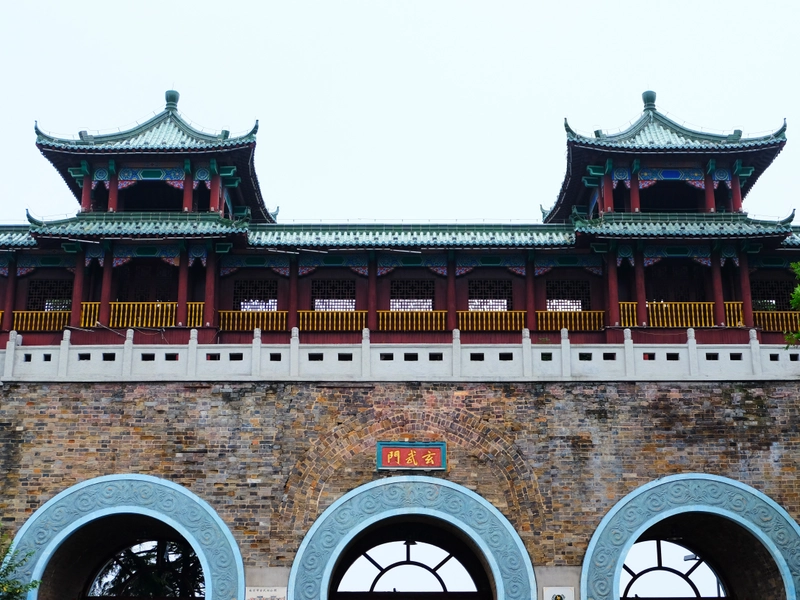
Nanjing, a historic city in Jiangsu travel, boasts a profound past and deep culture. The solemnity of Sun Yat-sen Mausoleum, the grandeur of Ming Xiaoling, and the imposing Nanjing city walls display imperial culture and historical legacy. Meanwhile, the Qinhuai River and Fuzimiao (Confucius Temple) reveal the water charm and folk culture of Jiangnan. By night, lanterns flicker, boat oars gently tap the water, and cobblestone streets carry the scent of snacks and scholarly leisure. The rivers carry ripples of history, tracing the rise and fall of the ancient capital, commerce, and literary refinement, making Nanjing a quintessential destination for Jiangsu tourism and cultural exploration.
Yangzhou’s Canals and Ancient Streets
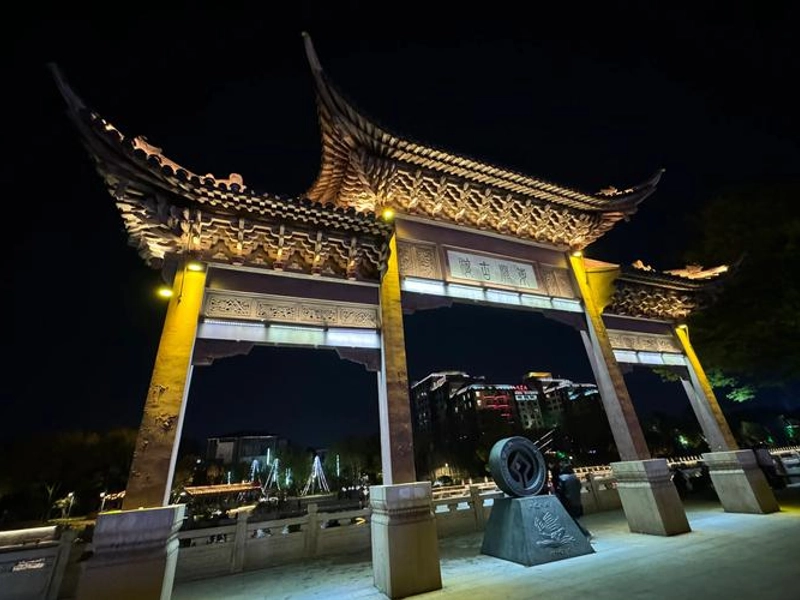
The ancient Grand Canal winds through Yangzhou, bearing centuries of salt merchant culture and canal commerce. Streets like Dongguan Street, He Garden, and Daming Temple stretch along the river, reflecting both history and daily life. Garden rockeries, winding waters, and flowing canals showcase the elegance and vitality of Jiangnan gardens. Temple bells and old windows convey the intertwining of religious practice and local traditions. The canal is more than a trade route—it is a flowing historical scroll, recording prosperity, culture, and water-town life, making Yangzhou a key destination for Jiangsu travel and cultural tourism.
Suzhou Gardens and Ancient Towns
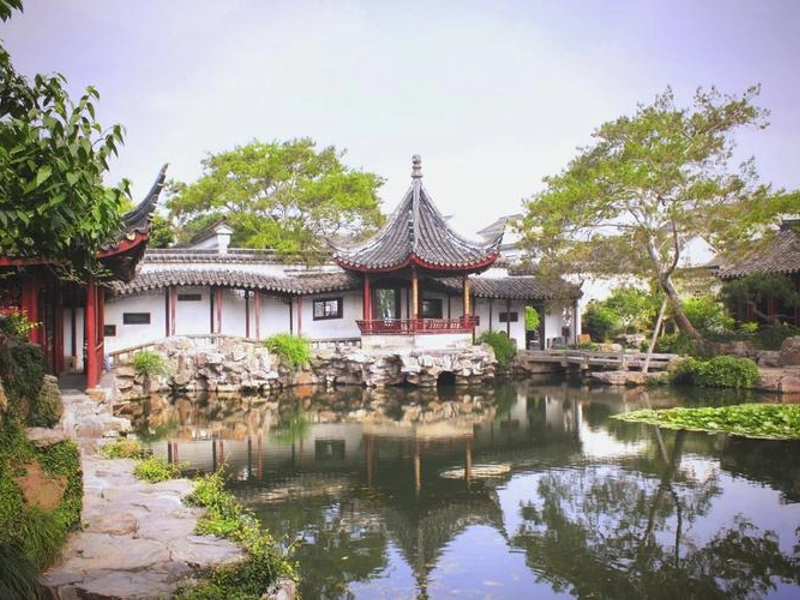
Suzhou’s Humble Administrator’s Garden and Lingering Garden embody the principle of “seeing the big in the small, flowing water winding around,” perfectly blending nature and culture. Ancient towns such as Zhouzhuang and Tongli, with their networks of canals, winding bridges, and whitewashed walls reflected in gently rocking boats, reveal the quintessential Jiangnan water-town aesthetics. Walking through these towns is like entering a living ink painting, where history and daily life intertwine, and each corner whispers tales of literati, local culture, and water-town life. Suzhou gardens and towns remain must-visit destinations for Jiangsu travel enthusiasts seeking both tranquility and cultural richness.
Wuxi, Tai Lake, and Historical Sites
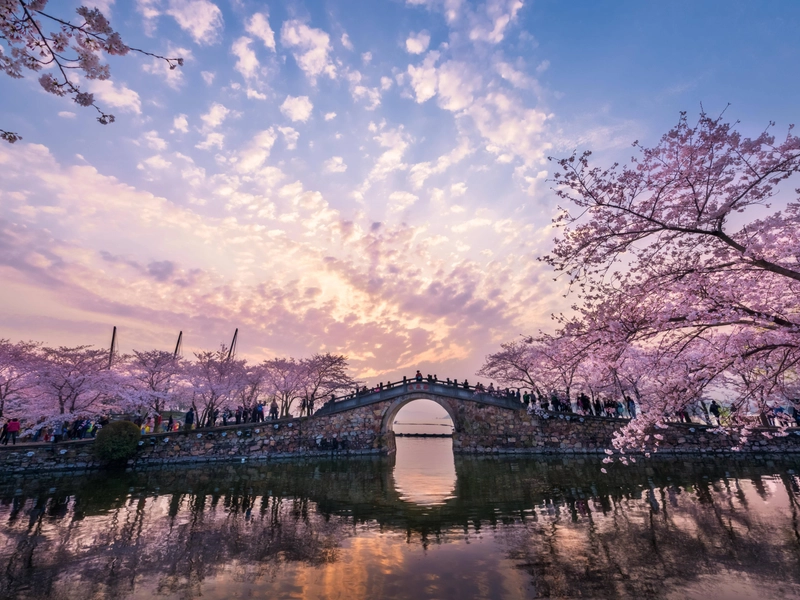
Along Tai Lake, cherry blossoms at Yuantouzhu and the grandeur of Lingshan Buddha integrate lake scenery with religious culture. Huishan Ancient Town, with old streets, residences, and canal lanes, reveals the historical and cultural depth of the Tai Lake region. The lake waters connect cities, recording the passage of time while reflecting daily life, Jiangsu culture, and the rich heritage of water-town life. Wuxi remains a key destination for Jiangsu travel, where natural beauty and historical sites harmoniously coexist.
Other Cultural Landmarks in Jiangsu
Nantong’s Langshan and Tongzhou Bay Wetlands combine natural beauty with local history. Xuzhou’s Pengcheng ruins and Han cultural sites reveal the depth of northern Jiangsu heritage, while Huaian’s Zhou Enlai Former Residence and Canal Museum link modern history with Grand Canal culture. Rivers, bridges, streets, and houses intertwine history with water, presenting Jiangsu’s unique cultural landscape.
Each relic and ancient street flows like a waterway, connecting history, culture, and folklore. Traversing these sites, visitors can almost hear the millennium-long murmur of water threading through towns and fields, sensing the unique rhythm where time and humanity meet. Here, water makes history flow—not just in the rivers, but eternally within the heart—making Jiangsu tourism a journey through both landscape and heritage.
Movement V: Waters of Taste — The Flow and Fragrance of Jiangnan Cuisine
Jiangsu travel is not only a journey through rivers, lakes, and canals but also a voyage into the rich flavors of Jiangnan cuisine. The Yangtze River, Huai River, Tai Lake, and ancient canals bring fertile soil and abundant aquatic life, making Jiangsu culinary culture diverse, dynamic, and alive. River fish, lake delicacies, shrimp and crab, whitefish, and rice—every bite is as supple and vibrant as flowing water, streaming across tables and into memory.
Flavors of the Qinhuai — Nanjing’s Palate Memories
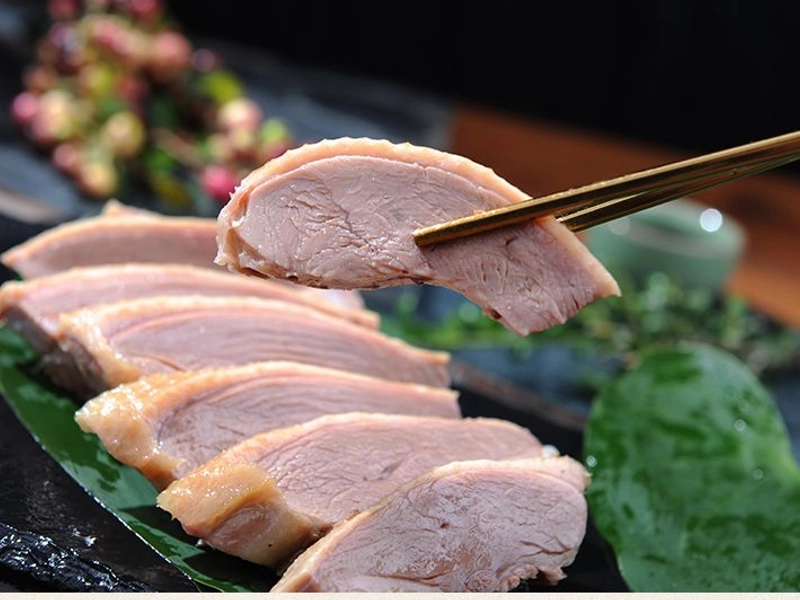
Nanjing, the ancient capital of six dynasties, carries a weighty history and deep culture, with cuisine flowing through its urban lifeblood as another form of history. Along the Qinhuai River, oars tap the water, lanterns flicker, and aromas drift through ancient streets, as if the river itself brings centuries of memory to the palate. Salted duck, tender and fragrant without being greasy, embodies the sweetness and subtle saltiness of the Yangtze River; duck blood vermicelli soup, steaming and flavorful, blends the river’s murmur with the street’s bustle; Jinling roast duck, crisp on the outside and succulent inside, carries the city’s history and cultural depth. In Nanjing, cuisine flows like water, where history, culture, and life converge on the tongue, making it a highlight of Jiangsu tourism.
Tai Lake Elegance — Suzhou’s Refined Taste
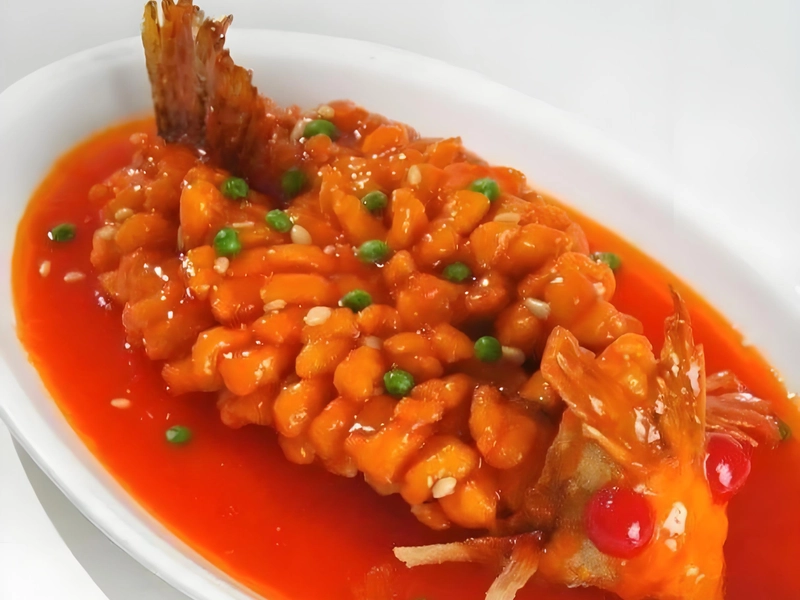
Suzhou cuisine, like its classical gardens, is delicate and elegant. Sweet and sour squirrel-shaped mandarin fish flips flavors on the tongue; hairy crabs from Yangcheng Lake are plump and rich, carrying the lake’s natural sweetness; Suzhou-style mooncakes are fine and soft, exuding Jiangnan culinary grace. Suzhou chefs infuse the agility of water into cooking, making dishes as exquisite as the gardens, letting taste itself echo the rhythms of Jiangsu water towns.
Lake Light Flavors — Wuxi’s Sweet Freshness
Wuxi cuisine balances sweetness and freshness with gentle warmth. Wuxi spare ribs are tender and flavorful, melting in the mouth; Tai Lake whitefish is delicate and light, its soup savory and clear; three-delicacy noodles are supple and rich. Tai Lake nourishes both ingredients and culture, making Wuxi flavors warm, flowing, and alive, revealing the city’s calm vitality for Jiangsu travel enthusiasts.
Canal Aromas — Yangzhou’s Culinary Craft
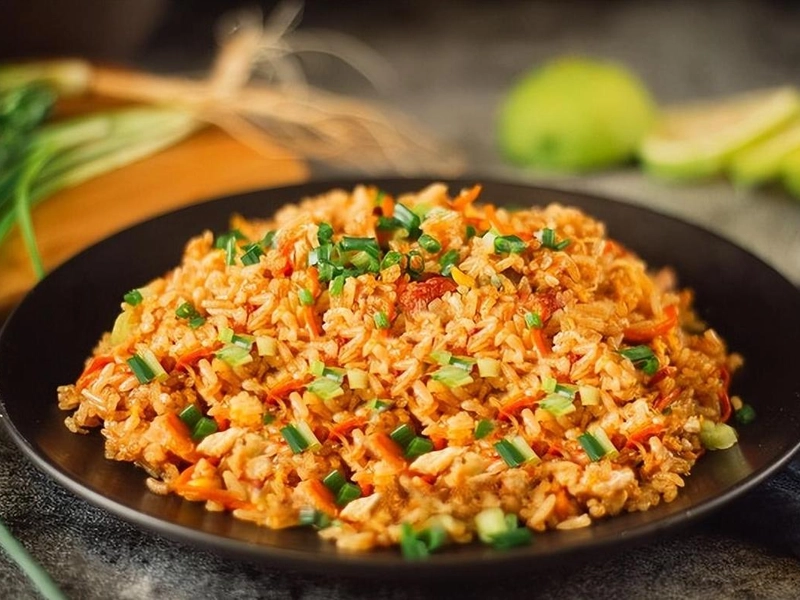
Yangzhou cuisine emphasizes harmony of color, fragrance, and taste, with meticulous presentation. Yangzhou fried rice is aromatic with separate grains; Three-Set Duck layers richness and duck aroma; dried shredded tofu is cut and cooked precisely. Ingredients born from the ancient Grand Canal make Yangzhou cuisine both refined and lively, flowing like water in every bite, offering a taste of canal prosperity and the elegant lifestyle of salt merchants, making it a highlight of Jiangsu culinary tourism.
Waterside Flavors — Nantong, Huaian, and Xuzhou
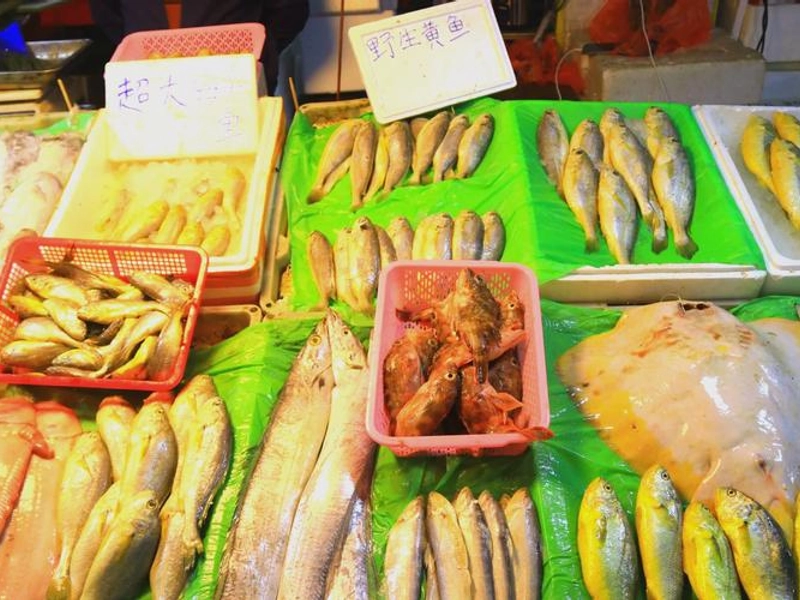
Coastal Nantong delights with fresh seafood: crabs, shrimp, and fish are tender and sweet. Huaian’s river fish are light and fresh, maintaining natural flavors. Xuzhou, in northern Jiangsu, offers hearty, rustic flavors shaped by river and land bounty. River crabs, whitefish, shrimp, rice, and local snacks reveal the diversity of Jiangsu waterways, each bite a gift from water and land.
Jiangsu cuisine is not merely a sensory pleasure—it is a continuation of water culture. Every dish carries the sweetness of rivers and lakes, the aroma of rice, and the craftsmanship of the chef, blending the agility of water with the elegance of Jiangnan culinary culture. Rivers, lakes, and canals flow through cities and towns, and they also flow through the dining table, linking history, life, and modern innovation, allowing Jiangsu water charm to persist on the palate for millennia, making it a highlight of Jiangsu culinary tourism.
Confluence to the Sea — Flowing into the Future
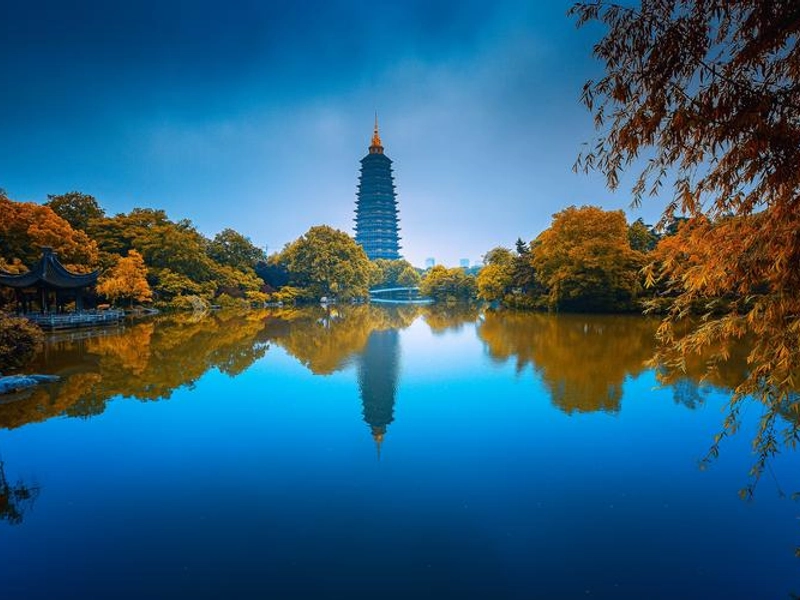
Water embodies Jiangsu travel’s past and future. It flows from the long river of history, carrying the rise and fall of the Six Dynasties, the gentleness of Jiangnan water towns, the prosperity of the Grand Canal, the refinement of salt merchants, and the poetic inspiration of generations of literati. It also bears the memories and emotions of the cities’ inhabitants. The Yangtze River’s grandeur, the Huai River’s length, Tai Lake’s serenity, and the canals’ liveliness converge like countless tributaries, forming Jiangsu’s unique cultural and life rhythm.
Today, this water surges forward with renewed vigor into the currents of the modern era. Nanjing’s technological innovation, Suzhou’s high-tech industries, Wuxi’s modern manufacturing, Yangzhou’s creative culture, and Nantong’s marine economy breathe new life into ancient waters. Rivers and lakes nurture not only cities but also people’s love for life and pursuit of excellence. Here, water and cities, history and modernity converge, creating Jiangnan’s inimitable charm.
Modern Jiangsu, like the Yangtze flowing to the sea, embraces all with a vast and inclusive heart and rides the waves with courage. From the ancient capital to canal cities, from lake scenery to skyscrapers, every waterway and town writes a story of the new era. People draw strength from historical memory and pursue dreams through modern innovation; water’s agility and urban wisdom merge into boundless vitality, surging into the future.
This is Watered Jiangsu—an eternal, flowing epic. It carries millennia of cultural accumulation while conveying modern innovation, linking Jiangsu’s past, present, and future, allowing people to feel the weight of history and the surge of hope in the rhythm of rivers, lakes, and seas, making it a pinnacle of Jiangsu travel and cultural experience.
| Chinese | Pinyin | English | Description |
|---|---|---|---|
| 江苏 | Jiāngsū | Jiangsu | A coastal province in eastern China, famous for water towns and rich culture. |
| 南京 | Nánjīng | Nanjing | Historic capital city of several dynasties, known for city walls and Qinhuai River. |
| 苏州 | Sūzhōu | Suzhou | City famous for classical gardens, canals, and silk culture. |
| 无锡 | Wúxī | Wuxi | City by Tai Lake, known for natural beauty and historic sites. |
| 扬州 | Yángzhōu | Yangzhou | Ancient city along the Grand Canal, famous for salt merchant culture. |
| 太湖 | Tài Hú | Tai Lake | Large freshwater lake in Jiangsu, known for scenery and fisheries. |
| 长江 | Cháng Jiāng | Yangtze River | The longest river in China, flowing through Jiangsu and beyond. |
| 淮河 | Huái Hé | Huai River | Major river in northern Jiangsu, important for history and culture. |
| 大运河 | Dà Yùnhé | Grand Canal | Ancient canal linking north and south China, supporting trade and culture. |
| 江南 | Jiāngnán | Jiangnan | Region south of the Yangtze River, famous for water towns and refined culture. |
| 古典园林 | Gǔdiǎn Yuánlín | Classical Garden | Traditional Chinese garden style, combining nature, architecture, and art. |
| 水乡 | Shuǐxiāng | Water Town | Town built around rivers and canals, typical of southern Jiangsu. |
| 秦淮河 | Qínhuái Hé | Qinhuai River | Famous river in Nanjing, known for scenic and historic streets. |
| 盐水鸭 | Yánshuǐ Yā | Salted Duck | Traditional Nanjing dish, marinated and slightly salty. |
| 阳澄湖大闸蟹 | Yángchéng Hú Dàzhá Xiè | Yangcheng Lake Crab | Famous freshwater crab from Yangcheng Lake, prized for its taste. |
| 昆曲 | Kūnqǔ | Kunqu Opera | Classical Chinese opera style, known for graceful performance and singing. |
Jiangsu Travel FAQ
1. Where is Jiangsu?
Jiangsu is located in eastern China, bordering the Yellow Sea to the east and neighboring Zhejiang, Anhui, and Shandong provinces. It is known for its rich history, culture, and economic development.
2. What makes Jiangsu’s waterways special?
Jiangsu is famous for its rivers, lakes, and canals. The Yangtze River flows with grandeur, the Grand Canal connects historic trade cities, and Tai Lake offers serene landscapes. These waterways shape the culture, economy, and lifestyle of Jiangsu, making them a highlight for travelers.
3. Which attractions highlight Jiangsu’s cultural heritage?
Visit Nanjing’s city wall, Qinhuai River, and Confucius Temple; Suzhou’s Humble Administrator’s Garden; Zhouzhuang and Tongli water towns; and Yangzhou’s Dongguan Street. These sites reflect centuries of Jiangsu history, culture, and water town life.
4. What traditional experiences should travelers not miss?
Travelers should explore classical gardens in Suzhou, take a boat ride along the Grand Canal in Yangzhou, visit fishing villages on Tai Lake, and experience local festivals and boat processions. These activities showcase Jiangsu’s water town culture and historical charm.
5. What are the must-try foods in Jiangsu?
Signature dishes include Nanjing salted duck, duck blood vermicelli soup, Suzhou sweet-and-sour mandarin fish, Yangcheng Lake hairy crab, Yangzhou fried rice, and Wuxi spare ribs. Jiangsu cuisine is known for its freshness, sweetness, and elegance.
6. How does Jiangsu combine history with modern development?
Cities like Nanjing, Suzhou, and Wuxi integrate historical sites with modern industries, high-tech zones, and cultural innovation. Waterways continue to shape urban life, blending heritage with modernity.
7. What are the best lakes and rivers to explore?
The Yangtze River, Huai River, Grand Canal, and Tai Lake offer scenic beauty, historical significance, and opportunities for cultural tourism, from canal towns to lakeside villages.
8. Why is Jiangsu called a “watered land”?
Jiangsu’s landscape is defined by rivers, lakes, and canals, which nourish cities, agriculture, culture, and cuisine. Water shapes both the physical and cultural identity of Jiangsu, giving it a unique charm in eastern China.
9. Which Jiangsu cities are famous for innovation along the waterways?
Nanjing, Suzhou, Wuxi, Yangzhou, and Nantong combine water heritage with modern innovation, from tech parks to smart city projects, making Jiangsu historically rich and economically vibrant.
10. When is the best time to visit Jiangsu?
Spring (March–May) and autumn (September–November) are ideal. Spring brings blooming flowers and lush landscapes, while autumn offers pleasant weather for strolling along canals, lakes, and ancient towns.