Chinese Chicken Dishes: Traditional Recipes, Regional Flavors, and Cultural Significance
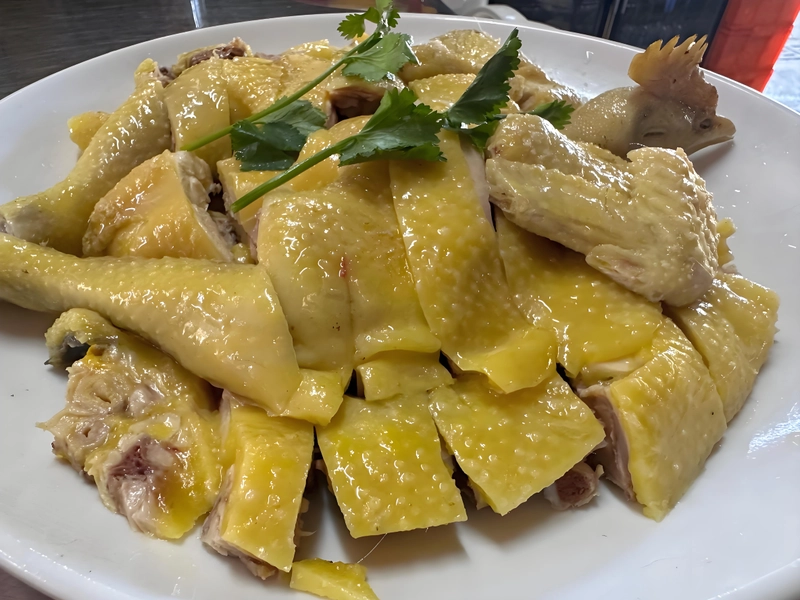
Chicken has been a staple of Chinese cuisine for centuries. More than just a source of protein, chicken in China represents auspiciousness, family reunion, diligence, and abundance. From the icy plains of Northeast China to the subtropical regions of Guangdong and Guangxi, and from Shandong to Henan, Jiangxi, Chongqing, Xinjiang, and Shaanxi, each region has its own unique chicken dishes that reflect local history, climate, and culinary philosophy. For foreign learners of Chinese, exploring these famous Chinese chicken recipes is not only a journey through flavor but also a window into language, culture, and tradition.
Around the world, chicken appears in countless forms. In the southern United States, fried chicken is adored for its golden, crispy skin and juicy, tender meat. In France, roasted chicken slowly cooked with butter and herbs fills kitchens with an irresistible aroma. Southeast Asia boasts Hainanese chicken rice, where tender chicken is served alongside fragrant rice and a ginger-soy sauce, delivering a delicate balance of flavors. Yet, in China, chicken is not just food; it is a vessel of cultural knowledge, linguistic lessons, and life philosophy. Understanding regional Chinese chicken dishes provides a deeper insight into traditional Chinese food and the cultural significance behind every bite.
In Mandarin, the word for chicken, “鸡” (jī), sounds like “吉” (jí), meaning good fortune. This linguistic connection is why chicken often appears at Chinese festivals and celebrations. Serving a whole chicken during the Spring Festival or a wedding symbolizes family reunion and good luck. Chicken also features prominently in idioms and proverbs: “闻鸡起舞” (wén jī qǐ wǔ) represents diligence and motivation, while “金鸡报晓” (jīn jī bào xiǎo) symbolizes hope and a fresh start. Through exploring Chinese chicken dishes, learners can simultaneously discover vocabulary, idiomatic expressions, and cultural insights, making the experience both flavorful and educational.
Northeastern Chinese Chicken Stew: A Traditional Dish
In Northeast China, small chicken stews with mushrooms are a winter staple. Made with farm-raised chickens, wild hazel mushrooms, and homemade vermicelli, this dish exemplifies comfort food. The chicken is simmered over low heat in an iron pot for hours, producing tender meat and a rich, aromatic broth. Served with freshly baked flatbreads, it brings warmth to the cold northern winters. Northeastern Chinese chicken stew is not only a culinary delight but also a social tradition, as neighbors often share their stews to express goodwill. For learners of Chinese, the phrase “热乎乎” (rè hū hū) meaning warm and cozy, is a perfect vocabulary addition to describe the comfort of a home-cooked meal. This dish showcases how regional Chinese food combines simplicity, flavor, and cultural meaning in one pot.
Guangdong White-Cut Chicken: Famous Chinese Chicken Recipe
In southern China, particularly Guangdong and Guangxi, white-cut chicken is a beloved classic. Made with Qingyuan Sanhuang chicken, the meat is poached and then cooled in ice water, ensuring tender, firm meat and skin that is white with a golden hue. Cut into portions, a small trace of blood indicates perfect doneness. White-cut chicken exemplifies the principle of retaining the chicken’s natural flavor, often accompanied by a ginger-soy dipping sauce. Despite its simplicity, precise control of cooking time is essential. White-cut chicken is a staple for festive occasions, symbolizing family unity and good fortune. Chinese learners can use the term “下饭” (xià fàn) to describe this dish, meaning it goes perfectly with rice. The careful knife work and balance of flavors in Guangdong white-cut chicken reflect the Cantonese philosophy of “clear but not bland, fresh but not vulgar,” a hallmark of traditional Chinese food.
Linyi Stir-Fried Chicken: Shandong Specialty
Shandong’s Linyi stir-fried chicken is famous for its rich flavor and bold aroma. Using grass-fed Yimeng Mountain chickens, this dish incorporates a sauce made of sweet bean paste, yellow soybean paste, soy sauce, dark soy sauce, rock sugar, and Shaoxing wine. The chicken is stir-fried with ginger, sautéed until golden, then cooked with Sichuan pepper, star anise, and chili. The result is chicken with a deep red color, spicy aroma, and a taste that lingers. This dish reflects the direct, hearty nature of Shandong cuisine. Learners of Chinese can learn the idiom “色香味俱佳” (sè xiāng wèi jù jiā), meaning “perfect in color, aroma, and taste,” a phrase often used to describe the quality of food or other outstanding things. Linyi stir-fried chicken demonstrates how regional Chinese chicken dishes convey both flavor and cultural identity, making it one of the best chicken dishes in China.
Henan Daokou Roast Chicken: Historical and Cultural Significance
Daokou roast chicken, originating from Daokou Town in Henan Province, has over 300 years of history and is often called “China’s number-one chicken.” Made with young tender chickens and seasoned with dried tangerine peel, clove, sand ginger, and other spices, it is slowly braised in an aged broth. The chicken is golden, the bones tenderly separate from the meat, and the aroma is deeply infused. Even Emperor Jiaqing of the Qing Dynasty praised it as “perfect in color, aroma, and taste.” This dish is both a culinary masterpiece and a cultural symbol of respect and auspiciousness. Chinese learners can incorporate “色香味三绝” (sè xiāng wèi sān jué) into their vocabulary while exploring this famous Chinese chicken recipe.
Jiangxi Three-Cup Chicken: Traditional Chinese Chicken Recipe
Sanbeiji, or Three-Cup Chicken, from Ningdu, Jiangxi, has a history of over 700 years. Made with Sanhuang chicken, stir-fried with green and red peppers, and simmered with equal parts soy sauce, rice wine, and lard, it is slowly cooked until the sauce thickens. The chicken is tender and aromatic, with a flavor that balances sweet and salty, making it perfect with rice. The “three-cup” concept reflects the harmony of ingredients and cooking wisdom. Chinese learners can note the term “入味” (rù wèi), meaning fully flavored, and “一杯” (yī bēi, one cup) to understand cooking proportions. Historical associations with Song Dynasty prime minister Wen Tianxiang add cultural depth to this delicious dish.
Chongqing Spicy Chicken: Signature Sichuan Dish
Laziji, or Chongqing spicy chicken, is renowned for its fiery flavor. Chicken pieces are coated in flour, deep-fried until golden, and stir-fried with ginger, garlic, Sichuan pepper, and dried chili. The chicken is crispy outside and tender inside, with an intense spicy aroma. The vivid red chilies and golden chicken create a visually appealing dish. Laziji embodies the warmth, hospitality, and bold character of Sichuan cuisine. Learners can use the phrase “麻辣鲜香” (má là xiān xiāng) to describe spicy, flavorful food, a term commonly associated with Sichuan dishes. It is a popular festival dish, symbolizing abundance and lively celebrations.
Xinjiang Big Plate Chicken: Flavorful Regional Specialty
Dapanji, or Big Plate Chicken from Xinjiang, combines chicken, potatoes, green peppers, and onions in a rich, spicy sauce, traditionally served with pulled noodles. The chicken is tender, the potatoes absorb the sauce, and every bite is a harmonious blend of flavors. “Big plate” signifies generosity and festive abundance. Chinese learners can pick up words like “丰盛” (fēng shèng, abundant) and “热闹” (rè nào, lively) while exploring regional Chinese food. This dish demonstrates how Chinese chicken dishes are both hearty and culturally meaningful.
Xi’an Hulu Chicken: Traditional Shaanxi Recipe
Huluji, or Gourd Chicken, from Xi’an, is prepared by blanching, ice-bathing, steaming, and finally deep-frying. The skin is crisp, the meat tender and juicy, and the dish’s presentation symbolizes good fortune. Descriptive terms such as “皮酥肉嫩” (pí sū ròu nèn, crisp skin and tender meat) and “油而不腻” (yóu ér bù nì, oily but not greasy) enhance learners’ culinary vocabulary. Huluji reflects Shaanxi’s rich banquet culture and the value placed on hospitality.
From Northeast China to Shaanxi
From Northeast China to Guangdong and Guangxi, from Shandong to Henan, and onward to Jiangxi, Chongqing, Xinjiang, and Shaanxi, chicken showcases the diversity of Chinese cuisine. Each dish delights the palate and conveys history, culture, and life wisdom. Chicken in China symbolizes good fortune, family reunion, diligence, and abundance. Idioms such as “闻鸡起舞” and “金鸡报晓” convey perseverance and hope. By exploring these famous Chinese chicken recipes, learners of Chinese gain insight into language, culinary arts, and cultural philosophy.
Chinese chicken dishes are more than food; they are cultural artifacts, artistic expressions on the dining table, auspicious symbols during festivals, and bridges connecting history with everyday life. Savoring their flavor is like taking a journey into Chinese culture, satisfying both taste and heart. Every time chicken is cooked and shared, it is not just a culinary experience but a cultural transmission and learning opportunity. In China, chicken is not merely “chicken flavor”—it represents tradition, language, values, and the essence of daily life itself.
These are just some of the chicken dishes we’ve introduced today, but in China, they are only the tip of the iceberg. To truly discover and savor more Chinese chicken delicacies, you need to explore and find the flavors that best suit your own taste.
Related Vocabulary
| Chinese | Pinyin | English |
|---|---|---|
| 鸡 | jī | chicken |
| 白切鸡 | bái qiē jī | white-cut chicken |
| 小鸡炖蘑菇 | xiǎo jī dùn mó gū | Northeastern chicken stew with mushrooms |
| 三杯鸡 | sān bēi jī | Three-cup chicken |
| 道口烧鸡 | dào kǒu shāo jī | Daokou roast chicken |
| 辣子鸡 | là zǐ jī | Chongqing spicy chicken |
| 大盘鸡 | dà pán jī | Big Plate Chicken |
| 葫芦鸡 | hú lú jī | Hulu Chicken |
| 闻鸡起舞 | wén jī qǐ wǔ | to rise at the sound of a rooster and practice diligently |
| 金鸡报晓 | jīn jī bào xiǎo | golden rooster heralds the dawn |
| 麻辣鲜香 | má là xiān xiāng | numbing, spicy, fresh, and flavorful |
| 入味 | rù wèi | fully flavored |