China Travel Guide: Explore Public Transport and Transportation Options in China
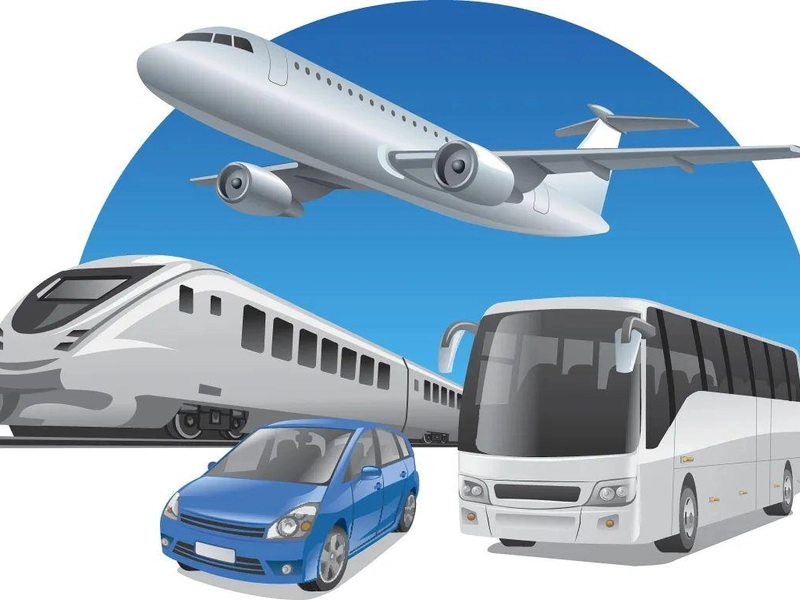
China's transportation system is extensive and diverse, covering high-speed rail, intercity trains, metro systems, buses, taxis, ride-hailing services, bicycles, and shared bikes. A well-developed transportation network not only supports China's fast-growing economy but also facilitates tourism and daily commuting, allowing people to move seamlessly between cities and rural areas.
Understanding transportation in China is essential for tourists, international students, and business travelers. It improves travel efficiency and helps plan itineraries while experiencing the rich culture and urban landscapes of China.
Rail Transportation in China
High-Speed Rail (HSR)
China’s high-speed railway network is among the largest in the world. It connects major cities and economic hubs, significantly reducing travel time while providing a comfortable and efficient experience. High-speed trains in China are essential for both business travel and tourism, while supporting regional development and urban clusters. High-speed rail stations usually offer complete passenger facilities, commercial services, and information guidance, making travel convenient and comfortable.
Conventional Rail
Conventional rail includes passenger trains, EMUs, and intercity express trains. They serve long-distance and medium-distance travel, as well as daily commuting between cities. Conventional rail also supports freight transport, ensuring smooth logistics and supply chain efficiency, which is critical for economic activities across regions.
Urban Rail Transit
Subways, light rail, and trams provide efficient urban mobility, reduce traffic congestion, and support sustainable city transport. Urban rail networks link residential areas, business districts, and suburban regions, making them an integral part of China’s public transportation planning.
Rail Interchange with Other Transport
Railway stations integrate seamlessly with airports, subways, and bus networks, offering efficient transfer options. Smart ticketing, clear signage, and real-time information improve rail-to-city connectivity, supporting both local commuting and long-distance travel.
Road Transportation
Buses
Buses remain a crucial mode of urban transport, including regular and rapid bus services. Rapid buses use dedicated lanes and priority signaling for fast commuting, complementing metro and light rail systems, and helping maintain smooth traffic flow.
Taxis and Ride-Hailing Services
Taxis and ride-hailing apps provide flexible, on-demand transport. Users can book vehicles in real time and pay digitally. Regulatory oversight ensures safety, fair pricing, and quality service for all passengers.
Private Vehicles
Private car ownership is increasing, with traffic management policies and environmental regulations promoting sustainable mobility. Electric vehicles and hybrid cars are becoming common, supported by extensive charging infrastructure.
Shared Mobility
Shared bicycles, scooters, and e-bikes solve “last-mile” travel problems. Mobile apps enable real-time bike rental, navigation, and smart payment, supporting low-carbon, flexible urban travel.
Other Road Vehicles
Motorcycles, electric tricycles, and long-distance buses remain important in smaller cities and rural areas, complementing the public transport network and providing reliable regional connectivity.
Air Transportation
Domestic Flights
China has a comprehensive domestic airline network connecting major cities and economic centers. Air travel offers an efficient option for long-distance trips, supporting both tourism and business travel.
Regional Aviation
Regional flights connect secondary and tertiary cities, including remote areas, supplementing rail and road networks, and contributing to regional economic and tourism development.
Airport and Ground Transportation Integration
Airports integrate with subways, buses, taxis, and airport express lines for seamless connectivity, ensuring efficient travel between airports and city centers. Many airports also provide parking, bike facilities, and shared mobility services.
Water Transportation
Ferries and Passenger Ships
China’s inland waterways connect cities and towns along major rivers. Ferries and passenger ships serve daily commuting needs and support freight transport, improving regional connectivity.
Tourism Cruises
Cruise tourism is growing along coastal cities, offering short or multi-day sea trips, enhancing travel experiences and stimulating the coastal tourism industry.
Specialized Water Transport
Local watercraft serve specific commuting needs and act as cultural and tourist attractions, reflecting regional transportation traditions.
Payment Methods and Travel Tips
Transport Cards and Electronic Payment
China’s transportation system supports traditional transport cards and digital payments, offering flexibility and convenience.
- Transport Cards: Widely used in subways, buses, taxis, and ferries, supporting online recharge and automatic payment.
- Electronic Payment: Covers almost all transportation modes via QR code or NFC, integrated with travel apps. Popular options include:
- WeChat Pay: Linked to domestic or international bank cards.
- Alipay: Supports tourist payments and transport card top-ups.
- UnionPay / Cloud QuickPass: Accepted at ticket machines, parking, and subway gates.
- Apple Pay / Google Pay: Compatible with NFC-enabled transit systems.
- City Transport Apps: Online recharge, QR code rides, temporary tourist accounts.
- Tourist-specific passes: Short-term metro and bus passes for foreign visitors.
Travel Tips
- Avoid Peak Hours: Early morning and evening commutes are crowded.
- Follow Safety Rules: Observe traffic laws, safeguard belongings.
- Use Travel Apps: Navigation, real-time traffic updates, booking services, and integrated planning.
Innovation and Future Trends
China’s transportation is evolving towards intelligent, green, and multi-modal mobility. Autonomous and smart vehicles are being piloted, while electric and hydrogen buses promote low-carbon urban travel. Integrated multi-modal platforms with unified payment and ticketing improve efficiency. 5G, IoT, and big data are widely applied for traffic management, signal control, and road monitoring.
Policy and Regulation
Transportation development relies on national policies and city-level regulations, including traffic restrictions, public transit prioritization, and incentives for low-carbon travel. These measures ensure efficient operation, sustainable development, and convenient travel for all residents and visitors.
Related Vocabulary
| Chinese | Pinyin | English |
|---|---|---|
| 高速铁路 | gāosù tiělù | High-speed rail |
| 普通铁路 | pǔtōng tiělù | Conventional railway |
| 城市轨道交通 | chéngshì guǐdào jiāotōng | Urban rail transit |
| 公共汽车 | gōnggòng qìchē | Bus |
| 出租车 | chūzū chē | Taxi |
| 网约车 | wǎngyuē chē | Ride-hailing |
| 私家车 | sījiā chē | Private car |
| 共享单车 | gòngxiǎng dānchē | Shared bicycle |
| 飞机 | fēijī | Airplane |
| 邮轮 | yóulún | Cruise ship |
| 渡轮 | dùlún | Ferry |
| 电子支付 | diànzǐ zhīfù | Electronic payment |
| 微信支付 | Wēixìn zhīfù | WeChat Pay |
| 支付宝 | Zhīfùbǎo | Alipay |
| 银联卡 | Yínlián kǎ | UnionPay |
| 出行APP | chūxíng APP | Travel app |
FAQ – Transportation in China
- What are the main modes of transportation in China?
A: China offers a wide range of transportation options, including high-speed rail, conventional railways, urban metro systems, buses, taxis, ride-hailing services, private cars, shared bicycles, airplanes, ferries, and cruise ships. - How efficient is public transport in China?
A: Urban metro and bus networks provide frequent services with high punctuality, while high-speed rail and domestic flights connect major cities efficiently. Ride-hailing apps further enhance convenience. - How do visitors pay for transportation in China?
A: Payment is simple with transportation cards or mobile electronic payment platforms such as WeChat Pay, Alipay, and UnionPay. Tourists can use international versions or tourist-specific features for short-term use. - Are there tips for using transportation in China as a tourist?
A: Avoid peak travel hours, follow traffic rules, and use travel apps for navigation, booking trains, flights, and hotels. - What innovations are shaping the future of transportation in China?
A: Smart cars, autonomous vehicles, electric buses, multi-mode travel apps, and smart infrastructure using 5G and IoT. - How is transportation regulated and supported by policy in China?
A: Strategic policies and city-level measures ensure efficient transport, congestion control, public transit prioritization, and low-carbon travel promotion.