China National Day 2025 — The “Super Golden Week” of China
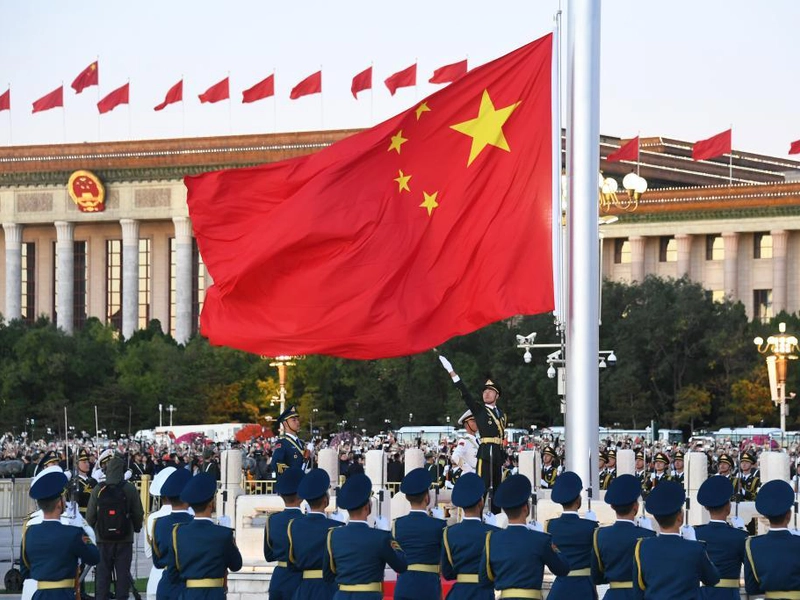
China National Day 2025, also known as the start of the Super Golden Week holiday in China, is one of the busiest times for domestic and international tourism. Every early October, China celebrates one of its most important annual holidays — National Day. Since the founding of the People’s Republic of China on October 1, 1949, this day has symbolized the birth of the nation and has become a time for millions of Chinese to enjoy leisure, travel, and cultural experiences. In 2025, National Day is particularly special as it coincides with the Mid-Autumn Festival, forming an eight-day “Super Golden Week.” With weekends and adjusted workdays, this holiday can extend up to fifteen consecutive days, creating the longest holiday period in recent memory. This Super Golden Week not only provides ample leisure time for the public but also fuels unprecedented growth in tourism, hospitality, retail, and transportation sectors.
Golden Week tourism exceeded 765 million trips in 2024. According to forecasts, domestic tourist numbers could reach approximately 850 million, generating nearly 980 billion RMB in tourism revenue. Such enormous visitor flows put significant pressure on transportation systems and scenic site management, highlighting the rapid evolution of China’s consumer market and diversified tourism landscape. In this context, National Day has evolved beyond a traditional holiday, becoming a comprehensive reflection of society, economy, culture, and even international influence.
The Historical and Cultural Origins of China’s National Day
China’s National Day is inseparable from the founding of the country. On October 1, 1949, Mao Zedong solemnly proclaimed the establishment of the People’s Republic of China at Tiananmen Square. From that moment, October 1 became National Day, a day to commemorate the birth of modern China.
In the early years, National Day celebrations were primarily political, centered around official ceremonies. The flag-raising ceremony at Tiananmen Square, mass gatherings, and military parades were key features. During the 1960s and 1970s, some celebrations were restricted due to historical circumstances. However, with the reform and opening-up policy, National Day festivities gradually diversified, encompassing cultural performances, tourism events, and local entertainment, becoming an essential part of social life.
Today, National Day not only carries historical memory but also serves as a platform to showcase China’s national strength, cultural confidence, and contemporary lifestyle. From the iconic flag-raising ceremony in Beijing to light shows and performances in cities nationwide, National Day has become a unique intersection of national symbolism and daily life.
China National Day Celebrations 2025: Tiananmen Flag-Raising & Citywide Events
The Tiananmen flag-raising ceremony is the most emblematic official event of National Day. Each October 1, at dawn, the color guard raises the five-star red flag to the solemn notes of the national anthem, attracting tens of thousands of visitors and locals. Standing in the square, some watch in silence, while others capture the moment on their phones. For many, this is more than a visual spectacle; it is an emotional experience symbolizing national pride, independence, and unity.
On major anniversaries, such as the 50th or 60th year since the founding of the PRC, military parades and mass performances reach their peak. Military formations demonstrate China’s modern defense capabilities, while cultural troupes showcase traditional dances and folk performances, reflecting the nation’s rich cultural diversity. In recent years, these parades have integrated modern technology and multimedia, allowing audiences to witness both China’s military strength and development achievements.
Beyond Beijing, cities across China host diverse celebrations. Shanghai’s Bund features spectacular light shows, Guangzhou presents grand float parades, and Harbin hosts cultural performances. Streets, squares, and parks are adorned with red lanterns, banners, and colorful flags. Nightly fireworks illuminate the sky, creating festive atmospheres that highlight local culture and attract both domestic and international visitors.
China Golden Week 2025: Economic Impact, Travel Trends & Social Value
China’s National Day Golden Week is more than a statutory holiday; it carries deep political, cultural, economic, and social significance. It allows people to celebrate the nation’s founding while fostering cultural identity and social cohesion.
Politically, flag-raising ceremonies, parades, and public celebrations reinforce national identity. Media coverage and live broadcasts enable those unable to attend to participate virtually, experiencing the solemnity and festivity of the occasion. Culturally, the Golden Week often coincides with the Mid-Autumn Festival, creating an atmosphere of family reunion, traditional customs, and community engagement — embodying the values of harmony, sharing, and togetherness.
Economically, Golden Week represents one of China’s most important domestic tourism and consumption periods. In 2023–2024, domestic travel exceeded 600 million trips, generating over 450 billion RMB in tourism revenue. Rail passenger flows peaked above 15 million per day. Emerging sectors like cultural tourism, digital entertainment, sports events, and themed experiences have grown rapidly, stimulating industrial innovation and economic diversification.
From a social welfare perspective, the long holiday provides paid leisure time, improving work-life balance, promoting family reunions, and enhancing overall happiness. On an international scale, China demonstrates its organizational capacity and cultural soft power through large-scale events, attracting foreign attention and enhancing the nation’s global image.
The Tourism Boom of the “Super Golden Week”
The Golden Week is China’s peak domestic travel period, and 2025 is set to surpass all previous records. An estimated 850 million travelers will embark on journeys across the country, from major cities to rural destinations, creating unprecedented movement.
Travel preferences are increasingly diversified: weekend trips, family vacations, cultural and historical tours, and rural exploration all gain popularity. Young travelers prefer long-distance driving, music festivals, theme parks, and anime or pop culture experiences, while older tourists favor cultural sightseeing and wellness trips. International travel remains vibrant, with Japan, Thailand, and South Korea as top destinations. In 2025, outbound tourism bookings are expected to rise by 130% year-on-year.
Cities and scenic spots face dual challenges. Beijing and Shanghai remain the most visited destinations: Beijing welcomed 21.59 million tourists in 2024, generating 26.88 billion RMB in revenue; Shanghai received 18.62 million tourists, earning 35.0 billion RMB. Meanwhile, western provinces like Sichuan and Shaanxi saw visitor growth above 10%, and 5A-level scenic spots experienced a 21% increase in attendance, indicating the spread of tourism to inland and smaller cities.
The rise of viral attractions and short-video promotions brings new visitors to traditional lesser-known destinations but also poses challenges for environmental protection, safety, and crowd management.
Traffic and accommodation pressures are significant. Highway traffic is projected to increase 55%, with rail passenger flows exceeding 15 million per day at peak periods. National hotel occupancy averages over 80%, and top-tier cities approach 95%. Governments and enterprises must coordinate transportation and lodging in advance to ensure safe and smooth travel.
Tourism consumption is evolving, with a shift from sightseeing to deep cultural experiences, theme entertainment, family-oriented travel, and senior tourism. Attractions offer festival performances, intangible cultural heritage demonstrations, and themed educational trips, allowing tourists to experience local culture. The growth of family, senior, and rural tourism drives development in accommodation, dining, and retail, while stimulating innovation in cultural products and specialized travel routes.
Cultural Practices and Festive Experiences
National Day is both a political commemoration and a cultural celebration. Flag-raising and military parades at Tiananmen Square exude solemnity, while city streets, squares, and parks are adorned with red flags and lanterns. Music concerts, theater performances, dance shows, and light displays enrich the festival atmosphere, and evening fireworks symbolize prosperity and happiness.
Family reunions are central to the celebration. Relatives gather to enjoy traditional meals, expressing both family affection and national pride. Golden Week tourism is a key activity, with millions visiting mountains, rivers, and cultural sites, experiencing regional diversity and ethnic heritage. Highway toll exemptions for small vehicles facilitate family road trips.
Education and awareness activities also play an important role. Schools and organizations conduct patriotic education, including viewing flag-raising, parades, and performances, fostering pride and unity. Local traditions, such as horse racing in Sanjiang County, Guizhou, attract visitors annually, enriching cultural experiences.
These practices illustrate the integration of state rituals with everyday life, combining solemn symbols with family warmth and vibrant cultural expression.
Multi-Dimensional Impacts on Society
The 2025 Super Golden Week is not just a celebration but a lens to observe China’s economy, culture, social governance, and public services.
Consumer behavior is increasingly segmented. Long holidays provide “time dividends,” promoting slow-consumption trends like digital queue systems and smart energy management. Livestream sales, community group-buying, and short-video marketing have penetrated the market. Retail sales during the holiday are projected at 5 trillion RMB, with per capita consumption rising 17.6%. While high-end tourism and themed entertainment grow, free attractions and budget dining remain popular, reflecting consumption diversity.
Travel pressure is enormous. Rural and nearby excursions dominate, with travel distances increasing 25%. Tourism generates approximately 1.5 million new jobs in hospitality, catering, and logistics. Highway toll exemptions increase traffic volume by 55%, and rail and road networks experience dual-peak flows. Tourism revenue is expected at 980 billion RMB, with per capita spending ranging from 1,245 to 1,445 RMB, particularly in Beijing and Shanghai.
Social well-being benefits from the long holiday. Eight-day vacations relieve workplace stress, with 86% of respondents expressing satisfaction. Different age groups show distinct holiday preferences: young people favor road trips and themed entertainment, middle-aged men focus on short-term income, and seniors prioritize wellness. Meanwhile, traditional customs and marriage trends are subtly affected, reflecting economic and lifestyle influences.
Digital services significantly improve public management efficiency. Electronic tickets, mobile payments, and online bookings reduce queues and congestion by 30%. Public safety measures, including 55,000 security personnel and 2,800 monitoring points, ensure traffic, security, and fire safety. Real-time congestion alerts and traffic diversion maintain order.
Holiday adjustments and welfare activities, such as “5 RMB National Day cinema tickets,” enhance cultural life at the grassroots level and spark discussion on fairness in holiday scheduling, reflecting public attention to policy design.
Foreign Travelers’ Guide to China During National Day
For international visitors, the 2025 Golden Week offers an ideal opportunity to experience China’s culture, cities, and landscapes. China has recently expanded transit visa exemptions for selected countries, allowing travelers from Southeast Asia, Japan, and Korea to enter via e-visa. Major cities like Beijing and Shanghai offer museums and parks with English guides, accessible via mobile apps or rental devices.
Pre-trip planning includes checking weather, transportation updates, and booking tickets and accommodations in advance to avoid peak congestion. Recommended destinations include scenic, less crowded areas such as autumn foliage spots, coastal regions, and grasslands. Major cities—Beijing, Shanghai, Guangzhou, Shenzhen, Chengdu, Chongqing, Xiamen, Qingdao, Hangzhou, and Xi’an—remain popular, with English-language services available. Cultural workshops, festival activities, and local cuisine provide deep and immersive experiences.
Travel tips: Highway toll exemptions for small cars facilitate road trips, but traffic peaks require advance planning. High-speed rail and flights are busy; early reservations are essential. Urban travel is convenient via shared bicycles or ride-hailing. Mobile payments make shopping and dining seamless.
Visitors should respect cultural etiquette: remain quiet in temples, follow photo regulations, queue orderly in public, protect the environment, and make informed choices in tourism purchases. In emergencies, dial 110 (police), 120 (medical), or 119 (fire), or contact your embassy or consulate.
Visa exemptions for selected countries. Visa Exemption Policy.Tip: Plan early, book accommodation in advance, monitor traffic, and respect local customs to avoid crowds and fully enjoy China’s autumn scenery and cultural richness.
Conclusion
China’s 2025 National Day, marked by the “Super Golden Week,” sets new records and illustrates the evolution of the holiday from a simple commemoration to a multi-dimensional social, economic, and cultural event. The extended holiday fosters domestic consumption and tourism growth, advances digital public services, promotes cultural heritage, and inspires innovative lifestyles. The holiday’s tourism surge, consumption upgrade, social governance, public service efficiency, and policy discussions reflect China’s modern societal complexity.
National Day is more than a patriotic holiday; it is a festival of culture, economy, and life. Every flag-raising ceremony, journey, and family reunion tells the story of Chinese people’s love for their country, pursuit of a better life, and dedication to cultural preservation. For foreign tourists, it is both a sightseeing experience and a living lesson in Chinese culture. Looking forward, through optimized holiday policies, enhanced digital governance, and balanced consumption strategies, the Golden Week will continue to serve as a unique platform for social, economic, and cultural impact.
Related Vocabulary
| Chinese | Pinyin | English |
|---|---|---|
| 国庆节 | Guóqìng Jié | National Day |
| 超级黄金周 | Chāojí Huángjīn Zhōu | Super Golden Week |
| 天安门 | Tiān’ānmén | Tiananmen |
| 升旗仪式 | Shēngqí Yíshì | Flag-Raising Ceremony |
| 阅兵 | Yuèbīng | Military Parade |
| 旅游 | Lǚyóu | Tourism / Travel |
| 景区 | Jǐngqū | Tourist Attraction |
| 家庭旅游 | Jiātíng Lǚyóu | Family Travel |
| 自驾游 | Zìjià Yóu | Self-Drive Travel |
| 消费升级 | Xiāofèi Shēngjí | Consumption Upgrade |
| 烟花晚会 | Yānhuā Wǎnhuì | Fireworks Display |
| 家庭团聚 | Jiātíng Tuánjù | Family Reunion |
| 节日活动 | Jiérì Huódòng | Holiday Activities |
For travelers planning China tours during Golden Week 2025, early preparation is the key to enjoying this national celebration.