The Meaning and Cultural Significance of the Chinese Character “风” (Wind)
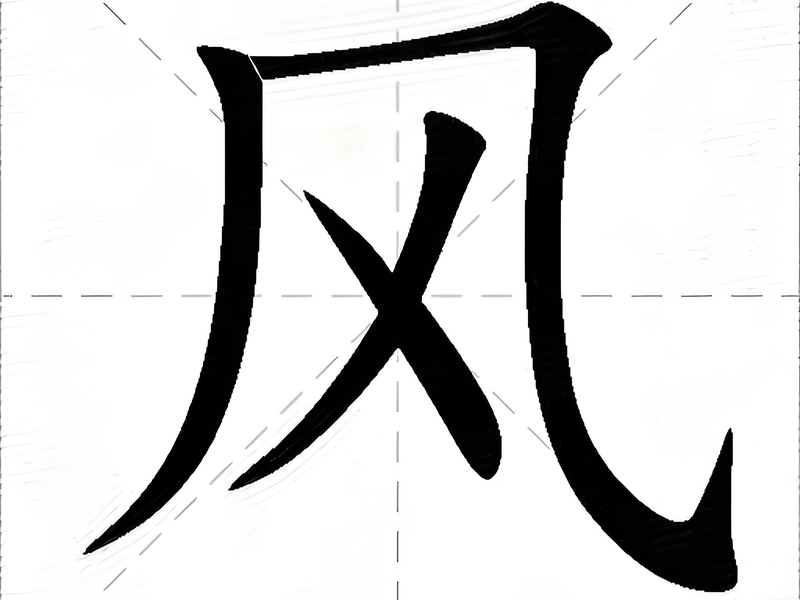
Simplified: 风
Pinyin: fēng
Meaning: wind / air / style / trend
The Chinese character “风” (fēng, wind) represents wind, air, and movement. Understanding this character helps learners explore Chinese language, culture, natural phenomena, and expressions related to air, weather, and social trends.
Basic Meaning of “风”
Originally, “风” depicts wind blowing, symbolizing movement and natural force. As a fundamental Chinese character, 风 reflects nature, weather, energy, and metaphorical influence. Learning the meaning of 风 in Chinese helps learners understand expressions related to wind, air, natural phenomena, cultural concepts, and daily life.
Common Combinations with “风”
- 风景 (fēng jǐng, scenery): Refers to natural landscapes and beautiful views.
- 风力 (fēng lì, wind power): Refers to wind as a natural energy source.
- 风速 (fēng sù, wind speed): Measurement of wind strength, used in weather reports.
- 风格 (fēng gé, style): Refers to style, manner, or trend, metaphorically derived from wind.
- 风俗 (fēng sú, custom): Represents social customs and cultural practices.
- 风暴 (fēng bào, storm): Refers to storms, metaphorically indicating turmoil or rapid change.
These combinations show how “风” extends from literal wind to natural energy, weather, culture, and social trends.
Extended Meanings of “风”
- Natural phenomenon: Wind, storms, air currents
- Energy and environment: Wind power, ventilation, climate
- Cultural and social: Style, trends, customs, behavior
- Literature and art: Metaphor for change, freedom, and movement
Understanding these uses allows learners to see how 风 appears in Chinese science, daily life, literature, and cultural expressions.
Cultural and Symbolic Significance
- Nature and weather: Representing wind, climate, and natural forces
- Freedom and movement: Symbolizing flexibility, freedom, and change
- Culture and tradition: Used in expressions such as 风俗 (customs) and 风雅 (elegance)
- Literature and art: Often used metaphorically to depict style, influence, or the transient nature of life
Usage and Context of “风”
- Nouns: wind, breeze, storm, custom, style
- Adjectives/verbs: windy, to blow, trend-setting
- Literary and cultural expressions: describing nature, weather, social trends, or stylistic influence
Learning the different contexts of 风 helps learners understand its versatility and role in daily life, natural phenomena, culture, literature, and metaphorical expressions.
Summary: Why “风” is More Than Just Wind
Originating as a pictograph for wind, “风” has developed into a versatile Chinese character representing nature, energy, freedom, style, and cultural influence. In Chinese language and culture, it conveys not only natural phenomena but also social trends, literary metaphors, and symbolic expressions. By understanding the meaning, usage, and symbolism of 风, learners can explore Chinese vocabulary, literature, and cultural expressions related to wind, weather, air, style, and customs.
Related Vocabulary
| 中文 | Pinyin | English |
|---|---|---|
| 风 | fēng | wind / air / style / trend |
| 风景 | fēng jǐng | scenery / landscape |
| 风力 | fēng lì | wind power |
| 风速 | fēng sù | wind speed |
| 风格 | fēng gé | style / manner |
| 风俗 | fēng sú | custom / social practice |
| 风暴 | fēng bào | storm |
| 和风 | hé fēng | gentle breeze |
| 风向 | fēng xiàng | wind direction |
| 风采 | fēng cǎi | elegance / demeanor |