The Meaning and Cultural Significance of the Chinese Character “防” (Protect / Defense)
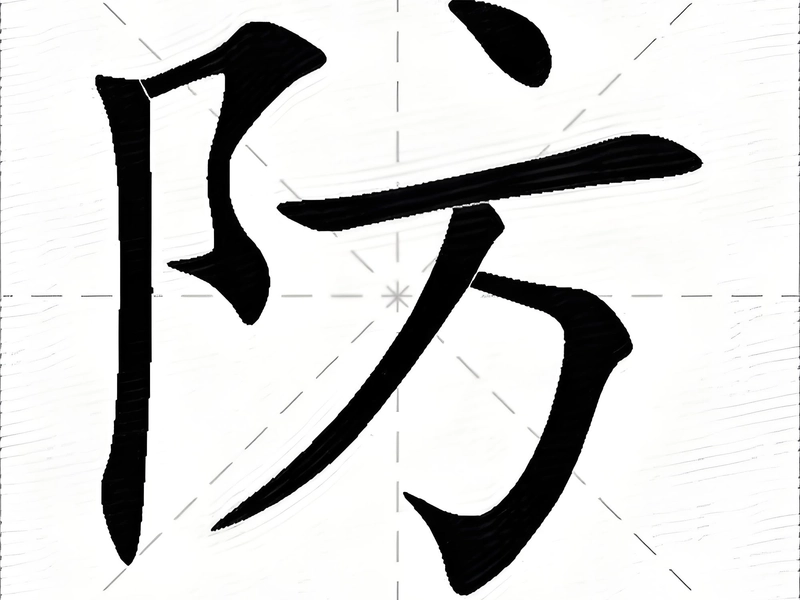
Simplified: 防
Pinyin: fáng
Meaning: protect / defense / prevent
The Chinese character “防” (fáng) represents protection, defense, and prevention. Understanding this character helps learners explore Chinese language, culture, and concepts related to safety, security, and caution in daily life, military terms, and idiomatic expressions.
Basic Meaning of “防”
Originally, “防” depicts a protective or defensive action. As a fundamental Chinese character, 防 reflects defense, precaution, and safeguarding. It appears in contexts related to security, protection, and prevention in both personal and public life.
Common Combinations with “防”
- 防护 (fáng hù, protection): Refers to measures for safeguarding something or someone.
- 防止 (fáng zhǐ, prevent): To take action to avoid something undesirable.
- 防御 (fáng yù, defense): Refers to defensive actions, often used in military or security contexts.
- 防火 (fáng huǒ, fire prevention): Measures taken to prevent fire hazards.
- 防盗 (fáng dào, theft prevention): Refers to actions or equipment designed to prevent theft.
- 防疫 (fáng yì, epidemic prevention): Measures to prevent disease spread.
Extended Meanings of “防”
- Protection and defense: Safeguarding oneself, others, or property.
- Precautionary actions: Preventive measures to avoid accidents or risks.
- Security and safety: Measures to ensure stability, health, and well-being.
- Literature and culture: Represents caution, foresight, and defensive strategies in historical or philosophical contexts.
Cultural and Symbolic Significance
- Security and safety: Symbolizes the importance of caution and risk management in both personal and public domains.
- Precaution and preparedness: Reflects the cultural value of being proactive in preventing harm.
- Defensive strategies: Often associated with military tactics, political stability, and personal well-being.
- Literature and philosophy: Represents wisdom in anticipating dangers and safeguarding peace and prosperity.
Example Sentences
- 这座城市有严格的防火措施。
Zhè zuò chéng shì yǒu yán gé de fáng huǒ cuò shī.
This city has strict fire prevention measures. - 防止病毒传播是每个人的责任。
Fáng zhǐ bìng dú chuán bō shì měi gè rén de zé rèn.
Preventing the spread of the virus is everyone’s responsibility. - 我们需要加强防御,保卫家园。
Wǒ men xū yào jiā qiáng fáng yù, bǎo wèi jiā yuán.
We need to strengthen our defenses to protect our homeland. - 他的防盗设备非常先进。
Tā de fáng dào shè bèi fēi cháng xiān jìn.
His anti-theft devices are very advanced.
Related Vocabulary
| 中文 | Pinyin | English |
|---|---|---|
| 防 | fáng | protect / defense / prevent |
| 防护 | fáng hù | protection / safeguard |
| 防止 | fáng zhǐ | prevent |
| 防御 | fáng yù | defense / defensive strategy |
| 防火 | fáng huǒ | fire prevention |
| 防盗 | fáng dào | theft prevention |
| 防疫 | fáng yì | epidemic prevention |
FAQ: Common Questions About 防
- Q1: Can 防 be used in both physical and abstract contexts?
A: Yes. 防 can refer to physical protection or defense (防火, 防盗) and abstract concepts like prevention and precaution (防止, 防疫). - Q2: How is 防 used in daily life?
A: It appears in safety measures, precautionary actions, and security-related contexts such as fire safety, theft prevention, and disease control. - Q3: Is 防 important in Chinese culture?
A: Yes, 防 reflects the cultural value of protection, foresight, and stability, especially in personal safety and societal well-being. - Q4: How can learners remember 防?
A: Think of 防 as defense or protection → It represents safeguarding against harm or risk in both literal and metaphorical contexts. The left part 户 is a “door / household,” and the right part 方 suggests “direction / square space,” together symbolizing protecting the household.