The Meaning and Cultural Significance of the Chinese Character “许” (Allow / Promise / Permit)
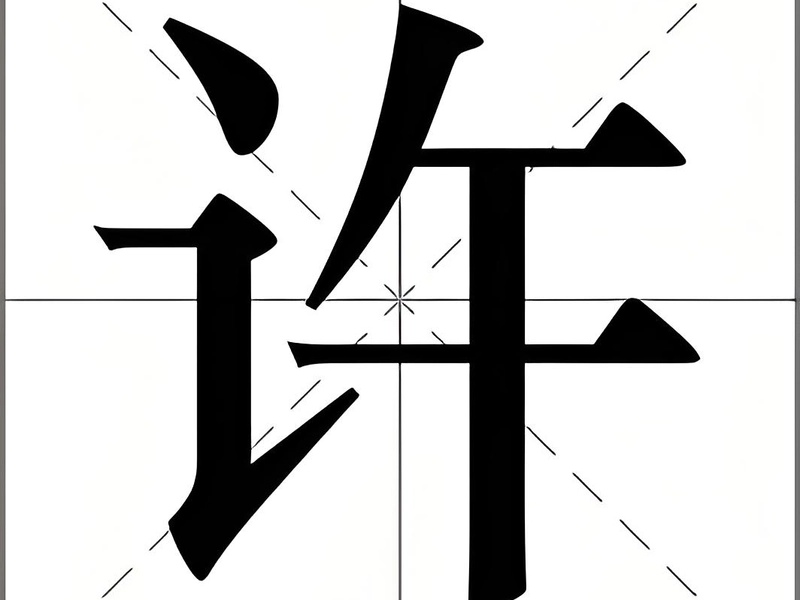
Simplified: 许
Pinyin: xǔ
Meaning: allow / permit / promise / agree / praise
The Chinese character “许” (xǔ) represents permission, promise, or agreement. Understanding this character helps learners explore Chinese language, culture, and expressions related to consent, approval, promises, and reputation.
Basic Meaning of “许”
Originally, “许” conveys the idea of granting or approving something, symbolizing agreement, consent, or promise. In modern Chinese, it is commonly used in daily communication, formal permissions, and expressions of trust or praise.
Common Combinations with “许”
- 允许 (yǔn xǔ, allow / permit): To grant permission.
- 许可 (xǔ kě, approval / permit): Formal permission or authorization.
- 许诺 (xǔ nuò, promise / pledge): To make a promise or commitment.
- 大约 (dà yuē, approximately / about): Literally “many permits,” used to indicate estimation.
- 表许 (biǎo xǔ, express approval / praise): To show recognition, approval, or appreciation.
Extended Meanings of “许”
- Permission and consent: Granting approval or allowance.
- Promise and commitment: Representing pledges or verbal agreements.
- Praise and acknowledgment: Literary or formal appreciation.
- Approximation / estimation: Used in expressions to indicate quantity or uncertainty.
Cultural and Symbolic Significance
- Trust and reliability: Promises and permissions reflect social trust and ethical behavior.
- Respect and courtesy: Offering or seeking permission shows respect for others.
- Literary and moral expression: Appears in classical texts to convey honor, promise, or endorsement.
Example Sentences
- 老师允许学生提前离开教室。
Pinyin: Lǎoshī yǔn xǔ xuéshēng tíqián líkāi jiàoshì.
English: The teacher allowed the students to leave the classroom early. - 他向朋友许诺会帮忙搬家。
Pinyin: Tā xiàng péngyǒu xǔnuò huì bāngmáng bānjiā.
English: He promised his friend that he would help with moving. - 这幅画值得表许,大家都很喜欢。
Pinyin: Zhè fú huà zhí dé biǎo xǔ, dàjiā dōu hěn xǐhuān.
English: This painting is worthy of recognition; everyone likes it. - 会议大约持续两个小时。
Pinyin: Huìyì dàyuē chíxù liǎng gè xiǎoshí.
English: The meeting lasted about two hours.
Related Vocabulary
| 中文 | Pinyin | English |
|---|---|---|
| 许 | xǔ | allow / promise / permit / agree |
| 允许 | yǔn xǔ | allow / permit |
| 许可 | xǔ kě | approval / authorization |
| 许诺 | xǔ nuò | promise / pledge |
| 大约 | dà yuē | approximately / about |
| 表许 | biǎo xǔ | express approval / praise |
FAQ: Common Questions About the Chinese Character “许”
- Q1: Can 许 refer to both permission and promise?
A: Yes. 许 can be used to indicate allowance or approval (permission) as well as commitments or pledges (promise). - Q2: How is 许 used in daily life?
A: It appears in contexts like permission requests, agreements, promises, formal approvals, and literary expressions. - Q3: Is 许 important in Chinese culture?
A: Yes, 许 reflects values of trust, respect, promise-keeping, and social etiquette, which are central in interpersonal relationships. - Q4: How can learners remember 许?
A: Think of granting permission or making a promise → 许 represents approval, agreement, and commitment in both everyday and formal contexts.