The Meaning and Cultural Significance of the Chinese Character “灯” (Lamp / Light)
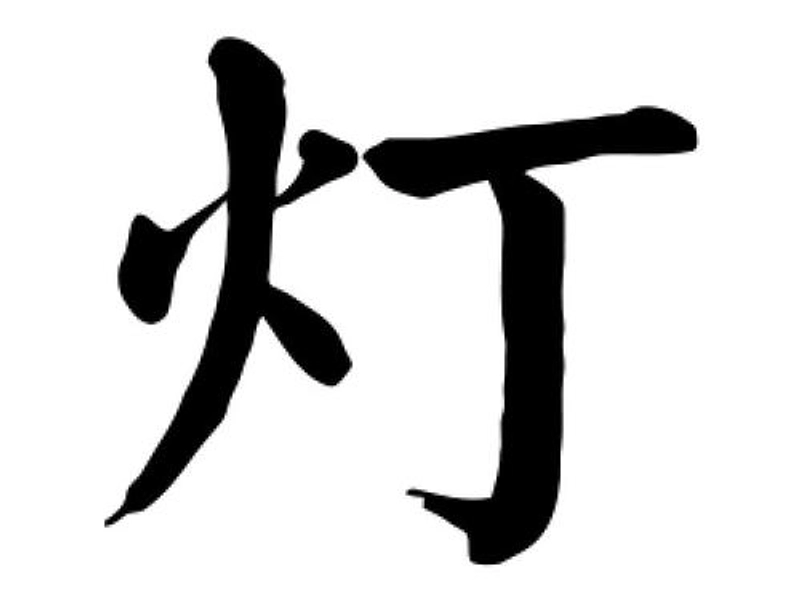
Simplified: 灯
Pinyin: dēng
Meaning: lamp / light / illumination / lantern
The Chinese character “灯” (dēng) represents lamps, lights, and illumination. Understanding this character helps learners explore Chinese language, culture, daily life, and expressions related to lighting, festivals, and decorative arts.
Pinyin: dēng
Meaning: lamp / light / illumination / lantern
The Chinese character “灯” (dēng) represents lamps, lights, and illumination. Understanding this character helps learners explore Chinese language, culture, daily life, and expressions related to lighting, festivals, and decorative arts.
Basic Meaning of “灯”
Originally, “灯” refers to a device that provides light, often using fire or oil in ancient times. As a fundamental Chinese character, 灯 symbolizes illumination, guidance, celebration, and warmth. It appears in daily life, festivals, and cultural expressions.Common Combinations with “灯”
- 灯笼 (dēng lóng, lantern): Traditional Chinese lanterns used in festivals, symbolizing joy and celebration.
- 路灯 (lù dēng, street lamp): Provides lighting for streets and public spaces.
- 台灯 (tái dēng, desk lamp): Used for study or work, symbolizing focus and guidance.
- 灯光 (dēng guāng, light / illumination): Refers to general light sources or lighting effects.
- 花灯 (huā dēng, decorative lantern / festive lantern): Colorful lanterns used in celebrations, especially festivals.
Extended Meanings of “灯”
- Illumination and guidance: Representing light, direction, or hope
- Celebration and decoration: Lanterns and festive lights symbolize joy and culture
- Daily life: Street lamps, desk lamps, and lighting for comfort and utility
- Literature and art: Metaphor for enlightenment, knowledge, or clarity
Cultural and Symbolic Significance
- Festivals and traditions: Central to Lantern Festival (元宵节) and other celebrations
- Guidance and hope: Symbolizes light overcoming darkness, safety, and prosperity
- Decorative and artistic use: Used in design, architecture, and literature
- Literature and idioms: Appears in expressions like 提灯夜行 (carry a lamp at night) representing guidance
Character Structure Analysis
- Radical: 火 (fire)
- Strokes: 6
- Character Type: Pictograph / compound ideograph
- Memory Tip: The 火 (fire) radical links 灯 to light and illumination; imagine fire lighting up the lamp wick.
Similar Character Comparison
| Character | Pinyin | Meaning | Radical / Strokes | Key Difference |
|---|---|---|---|---|
| 灯 | dēng | lamp / light / illumination | 火 / 6 | 火 (fire) radical; “丁” part is structural, linked to light and illumination |
| 宁 | níng | peace / tranquility / calm | 宀 / 5 | 宀 (roof) radical; “丁” part is structural, representing calmness and safety, unrelated to light |
Learning Tip
- 灯 → 火 + 丁 → Imagine fire lighting a lamp wick → 灯 represents light and illumination.
- 宁 → 宀 + 丁 → Imagine a calm home under a roof → 宁 represents peace and tranquility.
Example Sentences for Comparison
- 灯光照亮了夜晚的小路。(The lamp light illuminated the night path.)
- 湖面宁静如镜,微风拂过。(The lake is peaceful, like a mirror, with a gentle breeze.)
Example Sentences
- 春节时,街道上挂满了红色花灯。(During Spring Festival, the streets are filled with red decorative lanterns.)
- 夜晚的路灯照亮了回家的路。(The street lamps at night illuminate the way home.)
- 她在桌上点了一盏台灯,开始看书。(She turned on a desk lamp on the table and began reading.)
- 公园里挂起了五彩花灯,夜景非常美丽。(Colorful decorative lanterns were hung in the park, creating a beautiful night scene.)
Related Vocabulary
| 中文 | Pinyin | English |
|---|---|---|
| 灯 | dēng | lamp / light / illumination |
| 灯笼 | dēng lóng | lantern |
| 路灯 | lù dēng | street lamp |
| 台灯 | tái dēng | desk lamp |
| 灯光 | dēng guāng | light / illumination |
| 花灯 | huā dēng | decorative / festive lantern |
| 提灯夜行 | tí dēng yè xíng | carry a lamp at night (guidance metaphor) |
FAQ: Common Questions About the Chinese Character “灯”
- Q1: Can 灯 be used in personal names?
A: Occasionally. Using 灯 in names conveys brightness, guidance, and hope, though it is more common in idiomatic or poetic contexts. - Q2: Is 灯 only used for literal lighting?
A: No. Besides lamps and lanterns, 灯 is used metaphorically for enlightenment, guidance, and knowledge. - Q3: What festivals feature 灯?
A: Lantern Festival (元宵节) is the most famous, with lanterns (花灯) symbolizing joy, prosperity, and cultural celebration. - Q4: How is 灯 used in daily life?
A: Street lamps (路灯), desk lamps (台灯), and decorative lighting (花灯 / 灯光) are common, representing practical illumination and aesthetic decoration. - Q5: How can learners remember 灯?
A: Focus on the 火 (fire) radical, which connects the character to light and illumination, helping recall its literal and symbolic meanings.