The Meaning and Cultural Significance of the Chinese Character “泪” (Tear / Emotion)
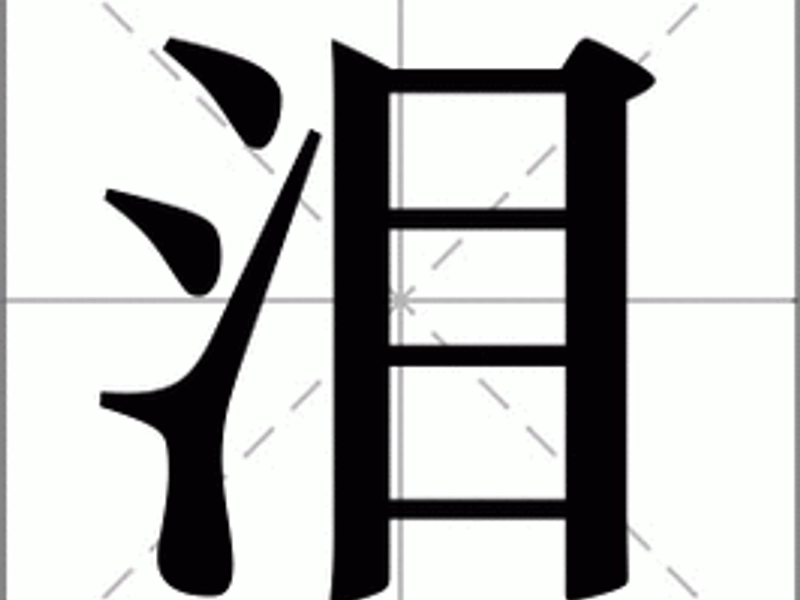
Simplified: 泪
Pinyin: lèi
Meaning: tear / tears / emotion / sorrow
The Chinese character “泪” (lèi) refers to tears, symbolizing deep human emotion — joy, sorrow, compassion, or release. It appears frequently in literature, poetry, and daily life, representing not only the physical tear but also the emotional essence of humanity in Chinese culture.
Basic Meaning of “泪”
The character “泪” consists of the water radical “氵” on the left and the component related to the eye (目) on the right, linking its meaning to liquid and emotion. It directly represents teardrops and is often associated with feelings, relationships, and memories. In ancient Chinese writing, tears were seen not only as a natural reaction but also as a symbol of sincerity, loyalty, and emotional truth.
Common Combinations with “泪”
- 眼泪 (yǎn lèi, tears): Literal tears from the eyes.
- 热泪 (rè lèi, warm tears): Symbolizing sincere emotion or gratitude.
- 泪水 (lèi shuǐ, teardrops): Often poetic, representing emotion-filled tears.
- 泪痕 (lèi hén, tear stains): Symbol of lingering sadness or emotional depth.
- 泪珠 (lèi zhū, pearls of tears): Used in poetry to describe vivid emotional imagery.
Extended Meanings of “泪”
- Emotion: Expresses joy, sorrow, nostalgia, or empathy.
- Literary symbol: Represents human vulnerability and beauty in sadness.
- Cultural metaphor: Associated with loyalty, separation, and compassion.
- Artistic imagery: Commonly used in classical poems, songs, and calligraphy.
Cultural and Symbolic Significance
- Loyalty and devotion: Tears appear in stories of parting, filial piety, and patriotism.
- Emotional expression: Seen as an authentic reflection of the heart (真情流露).
- Artistic tradition: Classical poets like Li Qingzhao and Du Fu used “泪” to portray both strength and tenderness.
- Symbol of purity: Clear tears are often compared to pearls or dew, representing clarity of the soul.
Example Sentences
- 她的眼泪在阳光下闪闪发光。
(Tā de yǎn lèi zài yáng guāng xià shǎn shǎn fā guāng.) — Her tears glistened in the sunlight. - 听到这首歌,我不由得流下了泪水。
(Tīng dào zhè shǒu gē, wǒ bù yóu dé liú xià le lèi shuǐ.) — Hearing this song, I couldn’t help but shed tears. - 这些泪痕记录了她心中的故事。
(Zhè xiē lèi hén jì lù le tā xīn zhōng de gù shì.) — These tear stains record the stories in her heart.
Related Vocabulary
| 中文 | Pinyin | English |
|---|---|---|
| 泪 | lèi | tear / tears |
| 眼泪 | yǎn lèi | tears |
| 热泪 | rè lèi | warm tears / sincere emotion |
| 泪水 | lèi shuǐ | teardrops |
| 泪痕 | lèi hén | tear stains |
| 泪珠 | lèi zhū | pearls of tears |
Learning Tip
泪 = 氵 (water) + 目 (eye) → Imagine water flowing from the eyes — tears as a natural emotional release.
FAQ: Common Questions About the Chinese Character “泪”
Q1: What does the water radical (氵) tell us about “泪”?
It indicates that the character is related to liquid, symbolizing flowing emotion or tears.
Q2: Is “泪” only used for sadness?
No. While often associated with sorrow, “泪” can also express joy, relief, nostalgia, or gratitude, depending on context.
Q3: Are there idioms that use “泪”?
Yes — common ones include:
● 热泪盈眶 (rè lèi yíng kuàng, eyes brimming with tears of emotion)
● 声泪俱下 (shēng lèi jù xià, speaking with tears and voice together)
● 泪如雨下 (lèi rú yǔ xià, tears falling like rain)
Q4: How can learners remember “泪”?
Picture water (氵) and eye (目) combined — tears are water shaped by feeling.
Q5: What is the difference between “泪” and “眼泪”?
“泪” can stand alone poetically, while “眼泪” specifically refers to tears from the eyes in daily expressions.