The Meaning and Cultural Significance of the Chinese Character “暗” (Dark / Dim)
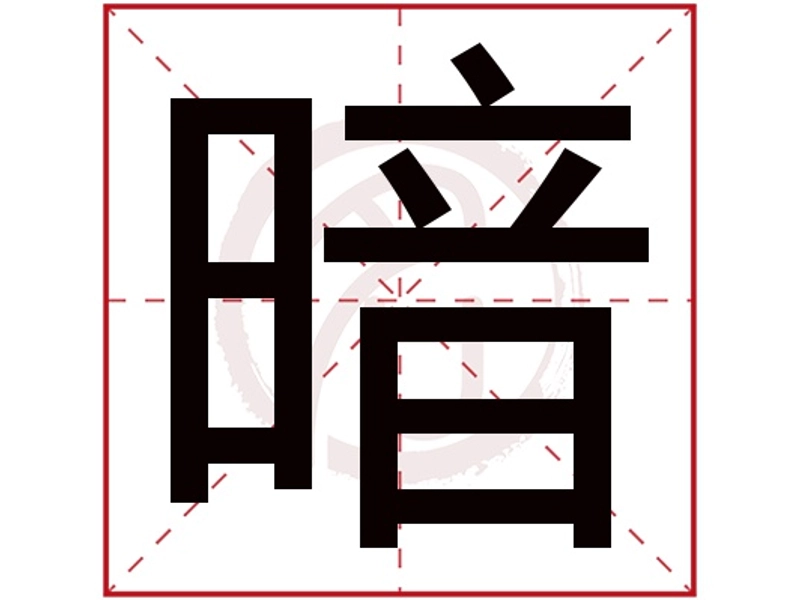
Simplified: 暗
Pinyin: àn
Meaning: dark / dim / obscure / secret
The Chinese character “暗” (àn) represents darkness, dimness, and obscurity. Understanding this character helps learners explore Chinese language, culture, daily life, and expressions related to darkness, secrecy, lack of light, and metaphorical concealment.
Pinyin: àn
Meaning: dark / dim / obscure / secret
The Chinese character “暗” (àn) represents darkness, dimness, and obscurity. Understanding this character helps learners explore Chinese language, culture, daily life, and expressions related to darkness, secrecy, lack of light, and metaphorical concealment.
Basic Meaning of “暗”
Originally, “暗” depicts the absence of light or a dimly lit environment. As a fundamental Chinese character, 暗 reflects darkness, mystery, concealment, and introspection. It appears in literature, daily life, and idiomatic expressions.Common Combinations with “暗”
- 黑暗 (hēi àn, darkness): Refers to pitch darkness or metaphorical oppression.
- 暗示 (àn shì, hint / suggest indirectly): Represents subtle indication or suggestion.
- 暗夜 (àn yè, dark night): Refers to nighttime or metaphorical gloom.
- 幽暗 (yōu àn, dim / gloomy): Describes a faintly lit or shadowy space.
- 暗恋 (àn liàn, secret love): Refers to unspoken or hidden romantic feelings.
Extended Meanings of “暗”
- Natural phenomenon: Darkness, dim light, shadow
- Secrecy and subtlety: Hidden actions, private feelings, or confidential matters
- Emotional metaphor: Gloom, fear, or uncertainty
- Literature and art: Used to depict mystery, introspection, or hidden aspects
Cultural and Symbolic Significance
- Absence of light: Represents night, shadows, or unknown elements
- Secrecy and subtlety: Used in expressions like 暗示 (hint) or 暗恋 (secret love)
- Metaphorical usage: Suggests hidden dangers, subtle feelings, or introspective states
- Literature and art: Often used to create contrast with 光 (light), emphasizing duality or moral clarity
Character Structure Analysis
- Radical: 日 (sun / light-related radical)
- Strokes: 13
- Character Type: Compound ideograph
- Memory Tip: Imagine a place with no light or hidden in shadows → 暗 represents darkness or obscurity.
Antonyms (反义词)
- 光 (guāng, light / radiance / brightness): Represents illumination, clarity, and hope.
Example Sentences with Antonym
- 夜晚的街道很暗,需要开灯照明。(The street was very dark at night and needed lights.)
- 阳光照亮了整个花园,驱散了黑暗。(Sunlight lit up the garden, dispelling the darkness.)
Example Sentences
- 黑暗中,我们摸索着前行。(In the darkness, we groped our way forward.)
- 他对她的暗恋一直没有表白。(He has secretly admired her without confessing.)
- 幽暗的房间让人感到有些压抑。(The dim room made people feel a bit oppressed.)
- 老屋的角落总是那么暗,需要点灯。(The corners of the old house are always dark and need a light.)
Related Vocabulary
| 中文 | Pinyin | English |
|---|---|---|
| 暗 | àn | dark / dim / obscure |
| 黑暗 | hēi àn | darkness / pitch black |
| 暗示 | àn shì | hint / suggest indirectly |
| 暗夜 | àn yè | dark night / nighttime |
| 幽暗 | yōu àn | dim / shadowy |
| 暗恋 | àn liàn | secret love / hidden affection |
| 光 | guāng | light / radiance / brightness |
FAQ: Common Questions About the Chinese Character “暗”
- Q1: Can 暗 be used metaphorically?
A: Yes. 暗 often represents secrecy, hidden emotions, mystery, or subtlety, beyond literal darkness. - Q2: Is 暗 used in daily life?
A: Yes. It appears in dim spaces (幽暗), nighttime (暗夜), or secretive actions (暗示, 暗恋). - Q3: How is 暗 contrasted with 光?
A: 光 represents brightness, hope, and clarity, while 暗 represents darkness, obscurity, and hidden aspects, forming a natural antonym pair. - Q4: How can learners remember 暗?
A: Focus on the character’s radical 日 (sun) being covered or hidden, symbolizing absence of light or shadow.