The Meaning and Cultural Significance of the Chinese Character “房” (House / Room)
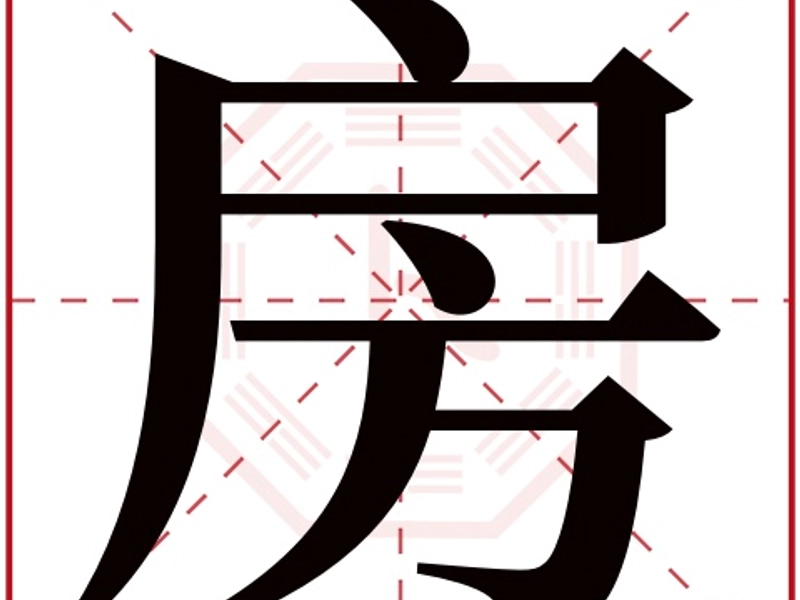
Simplified: 房
Pinyin: fáng
Meaning: house / room / building / apartment
The Chinese character “房” (fáng) refers to a house, room, or building. It holds significant importance in Chinese culture, representing physical spaces of shelter, domestic life, and property. Understanding this character provides insight into Chinese architecture, family structures, and related expressions in daily life and literature.
Basic Meaning of “房”
Originally, “房” represents a house or a room, typically with a roof, symbolizing shelter and security. In Chinese society, “房” is also associated with domestic life, real estate, and personal space. It appears in architecture, family discussions, idiomatic expressions, and cultural traditions.
Common Combinations with “房”
- 房子 (fáng zi, house / building): Refers to a structure or residential building.
- 房间 (fáng jiān, room): Refers to a single room or compartment within a building.
- 卧房 (wò fáng, bedroom): Refers to a sleeping room.
- 客房 (kè fáng, guest room): Refers to a room for guests.
- 出租房 (chū zū fáng, rental house): Refers to a house available for rent.
- 房屋 (fáng wū, house / building): General term for residential or commercial buildings.
These combinations highlight how “房” extends from literal physical structures to concepts of space, privacy, and real estate.
Extended Meanings of “房”
- Home and family: Symbolizes shelter, domestic life, and family gatherings.
- Property and wealth: Associated with real estate, ownership, and status in society.
- Privacy and space: Represents personal space, comfort, and security.
Cultural and Symbolic Significance
- Home and stability: A house is often seen as the cornerstone of family life and security.
- Real estate culture: Owning a house is an important social and economic marker in China.
- Space and comfort: Having a private and secure space (如: “房间”) is central to personal well-being.
Example Sentences
- 他最近买了一套新房子,准备搬家了。
Tā zuìjìn mǎi le yí tào xīn fáng zi, zhǔn bèi bān jiā le.
He recently bought a new house and is getting ready to move. - 这个房间很宽敞,有两个大窗户。
Zhè ge fáng jiān hěn kuān chǎng, yǒu liǎng gè dà chuāng hù.
This room is very spacious and has two large windows. - 我们的卧房在楼上的最安静的地方。
Wǒ men de wò fáng zài lóu shàng de zuì ān jìng de dì fāng.
Our bedroom is on the top floor, in the quietest place. - 这间客房已经准备好了,您可以入住。
Zhè jiān kè fáng yǐ jīng zhǔn bèi hǎo le, nín kě yǐ rù zhù.
The guest room is ready, you can check in now.
Related Vocabulary
| 中文 | Pinyin | English |
|---|---|---|
| 房 | fáng | house / room / building |
| 房子 | fáng zi | house / building |
| 房间 | fáng jiān | room |
| 卧房 | wò fáng | bedroom |
| 客房 | kè fáng | guest room |
| 房屋 | fáng wū | house / building (general) |
| 出租房 | chū zū fáng | rental house |
FAQ: Common Questions About 房
- Q1: Can 房 refer to both literal and metaphorical meanings?
A: Yes. 房 refers to both literal buildings (房子, 房间) and metaphorical spaces, such as private areas or property in discussions about wealth. - Q2: How is 房 used in daily life?
A: It appears in references to residential spaces, real estate, homeownership, and domestic living. - Q3: Is 房 important in Chinese culture?
A: Yes, 房 is integral to discussions about home, family, stability, and property ownership, all of which are central in Chinese culture. - Q4: How can learners remember 房?
A: The character 房 (fáng) combines 户 (door / household) on the left and 方 (square / space) on the right. Together, they represent a house or room—a place to live. Imagine a square-shaped room with a door to help remember it visually.