The Meaning and Cultural Significance of the Chinese Character “山” (Mountain / Hill)
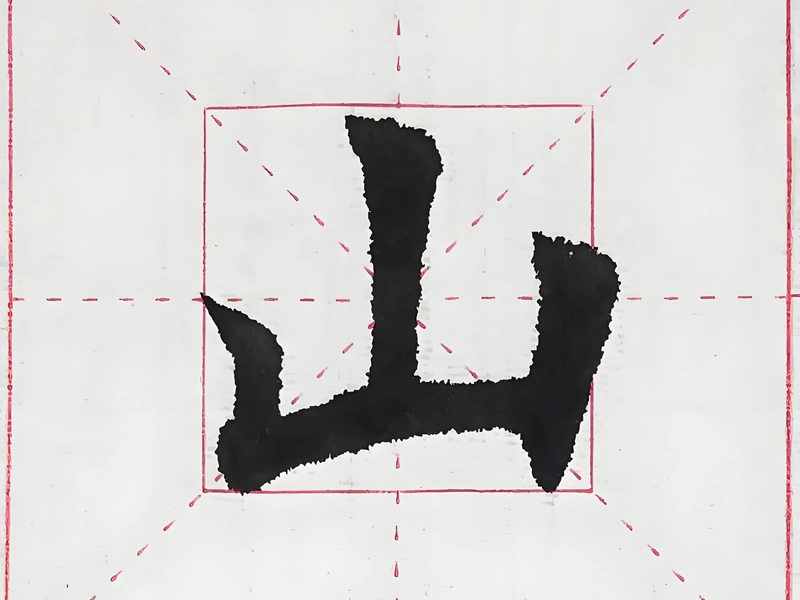
Simplified: 山
Pinyin: shān
Meaning: mountain / hill / peak / natural elevation
The Chinese character “山” (shān) represents mountains, hills, and natural elevations. Understanding this character helps learners explore Chinese language, culture, geography, and expressions related to nature, landscapes, and symbolic significance in literature and philosophy.
Basic Meaning of “山”
Originally, “山” is a pictograph depicting a mountain with peaks. As a fundamental Chinese character, 山 reflects nature, stability, height, and permanence. It appears in geography, literature, idiomatic expressions, and cultural symbolism.
Common Combinations with “山”
- 高山 (gāo shān, high mountain): Refers to tall mountains or mountain ranges.
- 山水 (shān shuǐ, mountains and rivers / landscape): Refers to natural scenery, often used in painting and poetry.
- 山峰 (shān fēng, mountain peak): Refers to the top or summit of a mountain.
- 山脉 (shān mài, mountain range): Refers to a series of connected mountains.
- 登山 (dēng shān, mountaineering / climbing): Refers to hiking or climbing mountains.
These combinations show how 山 extends from literal mountains to scenic beauty, outdoor activities, and literary depictions.
Extended Meanings of “山”
Beyond its literal meaning, 山 has several symbolic uses:
- Geography: Natural mountains, hills, and terrain
- Nature and scenery: 山水 (landscape) emphasizes beauty and harmony in nature
- Challenges and achievement: Climbing mountains symbolizes overcoming difficulties or personal growth
- Literature and art: Represents stability, majesty, and inspiration
Cultural and Symbolic Significance
In Chinese culture, “山” carries rich symbolic meanings:
- Nature and landscapes: Central in poetry, painting, and traditional philosophy
- Stability and endurance: Mountains symbolize steadfastness and resilience
- Spiritual and philosophical: Mountains are often associated with meditation, retreat, and connection with nature
- Tourism and heritage: Famous mountains (名山) are celebrated as cultural and historical landmarks
Example Sentences
- 这座高山风景秀丽,非常适合徒步旅行。
(This high mountain has beautiful scenery and is perfect for hiking.) - 中国古代山水画以山和水为主要题材。
(Traditional Chinese landscape paintings feature mountains and rivers as main subjects.) - 他计划周末去登山锻炼身体。
(He plans to go mountaineering over the weekend to exercise.) - 黄山是中国最著名的名山之一。
(Huangshan is one of China’s most famous mountains.)
Related Vocabulary
| 中文 | Pinyin | English |
|---|---|---|
| 山 | shān | mountain / hill / peak |
| 高山 | gāo shān | high mountain / tall peak |
| 山水 | shān shuǐ | landscape / mountains and rivers |
| 山峰 | shān fēng | mountain peak / summit |
| 山脉 | shān mài | mountain range |
| 登山 | dēng shān | mountaineering / climbing |
| 名山 | míng shān | famous mountain / cultural site |
| 山谷 | shān gǔ | valley / mountain valley |
FAQ: Common Questions About the Chinese Character “山”
Q1: Can 山 refer to both physical and symbolic meanings?
A: Yes. 山 can refer to literal mountains (高山, 山脉) or symbolic concepts like stability, endurance, or challenges.
Q2: How is 山 used in daily life?
A: It appears in geography, tourism, outdoor activities, literature, and idioms.
Q3: Is 山 important in Chinese culture?
A: Very much so. Mountains play a central role in art, literature, philosophy, and traditional culture, representing both natural beauty and spiritual inspiration.
Q4: How can learners remember 山?
A: Visualize the three peaks depicted in the character → 山 represents mountains, hills, and stability.