The Meaning and Cultural Significance of the Chinese Character “嘿” (Hey / Expression of Emotion)
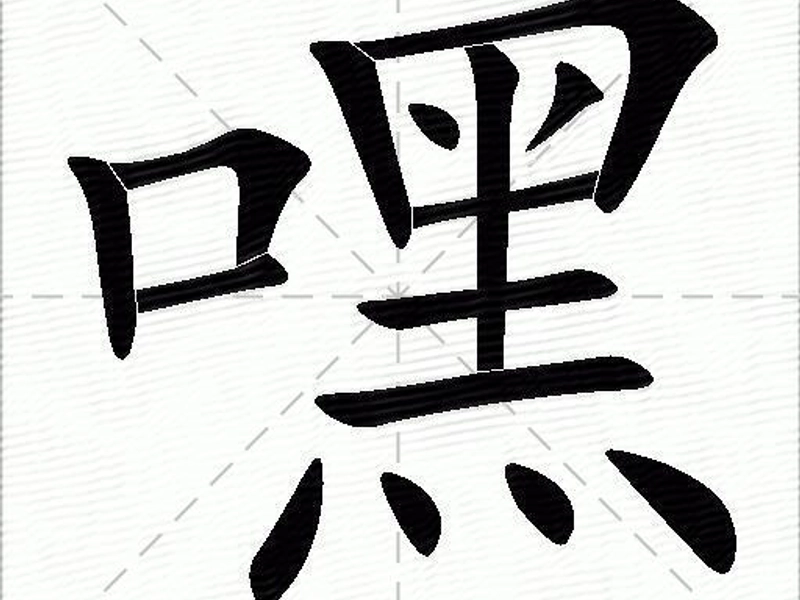
Simplified: 嘿
Pinyin: hēi / hèi
Meaning: hey / interjection / exclamation expressing emotion or tone
Basic Meaning of “嘿”
The Chinese character “嘿” (hēi / hèi) is an expressive interjection commonly used in spoken Chinese, online communication, and comic dialogues. Depending on tone and context, it can express joy, surprise, irony, mischief, or attention. “嘿” is one of the most flexible and lively characters in modern colloquial Chinese, carrying the rhythm of daily conversation and digital culture.
Common Expressions with “嘿”
- 嘿嘿 (hēi hēi, sneaky laugh) – used to show mischief, shyness, or humor
- 嘿!(hèi!, hey!) – used to attract attention or start a conversation
- 嘿呀 (hēi ya, oh hey / surprise) – expresses mild surprise or realization
- 嘿嘿笑 (hēi hēi xiào, giggle / snicker) – describes a small, playful laugh
These combinations demonstrate how “嘿” captures tone and attitude rather than specific lexical meaning, reflecting emotion, mood, and interaction.
Extended Meanings of “嘿”
- Emotion and tone: Expresses feelings like joy, irony, or warning
- Playfulness: Adds humor or mischievous energy to a sentence
- Interpersonal interaction: Serves as a verbal cue in conversations or online chats
- Cultural rhythm: Reflects the informal, expressive side of modern Chinese speech
Cultural and Linguistic Significance
In Chinese culture, “嘿” is more than a sound — it represents the warmth and playfulness of spoken communication. It’s a symbol of the casual, spontaneous side of the Chinese language.
- In daily speech: “嘿” can replace greetings like “hi” or “hey.”
- In online culture: Used widely in chats, memes, and comment sections to add personality.
- In literature or comics: Helps represent tone, emotion, and character personality.
Example Sentences
- 嘿,你来了!
Hèi, nǐ lái le!
“Hey, you’re here!” - 他嘿嘿地笑着,看起来很得意。
Tā hēi hēi de xiào zhe, kàn qǐlái hěn dé yì.
“He giggled smugly.” - 嘿,这个主意不错!
Hēi, zhè ge zhǔ yì bú cuò!
“Hey, that’s a good idea!”
Related Vocabulary
| 中文 | Pinyin | English |
|---|---|---|
| 嘿 | hēi / hèi | hey / interjection |
| 嘿嘿 | hēi hēi | sneaky laugh / giggle |
| 嘿呀 | hēi ya | oh hey / mild surprise |
| 嘿嘿笑 | hēi hēi xiào | to laugh softly / snicker |
| 哈哈 | hā hā | loud laugh / hearty laugh |