The Meaning and Cultural Significance of the Chinese Character “名” (Name / Reputation / Fame)
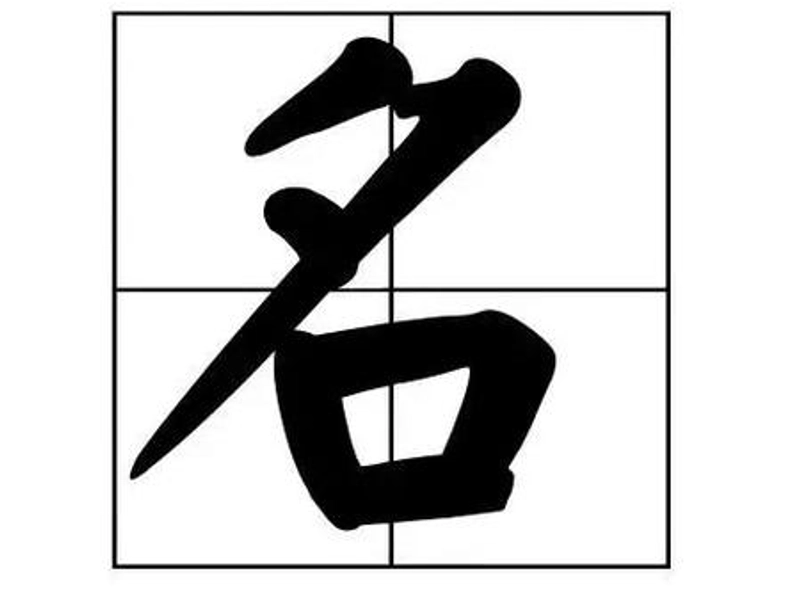
Simplified: 名
Pinyin: míng
Meaning: name / reputation / fame / title
The Chinese character “名” (míng) represents names, reputation, and fame. Understanding this character helps learners explore Chinese language, culture, personal identity, and expressions related to naming, social recognition, and status.
Basic Meaning of “名”
Originally, “名” combines 夕 (evening) and 口 (mouth), symbolizing calling someone’s name in the evening to recognize or honor them. As a fundamental Chinese character, 名 reflects identity, recognition, reputation, and honor. It appears in daily life, literature, and cultural expressions.
Common Combinations with “名”
- 名字 (míng zì, name): Refers to a person’s given name or full name.
- 名人 (míng rén, famous person): Refers to celebrities, historical figures, or people with fame.
- 名声 (míng shēng, reputation): Refers to someone’s social reputation or public image.
- 名牌 (míng pái, famous brand): Refers to well-known brands or high-quality products.
- 名胜 (míng shèng, scenic spot / famous place): Refers to famous tourist attractions or cultural sites.
These combinations show how 名 extends from personal names to reputation, fame, and cultural landmarks.
Extended Meanings of “名”
- Personal identity: Names as a representation of identity
- Social recognition: Fame, honor, and public reputation
- Cultural and historical significance: Famous places, brands, or historical figures
- Literature and idioms: Appears in expressions emphasizing fame, recognition, or excellence
Cultural and Symbolic Significance
- Identity and personal recognition: Names carry meaning, heritage, and family connections
- Fame and reputation: 名人 (famous people) symbolize achievement and societal respect
- Cultural landmarks: 名胜 (famous scenic spots) reflect historical and cultural heritage
- Literature and proverbs: Often used to teach morals about honor, reputation, and social standing
Example Sentences
- 他的名字很特别,很容易记住。(His name is very special and easy to remember.)
- 这位名人致力于公益事业,受到大家尊敬。(This famous person is devoted to public welfare and is respected by everyone.)
- 他在学校里有很好的名声,老师和同学都喜欢他。(He has a good reputation at school; teachers and classmates like him.)
- 北京的名胜包括故宫、天坛和长城。(Beijing’s famous attractions include the Forbidden City, Temple of Heaven, and the Great Wall.)
Related Vocabulary
| chinese | Pinyin | English |
|---|---|---|
| 名 | míng | name / reputation / fame |
| 名字 | míng zì | personal name / full name |
| 名人 | míng rén | famous person / celebrity |
| 名声 | míng shēng | reputation / renown |
| 名牌 | míng pái | famous brand / brand name |
| 名胜 | míng shèng | scenic spot / cultural site |
| 名额 | míng’é | quota / allotted number |
| 名片 | míng piàn | business card / calling card |
FAQ: Common Questions About the Chinese Character “名”
- Q1: Can 名 refer to both personal names and fame?
A: Yes. 名 can refer to someone’s personal name (名字) or public reputation/fame (名人, 名声) depending on context. - Q2: How is 名 used in daily life?
A: It appears in personal identification, business (名片), famous brands (名牌), and cultural landmarks (名胜). - Q3: Is 名 important in Chinese culture?
A: Very much so. 名 emphasizes identity, reputation, cultural heritage, and social recognition, which are central in Chinese society. - Q4: How can learners remember 名?
A: Remember that 名 combines 夕 (evening) and 口 (mouth) → think of calling out a name or recognizing someone, which extends metaphorically to fame and reputation.