The Meaning and Cultural Significance of the Chinese Character “刀” (Knife/Blade)
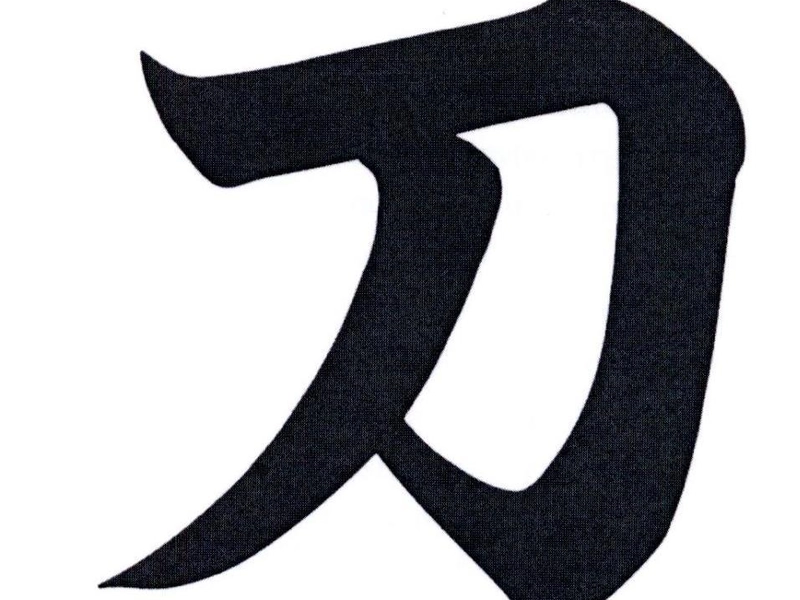
The Chinese character “刀” (dāo, knife/blade) is a fundamental Chinese character that represents knives, blades, and cutting tools. It conveys ideas of sharpness, precision, and action. Understanding this character helps learners explore Chinese language, literature, and cultural symbolism, as well as Chinese vocabulary related to tools, weaponry, and daily life.
Basic Meaning of “刀”
The character “刀” originally represents a single-edged blade or cutting tool. In ancient scripts, it depicts a knife with a sharp edge, symbolizing cutting, protection, and utility. As a radical and fundamental Chinese character, “刀” reflects action, sharpness, and practical function. Learning the meaning of 刀 in Chinese helps learners understand expressions related to cutting tools, weaponry, and cultural symbolism.
Common Combinations with “刀”
- 菜刀 (cài dāo, kitchen knife): Represents knives used for cooking, symbolizing daily utility and practical life.
- 刀锋 (dāo fēng, blade edge): Represents the sharpness or edge of a blade, often used metaphorically to describe precision or decisiveness.
- 刀剑 (dāo jiàn, knives and swords): Refers to weapons, symbolizing martial arts, combat, or defense.
- 开刀 (kāi dāo, perform surgery / take action): Literally “use a knife,” metaphorically representing decisive action or surgical operation.
These combinations illustrate how “刀” extends from literal blades to metaphorical meanings of action, precision, and decisiveness.
Extended Meanings of “刀”
- Tools: Knives used in daily life or cooking (菜刀)
- Weapons: Blades and swords used in martial arts or historical contexts (刀剑)
- Metaphorical action: Representing decisiveness, sharpness, or taking action (刀锋, 开刀)
- Symbolic use: In literature and art, blades symbolize precision, courage, or cutting away obstacles
Understanding these uses allows learners to appreciate how 刀 symbolism appears in Chinese literature, martial arts, daily life, and cultural expressions.
Cultural and Symbolic Significance
- Utility and practicality: Representing essential tools for daily life, cooking, and craftsmanship
- Martial culture: Symbolizing swords, knives, and the martial arts tradition
- Action and decisiveness: Often used metaphorically to depict sharp thinking, precision, or decisive measures
- Literature and art: Used to depict courage, protection, or metaphorical cutting away of obstacles
Usage and Context of “刀”
- Nouns: knife, blade, sword
- Verbs/adjectives: to cut, sharp, precise
- Literary and cultural expressions: depicting action, decisiveness, precision, or martial symbolism
Learning the different contexts of 刀 helps learners understand its versatility and role in Chinese daily life, martial culture, literature, and idiomatic expressions.
Summary: Why “刀” is More Than Just a Knife
Originating as a pictograph for a single-edged blade, “刀” has developed into a versatile Chinese character representing sharpness, action, precision, and martial culture. In Chinese language and culture, it conveys not only physical tools but also abstract ideas of decisiveness, courage, and skill. By understanding the meaning, usage, and symbolism of 刀, learners can explore Chinese vocabulary, literature, and cultural expressions related to tools, weaponry, and metaphorical action.
Related Vocabulary
| 中文 | Pinyin | English |
|---|---|---|
| 刀 | dāo | knife / blade |
| 菜刀 | cài dāo | kitchen knife |
| 刀锋 | dāo fēng | blade edge |
| 刀剑 | dāo jiàn | knives and swords |
| 开刀 | kāi dāo | perform surgery / take action |
| 小刀 | xiǎo dāo | small knife / pocketknife |
| 宝刀 | bǎo dāo | treasured sword / valuable knife |