The Meaning and Cultural Significance of the Chinese Character “凤” (Phoenix)
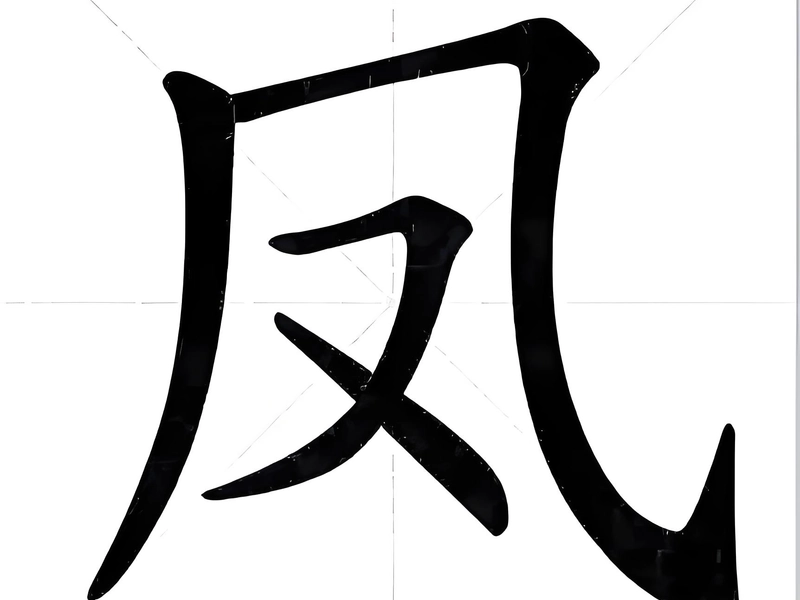
Simplified: 凤
Pinyin: fèng
Meaning: phoenix / legendary bird / beauty / auspicious symbol
The Chinese character “凤” (fèng, phoenix) represents the mythical phoenix, a legendary bird symbolizing virtue, beauty, and auspiciousness in Chinese culture. Understanding this character helps learners explore Chinese mythology, culture, symbolism, and common expressions related to auspicious symbols, traditional culture, and legendary creatures.
Basic Meaning of “凤”
Originally, “凤” depicts the male phoenix, often paired with “凰” (female phoenix) to represent harmony and virtue. In ancient Chinese culture, 凤 symbolizes good fortune, beauty, authority, and prosperity. Learning the meaning of 凤 helps learners understand its use in literature, art, idioms, and traditional expressions.
Common Combinations with “凤”
- 凤凰 (fèng huáng, phoenix): Represents the mythical couple, symbolizing harmony and nobility.
- 凤毛麟角 (fèng máo lín jiǎo, rare talent): Literally “phoenix feathers and unicorn horns,” meaning extremely rare or precious.
- 凤仪 (fèng yí, phoenix-like demeanor): Describes elegant behavior or appearance, often for women.
- 凤鸣 (fèng míng, phoenix singing): Symbolizes auspiciousness, harmony, and noble virtue; often used in literature or traditional expressions.
These combinations show how 凤 extends from the mythical bird to cultural symbols, idioms, and names.
Extended Meanings of “凤”
- Auspicious symbol: Representing good luck, virtue, and harmony
- Beauty and elegance: Often used to describe appearance or demeanor
- Literature and art: Symbolizes nobility, prosperity, and rare talent
- Cultural expressions: Appears in idioms, place names, and traditional art
Cultural and Symbolic Significance
- Virtue and harmony: Often paired with 龙 (dragon) to symbolize balance and power
- Beauty and elegance: Symbolizing grace, nobility, and refinement
- Proseprity and good fortune: Common in art, architecture, and traditional motifs
- Literature and art: Used metaphorically to describe rare talents or auspicious events
Usage and Context of “凤”
- Nouns: phoenix, mythical bird, auspicious symbol
- Adjectives/verbs: elegant, rare, auspicious
- Literary and cultural expressions: used in idioms, place names, literature, and decorative arts
Learning the different contexts of 凤 helps learners understand its versatility and role in daily life, mythology, culture, literature, and symbolism.
Character Structure Analysis
- Radical: 几 (radical for the simplified phoenix character)
- Strokes: 4
- Character Type: Pictograph, representing the mythical phoenix
- Features: Often paired with “凰” (female phoenix) to symbolize harmony, nobility, and auspiciousness
- Memory Tip: 凤 represents the legendary bird and symbolizes beauty and good fortune; distinguish it from 风, which represents natural wind or abstract style
Similar Characters Comparison
| Character | Pinyin | Meaning | Radical / Strokes | Usage Difference |
|---|---|---|---|---|
| 风 | fēng | wind / air / style / trend | 几 / 4 | Represents natural wind, climate, or abstract style/customs |
| 凤 | fèng | phoenix / legendary bird / auspicious | 几 / 4 | Represents the mythical bird, auspicious symbol, beauty and nobility; commonly used in idioms, art, and cultural expressions |
Example Sentences
- 风吹草低见牛羊。(wind)
- 凤凰呈祥,寓意吉祥如意。(phoenix)
Summary: Why “凤” is More Than Just a Phoenix
Originating as a pictograph for the mythical phoenix, “凤” has developed into a versatile Chinese character representing virtue, beauty, auspiciousness, nobility, and cultural symbolism. In Chinese language and culture, it conveys not only mythology but also idiomatic expressions, place names, art, and literary metaphors. By understanding 凤, learners can explore Chinese vocabulary, literature, and cultural expressions related to phoenix, auspicious symbols, beauty, virtue, and harmony.
Related Vocabulary
| Chinese | Pinyin | English |
|---|---|---|
| 凤 | fèng | phoenix / legendary bird |
| 凤凰 | fèng huáng | phoenix (male and female pair) |
| 凤毛麟角 | fèng máo lín jiǎo | rare talent / extremely rare |
| 凤仪 | fèng yí | phoenix-like demeanor / elegance |
| 凤鸣 | fèng míng | phoenix singing / auspicious symbol |
| 龙凤呈祥 | lóng fèng chéng xiáng | dragon and phoenix bring luck |
| 凤舞 | fèng wǔ | phoenix dance / graceful movement |