The Meaning and Cultural Significance of the Chinese Character “乐” (Happy / Music)
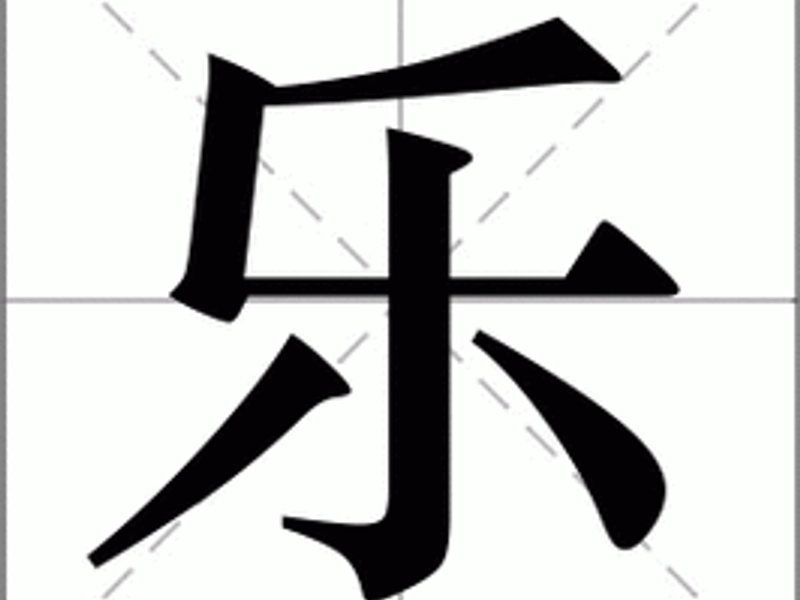
Simplified: 乐
Pinyin: lè (happy), yuè (music)
Meaning: happy / joy / to laugh / music
The Chinese character "乐" is unique and profound, representing two of the most fundamental and cherished human experiences: happiness and music. Its dual readings and meanings are deeply intertwined, reflecting the ancient Chinese belief that music is a source of joy and a means to cultivate moral character. Understanding this character provides a window into Chinese philosophy, aesthetics, and the pursuit of a harmonious life.
Basic Meaning of "乐"
The character "乐" (樂 in traditional form) is believed to originate from a pictograph of a drum on a wooden stand with silk pendants, representing musical instruments. This directly points to its primary ancient meaning: music (yuè). From the idea that music brings pleasure, its meaning naturally expanded to signify happiness, joy (lè). This intrinsic link makes "乐" a character that embodies both the art form and the emotional state it evokes.
Common Combinations with "乐"
With "lè" (Happy):
- 快乐 (kuài lè, happy): The most common word for happiness.
- 乐趣 (lè qù, pleasure / fun): The joy and interest found in an activity.
- 乐观 (lè guān, optimistic): Having a positive outlook on life.
- 娱乐 (yú lè, entertainment): Activities for amusement and enjoyment.
- 乐呵呵 (lè hē hē, cheerful and genial): Describes a happily smiling demeanor.
With "yuè" (Music):
- 音乐 (yīn yuè, music): The general term for music.
- 乐队 (yuè duì, band/orchestra): A group of musicians.
- 乐器 (yuè qì, musical instrument): A device for making music.
- 声乐 (shēng yuè, vocal music): Music performed by the voice.
- 乐谱 (yuè pǔ, musical score): Sheet music.
These combinations show how 乐 seamlessly connects the domain of emotional well-being with the artistic realm of sound.
Extended Meanings of "乐"
Beyond its core meanings, 乐 has several philosophical and extended uses:
- Philosophical Joy: In Confucianism, "乐" (lè) is not just fleeting pleasure but a lasting state of contentment and moral joy achieved through virtuous living and learning.
- Aesthetic and Moral Tool: "乐" (yuè) was considered one of the essential arts for cultivating character and promoting social harmony in traditional Confucian thought, alongside ritual (礼, lǐ).
- To Take Pleasure In: As a verb, it can mean "to find joy in" or "to be amused by" something (e.g., 乐此不疲, lè cǐ bù pí, to never tire of something one loves).
- Surname: 乐 (Yuè) is also a common Chinese surname.
Cultural and Symbolic Significance
In Chinese culture, "乐" carries immense weight, deeply embedded in its philosophical and social fabric:
- The Confucian Ideal: Confucius emphasized the role of music (乐, yuè) in creating a harmonious society and a noble character. The "Six Arts" included music, and a gentleman was expected to be accomplished in it. The joy (乐, lè) of the sage comes from virtue itself.
- The Pursuit of Happiness: The concept of "快乐" (happiness) is a universal goal, but the Chinese conception often ties it to family prosperity, contentment, and peace of mind, rather than mere material gain.
- A Name with Blessing: The character is a very popular choice for names, both for people and places, wishing them a life filled with joy and harmony (e.g., the city of 乐山, Lèshān, "Happy Mountain").
- A Dialectical View: The idiom "乐极生悲" (lè jí shēng bēi, extreme joy begets sorrow) encapsulates a core Daoist and folk wisdom, warning that happiness and sorrow are interconnected and cyclical.
Example Sentences
With "lè":
- 祝你生日快乐!
(Wish you a happy birthday!) - 他是一个乐观的人,总是看到事情好的一面。
(He is an optimistic person, always seeing the good side of things.) - 看电影是我最喜欢的娱乐活动。
(Watching movies is my favorite entertainment activity.)
With "yuè":
- 她从小就开始学习音乐。
(She started learning music from a young age.) - 这个乐队的主唱很有名。
(The lead singer of this band is very famous.) - 钢琴是一种常见的乐器。
(The piano is a common musical instrument.)
Related Vocabulary
| 中文 | Pinyin | English |
|---|---|---|
| 乐 | lè / yuè | happy / music |
| 快乐 | kuài lè | happy / happiness |
| 乐趣 | lè qù | pleasure / fun |
| 乐观 | lè guān | optimistic |
| 音乐 | yīn yuè | music |
| 乐队 | yuè duì | band / orchestra |
| 乐器 | yuè qì | musical instrument |
| 娱乐 | yú lè | entertainment |
FAQ: Common Questions About the Chinese Character "乐"
Q1: How do I know when to read "乐" as "lè" or "yuè"?
A: It is entirely determined by context. If the word is about emotion, feeling, or amusement, it's almost always lè (e.g., 快乐, 乐趣). If it's about the art form, performance, or instruments, it's yuè (e.g., 音乐, 乐队). You must memorize the pronunciation of each compound word.
Q2: Is there a connection between the "music" and "happiness" meanings?
A: Absolutely. This is the core of the character's beauty. The ancient Chinese believed that proper and beautiful music (yuè) had the power to harmonize the heart and bring about genuine joy (lè). They are two sides of the same coin.
Q3: Can "乐" be used as a verb by itself?
A: Yes, primarily as lè. It means "to laugh" or "to be amused." For example, 他的话把大家都逗乐了 (His words made everyone laugh).
Q4: How can learners remember the two meanings of "乐"?
A: Create a mental image: Think of a person who is so happy (lè) while playing in a band (yuè) that they are laughing (lè). The joy of making music connects both meanings perfectly.