Say These Famous Fairy Tales in Chinese: A Global Story Adventure
Today, we’re embarking on a magical journey through some of the most beloved fairy tales around the world. You may already know these stories very well in your native language, but have you ever tried to recall their Chinese names? As we travel from China to Europe, from the Middle East to the Americas, let your imagination guide you, and see how many stories you can connect with their Chinese counterparts.
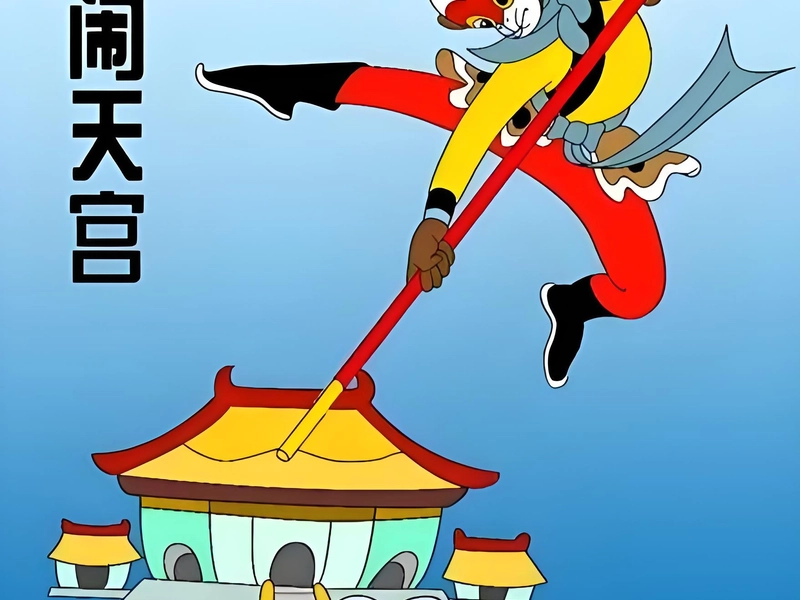
Imagine a clever, mischievous monkey born from a stone. He possesses extraordinary strength, leaps through clouds, and challenges the heavens themselves. As you picture him navigating mountains, rivers, and celestial realms, can you guess what this story might be called in Chinese? Picture his journey from learning mystical arts from wise masters to his daring adventures in the sky, all while captivating those around him with his wit and courage.
Next, envision a young boy who discovers a mysterious lamp that houses a powerful, magical being. With a single rub, unimaginable wishes can be granted, leading to adventures that cross deserts, palaces, and faraway lands. Can you imagine the dazzling spectacles and the lessons learned along the way, and how you might describe them in Chinese?
Consider a brave girl navigating a dark forest filled with fantastical creatures, cunning wolves, and hidden dangers. She must rely on her intelligence and quick thinking to overcome challenges and protect those she loves. As you imagine her journey, try picturing the story in Chinese words and sentences.
Picture a small, kind-hearted wooden figure who dreams of becoming a real child. His adventures teach him the value of honesty, courage, and empathy. Visualize his encounters with whimsical companions, the obstacles he faces, and the emotions that guide his decisions. How would you tell this story in Chinese to capture both the plot and the feelings of the characters?
Imagine two siblings venturing into a mysterious world, meeting talking animals, magical witches, and a house made of sweets. Their journey tests their resourcefulness, courage, and the strength of their bond. Can you describe the enchanted forest, the trials they face, and their clever escapes using Chinese vocabulary?
Picture a princess whose cleverness and determination help her overcome seemingly impossible challenges, gaining the admiration and love of those around her. As you think of the creative tasks she completes and the lessons she learns, imagine how you would narrate this story in Chinese.
Visualize a wooden puppet on an adventurous path, where every choice and action teaches a moral lesson. Consider how you would explain his mischief, mistakes, and moments of growth in Chinese.
Envision a magical pumpkin coach, a lost slipper, and a ball where kindness and perseverance eventually triumph. Picture the lavish palace, the excitement of the dance, and the ultimate triumph. How would you describe these iconic moments in Chinese?
Imagine a young girl wandering through a land of ice and snow, meeting strange creatures, and discovering her inner strength and the bonds of friendship. Picture the frozen landscapes, the magical interactions, and her emotional journey. How might you recount these events in Chinese, capturing both the scenery and the feelings?
Think of a clever animal outsmarting larger, stronger foes, often in amusing and surprising ways. Visualize his clever tricks and the laughter and lessons they inspire. How would you narrate these clever antics in Chinese?
Consider a young boy exploring a fantastical world, encountering giants, witches, and extraordinary adventures. Picture the dramatic landscapes, the unusual friends he makes, and the growth he experiences. Can you imagine telling this story in Chinese?
Finally, picture a mischievous girl and her family, whose adventures blend humor, chaos, and clever problem-solving. Think of the pranks, the lessons, and the laughter. How could you convey all this energy in Chinese?
Throughout today’s journey, try to imagine each story vividly: the characters, the settings, the adventures, and the lessons they teach. As you do, challenge yourself to remember or attempt their Chinese names. Picture these scenes in your mind and connect them to the Chinese words. Sharing these tales with friends or family in Chinese can help reinforce your memory and make learning the language fun.
By thinking of these stories this way, you not only explore global fairy tales but also practice Chinese in a memorable and enjoyable way.
Vocabulary
| Chinese | Pinyin | English |
|---|---|---|
| 大闹天宫 | Dà nào Tiān Gōng | The Monkey King’s Adventures |
| 阿拉丁神灯 | Ālādīng shén dēng | Aladdin and the Magic Lamp |
| 小红帽 | Xiǎo Hóng Mào | Little Red Riding Hood |
| 木偶奇遇记 | Mù'ǒu Qíyù Jì | Pinocchio |
| 糖果屋历险记 | Tángguǒ Wū Lìxiǎn Jì | Hansel and Gretel |
| 灰姑娘 | Huī Gūniang | Cinderella |
| 小木偶历险 | Xiǎo Mù'ǒu Lìxiǎn | Adventures of a Wooden Puppet |
| 南瓜车奇遇 | Nánguā Chē Qíyù | Cinderella’s Pumpkin Coach |
| 冰雪奇缘 | Bīngxuě Qíyuán | Frozen |
| 狡猾狐狸的故事 | Jiǎohuá Húlí de Gùshì | The Clever Fox Tales |
| 巨人历险 | Jùrén Lìxiǎn | Jack and the Beanstalk |
| 淘气女孩的冒险 | Táoqì Nǚhái de Màoxiǎn | Pippi Longstocking |