How Many Ways Are There to Say “Mom” in Chinese?
Mother, or 妈妈 (mā ma) in Chinese, holds a unique and irreplaceable position in every family. She is not only the nurturer of children but also a mentor, a guide, and often a lifelong friend. In Chinese culture, the concept of motherhood spans thousands of years, leaving a rich imprint in language, literature, and social norms. From the formal 母 (mǔ) or 母亲 (mǔ qīn) to the affectionate 妈妈, 妈咪, 娘, and regional dialect terms, each way of addressing a mother carries deep emotional, historical, and cultural significance. Exploring these terms is like navigating the river of Chinese civilization, each turn revealing the multifaceted role of the mother and the language used to honor her.
For those seeking to learn Chinese family words, especially words for mothers, understanding these various terms is not just a linguistic exercise—it is a journey into Chinese family values, social hierarchy, and cultural identity. This article serves as a Chinese parenting vocabulary guide, explaining different ways to say mom in Chinese, the history of Chinese mother-child relationship terms, regional variations, and contemporary innovations.
1. Historical Evolution of Motherly Terms
Pre-Qin Era: 母, 妣, 萱堂
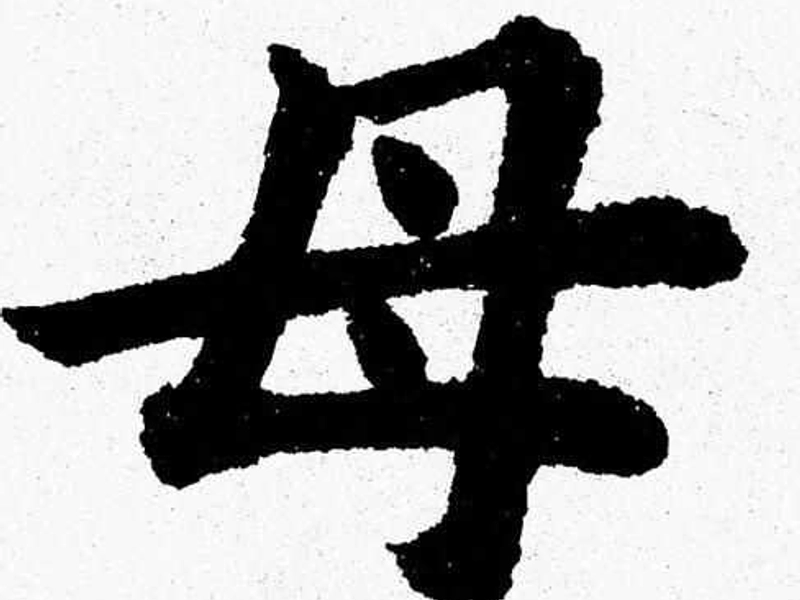
The earliest character for mother, 母 (mǔ), appears in oracle bone inscriptions during the Shang Dynasty. Its pictographic form resembles a breastfeeding woman, symbolizing nurturing, protection, and authority. Over time, 母 became the standard written term for mother, emphasizing respect and formal recognition.
Another term, 妣 (bǐ), specifically refers to a deceased mother. The ancient text Erya explains: “Father is 考, mother is 妣.” In classical Chinese culture, the distinction between a living mother and a deceased mother was significant, reflected directly in the vocabulary.
The poetic term 萱堂 (xuān táng) comes from the Book of Songs (Shijing), where 萱草 (xuān cǎo), or daylily, symbolizes worry-free joy. In ancient times, when children traveled far from home, they would plant 萱草 in the north hall of their homes, or 北堂, to comfort their mothers and symbolize filial affection. Such expressions illustrate how language, emotion, and ritual intertwined to express maternal respect.
Han Dynasty: 社, 姐
During the Han Dynasty, while 母 remained the standard literary term, colloquial addresses such as 社 and 姐 emerged. For example, in the Jianghuai region, mothers were referred to as 社, while in Sichuan, 姐 was used. Although the reasons for these regional differences are not entirely clear, they reflect the evolving interplay between formal written language and oral speech in addressing mothers.
Northern and Southern Dynasties: 家家, 阿家
During the chaotic periods of the Jin, Northern, and Southern Dynasties, migration and cultural integration led to new maternal terms. The Northern History mentions that members of the Northern Qi royal family addressed their mother as 家家, while Southern History records the term 阿家, used for elderly mothers of prominent families. These terms highlight how political, social, and ethnic factors influenced the vocabulary for mothers in Chinese history.
Sui and Tang Dynasties: 娘, 媪
The character 娘 (niáng), originally written as 孃, initially referred to young widows. By the Sui and Tang Dynasties, 娘 became a common term for mothers. Literary examples such as Du Fu’s Bingche Xing illustrate this usage:
“耶娘妻子走相送,尘埃不见咸阳桥,”showing 耶娘 as a collective term for parents.
Another less common term, 媪 (ǎo), also referred to mothers. Some ancient terms like 妪, 媓, 婆, 姥 (mǔ), 奶, 妳, and 姆 have mostly fallen out of general use but still survive in local dialects. For instance, in Fuzhou, 郎奶 may still be heard, while Nanning residents might say 阿媪, and Haikou locals might use 阿姐. These examples reveal the fascinating diversity of historical motherly terms in Chinese dialects.
Song and Yuan Dynasties: 妈, 妈妈
The single-syllable 妈 (mā) and its reduplicated form 妈妈 emerged more prominently during the Song and Yuan periods. Linguistically, the earliest sounds a newborn produces, often “ma,” coincidentally aligned with the term for mother. However, as a written character, 妈 did not become widespread until centuries later.
In literature, 妈妈 appeared in works such as Wang Yingchen’s Ji Nü Si Niang Zi Wen, showing the use of 妈妈 in both affectionate and ceremonial contexts. Interestingly, in Yuan times, 妈妈 could also denote married women or elderly female servants, demonstrating how the semantic range of maternal terms evolved over time. By the Ming and Qing dynasties, 妈, 妈妈, 娘, and 娘亲 became standard colloquial addresses for mothers.
2. Dialects: Regional Variations and Local Terms
Regional dialects preserve unique maternal terms, reflecting local culture, social norms, and linguistic patterns:
- Wu, Gan, Xiang, and Huai dialects (Shanghai, Jiangxi, Hunan, Anhui): 姆妈 (mǔ mā), equivalent to 妈妈, widely used.
- Cantonese (Guangdong, Hong Kong): 阿妈 (a mā) or 妈咪 (mā mī), emphasizing warmth and intimacy.
- Minnan/Hokkien (Fujian, Taiwan): 阿母 (a bó͘), often used in both formal and informal contexts.
- Sichuan and Chongqing: 老妈 (lǎo mā), highlighting respect for authority and labor.
- Northern dialects: 娘亲 (niáng qīn) or 娘, with historical and affectionate undertones.
Example sentences:
- 上海小朋友常说:“姆妈,我肚子饿了!” (“Mom, I’m hungry!”)
- 香港孩子叫:“阿妈,我做功课了!” (“Mom, I finished my homework!”)
- 四川妈妈常被孩子称为:“老妈,帮我拿一下水。” (“Mom, please get me some water.”)
3. Literature, Folktales, and Media References
Maternal terms are richly represented in Chinese literature, folklore, and media:
- Classical Literature: In the Book of Songs, 萱堂 symbolizes maternal love and filial duty.
- Historical Texts: Du Fu’s poetry uses 耶娘 to depict parental care in Sui-Tang society.
- Novels: In Dream of the Red Chamber, terms like 娘亲 and 妈妈 illustrate maternal authority, affection, and social standing.
- Folktales: Stories often feature wise and nurturing maternal figures who guide moral lessons, reinforcing the linguistic association of motherly terms with care and guidance.
- Modern TV and Films: Contemporary media employs 妈妈 for warmth in urban settings, 娘 or 阿妈 for historical or rural contexts, and playful internet slang to depict youth-oriented family dynamics.
These examples show how maternal terms evolve alongside social norms, technology, and cultural expressions, making them a rich field for linguistic and cultural studies.
Formal and honorific terms:
- 令堂 (lìng táng) – Respectful address for another person’s mother
- 家慈 (jiā cí) – Humble self-reference for one’s own mother
- 先慈 (xiān cí) – Deceased mother
Historical imperial and familial titles:
- 母后 (mǔ hòu) – Empress mother
- 额娘 (é niáng) – Manchu term for emperor’s mother
- 嫡母 (dí mǔ) – Principal wife as mother
- 庶母 (shù mǔ) – Secondary wife as mother
4. Internet Culture, Modern Innovations, and Contemporary Motherhood
Internet Culture and Maternal Terms
- 妈比 (mā bǐ): Derived from English “mommy,” widely used online.
- 母上大人 (mǔ shàng dà rén): Humorously elevates the mother’s status, popular in memes and gaming.
- 妈妈酱 (mā ma jiàng): Youthful, trendy variant in social media.
Emojis often accompany these terms, enhancing emotional expression. Regional online slang mirrors traditional dialects, e.g., 阿妈 (Cantonese) or 姆妈 (Shanghainese).
Modern Innovations
Compound and hybrid terms like 娘妈 (niáng mā) combine respect with intimacy. Terms such as 妈宝 (mā bǎo) humorously describe close parent-child attachment. Legal and educational contexts use neutral expressions like 监护人 (jiān hù rén) to adapt to diverse family structures. Modern media frequently refers to 现代母亲 (xiàn dài mǔ qīn) to emphasize mothers balancing career, family, and social life.
Contemporary Motherhood
Mothers in contemporary China fulfill biological, social, and cultural roles:
- Biological: Provide half of nuclear DNA and all mitochondrial DNA.
- Social/Educational: Primary caregivers and educators guiding moral and academic development.
- Cultural: Custodians of family rituals, festivals, and traditions.
- Challenges: Role conflicts arise as women balance careers and traditional expectations, reflecting evolving perceptions of Chinese mother-child relationship words.
Learning Implications
Understanding modern maternal terms helps learners:
- Recognize cultural nuance in affectionate language
- Understand regional and dialectal variations
- Connect contemporary usage with historical and literary traditions
- Apply maternal vocabulary in social, educational, and digital contexts
Related Vocabulary
| Chinese Term | Pinyin | Notes / Usage |
|---|---|---|
| 母亲 | mǔ qīn | Formal, written, or official contexts |
| 妈妈 | māma | Everyday affectionate term, widely used |
| 娘 | niáng | Literary, traditional, or regional use |
| 姆妈 | mǔ mā | Southern dialects (Wu, Gan, Xiang, Huai), affectionate |
| 阿妈 | ā mā | Southern Min dialects, affectionate |
| 阿妈娘 | ā mā niáng | Old Shanghai and some southern areas, affectionate |
| 家慈 | jiā cí | Formal, humble self-reference by children |
| 先慈 | xiān cí | Memorial or ancestral reference for deceased mother |
| 母后 | mǔ hòu | Royal or historical usage, queen mother/empress mother |
| 皇额娘 | huáng é niáng | Specific Qing dynasty title for emperor’s mother |
| 娘亲 | niáng qīn | Traditional, literary, affectionate |
| 老妈 | lǎo mā | Informal, colloquial, common in north China |
| 妈咪 | māmi | Modern, influenced by English “Mummy”, playful |
| 老妈子 | lǎo mā zi | Historical / northern dialect, sometimes household servant context |
| 媪 | ǎo | Obsolete, historical use, mainly Tang dynasty texts |