How Many Different Ways Do You Know to Call Dad in Chinese?
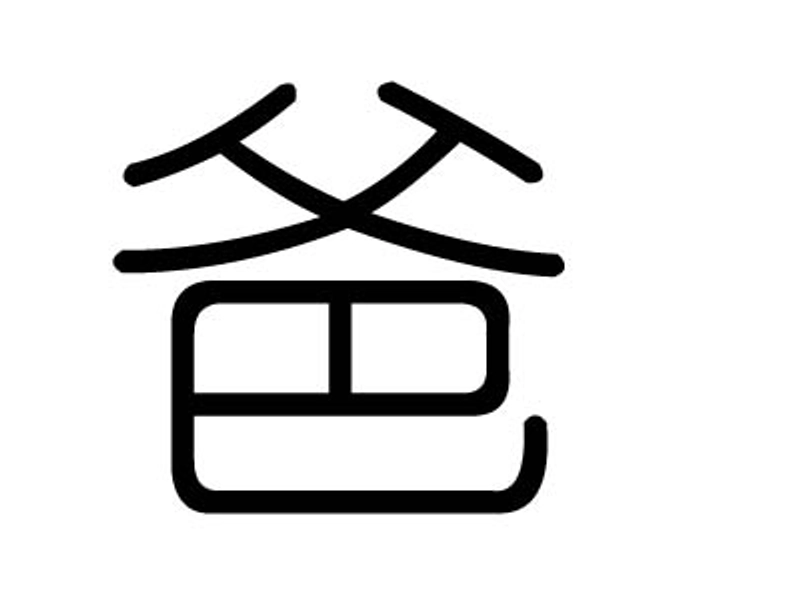
Chinese Words for Dad: Understanding Fatherhood in China
A father is an irreplaceable figure in every family. He is not only a nurturer on a child’s journey but also a mentor, a friend, and a role model in life. In China, the concept of fatherhood stretches across thousands of years of history and has left a rich imprint in language. From the formal term 父亲 (fùqīn)—one of the earliest Chinese father words—to colloquial forms such as 爸爸 (bàba), 老爸 (lǎobà), 爹 (diē), 爷 (yé), and unique local dialect expressions, each name carries emotional, cultural, and historical significance. Exploring these different ways to say dad in Chinese allows us not only to learn the Chinese words for father and dad, but also to understand the Chinese father-child relationship terms embedded in culture. Each term reflects the father’s unique role in family, society, and history.
Origins and Early History of Chinese Dad Terms
The earliest form of the character 父 appeared in oracle bone inscriptions during the Shang Dynasty. Its shape depicts a hand holding a stick, symbolizing authority, guidance, and protection. In a patriarchal society, fathers were not only the pillars of the family but also the primary enforcers of household order. Consequently, 父 dominated written language for centuries, used in formal contexts and as a respectful reference when a father was absent. This is one of the earliest forms of what we now call Father in Chinese.
In contrast, the colloquial term 爸爸 originated among the common people. Historical texts such as the Records of the Three Kingdoms (Sānguó Zhì) already recorded the character 爸, indicating that centuries ago, people were using affectionate terms for their fathers. Linguistic studies suggest that in ancient Chinese, 父 was pronounced close to “ba,” gradually evolving into modern 爸爸. Today, when we say “Dad” or 爸爸, we are not only addressing our father but also connecting with Chinese parenting vocabulary and long-standing cultural traditions.
“Diē” (爹) – Strength and Affection
The character 爹 first appeared in the Guangya dictionary compiled by Zhang Yi during the Three Kingdoms period. Its composition includes the character 多 (duō), historically symbolizing the father as one who raises many children and provides materially. By the Song Dynasty, 爹 became common in Jiangnan, forming a natural and affectionate way to refer to fathers. Especially in farming communities, fathers were central to both household management and labor, making 爹 a term of intimacy, respect, and responsibility.
In folk literature and historical narratives, 爹 often embodies the family’s strong backbone. In Dream of the Red Chamber, father figures are portrayed as both strict and loving; addressing them as 爹 conveys both warmth and authority. In modern media, 爹 remains popular in northern rural dialects or historical films, helping viewers experience traditional Chinese fatherly values and family structures. This illustrates the evolution of Chinese father nicknames and the richness of Chinese parenting vocabulary guide.
“Yé” (爷) – Authority and Respect
The term 爷 emerged during the Northern and Southern Dynasties, first used in folk speech and ballads. For instance, in The Ballad of Mulan: “At dawn, I leave my father and mother; at dusk, I camp by the Yellow River,” the word 爷 appears seven times, all referring to the father rather than the modern sense of grandfather. Over time, 爷 became common in northern dialects, reflecting both intimacy and authority.
In Cantonese, 爷 is often interchangeable with 阿爹 (ādiē) or 老爹 (lǎodiē), highlighting the flexibility of Chinese father terms in culture. In films and TV dramas, 爷 is used to portray paternal authority, particularly in historical dramas where fathers are family pillars and figures of respect. The northern rural use of 爷 conveys a mixture of warmth and dignity, demonstrating the layered meanings in Chinese father-child relationship words.
Dialects and Regional Variations: Learning Chinese Words for Dad
China’s vast geography has created a variety of Chinese kinship terms for fathers. In Sichuan and Chongqing, fathers are often called 老汉 (lǎohàn), emphasizing resilience and reliability. In parts of Shaanxi, fathers are called 达 (dá) or 阿达 (ādá), preserving ancient local linguistic traditions. In Cantonese-speaking regions, 老豆 (lǎodòu) is widely used, while in Minnan (Hokkien) areas, 阿爸 (ābà) or simply 爸 dominates.
These dialectal forms are more than linguistic curiosities—they reflect local culture, family dynamics, and social structure. The Sichuan 老汉 emphasizes authority and labor, Cantonese 老豆 conveys intimacy, and Minnan 阿爸 retains traditional clan language tones. They provide learners with Chinese kinship vocabulary for beginners and insight into Chinese dad affectionate words across regions.
Formal Titles and Respectful Terms
In formal or ceremonial contexts, a child may call their father 家父 (jiāfù), 家君 (jiājūn), or 家大人 (jiādàrén), reflecting humility and etiquette. For deceased fathers, terms such as 先父 (xiānfù), 先考 (xiānkǎo), or 先严 (xiānyán) are used. In royal families, fathers might be addressed as 父皇 (fùhuáng) or 父王 (fùwáng), and Qing dynasty princes used 皇阿玛 (huáng āmà), merging hierarchy, status, and ritual.
These titles are more than words—they represent family ethics, social rank, and cultural tradition, illustrating the importance of Chinese father titles and nicknames in history and modern understanding.
Folk Stories, Literature, and Media Examples
In Chinese literature and folklore, fathers and their titles are deeply intertwined. In Romance of the Three Kingdoms, children call their fathers 爹, showing obedience and affection. Rural folklore often depicts the “老汉” as strong, wise, and protective. Contemporary TV shows continue this tradition: urban dramas use 爸爸, emphasizing closeness, while historical dramas prefer 爹 or 爷, reflecting era and hierarchy.
These narratives deepen the emotional resonance of Chinese dad terms. In period dramas, a prince addressing his father as 父皇 shows respect and authority; in folk dramas, children calling 爹 convey warmth, dependence, and everyday family life. Such examples enrich understanding of Chinese father-child relationship terms and Chinese father affectionate terms.
Modern Evolution and Creativity
Since the 20th century, Mandarin has popularized 爸爸 as the primary Chinese word for dad nationwide, although dialects retain their uniqueness. With social media, children invent playful forms like 爸比 (bàbǐ), expressing both intimacy and individuality. Literature, films, and online culture have further diversified Chinese father nicknames and Chinese dad slang, making the image of fathers richer and more relatable.
Modern fatherhood emphasizes emotional support, communication, and shared parenting. The evolving terminology reflects the cultural transformation of fathers, illustrating Chinese parenting terms father in contemporary society.
Cultural Significance and Conclusion
In Chinese, every term for “Dad” is a cultural vessel. 父 symbolizes authority and respect, 爹 represents strength and care, 爷 blends affection with hierarchy, and 爸爸 reflects warmth and intimacy in modern families. Regional dialects and historical evolution infuse these terms with social and cultural meaning. From Shang Dynasty oracle bones to contemporary urban life, these words illustrate the enduring importance of fathers in Chinese culture.
For learners of Chinese, understanding these terms allows them to grasp Chinese family vocabulary dad, learn Chinese words for dad, and appreciate Chinese father cultural terms. Every word, every call of “Dad,” connects generations, culture, and the emotional core of family life in China.
Related Vocabulary
| Chinese Term | Pinyin | English Explanation |
|---|---|---|
| 父 | fù | Father; formal/respectful term used in writing or formal speech |
| 父亲 | fùqīn | Father; formal term, commonly used in written language |
| 爸爸 | bàba | Dad; modern common term for father in everyday speech |
| 老爸 | lǎobà | Dad; informal, affectionate, often used by children |
| 爹 | diē | Father; traditional term, often used in northern dialects or historical contexts |
| 爷 | yé | Father; indicates respect or authority in addition to affection |
| 老汉 | lǎohàn | Father; used in Sichuan/Chongqing dialects, conveys strength and reliability |
| 达 | dá | Father; used in parts of Shaanxi dialect |
| 阿达 | ādá | Father; affectionate Shaanxi dialect term |
| 老豆 | lǎodòu | Father; Cantonese dialect term, casual and affectionate |
| 阿爸 | ābà | Father; Minnan/Hokkien dialect term |
| 父皇 | fùhuáng | Father Emperor; used in royal contexts |
| 父王 | fùwáng | Father King; used in royal or historical contexts |
| 皇阿玛 | huáng āmà | Father; Qing dynasty princes’ term for their father, the emperor |
| 先父 | xiānfù | Late father; respectful term for a deceased father |
| 先考 | xiānkǎo | Late father; formal term used in ancestral rites |
| 家父 | jiāfù | My father; polite/respectful self-reference |
| 家君 | jiājūn | My father; formal, respectful |
| 家大人 | jiādàrén | My father; formal/respectful |