Exploring Chinese Food: From Traditional Dishes to Modern Culinary Trends
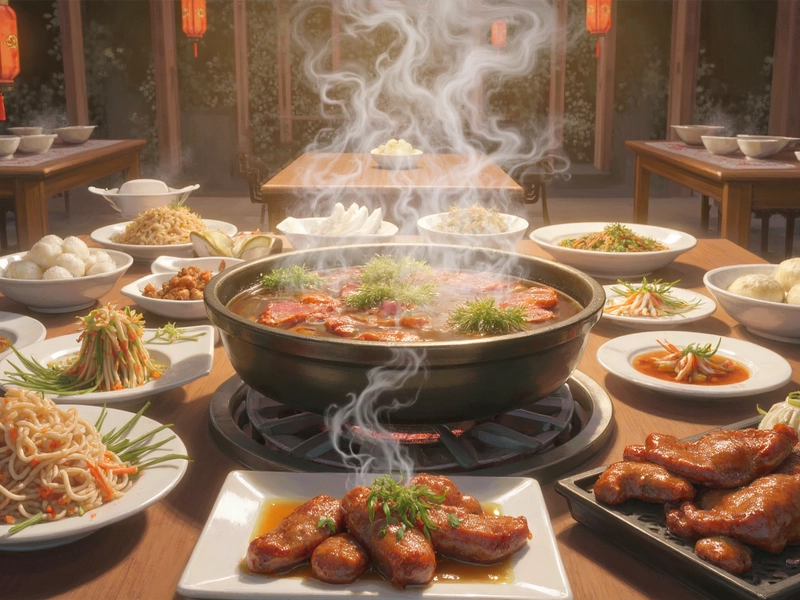
Chinese food is one of the world’s most celebrated and diverse cuisines. With thousands of years of history, China has developed an incredibly rich culinary tradition that reflects its vast geography, regional diversity, and cultural heritage. From the imperial kitchens of Beijing to bustling street food markets in Shanghai, traditional Chinese food, authentic Chinese dishes, and popular Chinese foods offer a wide array of flavors for locals and international visitors alike. Whether you are searching for good Chinese food near me, a China buffet, or aiming to try the best Chinese dishes, there is an abundance of options for all tastes.
The History and Evolution of Chinese Cuisine
Chinese cuisine is deeply connected to the nation’s history and culture. Its origins date back to ancient China, where cooking techniques were influenced by local ingredients, seasonal availability, and philosophical principles such as balance and harmony. Over time, culinary methods were refined, giving rise to the sophisticated Chinese traditional cuisine we know today.
Different regions developed distinct cooking styles due to geography and climate. Northern China, with its colder winters, focuses on wheat-based foods such as noodles, dumplings, and steamed buns. Southern China, a major rice-producing region, emphasizes rice dishes, seafood, and lighter flavors. Central and western regions incorporate bold spices and robust flavors, producing typical Chinese dishes that are widely celebrated.
The imperial kitchens of dynasties like the Tang, Song, and Ming played a significant role in shaping Chinese food culture. Royal chefs experimented with ingredients and perfected cooking techniques, creating famous Chinese dishes like Peking duck and braised pork belly. These dishes, deeply rooted in history, continue to define traditional Chinese dishes today.
Key Regional Cuisines
- Cantonese (Guangdong) Cuisine: Known for dim sum, fresh seafood, and light flavors. Signature dishes include roasted meats, barbecued pork, and wontons.
- Sichuan Cuisine: Famous for bold, spicy, and numbing flavors. Staples include mapo tofu, Kung Pao chicken, and hot pot.
- Shandong Cuisine: Emphasizes seafood and soups with simple seasoning and techniques such as roasting and braising.
- Jiangsu Cuisine: Delicate flavors, beautiful presentation, and use of freshwater ingredients.
- Zhejiang Cuisine: Light, fresh seafood and vinegar-based sauces. Dishes include West Lake fish in vinegar sauce.
- Fujian Cuisine: Focuses on soups, seafood, and umami-rich ingredients such as mushrooms and ham.
- Hunan Cuisine: Spicy, sour, and aromatic, often using chili peppers and smoked meats.
- Anhui Cuisine: Rustic, hearty flavors with wild herbs, bamboo shoots, and stewing techniques.
Traditional Chinese Dishes
- Dumplings (饺子 jiǎozi): Popular in northern China and during festivals.
- Peking Duck (北京烤鸭 běijīng kǎoyā): Famous for its crispy skin and tender meat.
- Sweet and Sour Pork (糖醋里脊 tángcù lǐjǐ): A tangy-sweet Cantonese specialty.
- Kung Pao Chicken (宫保鸡丁 gōngbǎo jīdīng): A Sichuan classic with peanuts and vegetables.
- Hot Pot (火锅 huǒguō): A communal meal of meats, vegetables, and tofu cooked in simmering broth.
- Braised Pork Belly (红烧肉 hóngshāo ròu): Tender pork in a sweet-savory sauce.
- Longevity Noodles (长寿面 chángshòu miàn): Symbolizing long life, often eaten during birthdays.
Street Food and Snacks
- Baozi (包子): Steamed buns filled with meat or vegetables.
- Jianbing (煎饼): Savory crepes often with egg, scallions, and fried crackers.
- Tanghulu (糖葫芦): Candied fruit skewers, typically hawthorn or cherry.
- Zongzi (粽子): Glutinous rice wrapped in bamboo leaves, eaten during Dragon Boat Festival.
- Youtiao (油条): Deep-fried dough sticks, usually served with soy milk.
Chinese Buffets and Restaurant Culture
Chinese buffets provide an opportunity to explore a variety of dishes in one sitting. A China buffet may offer fried rice, chow mein, dim sum, soups, meats, and desserts, perfect for sampling common Chinese food.
For those searching for good Chinese food near me or delivery Chinese food near me, restaurants now cater to both traditional tastes and modern dining preferences. While some diners enjoy Westernized interpretations, others prefer authentic Chinese dishes such as mapo tofu or Peking duck.
High-end Chinese restaurants elevate traditional cuisine with modern techniques, presentation, and high-quality ingredients. Chefs creatively combine flavors, textures, and aesthetics to redefine Chinese fashion cuisine, attracting food lovers from around the world.
Cultural Significance of Chinese Food
- Dumplings symbolize wealth and prosperity.
- Fish (鱼 yú) signifies abundance and is often served whole.
- Mooncakes (月饼 yuèbǐng) celebrate the Mid-Autumn Festival.
- Sticky rice cakes (年糕 niángāo) symbolize growth and success during Lunar New Year.
Regional Favorite Dishes
- Northern China: Beef and noodle soup (牛肉面 niúròu miàn), Steamed buns (包子 bāozi), Dumplings (饺子 jiǎozi)
- Southern China: Dim sum (点心 diǎnxīn), Steamed fish with ginger and scallions, Sticky rice dumplings (粽子 zòngzi)
- Sichuan and Hunan: Mapo tofu (麻婆豆腐 mápó dòufu), Spicy hot pot (火锅 huǒguō), Kung Pao chicken (宫保鸡丁 gōngbǎo jīdīng)
- Eastern China: Red-cooked pork (红烧肉 hóngshāo ròu), West Lake fish in vinegar sauce, Sweet and sour mandarin fish
Modern Trends in Chinese Food
Contemporary Chinese cuisine blends tradition with innovation. Chefs experiment with new ingredients, global flavors, and artistic presentation. Food delivery apps and social media make popular Chinese dishes easily accessible, allowing people to enjoy good Chinese food dishes at home or work.
Global influences, including Western fast food, Japanese (日风), and Korean (韩流) trends, have also shaped Chinese urban dining. Despite these external influences, traditional Chinese food continues to be a source of pride and cultural identity, with younger generations rediscovering the flavors of their heritage.
Recommended Dishes to Try
- Peking Duck (北京烤鸭 běijīng kǎoyā)
- Sweet and Sour Pork (糖醋里脊 tángcù lǐjǐ)
- Kung Pao Chicken (宫保鸡丁 gōngbǎo jīdīng)
- Mapo Tofu (麻婆豆腐 mápó dòufu)
- Hot Pot (火锅 huǒguō)
- Dim Sum (点心 diǎnxīn)
- Fried Rice (炒饭 chǎofàn)
- Spring Rolls (春卷 chūnjuǎn)
- Braised Pork Belly (红烧肉 hóngshāo ròu)
- Longevity Noodles (长寿面 chángshòu miàn)
Related Vocabulary
| Chinese | Pinyin | English |
|---|---|---|
| 饺子 | jiǎozi | Dumplings |
| 北京烤鸭 | běijīng kǎoyā | Peking Duck |
| 麻婆豆腐 | mápó dòufu | Mapo Tofu |
| 宫保鸡丁 | gōngbǎo jīdīng | Kung Pao Chicken |
| 糖醋里脊 | tángcù lǐjǐ | Sweet and Sour Pork |
| 火锅 | huǒguō | Hot Pot |
| 点心 | diǎnxīn | Dim Sum |
| 炒饭 | chǎofàn | Fried Rice |
| 春卷 | chūnjuǎn | Spring Rolls |
| 红烧肉 | hóngshāo ròu | Braised Pork Belly |
| 中餐 | zhōngcān | Chinese Food |
| 中国菜 | zhōngguó cài | Chinese Cuisine |
| 自助餐 | zìzhùcān | Buffet |
| 外卖 | wàimài | Delivery |
| 特色菜 | tèsè cài | Specialty Dish |
| 美食 | měishí | Delicious Food |
| 推荐菜 | tuījiàn cài | Recommended Dish |
| 流行菜 | liúxíng cài | Popular Dish |
| 正宗中餐 | zhèngzōng zhōngcān | Authentic Chinese Food |
| 中式餐厅 | zhōngshì cāntīng | Chinese Restaurant |