A Brief History of the NBA in China
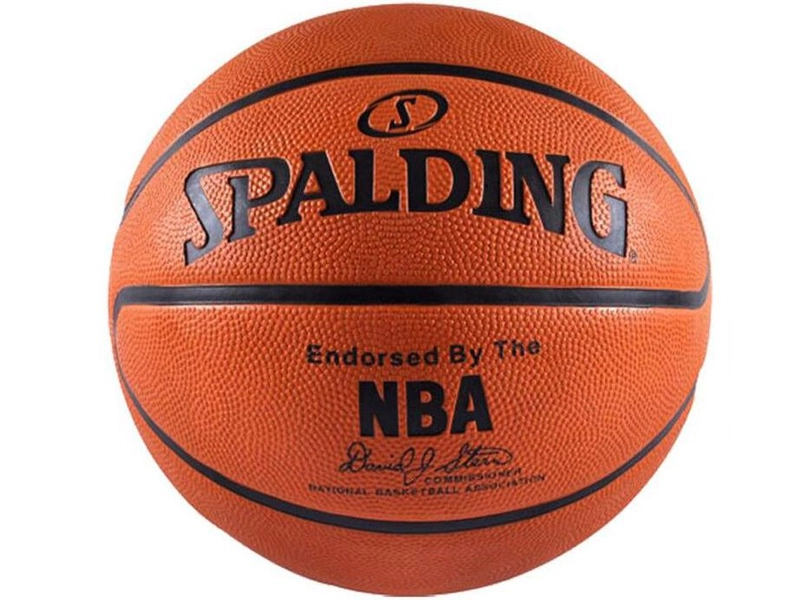
China Meets the NBA
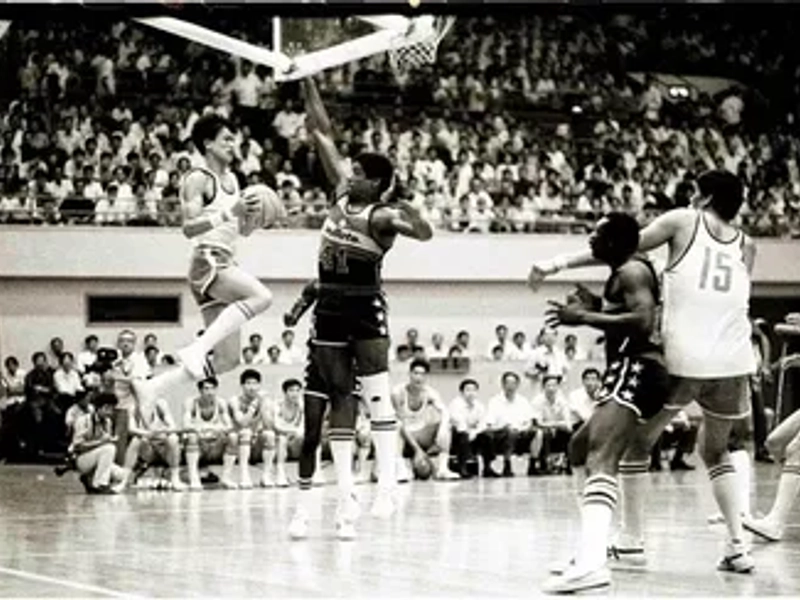
Forty years ago, basketball was still an unfamiliar sport imported from overseas. Chinese audiences could only catch glimpses of the world through blurry black-and-white photos. In 1979, the Washington Bullets (now the Washington Wizards) were invited to China to play an “exhibition match for friendship” against the Chinese men’s national basketball team. This was more than just a game; it was a symbolic act of diplomatic thawing—a small experiment in using sport to bridge the world. At that time, China had just begun its reform and opening-up, the nation was cautiously stepping onto the global stage, and the public was filled with curiosity and wonder about the outside world. The collision of Chinese and American basketball on the court carried not only athletic significance but also cultural exchange and spiritual resonance.
Today, the scene is entirely different. A single live broadcast of NBA stars visiting China can attract tens of millions of viewers in real time, while related topics on Weibo, Douyin, and Bilibili easily exceed a billion interactions. Basketball is no longer merely a sport; it has become a cultural symbol, a social language, and a commercial ecosystem. Jerseys, sneakers, basketball terminology, and even players’ personal styles have permeated campuses, communities, and the online world, touching every facet of young people’s lives.
In just over forty years, the NBA has grown from a small window through which Chinese people glimpsed the outside world into a grand bridge connecting Chinese and American societies, cultures, and economies. This bridge carries sports dreams as well as memories of societal change—the cautious curiosity of the early reform era, the passion and integration of the new millennium, the interactivity and entertainment of the social media age, and the complex dynamics of modern globalization. It has witnessed the nation’s growth while reflecting layers of social, cultural, and economic transformation. On this bridge are players’ glory, fans’ passion, commercial calculations, and cultural collisions. It is not just a path to the world—it is also a mirror, reflecting how Chinese society engages with global culture, negotiating the balance between dreams and reality.
Understanding the construction and journey of this bridge is to understand a microcosm of an era, and to grasp a vivid slice of China’s relationship with the world.
Breaking the Ice and Enlightenment (1979–2002) — A Spark of Light
Sports as a Diplomatic Messenger
In 1979, just after the establishment of diplomatic relations between China and the United States, the world still seemed distant and unfamiliar. That year, the Washington Bullets (now the Washington Wizards) were invited to China to play a “friendship first” exhibition game against the Chinese men’s national basketball team. The final score has long faded from memory, but the encounter marked a new chapter in sports diplomacy.
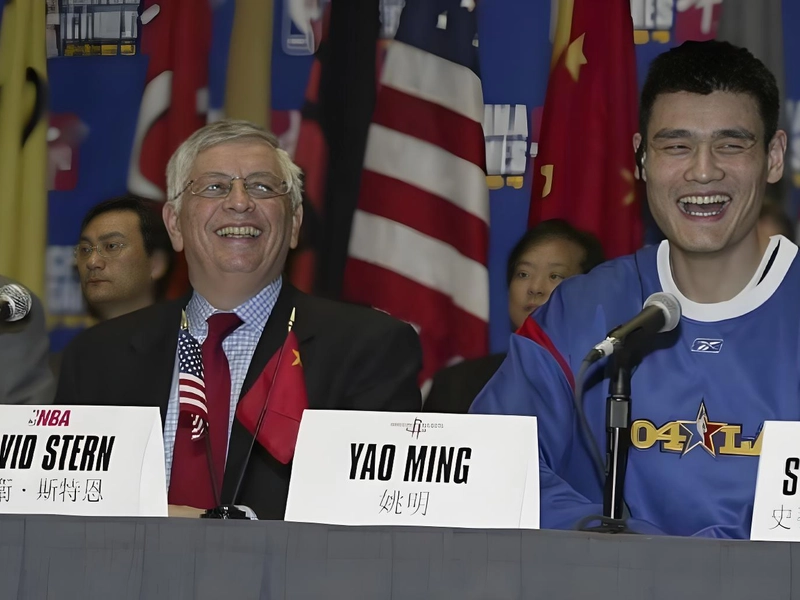
At the time, NBA Commissioner David Stern had recently taken office. He keenly realized that basketball was not only an American sport but also a universal language capable of bridging cultures. In China, Deng Xiaoping’s reform and opening-up was slowly taking shape—markets were emerging, ideas were opening, and young people were filled with curiosity about the outside world. In that moment, the aspirations of both sides intersected, igniting a small spark and laying the groundwork for decades of Sino-American sports and cultural exchange.
The game was not broadcast live; only a handful of spectators in the stadium witnessed it firsthand. Yet, as later generations would say, “It was a handshake of destiny.” Basketball became the first thread connecting China and the United States, opening a window to the world for Chinese fans.
The Magic of Television
The Era of VHS Tapes
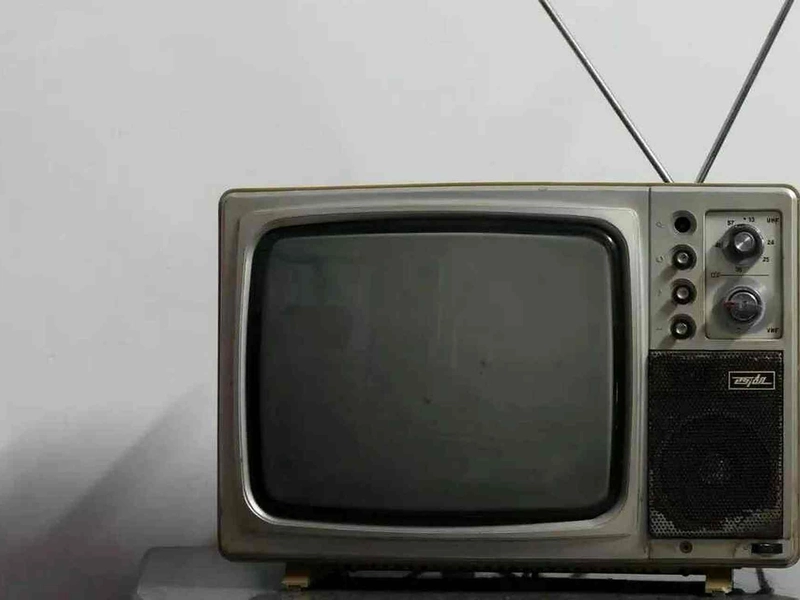
In the late 1980s, television screens in China were still limited, color broadcasts were rare, yet programs like CCTV’s On the Court and World Sports Report began sporadically showing NBA recordings. Michael Jordan, Magic Johnson, Larry Bird… their leaps, glides, and dunks on the screen seemed almost divine, carrying a thrill that transcended time and space.
For that generation of young people, the NBA was more than a sports competition; it was a window into a foreign way of life—speed, freedom, individuality, flamboyance—all became synonymous with basketball. The excitement and skill on the court went far beyond wins and losses; they embodied imagination about personal style, free spirit, and modern urban living. Teenagers imitated moves, debated players, and even set up makeshift hoops in alleyways, turning the miracles they saw on TV into daily practice. To them, the NBA was no longer a distant event—it was a tangible space of dreams.
The Era of Live Broadcasts
By the 1990s, with the gradual spread of satellite signals and live broadcast technology, the NBA began to shed the limitations of taped recordings. A legendary story circulated widely—“Stern waited an hour outside CCTV, just to knock on the door of the Chinese market.” True or not, it symbolized the NBA’s proactive efforts to communicate and engage.
For the first time, Chinese audiences could feel the rhythm and excitement of NBA games in real time. Every dunk, three-pointer, and buzzer-beater held viewers in suspense. Living rooms, dormitories, and school broadcast rooms became “viewing arenas” that spanned the Pacific. Jordan’s drives, Magic’s assists, Bird’s long-range shots not only shaped individual heroism but subtly influenced Chinese youth’s understanding of sports, teamwork, and competition.
More importantly, the visual impact and immediacy of television made the NBA a part of young people’s lives in China. Imitating Jordan’s dunks on street courts, debating “who is the best player” on campuses—all extended the influence of television. Basketball became more than a game; it became a symbol of dreams, idols, and cultural identity.
The Birth of the First Basketball Idol
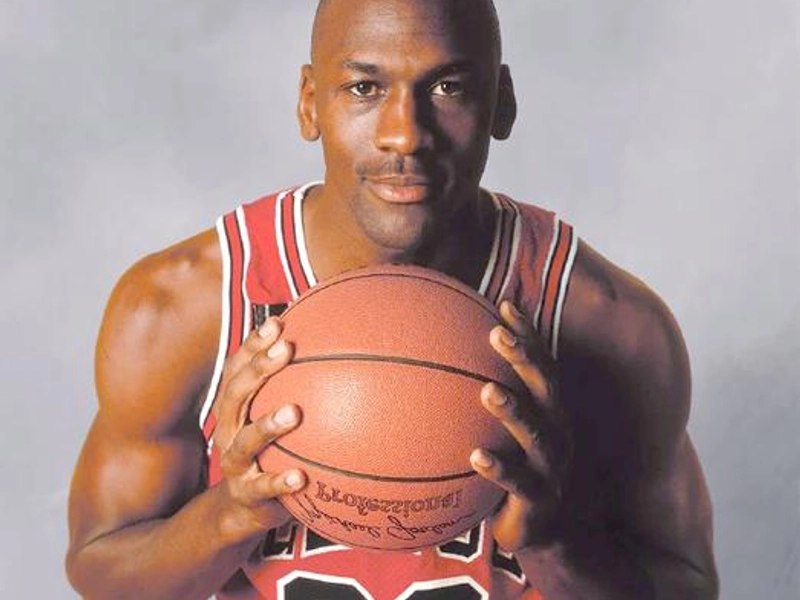
Yes, it was Jordan who became China’s first basketball idol of that era.
He was not only the “God of Basketball” but also a global symbol of 1990s sports and culture—embodying individual heroism, leading commercial culture, and representing fashion trends. Michael Jordan’s influence extended far beyond the court. He redefined what it meant to be a global sports icon: from TV screens to advertisement posters, from sneaker trends to movie endorsements, his name and image became part of global culture. In the U.S., he set the model for modern sports stars—giving his all on the court while carefully managing his public image off it. In Japan, Europe, Africa, and even the Middle East, Jordan’s games and sneakers sparked intense imitation and discussion.
In China, his impact was equally profound. Wearing a pair of Air Jordans felt like a breath of freedom, a sense of modernity, and adventurous spirit. For those born in the 1960s, 70s, and 80s, Jordan symbolized not only athletic excellence but also a “believable legend.” He made people realize for the first time that sports were about more than victory—they were about dreams, effort, and limitless possibilities.
Jordan’s style was full of tension: drives, fadeaways, buzzer-beaters—each move held viewers in suspense. His resilience, composure, and obsession with victory set an example for young fans; his commercial image, professionalism, and personal style demonstrated the deep connection between sports, society, culture, and commerce. Basketball became a global language for self-expression, striving for breakthroughs, and participating in world culture.
Jordan was not only a symbol of American sports but also a catalyst for global popular culture. He made basketball a universal language, sneakers a fashion statement, and sports a nexus of entertainment and commerce. His presence proved that an athlete’s influence can transcend borders, languages, and cultures, profoundly shaping the values and lifestyles of generations.
Ripples in Society and Culture
The NBA’s emergence also sparked wider social and cultural effects. Young people imitated their idols’ moves, campus courts flourished, and basketball became both a social connector and a status symbol. It was no longer just a sport—it was part of urban culture. Sports newspapers, TV programs, sneaker trends, and street basketball gradually formed an intertwined cultural network, tightly linking basketball with youth memories.
Over these twenty-plus years, the NBA quietly planted seeds in China: from a diplomatic messenger to a cultural symbol, from pure competition to a cross-border dream. It laid a solid foundation for the era of Yao Ming and the localization of basketball culture. This period, like a spark, small yet potent, foreshadowed a future blaze.
Honeymoon and Integration (2002–2016) — Rockets Ascend
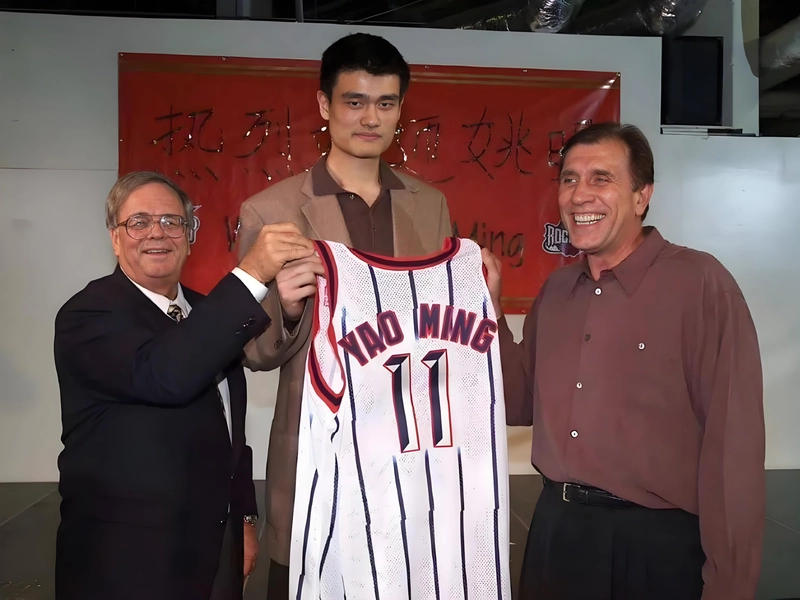
If the first phase of the NBA in China was “enlightenment,” then 2002 marked the beginning of an unprecedented “honeymoon” period, when Yao Ming joined the Houston Rockets as the top draft pick. These fifteen years became a golden era in which the NBA evolved from a “trend” into a “lifestyle,” blending sports, culture, and commerce.
The Nuclear Fusion Effect of the “Yao Ming Era”
In the summer of 2002, a 2.26-meter-tall young man entered the NBA draft—Yao Ming. From that moment, his name became almost synonymous with “China–U.S. sports exchange.” His debut was not just a personal milestone but a national highlight. Suddenly, the NBA was no longer “someone else’s stage”; it was a place where Chinese players could shine. Yao’s humility, humor, and relentless work ethic allowed hundreds of millions of Chinese fans to feel, for the first time, that the world was within reach.
National Hero and Cross-Cultural Bridge
Yao was more than a player; he became a phenomenon. Draft night in 2002 captured the nation’s attention, and he carried not just the Rockets’ future but the hopes of a nation. Every point scored and rebound grabbed symbolized China’s prowess on the global sports stage. His matchups with Shaquille O’Neal—the “Yao-Shaq Showdowns”—went beyond basketball, becoming epic dialogues between East and West. With humility, wit, and high emotional intelligence, Yao shattered Western stereotypes about China, becoming a cultural ambassador that conveyed the image of a modern, confident nation. His presence elevated international recognition of both himself and China, making sports a bridge for Sino-American cultural exchange that transcended the court.
Commercial Golden Age and Superstar Popularity (2002–2016)
Yao’s arrival ignited the NBA’s commercial golden era in China. The Houston Rockets became the “home team” for hundreds of millions of Chinese fans; weekly games became family rituals, often drawing triple the viewership of other matches. This enthusiasm was not just a matter of watching games—it became a social and cultural identification. Chinese brands like Peak, Anta, and Li-Ning leveraged player endorsements, sideline ads, co-branded sneakers, and marketing campaigns to expand into international markets. NBA stars became household names, their images permeating daily life. Basketball had become more than a sport; it was now a cultural symbol, a fashion statement, and a lifestyle.
During this period, NBA players reached unprecedented popularity in China, not only dominating on the court but influencing youth through media, commercial exposure, and street culture. Chronologically, their impact can be summarized as follows:
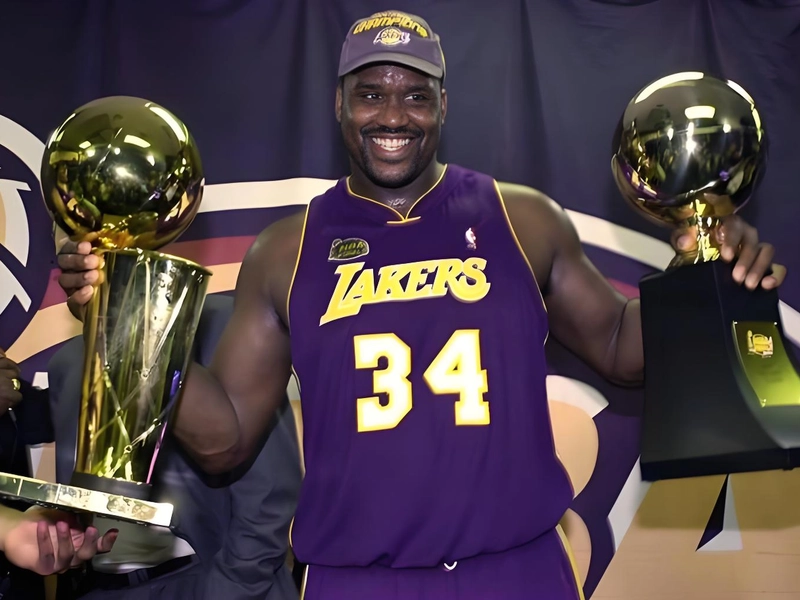
Shaquille O’Neal – By the early 2000s, Shaq was already a league superstar. His dominant post play, powerful dunks, and approachable humor further fueled Chinese enthusiasm for the NBA. The Yao-Shaq Showdowns became classic topics, amplifying the “super giant” effect in China and giving fans a comprehensive view of sports idol culture.
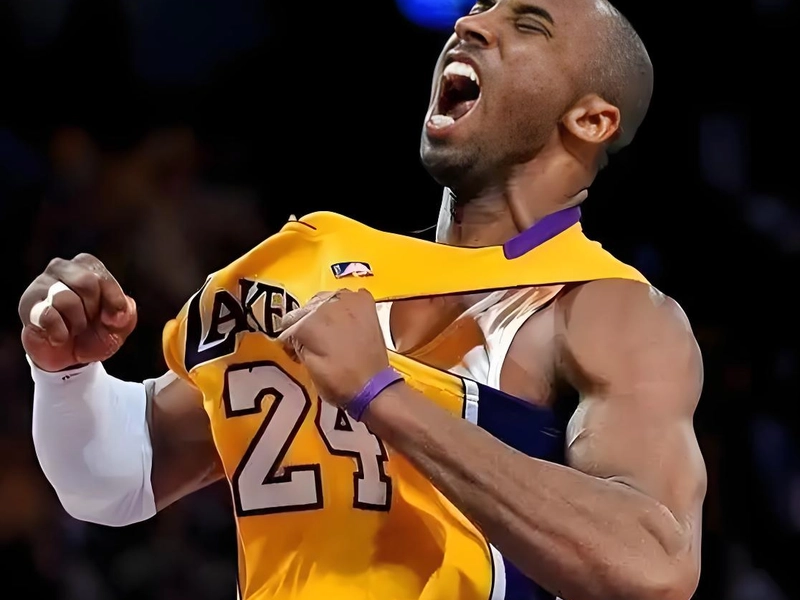
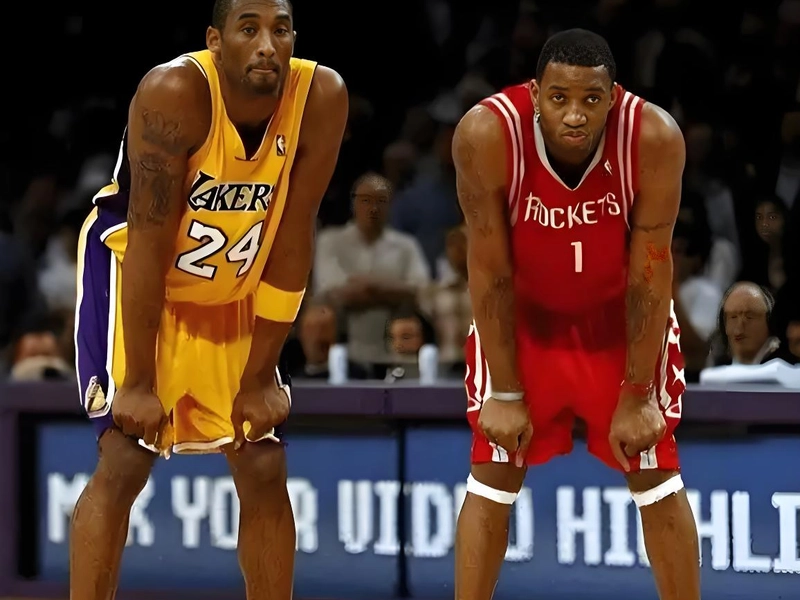
Kobe Bryant – From the early 2000s, the No. 24 Lakers jersey became a street fashion for youth, and the “Black Mamba mentality” symbolized focus and perseverance. Kobe’s composure under pressure, dedication to victory, and rigorous training made him a role model, sparking a “Kobe craze” and influencing sneaker culture and youth sports culture.
Tim Duncan – The “Big Fundamental,” steady as a rock. Duncan’s team-oriented mindset, low-profile style, and versatile dominance illustrated that basketball was about intelligence and responsibility as much as individual heroics.
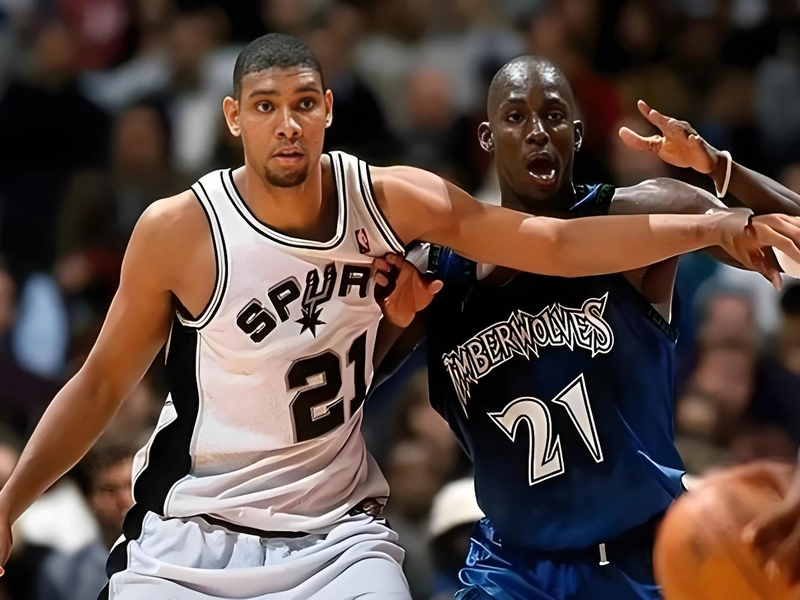
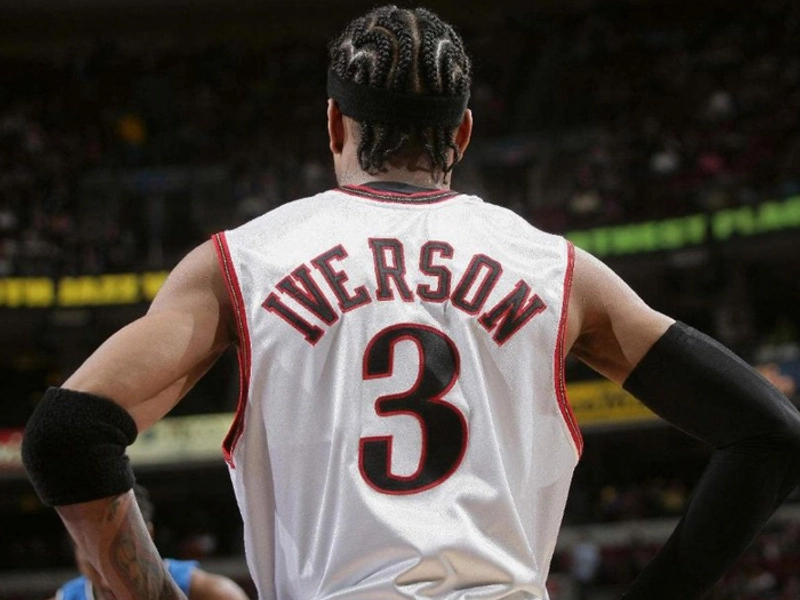
Allen Iverson – Emerging alongside Kobe, Iverson’s cornrows, oversized clothing, and aggressive drives shaped street basketball culture. He symbolized rebellion and self-expression, influencing youth identity beyond the court.
Tracy McGrady – Famous for the “13 points in 35 seconds,” McGrady’s explosive style inspired countless young fans, representing tenacity and the pursuit of personal limits.
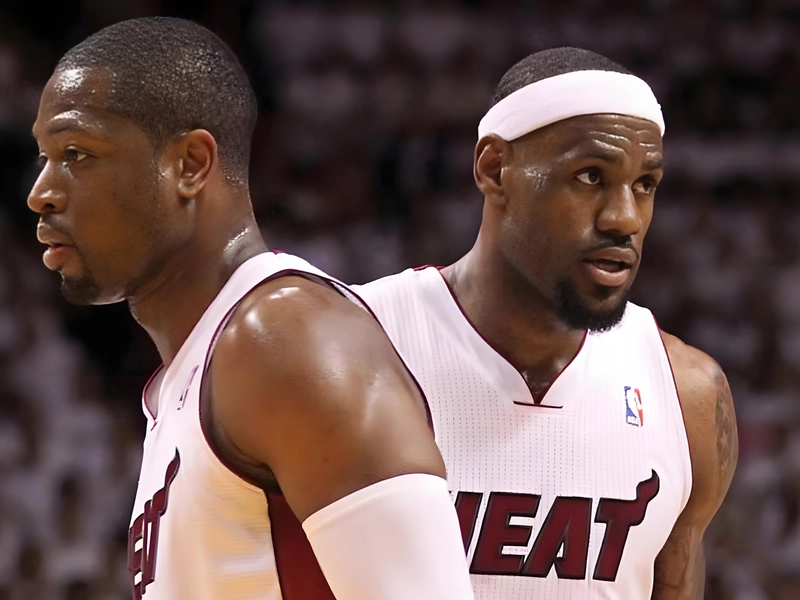
Dwyane Wade – Known for agility, mid-range skill, and clutch performance, Wade’s game emphasized teamwork and versatility, also boosting sneaker trends and brand engagement.
LeBron James – Rising in the late 2000s and 2010s, LeBron became an all-around idol—athletic prowess, fashion sense, family appeal, and social responsibility—capturing fans across generations.
Dirk Nowitzki – Known for precise shooting and humility, Dirk exemplified a technical, strategic superstar model that inspired Chinese youth to value skill and intelligence in basketball.
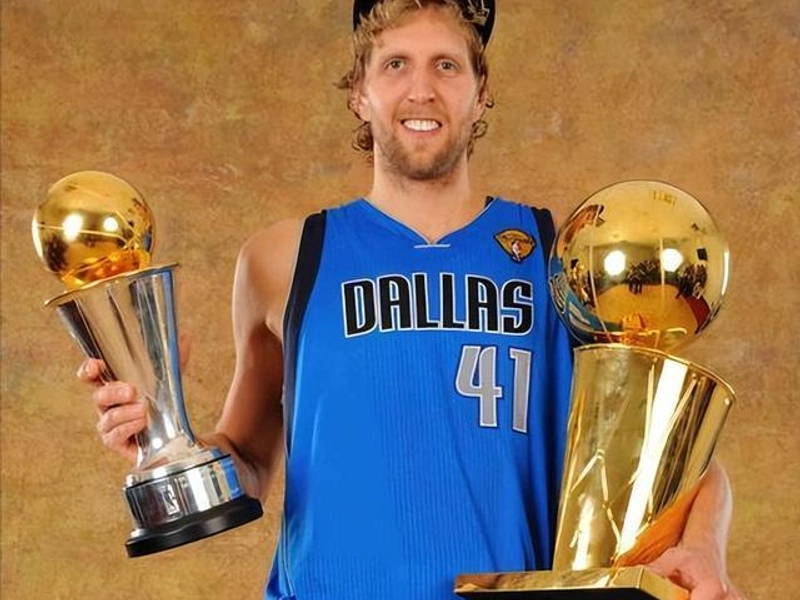
Stephen Curry – Emerging in the early 2010s, Curry’s sharpshooting and dynamic playstyle revolutionized modern basketball. With multiple championships and the 2022 Finals MVP, Curry’s influence highlighted the integration of individual skill and team tactics, inspiring a new generation of young fans.
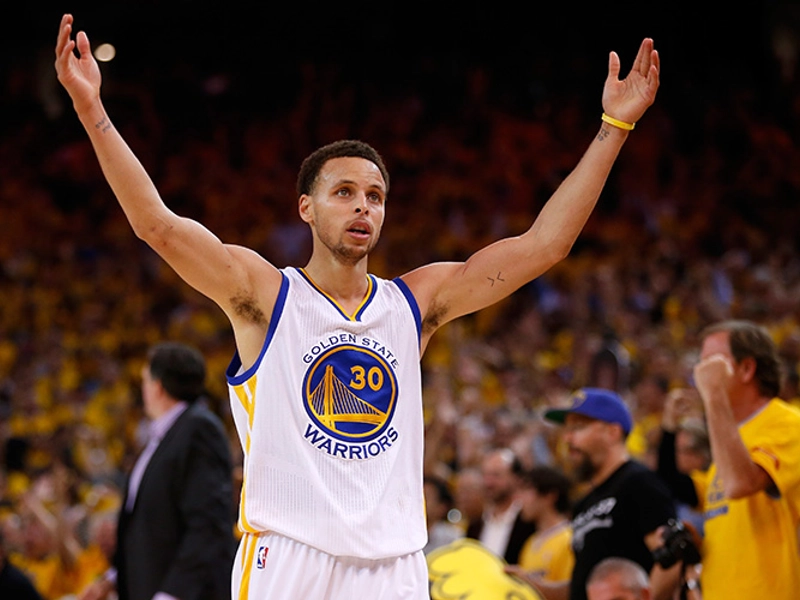
From Shaq to Duncan, Kobe to LeBron, and eventually Curry, NBA stars successively became idols for Chinese fans, with Yao serving as the bridge amplifying their influence. The intersection of competition, stardom, commerce, and society created a cultural “nuclear fusion,” embedding basketball in a generation’s collective memory. Fans celebrated victories while engaging with idol culture, sneaker trends, and community, witnessing the “three-point revolution” and dynamic play that strengthened basketball’s modern diversity. This deep and lasting influence laid a strong foundation for the NBA’s localization in China.
Deep Localization: From “Introduction” to “Rooted Presence”
If Yao Ming brought the NBA into the hearts of Chinese fans, localized operations ensured the league took root in the country.
Event Localization
Since 2004, the NBA China Games became a regular fixture. American teams rotated through Shanghai, Beijing, and Shenzhen, delivering authentic professional basketball experiences. These events were more than games—they were rituals: lights on, players entering, fans cheering “MVP”—for the first time, Chinese audiences felt the real energy of the NBA at home. Stars like LeBron James, Stephen Curry, and Kevin Durant turned game attendance into a pilgrimage, forging emotional connections with Chinese fans. Fan interactions, autograph sessions, and performance segments integrated sports experience with social entertainment, making NBA events an integral part of urban culture.
NBA China Tours
Beyond games, the NBA China Tour became a key way for stars to interact with fans. Through training camps, campus activities, meet-and-greets, and city exhibitions, fans could not only “watch basketball” but also “experience basketball.”
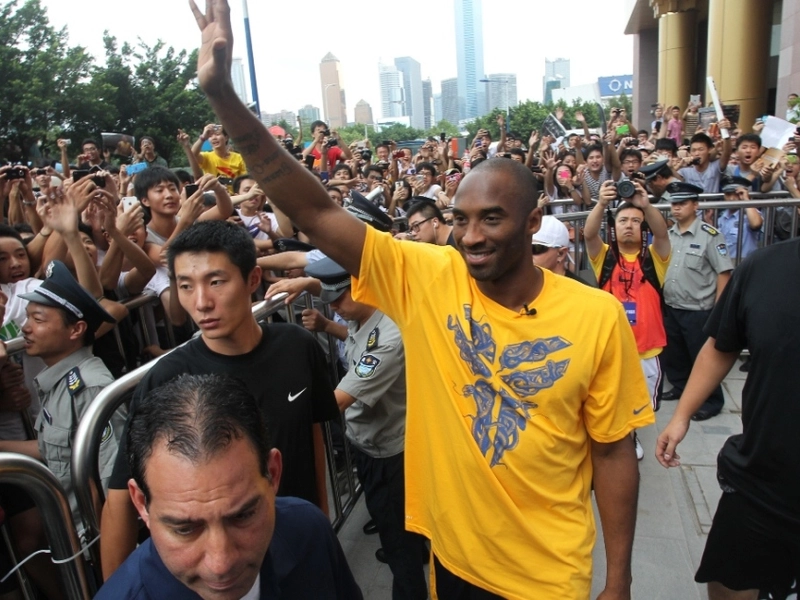
Face-to-Face Interaction: Yao Ming, Kobe Bryant, Shaquille O’Neal, LeBron James, Stephen Curry, and other stars participated in autograph sessions, training demos, and skills coaching, directly engaging with the passion and dreams of Chinese youth.
Charity and Education: Players visited schools and communities to deliver basketball training, health guidance, and donations, linking basketball culture with education and social responsibility.
City Culture Integration: In Shanghai, Beijing, Shenzhen, Guangzhou, and Chongqing, NBA tours integrated local festivals, commercial events, and collaborations with trend brands, extending basketball games into social and cultural experiences.
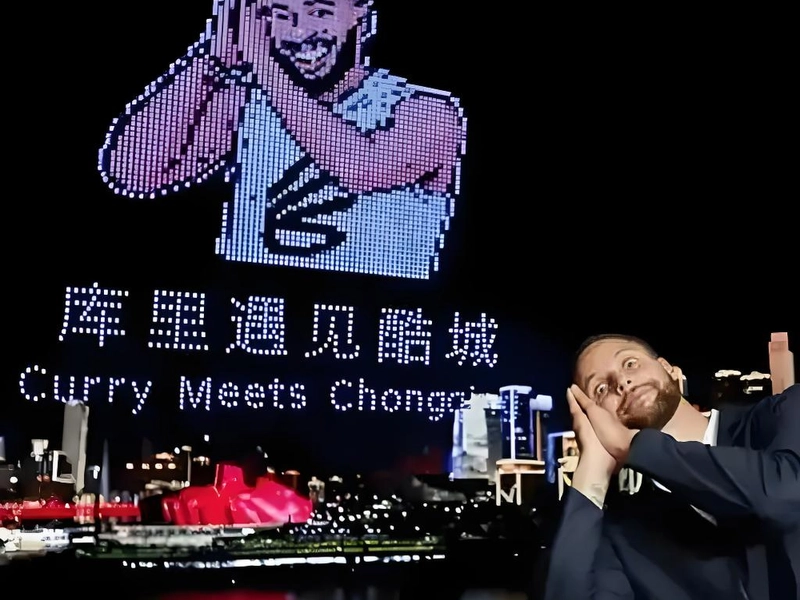
NBA China Tours increased event popularity while turning basketball into a cross-border cultural bridge, connecting idol appeal, athletic excitement, and social entertainment. Basketball evolved from sport into a lifestyle, furthering the NBA’s deep localization in China.
Digital Infrastructure
In the internet era, the NBA partnered with platforms like Sina and Tencent, fully integrating event info and video content into China. In the portal era, Sina’s NBA channel became a “go-to spot” for office and school breaks; in the mobile era, Tencent’s exclusive digital rights enabled HD streaming, multiple commentary options, and interactive communities nationwide. Fans could watch games live, vote, discuss, and participate virtually. Basketball became the background soundtrack for generations born in the 1990s and 2000s, also serving as a social language and identity marker. Through technology and platforms, NBA experiences extended into every corner of daily life, creating unprecedented immersive engagement.
Cultural Symbiosis: Basketball as a “Mother Tongue”
Language Integration:
Terms like “block,” “dunk,” and “buzzer-beater” entered everyday vocabulary; McGrady’s “35 points in 35 seconds” became shorthand for “miracle” and “never give up.” Basketball language became embedded in youth culture, influencing social expression and communication. From campuses to workplaces, basketball terminology became a symbol of identity and self-expression.
Street Fashion:
Jerseys evolved from athletic gear to fashion statements. Iverson’s cornrows and oversized clothing, Kobe’s No. 24 Lakers jersey, all became street style icons. Courts became crucial social spaces where youth honed skills, sought belonging, and expressed identity. Basketball elements integrated with street dance, music, and urban art, intertwining sports, fashion, and lifestyle.
Dream Realization:
Every young player sweating on a summer afternoon carried an “NBA dream.” Yao and Yi Jianlian’s success made dreams tangible. Basketball became a way to embody heroism, linking sports, idols, aspirations, and social interaction. Imitating idols, joining street games, and engaging in basketball communities allowed youth to transform dreams into action, completing a cycle from spectating to participation, and from personal passion to cultural identity.
During this stage, the NBA became more than a sports league—it was a lifestyle, a social phenomenon, and a chapter in cross-cultural interaction. The deep integration of basketball culture with everyday life ensured the NBA’s influence in China extended beyond sports, permeating social interaction, fashion, education, and urban life, laying a solid foundation for the subsequent “flow and turbulence” and “reconstruction and resonance” phases.
Traffic, Turbulence, and Under Currents (2017–2021) — The Shadow of the Bridge at the Crossroads
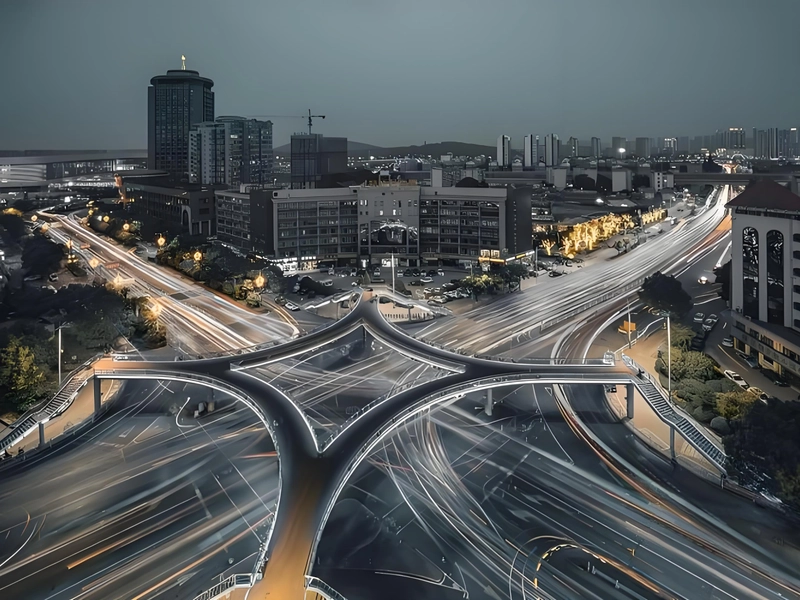
By 2017, the NBA’s identity in China underwent a subtle transformation. It was no longer just a sports league; it had become a supercharged platform of social traffic, a cultural symbol, and a complex commercial ecosystem. This period marked the NBA’s “social media era” in China and arguably one of its most intricate phases: a convergence of attention, controversy, and real-world complexities.
1. The Peak of Attention
The spread of social media instantly embedded the NBA into the daily rhythm of young people. Platforms such as Weibo, Douyin, and Bilibili became new “stands,” where any highlight—Kobe’s clutch shots, LeBron’s soaring blocks, Curry’s pinpoint threes, Wade’s heartfelt retirement ceremonies—could generate tens of millions of views. These moments transcended screens, becoming outlets for emotions, topics of social discussion, and markers of identity for youth.
Players were no longer just heroes on the court; they became cross-cultural icons. Their fashion, lifestyle, family life, and even emotional expressions were widely followed and discussed by fans. Basketball evolved into a social symbol, a tool for young people to display individuality, group belonging, and cultural taste.
At the same time, the NBA’s commercial footprint reached its apex: from broadcast rights and sneaker sales to short-video licensing, pop-up stores, and offline events, every facet was deeply integrated into the Chinese market. The NBA became more than a sports league—it was a convergence of cultural content, commercial traffic, and emotional consumption, forming a multi-dimensional ecosystem of competition, celebrity, social interaction, and business.
2. Controversy Strikes
The 2019 “Morey incident” became a watershed moment. Houston Rockets GM Daryl Morey’s tweet on Hong Kong sparked intense backlash: partnerships paused, broadcasts suspended, and advertising cooled. The relationship between the NBA and China shifted from fervent enthusiasm to caution and prudence.
This episode highlighted a stark reality: when sports become part of the global commercial system, can they remain “pure”? When cultural communication enters political currents, even bridges can tremble. Fans realized that their emotional bond with the NBA was not unbreakable; fractures and boundaries existed. The crisis also prompted reflection—cross-cultural exchange is not only admiration; it also involves misunderstanding, friction, and recalibration. Sports became a window into both interaction and geopolitical sensitivity.
3. Cracks Beneath the Peak
As the core fan base stabilized, market growth hit a ceiling. The rise of the CBA and the surge of esports, short videos, and other emerging entertainment options diverted the attention of young audiences. The NBA had to shift from “expansion” to “deep cultivation.” Pay-per-view models created barriers in a market accustomed to free access, widening the digital gap between core fans and casual viewers.
The post-Yao Ming era also intensified the idol vacuum. During Yao’s time, emotional ties were anchored in “national pride + personal heroism.” Now, no Chinese player could assume that role, leading to fragmented support and reduced resilience. The NBA was forced to navigate an increasingly complex media and market environment.
4. Coexistence in the New Normal
Despite controversies and cracks, a complete rupture was unsustainable. Commercial resilience persisted: in the summer of 2020, Tencent renewed its NBA deal for five years at $1.5 billion, underscoring China’s continued importance. Cooperation gradually resumed but with a more cautious and low-key approach.
The partnership entered a “mature phase”—from blind enthusiasm to rational engagement. Crises demystified the NBA: it is first and foremost an American commercial league, with values that sometimes differ from Chinese culture. Collaboration continued, but every interaction was scrutinized under a geopolitical magnifying glass. The bridge remained, but it now carried not only passion but also global tensions, commercial calculations, media fluctuations, and public sentiment. During this period, the NBA in China reflected the era’s broader social and cultural tensions—a mirror of a complex, interconnected world.
Reconstruction and Resonance (2021—Present) — The Other End of the Bridge
With past controversies behind them, the world continues to flow. A new generation of young fans has emerged—not the “late-night TV watchers” of previous decades, but participants on short-video platforms, live streams, and social media. Through remixing, dubbing, memes, video editing, and bullet comments, they are redefining the NBA narrative. These fans are not mere spectators; they are cultural producers, integrating games, stars, trends, and their own lifestyles, transforming the NBA from a one-way imported product into a deeply embedded cultural symbol in youth life.
Some edit videos on Bilibili portraying “Curry plays like poetry,” using slow motion, music, and captions to highlight the aesthetics of his three-point shooting; others pay tribute to LeBron James through Chinese rap, celebrating his kingly aura and all-around play; yet others on Weibo, Douyin, and Kuaishou turn iconic moments like game-winners, reversals, and Dream Block highlights into viral memes, widely shared through stickers, bullet comments, and short videos. Basketball terminology, game highlights, and player expressions have become social symbols and cultural markers, giving young people ways to express themselves, build communities, and affirm identities.
From arena lighting and local 3-on-3 tournaments to street jersey styles and viral game clips, the NBA spirit is now embedded in daily youth culture. Sneakers, terminology, and game memes are no longer mere objects or words—they symbolize street culture, fashion attitude, and social identity. From streetwear and sneaker releases to live-stream interaction, offline basketball festivals, and virtual basketball communities, the NBA has become a key part of youth lifestyle.
Influence of Core Players
During this period, several iconic players have become cultural leaders:
- LeBron James: An all-around idol whose complete skillset, composure in crucial moments, and social responsibility earn respect. Chinese youth follow not only his games but also his style, personality, leadership, and philanthropic actions, learning to extend sportsmanship into everyday life.
- Stephen Curry: A three-point revolutionist whose precise shooting and agile playstyle have transformed viewing experiences, inspiring street basketball, sneaker culture, and short-video creation, letting youth rediscover the appeal of technical innovation.
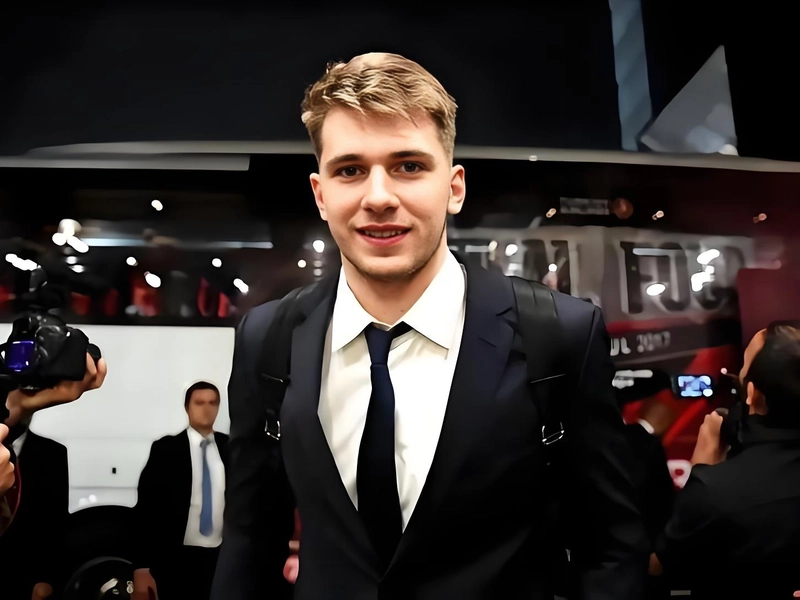
- Luka Dončić: The new-generation European prodigy, attracting attention through court vision, versatile scoring, and clutch performance. His cross-cultural background and on-court intelligence demonstrate the diversity of NBA styles, showing that basketball is not one-dimensional.
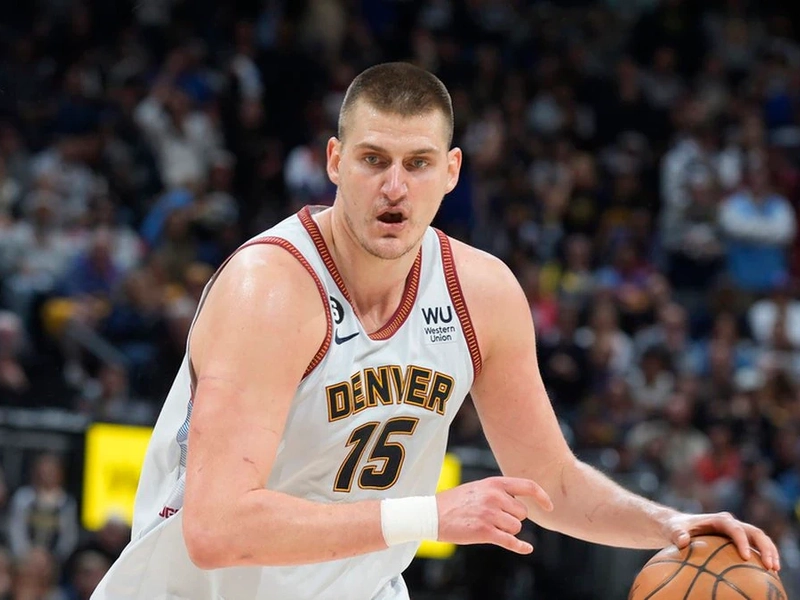
- Nikola Jokić: A modern big-man technical exemplar, whose passing vision, court management, and low-key style highlight the importance of skills, intelligence, and teamwork over raw physicality, encouraging Chinese youth to value strategy and collaboration.
- Jayson Tatum: A new-generation scorer combining accurate shooting and clutch calmness, whose individualized play and star presence help fans find idol identification and inspire creative expression and social discussion.
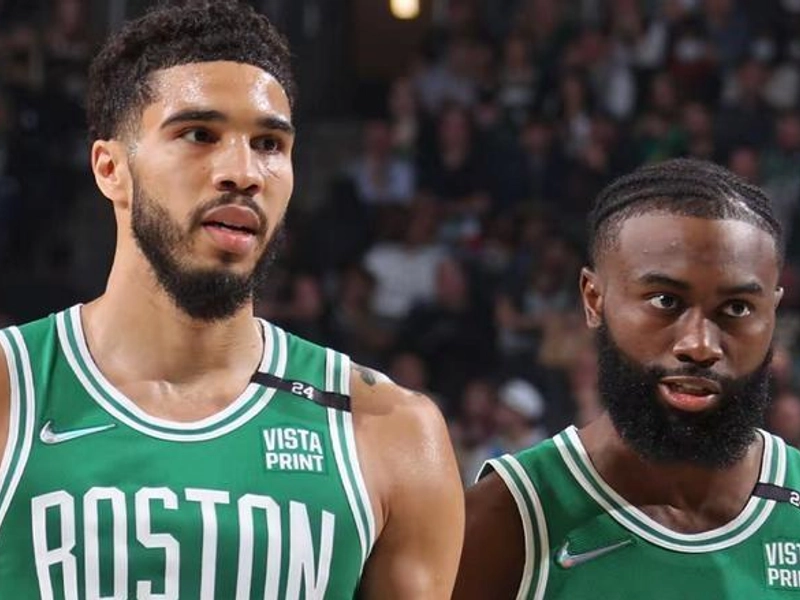
These players together construct a multi-dimensional picture of the NBA’s influence in contemporary China: they are not only competitive idols but also life role models, sources of creative inspiration, and cultural symbols. From classroom discussions, friend circle memes, short-video parodies, to street basketball challenges and community events, NBA culture is deeply integrated into youth life. Young fans “see themselves in the NBA,” celebrating championships and joking about missed shots in comment sections, embodying a more inclusive and self-directed sports attitude.
Cultural Reconstruction and a Two-Way Bridge
At this stage, the NBA is no longer just a bridge to the U.S.; it has become a two-way cultural bridge. Imported culture is absorbed, adapted, and re-exported, while the creativity and community participation of Chinese youth influence global basketball culture in return. Basketball is not only competition but also a medium for emotional expression, social interaction, cultural identity, and creative reconstruction. Sneaker releases, street fashion, digital communities, and short-video challenges all integrate NBA spirit into youth lifestyles.
At the other end of the bridge is a stage built by young people themselves. Through sports, idols, communities, and creative participation, they transform the NBA into a new junction of reality and dreams, competition and culture, content and social interaction. Here, basketball is more than a sport; it is a panoramic symbol of youth life, cultural engagement, and global interaction.
An Unfinished Conversation
Looking back over more than forty years of the NBA’s presence in China, this story is more than a record of sports—it is a microcosm of globalization. It began with curiosity: that blurry exhibition game in 1979 was like a window casting faint light, allowing Chinese fans to glimpse the vastness of the world for the first time. It flourished through integration: the sparks and passion of the Yao Ming era illuminated the bridge between China and the U.S., making basketball a shared symbol of youth for millions of Chinese. It struggled amid tension: when the tides of globalization collided with real-world complexities, even sports could not escape the pressures of the times.
The NBA’s journey in China proves the power of sports: it can transcend language and borders, making cheers, tears, and screams a shared emotional experience. Yet it also reminds us that sports are never isolated from politics, economics, and culture—they are always part of the historical current, a dialogue that spans borders but cannot escape its era. Commercial expansion, technological innovation, cultural collision, and the shaping of social identity—all intertwine the NBA with China, turning basketball into a cultural symbol beyond mere competition.
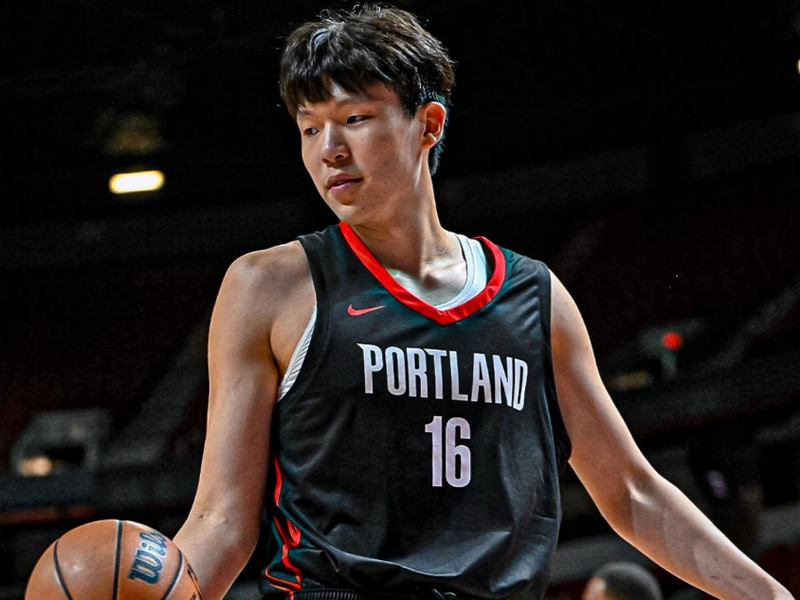
The future remains uncertain. A new generation of Chinese players—such as Cui Yongxi and Yang Hansheng—is now challenging the NBA. Will they reignite the story where dreams intertwine with national pride? In a complex international environment, how will the NBA continue to write its China chapter? No one can answer with certainty. What is clear, however, is that the NBA has long become more than an American basketball league—it is deeply engraved in the memories of generations of Chinese youth: the night courts, campus afternoons, early-morning live streams, and moments of effort, friendship, and dreams.
From watching the Saturday morning broadcasts on CCTV-2, to mimicking fadeaway jump shots, to cheering or debating over a player update on social media—the NBA, from across the ocean, has, over forty years, inscribed itself into China’s cultural memory. It belongs not only to sports but to the cultural era we have collectively experienced and are still living; it belongs to every generation that writes dreams through basketball, to the emotional bonds forged in sweat, cheers, and tears.
This conversation is far from over. Every drive to the basket, every score, every interaction continues to write a chapter of youth that crosses borders. In China, the NBA is more than on-court competition—it is a long dialogue about passion, culture, dreams, and the spirit of the times. It belongs to the past, and it belongs to the unfolding future.
Related Vocabulary
| Chinese | Pinyin | English |
|---|---|---|
| 篮球 | Lánqiú | Basketball |
| NBA | NBA | NBA |
| 中国 | Zhōngguó | China |
| 美国 | Měiguó | United States |
| 比赛 | Bǐsài | Game / Match |
| 球员 | Qiúyuán | Player |
| 球迷 | Qiúmí | Fan |
| 文化 | Wénhuà | Culture |
| 偶像 | Ǒuxiàng | Idol |
| 青年 | Qīngnián | Youth |
| 梦想 | Mèngxiǎng | Dream |
| 交流 | Jiāoliú | Exchange / Communication |
| 乔丹 | Qiáodān | Michael Jordan |
| 姚明 | Yáo Míng | Yao Ming |
| 奥尼尔 | Àoní'ěr | Shaquille O’Neal |
| 科比 | Kēbǐ | Kobe Bryant |
| 邓肯 | Dèngkěn | Tim Duncan |
| 艾弗森 | Àifúsēn | Allen Iverson |
| 麦迪 | Màigéléidí | Tracy McGrady |
| 韦德 | Wéidé | Dwyane Wade |
| 詹姆斯 | Zhānmǔsī | LeBron James |
| 库里 | Kùlǐ | Stephen Curry |
| 诺维茨基 | Nuòwéicíjī | Dirk Nowitzki |