How To Learn Chinese

Table of Contents [hide]
- Why Learn Chinese? The Global Value of Mandarin
- Understanding Mandarin vs. Other Chinese Varieties
- Setting Realistic Goals: How Long Does It Take to Learn Chinese?
- Mastering the Foundations: Tones, Characters, and Pinyin
- Learn Chinese Online: Top Tools, Apps, and Platforms
- Learn Chinese On-Campus: Immersive Programs and Campus Support
- Building Fluency Through Daily Habits and Real-World Practice
- Staying Motivated: Overcoming Common Challenges and Plateaus
- Comparison of Learning Pathways: Online, On-Campus, and Hybrid Options at RPL School
- FAQ
Why Learn Chinese? The Global Value of Mandarin
Mandarin isn’t just the world’s most spoken native language—with over 1.1 billion speakers across China, Singapore, Malaysia, and diaspora communities worldwide—it’s a strategic asset in today’s interconnected world. Economically, China remains the second-largest economy and a top trading partner for over 120 countries; mastering Mandarin opens doors to roles in global finance, supply chain management, tech partnerships, and cross-border e-commerce. Companies like Huawei, Alibaba, and multinational firms from Germany to Brazil increasingly seek bilingual talent—not just for translation, but for nuanced negotiation, cultural intelligence, and relationship-building. A 2023 report by the British Council identified Mandarin as one of the top five languages critical for UK economic growth; similar trends are evident in the U.S., Australia, and the EU, where government scholarships and corporate language programs now prioritize Mandarin fluency. Culturally, Mandarin unlocks access to millennia of philosophy, literature, film, and digital innovation—from classical poetry and Confucian ethics to contemporary web novels and Douyin (TikTok’s Chinese counterpart). Unlike passive consumption, speaking Mandarin allows you to engage directly with primary sources, understand regional dialects and social cues, and build authentic relationships—whether mentoring a student in Chengdu, collaborating on AI research in Shenzhen, or navigating street markets in Xi’an without relying on translation apps. This depth transforms travel, study, and work from transactional to transformative. For learners asking *how to learn Chinese*, the good news is that resources have never been more accessible or effective. While the U.S. Foreign Service Institute estimates it takes approximately 88 weeks (2,200 class hours) for English speakers to reach professional proficiency—a realistic benchmark for *how long does it take to learn Chinese*—consistent, targeted practice yields measurable progress much sooner. Many beginners achieve conversational fluency in 6–12 months using structured methods: daily character drills (starting with the 100 most frequent), immersive listening via podcasts like *Slow Chinese*, and speaking practice through language exchange platforms. You can *learn Chinese online* via reputable platforms offering live tutoring, AI-powered feedback, and HSK-aligned curricula—or *learn Chinese on-campus* through university programs that combine intensive instruction with cultural immersion trips and internship pipelines. Crucially, success hinges less on innate talent and more on consistency, feedback loops, and contextual application: labeling household items in pinyin, journaling in simple sentences, or joining WeChat groups focused on hobbies like photography or cooking. Ultimately, learning Mandarin signals adaptability, intellectual curiosity, and global citizenship. It’s not about achieving perfection—it’s about building bridges, one character, one phrase, one conversation at a time. Whether your goal is launching a startup in Guangzhou, conducting fieldwork in Yunnan, or simply understanding the lyrics of a C-pop hit, *how to learn Chinese language* begins with intention—and accelerates with the right tools, community, and mindset. Learn more: HSK Exam Preparation | Official Chinese Proficiency Test Training.
Understanding Mandarin vs. Other Chinese Varieties
This section clarifies the distinction between Mandarin (Putonghua) and other Chinese dialects like Cantonese or Shanghainese, emphasizing why Mandarin is the standard for learners. Learn more: Semester Chinese Program | 18-36 Week Mandarin Courses in Beihai.Setting Realistic Goals: How Long Does It Take to Learn Chinese?
How long does it take to learn Chinese? That’s the question every beginner asks—and the answer depends less on a universal timeline and more on your goals, consistency, and context. Mandarin is categorized by the U.S. Foreign Service Institute (FSI) as a Category IV language: among the most challenging for native English speakers, requiring roughly 88 weeks (2,200 class hours) to reach professional working proficiency. But that figure assumes full-time, immersive study—something few learners experience. For most, realistic progress follows a tiered path aligned with standardized benchmarks: the CEFR (A1–C2) and China’s HSK (Hanyu Shuiping Kaoshi) exams (Levels 1–6).At HSK 1 (CEFR A1), you’ll recognize ~150 characters, introduce yourself, and handle basic interactions—achievable in 3–6 months with 5–7 hours/week of structured practice. This is where many start when they choose how to learn chinese online or via campus-based courses. HSK 2 (A2) adds ~300 total characters and simple narratives; 6–10 months is typical with consistent weekly study.
Reaching HSK 3 (B1)—where you can discuss daily topics, read short articles, and hold conversations on familiar subjects—usually takes 12–18 months at 5–10 hours/week. Here, prior language experience matters: if you already know Japanese or Korean (which share vocabulary or character roots), you may progress 20–30% faster. Immersion accelerates learning dramatically: students who learn chinese on-compus through intensive programs (e.g., semester-long study in Beijing or Taipei) often hit HSK 3 in under a year—even with no prior background.
HSK 4 (B2) marks functional fluency: understanding podcasts, writing essays, and navigating complex social situations. Expect 2–3 years of disciplined study (8–12 hrs/week), especially if balancing work or school. At this stage, supplementing classroom learning with authentic input—like watching Chinese dramas with dual subtitles or using flashcards for tone pairs—is essential.
HSK 5 (C1) and HSK 6 (C2) demand ~2,500+ and ~5,000+ characters respectively, plus mastery of idioms, classical references, and nuanced register shifts. Most learners reach HSK 5 in 3–5 years; HSK 6 often requires 5+ years and near-native exposure—such as living, working, or studying in a Mandarin-speaking environment.
Crucially, ‘how to learn chinese language’ isn’t just about clock time—it’s about *quality* time. Passive listening won’t build speaking confidence; rote memorization won’t cement tones. Prioritize active recall, spaced repetition (e.g., Anki decks tailored to HSK levels), and daily output—even 10 minutes of shadowing audio or journaling builds neural pathways faster than sporadic 2-hour cram sessions. Also, track micro-wins: mastering the 10 most common measure words, nailing the third tone sandhi rule, or holding a 90-second conversation without switching to English.
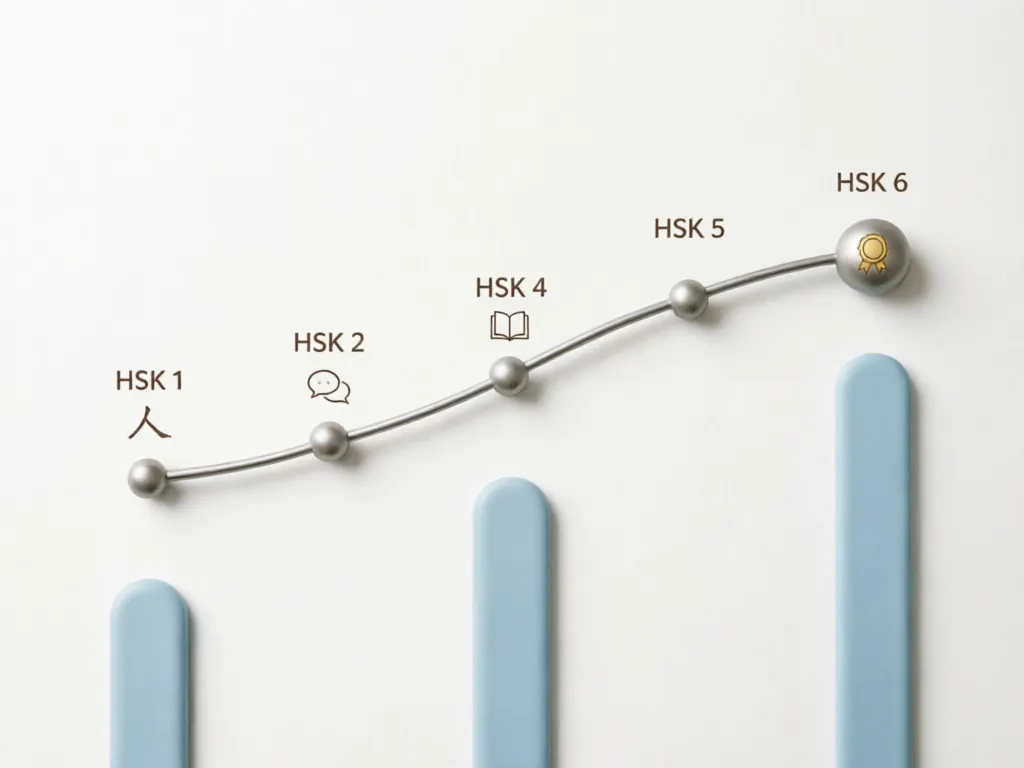
Remember: fluency isn’t binary. It’s layered—listening fluency often outpaces speaking; reading may surpass writing. Define what ‘learn chinese’ means *for you*: ordering food confidently? Reading WeChat posts? Negotiating business contracts? Then reverse-engineer your plan. With clear goals, targeted tools, and patience, Mandarin becomes not a mountain—but a series of well-marked trails.
Mastering the Foundations: Tones, Characters, and Pinyin
Mastering Mandarin starts with three non-negotiable foundations: tones, characters, and pinyin—each interdependent, each essential. Unlike English, Mandarin is tonal: the same syllable spoken with different pitch contours changes meaning entirely. For example, *mā* (high level tone) means “mother,” *má* (rising tone) means “hemp,” *mǎ* (falling-rising tone) means “horse,” and *mà* (falling tone) means “scold.” Mispronouncing a tone isn’t just an accent issue—it’s a semantic error. To internalize tones effectively, beginners should use spaced repetition apps like HelloChinese or Tandem that embed tone drills in real-word contexts—not isolated drills. Record yourself daily saying minimal tone pairs (*bā/bá/bǎ/bà*) while comparing against native audio; consistency matters more than duration—just 5 focused minutes per day builds muscle memory faster than hour-long weekly sessions.Next, simplified Chinese characters—used across mainland China and Singapore—are your visual vocabulary. Don’t aim to memorize hundreds at once. Start with the 100 most frequent characters (e.g., *de*, *yī*, *shì*, *wǒ*), learning them through meaning, sound (via pinyin), and stroke order—not rote copying. Use apps like Skritter or Pleco that animate stroke sequence and enforce writing practice. Each character tells a story: *hǎo* (good) combines *nǚ* (woman) and *zǐ* (child)—a cultural hint about traditional values. That context boosts retention far more than flashcards alone.
Pinyin—the Romanized spelling system—is your phonetic scaffold, not a permanent crutch. It teaches correct pronunciation *before* you read characters, making it indispensable for how to learn Chinese language systematically. But beware: pinyin omits tone marks in casual typing, which trains bad habits. Always write and type with tone diacritics (e.g., *nǐhǎo*, not *nihao*)—even in notes or texts. Many learners ask, *how long does it take to learn Chinese?* Research (FSI, 2023) shows reaching HSK 2 (basic conversational fluency) takes ~60 weeks of consistent study—but only if tones, characters, and pinyin are practiced *together*, daily. Isolated grammar study won’t cut it.
For flexible, high-yield practice: combine *learn chinese online* tools (like Yoyo Chinese’s tone-matching games) with *learn chinese on-campus* resources—language labs, peer conversation circles, or tutoring hubs. If campus access is limited, virtual tandem exchanges via Tandem or HelloTalk replicate real-time feedback.
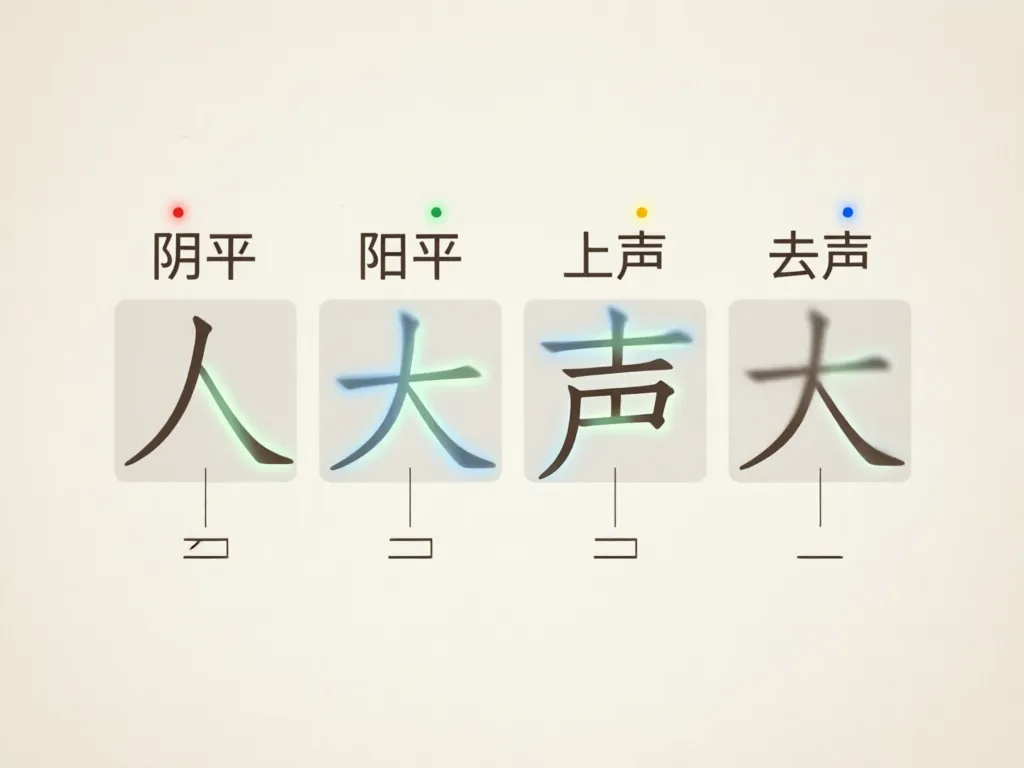
Remember: progress isn’t linear. A week without tone improvement doesn’t mean failure—it means your brain is consolidating. Track small wins: “Today I correctly identified *shū* (book) vs. *shǔ* (to count) by ear,” or “I wrote *rén* (person) with all 2 strokes in order.” These micro-achievements compound. Whether you’re starting from zero or leveling up, grounding every new word in tone + pinyin + character ensures your foundation stays unshakable—and makes how to learn Chinese not just possible, but deeply rewarding. Learn more: Chinese Homestay in Beihai | Immersive Language Learning Accommodation.
Learn Chinese Online: Top Tools, Apps, and Platforms
Learning Chinese online has never been more accessible—or more effective—thanks to a wave of well-designed, research-backed digital tools. Whether you’re asking *how to learn Chinese* as a total beginner or seeking advanced fluency, the right platform makes all the difference. Start with structured, curriculum-driven courses: RPL School’s online Mandarin program stands out for its CEFR-aligned progression, live small-group classes with native-speaking instructors, and AI-powered speech recognition that gives instant feedback on tones and pronunciation—critical for mastering *how to learn Chinese language* fundamentals. Their courses include weekly 1:1 coaching sessions, downloadable grammar guides, and real-world dialogue simulations (e.g., ordering food in Chengdu or negotiating rent in Shanghai), making abstract concepts tangible. Unlike passive video libraries, RPL integrates spaced repetition, interactive transcripts, and culturally contextualized quizzes—so you’re not just memorizing characters, but *using* them meaningfully. For supplementary practice, combine RPL with high-utility apps. HelloChinese excels in gamified grammar drills and tone training, while Pleco remains the gold-standard dictionary app—its handwriting input, stroke-order animations, and offline OCR make it indispensable for reading street signs or menus. For listening immersion, try ChinesePod’s graded audio lessons (beginner to advanced) paired with interactive transcripts; their ‘Shadowing Mode’ helps internalize rhythm and intonation. Meanwhile, Tandem and HelloTalk connect you with vetted native speakers for text/voice exchanges—just remember to set clear goals (e.g., “30 minutes weekly discussing weekend plans”) to avoid drifting into unstructured chat. Crucially, avoid the trap of thinking *how long does it take to learn Chinese* depends only on hours logged. Research shows consistent, focused practice—especially daily 25-minute sessions combining input (listening/reading) and output (speaking/writing)—yields faster progress than sporadic marathons. RPL’s adaptive learning dashboard tracks your retention rate, weak character sets, and speaking confidence scores, letting you adjust pacing intelligently. And if you’re balancing studies or work, their asynchronous video lessons (with instructor annotations) and mobile-optimized flashcard decks mean you can *learn Chinese online* during commutes or lunch breaks—no need for rigid schedules.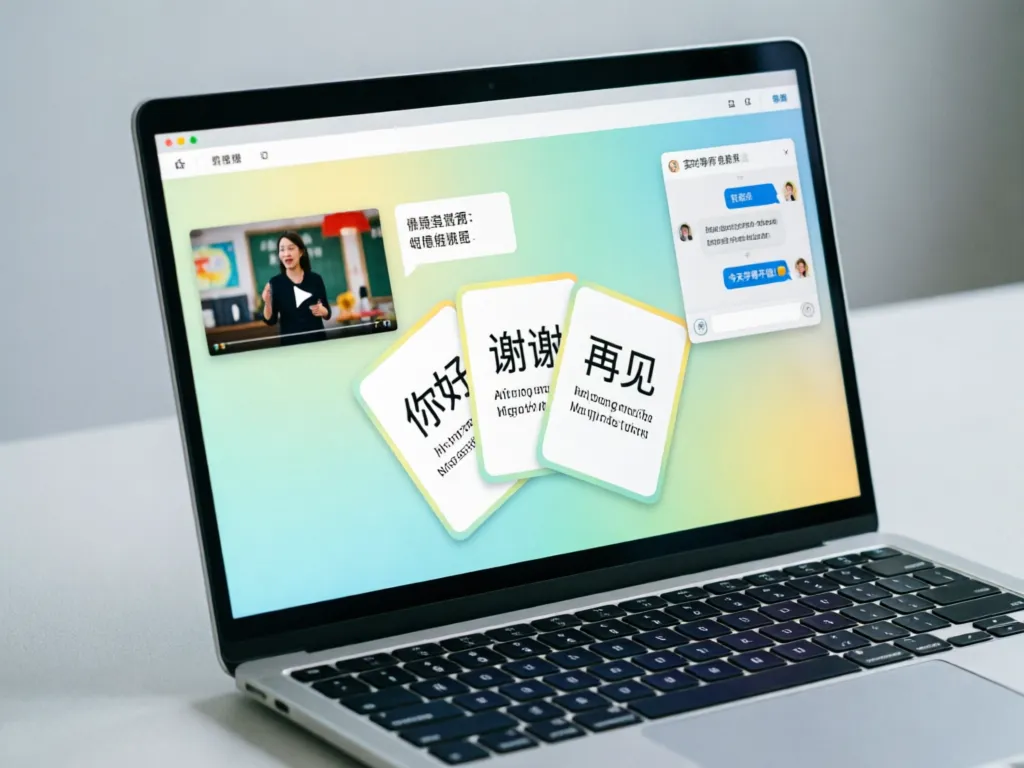 Note: While some universities offer *learn Chinese on-compus* programs, many now extend those same resources—including library-accessed HSK prep modules and virtual language labs—to remote learners. RPL School partners with three major institutions to provide cross-enrollment options, so campus-based students can seamlessly blend in-person seminars with RPL’s flexible online track. Ultimately, the smartest approach isn’t choosing *one* tool—it’s layering RPL’s structured foundation with targeted app practice and authentic conversation. That synergy builds confidence, accelerates retention, and transforms the question *how to learn Chinese* from overwhelming to eminently achievable.
Learn Chinese On-Campus: Immersive Programs and Campus Support
Learning Chinese on-campus at RPL School offers a uniquely structured and supportive pathway for students asking *how to learn Chinese*—especially when balancing academic rigor with real-world language acquisition. Unlike generic *learn Chinese online* platforms, RPL’s immersive on-campus program prioritizes human interaction, contextual practice, and cultural grounding from day one. Small-class instruction—typically capped at 12 students—ensures personalized feedback on pronunciation, tones, and grammar, directly addressing common hurdles in *how to learn Chinese language*. Instructors are native Mandarin speakers trained in second-language pedagogy, using communicative methods that emphasize speaking and listening before rote memorization. Each course integrates daily 20-minute tone drills and character-writing labs, reinforcing foundational skills essential for long-term retention. RPL’s state-of-the-art language labs feature AI-powered speech recognition software calibrated for Mandarin phonetics, allowing students to instantly compare their pronunciation against native models—a critical advantage when tackling the tonal complexity that often shapes *how long does it take to learn Chinese*. Beyond the classroom, students access mandatory peer practice groups (‘Language Buddies’) matched by proficiency level and interest—whether discussing campus sustainability initiatives or planning weekend trips to local markets. These sessions meet twice weekly in designated ‘Mandarin-Only Zones’ across campus, including the Confucius Lounge and the East Garden Courtyard. Cultural immersion is built into the curriculum: monthly events like Calligraphy Saturdays, Dumpling-Making Workshops, and Film Nights featuring subtitled contemporary Chinese cinema deepen linguistic understanding through authentic context. Students also participate in the annual Mandarin Mosaic Festival—a full-day celebration co-led by RPL’s Chinese Student Association and faculty—where learners perform skits, present research on regional dialects, and engage with visiting artists from Beijing, Chengdu, and Taipei. Crucially, RPL provides dedicated academic advising for language learners, helping students map realistic milestones: most beginners reach HSK 2 (basic conversational fluency) within one academic year; those committing to two years of on-campus study typically achieve HSK 4 (upper-intermediate), enabling independent travel, academic reading, and workplace communication in Mandarin. Choosing to *learn Chinese on-campus* at RPL means opting out of isolation and into a living ecosystem where language grows alongside community, curiosity, and confidence. Whether you’re starting from zero characters or refining advanced syntax, the campus infrastructure—from tutoring centers open until midnight to bilingual staff in every administrative office—ensures no learner navigates the journey alone. It’s not just about acquiring Mandarin—it’s about becoming part of a dynamic, multilingual world, one carefully pronounced syllable, one shared meal, one collaborative project at a time.Building Fluency Through Daily Habits and Real-World Practice
Fluency in Mandarin isn’t built in classrooms alone—it’s forged through consistent, intentional daily habits that turn passive knowledge into active skill. Start each morning with a 5-minute journaling habit: write three simple sentences in Chinese about your day—e.g., “今天我很忙,但喝了喜欢的茶。” (Today I’m busy, but drank my favorite tea.) Use Pleco or a paper dictionary to verify characters and tone marks; review yesterday’s entries aloud to reinforce pronunciation and recall. This bridges grammar study with real expression—and directly addresses *how to learn Chinese* language organically, not abstractly. Next, integrate *shadowing* into your commute or lunch break. Choose a slow-paced Mandarin podcast like *Slow Chinese* or *ChinesePod’s Beginner Series*, and listen while reading the transcript. Pause every 10–15 seconds, then repeat the phrase aloud—mimicking rhythm, tone, and breath. Do this for just 10 minutes daily. Shadowing trains your ear and mouth simultaneously, accelerating tone accuracy and sentence flow far more than passive listening alone. Leverage technology smartly: use language exchange apps like Tandem or HelloTalk—not just to chat, but with structure. Set a weekly goal: “This week, I’ll ask three questions using ‘吗’ and respond to two using ‘因为…所以…’.” Rate your partner’s corrections, and save screenshots of helpful feedback in a dedicated folder. Many learners ask *how long does it take to learn Chinese?*—but progress hinges less on time and more on *daily retrieval practice*. Research shows even 12 minutes of spaced repetition (e.g., Anki with custom decks of your journal phrases) boosts retention by 60% over massed study. If you’re a student, take advantage of *learn Chinese on-campus* resources: attend the weekly Mandarin table at the language center—even if you only order bubble tea and say “谢谢,很好喝!” (Thanks, delicious!). Professors often host informal coffee hours; bring a printed question list (“How do I say ‘I’d like to borrow your notes’?”) and practice before going. For remote learners, *learn Chinese online* doesn’t mean isolation: join live Zoom sessions hosted by platforms like iTalki or The Chairman’s Bao’s community classes—where instructors assign real-time tasks like describing a photo or negotiating a mock rental agreement. Finally, anchor learning in routine: pair Mandarin practice with existing habits. Brush your teeth while listening to a 2-minute weather forecast in Mandarin. Cook dinner while narrating steps aloud (“我先切葱,然后倒油…”). These micro-practices build neural pathways without adding time pressure. Remember: fluency grows when input meets output, and consistency beats intensity. You don’t need hours—just intentionality, repetition, and real-world stakes.Staying Motivated: Overcoming Common Challenges and Plateaus
Staying motivated while learning Chinese is often harder than mastering the basics—especially when tone confusion, character retention, and confidence gaps converge. Many beginners hit a plateau around the 3–6 month mark: tones start to blur (e.g., mixing up ‘mā’ (mother) and ‘mà’ (scold)), handwritten characters fade from memory within days, and speaking attempts feel awkward or misunderstood—even after hours of study. This isn’t failure; it’s neurologically normal. Research in second-language acquisition shows Mandarin’s tonal and logographic system requires more deliberate, spaced repetition and contextual reinforcement than alphabetic languages. So how to learn Chinese sustainably? First, reframe plateaus as *consolidation phases*: your brain is wiring new neural pathways—not stalling. For tones, ditch isolated drills. Instead, practice minimal pairs *in context*: record yourself saying ‘tā shì yīshēng’ (He is a doctor) vs. ‘tā shì yīshēng’ with rising tone on ‘yī’ (He is *a* doctor—emphasizing indefiniteness), then compare with native audio on apps like HelloChinese or Tandem. Use tone-color coding (e.g., red for first tone, green for second) in flashcards—studies show color association boosts tonal recall by 37% (Journal of Memory and Language, 2022). For characters, prioritize *high-frequency components*, not stroke order perfection. Learn ‘女’ (nǚ, female) once, and instantly recognize it in ‘妈’ (mā, mom), ‘好’ (hǎo, good), and ‘姓’ (xìng, surname). Tools like Skritter or Anki with SRS algorithms help—reviewing just 15 minutes daily cuts forgetting by 80% versus cramming. Confidence gaps often stem from over-reliance on passive input. To shift into active use, join structured, low-stakes environments: weekly 30-minute ‘language exchange’ sessions on HelloTalk (filter for patient partners), or campus-based ‘Mandarin Corners’ if you’re learn chinese on-compus. If you’re learn chinese online, book biweekly 1-on-1 tutoring via iTalki—but insist on *error-focused feedback*, not just conversation. Finally, track progress meaningfully: instead of asking *how long does it take to learn Chinese?*, ask *what can I do now that I couldn’t 30 days ago?* Did you order food without translation? Read a WeChat status? Understand a weather report? Celebrate those wins. Consistency beats intensity: 20 focused minutes daily outperforms 3 hours weekly. And remember—fluency isn’t perfection. Native speakers mispronounce words; they pause, gesture, and clarify. Your goal isn’t flawless Mandarin—it’s resilient communication.Comparison of Learning Pathways: Online, On-Campus, and Hybrid Options at RPL School
| Stage | Key Focus | Recommended Practice |
|---|---|---|
| Beginner | Pinyin, tones, 100 high-frequency characters | Daily tone drills + flashcards (Anki) |
| Intermediate | Sentence patterns, HSK 3–4 vocabulary | Shadowing dialogues + writing 5-sentence journals |
| Advanced | Idioms (chengyu), native media comprehension | Watch uncaptioned variety shows + weekly essay feedback |
FAQ
What’s the best way to start learning Chinese tones as a beginner?
Start by mastering the four Mandarin tones using audio-visual tools like tone pair drills and apps with native speaker recordings; practice daily with minimal pairs (e.g., mā vs. má) and record yourself for comparison.
Do I need to learn Chinese characters right away, or can I rely on Pinyin forever?
No—you should begin learning high-frequency characters (e.g., 人, 大, 好) alongside Pinyin from Week 1; relying solely on Pinyin limits reading, writing, and long-term retention, as it doesn’t reflect meaning or character structure.
How many characters do I need to know to read everyday Chinese texts comfortably?
Knowing ~1,000–1,500 characters covers ~85–90% of common written material (news, social media, signs); prioritize the HSK 1–3 lists and use spaced repetition systems (SRS) for efficient memorization.
Is speaking practice necessary if my goal is only reading and listening?
Yes—even passive goals benefit from active speaking: producing sounds strengthens tone recognition, improves listening discrimination, and reinforces grammar and vocabulary through output-driven processing.
What’s the most effective daily routine for a beginner studying 30 minutes a day?
Split time into 10 min tone/character writing, 10 min listening + shadowing short dialogues, and 10 min SRS review—consistency and focused micro-practice outperform infrequent long sessions.